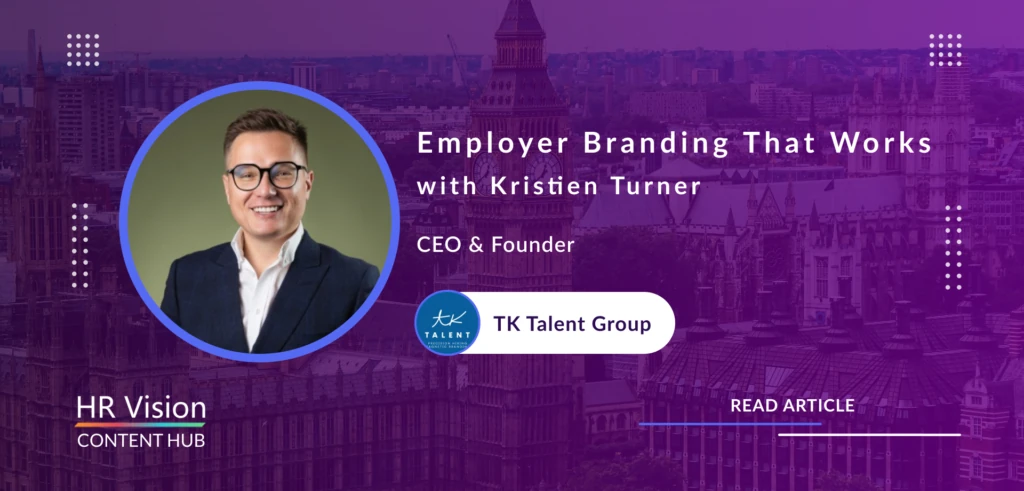
- Kristien, you’ve spent two decades shaping employer brands globally. What’s the biggest mistake you see companies make when trying to attract top talent?
They lead with what they want, not with what candidates value and it shows immediately. Too many career sites still feel like they were built in 2010: generic copy, generic photography, no narrative, and no energy. If you want to see brands that genuinely show up with intention, look at Netflix, LEGO, or Stripe. They put candidates front and centre and leave you feeling excited about the possibility of working there.
Top talent doesn’t want slogans like “people first.” They want evidence and signals that who you say you are is who you actually are. When the external promise and internal reality don’t align, candidates feel the disconnect instantly. Attraction starts with truth, not theatre.
- You’ve helped organizations make over 100,000 hires. What’s one practical way HR can connect brand and recruitment more effectively?
Bring employer branding out of the marketing corner and embed it into the hiring system. One of the biggest structural blockers is fragmentation. Too many TA teams sit separately from the wider HR function, and HR often doesn’t collaborate with Marketing or Communications at all. That disconnect kills consistency.
A simple, powerful starting point is a shared narrative. One story, one vocabulary, one promise. When recruiters, hiring managers, and leaders tell the same story for the same reasons, quality and conversion rates increase almost immediately.
- Behavioral insights are a big part of your approach. How can HR leaders use these insights to improve hiring and retention?
Behaviour drives the brand, but only if HR can read, interpret, and act on the signals. The first step is helping our colleagues in HR become genuinely data literate. If we can’t tell stories using live employee data, we can’t influence the behaviours that matter.
It’s about interrogating real patterns and asking the tough questions: Why do some teams attract better talent? Why do certain leaders retain high performers while others lose them? What moments build trust and which erode it?
Siemens is a powerful example. Long seen as an engineering-heavy, traditional brand, they struggled to attract digital talent. After benchmarking themselves against tech leaders and rebuilding their EVP, they launched the “Future Makers” campaign, rooted entirely in behavioural insight around what digital talent actually values.
The results were transformative. Applications for digital roles increased by 180%+. Employer brand favorability among tech candidates rose 35%. Time-to-fill for key tech roles dropped by 20 days. That’s what happens when you build your employer brand on substance, not assumptions.
- You’ve worked across the US, UK, Canada, and Latin America. How do you balance global consistency with local cultural relevance?
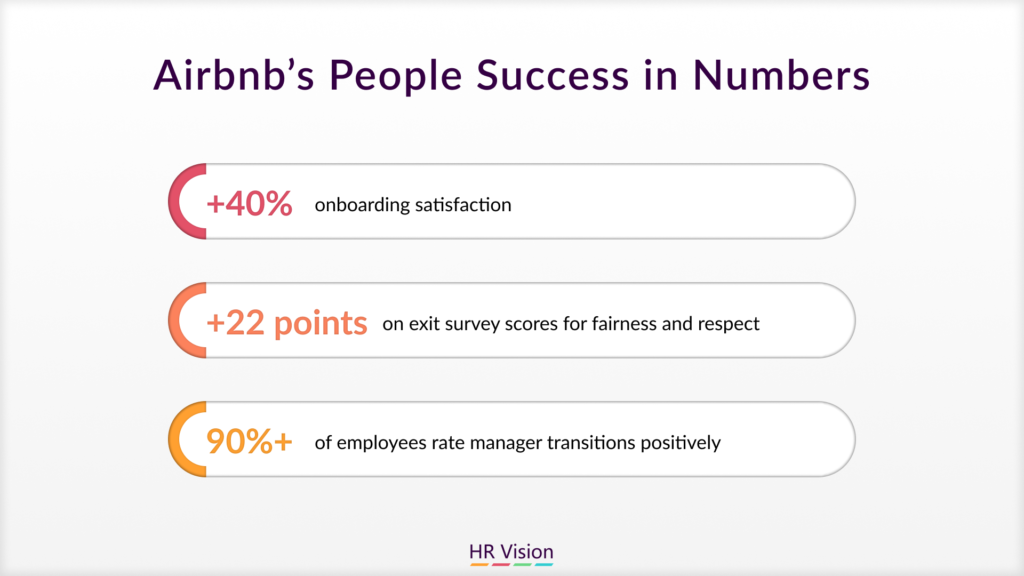
You build a global spine, then let local teams add the muscle exactly the way Airbnb approaches experience design. Airbnb treats the employee journey with the same intentionality and humanity as the guest experience. That core philosophy, belonging, simplicity, and thoughtful design, stays consistent worldwide.
But each region adds nuance: localised visuals, regional storytelling, market-specific proof points that make the message feel authentic rather than copied and pasted. And the impact of this approach is measurable. After redesigning the entire employee lifecycle, Airbnb saw: Onboarding satisfaction increased by 40,% and exit survey scores rise 22 points on fairness and respect. 90%+ of employees rated manager transitions positively, and the Airbnb alumni engagement surged, leading to more referrals and boomerang hires. It’s proof that when the philosophy is global, but the storytelling is local, you strengthen both internal culture and external employer brand.
- Talent markets are constantly changing. How should HR adjust employer branding strategies to keep pace?
Treat your Employer Brand like a living product, not a one-off campaign. Markets shift. Expectations change. The most effective companies monitor signals continuously: sentiment, drop-off rates, application patterns, internal mobility, and exit reasons. Then they adapt quickly and intentionally. If your employer brand looks the same this year as it did last year, it’s already outdated.
- How can smaller teams or companies with limited resources still build a strong employer brand?
Start with clarity, not budget. Three things matter more than money:
- What you stand for
- What you expect
- What you can promise with integrity.
Once those are clear, activation can be scrappy and effective: employee stories, simple ambassador programmes, leaders who communicate with clarity, and strong referrals. A clear, honest brand beats a high-budget but empty one every time.
- Social media and digital channels play a big role today. How should HR use them wisely?
Use digital to humanise the brand and integrate it into the employee experience, not bolt it on. The mistake is treating social as a corporate billboard. The opportunity is to use it as a window: real people, real work, real teams, real leadership.
Heineken understood this. They integrated HR and Marketing to build an EVP that was as operational as it was creative. Their “Go Places” campaign was built around genuine employee stories and delivered an enormous external impact: Employer brand favourability increased 56%, and Graduate applications rose 39%.
More importantly, HR used the same narrative internally to reshape performance and development conversations. Within two years, internal mobility increased by 25%. When storytelling, culture, and talent systems are aligned, digital becomes one of HR’s most powerful tools for attraction and retention.
- What’s one common misconception about employer branding you wish more HR professionals understood?
Employer Brand isn’t a campaign, it’s a leadership strategy. Marketing can amplify it. TA can operationalise it. But only leaders can create it through consistent behaviour.
Microsoft is the clearest example. Under Satya Nadella, the company shifted from internal competition to a culture built on a growth mindset, empathy, and humility. He didn’t just articulate these values, he embodied them. That behaviour became the cornerstone of their internal brand. The impact was profound: Microsoft jumped 20+ places on Glassdoor’s Best Places to Work, Employee trust in leadership increased by 55 points (2014–2020), and EVP alignment surveys now show 80%+ scores in leadership authenticity. When leadership behaviour, culture, and brand move as one, everything accelerates: quality, retention, mobility, credibility. That’s the power of integration in Employer Branding.
Ready to stay ahead in the ever-changing world of HR? Join us at HR Vision, where top HR leaders gather to explore the future of work, HR trends, and the power of HR analytics and technology.