Let’s continue to dive into the top 20 HR trends that will be cutting-edge in the industry the next year. You can find the first part of the article here.
20 HR TRENDS FOR 2023, PART 2
- 11. Online Team Building Activities
- 12. Digital Collaboration Platforms
- 13. Digital Tracking
- 14. Virtual Employee Engagement
- 15. Automation of Tasks
- 16. Mental Health Support
- 17. Mobile-Friendly Recruitment
- 18. Hire Based on Soft Skills
- 19. Culture of Trust
- 20. Race to Attract Great Talent
11. Online Team Building Activities
Many companies are moving to hybrid or remote working models. This means that the team-building approach needs to be adjusted. Remote teams need to seek solutions to communicate and interact more in order to feel connected with their co-workers and the company. These solutions could be virtual meetings, online games or different activities.
12. Digital Collaboration Platforms
Once remote work went to a stage many companies began to use video conferencing software like Zoom, Microsoft Teams and Google Meet. Their popularity grew tenfold during the pandemic, as many businesses had to switch to virtual operations and look for better ways to manage their teams. Now, the focus is on improving employee experience and re-creating human interaction in offices. This is where HR management software comes in handy. It allows companies to automate human resources tasks, maximize employee potential and track remote workers, as well as foster strong employee relationships.

13. Digital Tracking
Employees used to swipe their access cards at work and log in at their desks. HR could then track hours and efficiency of their work. Remote work complicates this process. Companies should explore future trends in HR such as virtual timesheets or performance management. Online tools and software are now essential for companies to keep track of their employees’ work hours and maximize productivity. These can help HR organize the productivity of different team types, including remote, hybrid and outsourced.
14. Virtual Employee Engagement
Remote working can lead to isolation if there isn’t regular contact with colleagues. The technology advancements have made it possible to collaborate and join forces on a global level. Remote workers need to communicate. It is important to find a balance between business meetings and social meetings. And don’t forget to treat virtual teams the same as physical teams.
15. Automation of Tasks
As society progresses, so does technology. The rise of automation is evident each year. It will be a major trend for 2023. HR teams can automate redundant tasks to allow them to focus on the most important things. Although it is popular to believe that AI will take over your job, the current trend indicates that AI is here to make things easier, not worse. It is not making certain jobs obsolete; it is actually helping to make them more efficient. Current AI technology, for example, is helping to improve product development, speed data entry, streamline the recruitment process and aid in improving people analytics. The automation of simple tasks allows HR professionals to spend more time on the important aspects of their business, like employee engagement, performance and employee well-being.
16. Mental Health Support
Sometimes we all need help. To maximize productivity, an organization must ensure that employees are happy and healthy. Employees will be more grateful if they know that you are concerned about their emotional well-being. HR can arrange workshops or courses on mental health to teach employees how to get help and how to support each other. Businesses could also use well-being programs, such as wellness tracking platforms, mental health apps and Employee Assistance Programs (EAPs). Encourage workers to seek treatment early for maximum effectiveness of the mentioned programs. And don’t forget – if employees disclose mental health issues, it’s important for organizations to protect this sensitive data.

17. Mobile-Friendly Recruitment
Did you know that Gen Z was born with a smartphone in their hands? The younger generation is constantly looking for innovation and new technology to improve their daily lives. Because their smartphones are an extension of them, it is important to make sure that job postings are mobile-friendly. In this modern age, it is essential to be able to apply for jobs from your smartphone. Mobile-friendly job postings could bring you the new talented employees.
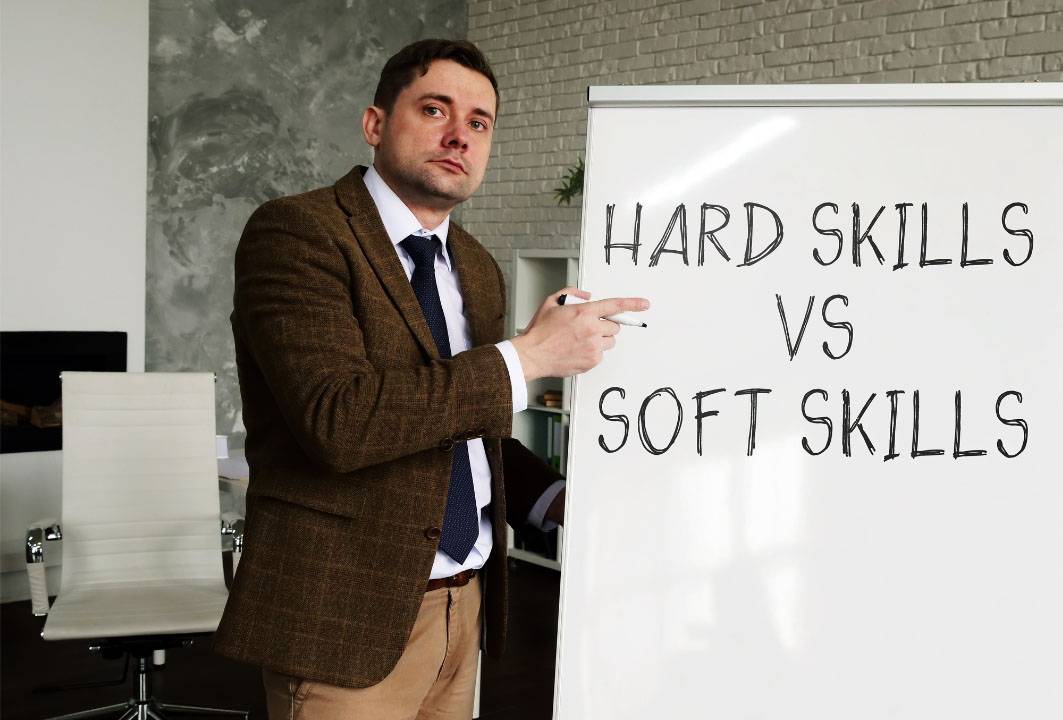
18. Hire Based on Soft Skills
While hard skills and work history are important when searching for talent, soft skills are vital for any job. In accordance with LinkedIn survey, HR company leaders complain that 89% of new hires lack the necessary soft skills to do the job. These skills are transferable and can be used in many roles and situations. Interviews alone are not enough to determine how a candidate will perform in the job and how they will integrate into the team. HR professionals should strive to assess soft skills such as personality, competence and personal values in order to determine if a candidate is a good fit for a job. Many companies employ cognitive aptitude tests to assess candidates for each job posting.
19. Culture of Trust
While remote work became one of the biggest HR trends, a trust to employees to get the work done is a key criterion. Employees who are given possibility to decide when and where they want to finish their tasks, work with increased productivity and retention. Many employees prefer working independently and are happy to be trusted to do their daily job. Employees who are constantly criticized and micromanaged often withdraw from social activities. They experience a decline in mental health and end up doing what is necessary to survive in their position. This can lead to long-term financial loss for the company.
20. Race to Attract Great Talent
Attracting and retaining top talent is on the top tier among HR trends. This is a very competitive area for any organization. Companies will need to adapt and come up with innovative ways to attract talent. To get the best talents for multiple job openings, salary increases, bonus benefits, work-from-home environments, upskilling opportunities and other perks can be used as leverages. There have been some recent changes in the way the hiring process is conducted, including a more personal approach and a reduction in assessments and interviews. HR can also use other strategies to stay competitive. These include formulating a clear candidate persona, setting up an employee referral program, improving company’s branding and broadening its outreach strategies (for instance, career conferences, networking events, etc.).
If you’re looking for new ideas, fresh perspectives and insights on the future of work, then you’ll want to attend HR Vision Events.