

The landscape of employee development and training programs has undergone a significant shift in recent years. The traditional one-size-fits-all approach to training programs is no longer effective, and many organizations are turning to personalized and individualized learning to meet the unique needs of their employees. Such needs have become easier to cater to with the use of learning management systems (LMS) and adaptive learning technology. In this article, we will explore the importance of personalized and individualized learning programs in 2023, and how they can benefit both employees and organizations.
Personalized learning is the process of tailoring learning experiences to the individual needs and preferences of employees. Individualized learning takes it one step further, by focusing on the needs of each employee based on their skills, knowledge, and job role.
The Benefits of Personalized and Individualized learning
One of the primary benefits of personalized and individualized learning programs is that they enable employees to learn at their own pace and in a way that suits their unique learning style. According to a fresh survey conducted by LinkedIn, one of the top employees’ motivations to learn is the availability of personalized learning for their interests and career goals. When employees feel that their learning needs are being met, they are more likely to be invested in their own development and feel valued by their organization. By offering learning programs that are tailored to individual needs and preferences, organizations also increase employee engagement and retention.
Put a strategy first
Nevertheless, the use of these methods needs to be followed by a thoroughly created corporate strategy. To ensure that employees receive the training they need to stay competitive and meet organizational goals, learning and development (L&D) teams must ensure that such a strategy incorporates personalized and individualized learning. A personalized learning strategy should include an analysis of employee skills and knowledge gaps, as well as their learning preferences. This analysis can be conducted using data from employee performance reviews, surveys, and LMS analytics. Based on this analysis, learning and development teams can create learning paths that are tailored to individual needs.
LMS and adaptive learning
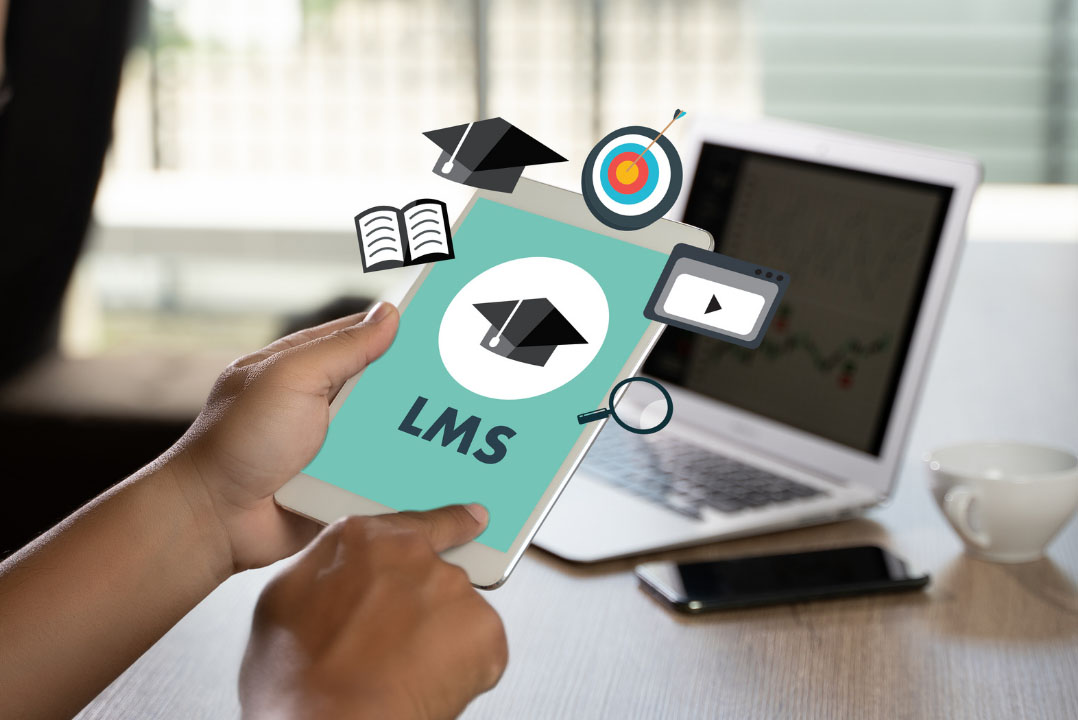
Learning management systems and adaptive learning technology have revolutionized employee development and training programs. They adapt to the needs of the learner by using algorithms to adjust the learning content and delivery method based on their performance and progress, which they track. This approach enables employees to learn at their own pace. Adaptive learning technologies are increasingly being integrated into LMS to offer employees personalized and individualized learning experiences.
However, implementing such learning programs requires a significant shift in mindset and approach. L&D professionals must work closely with employees and managers to understand their unique learning needs and preferences. They must also be prepared to provide ongoing support and feedback to ensure that employees are making progress towards their learning goals.
Here are some best practices for implementing personalized and individualized learning programs within your organization:
1. Start with a needs assessment: Conduct a thorough needs assessment to identify the unique learning needs and preferences of employees based on their job role, skill level, and learning style.
2. Use data to drive decision-making: Leverage data from employee performance reviews, assessments, and surveys to inform your learning program design.
3. Invest in adaptive learning technology: Adaptive learning technology can help tailor learning experiences to the unique needs and skill level of each employee.
4. Provide ongoing support and feedback: Provide employees with ongoing support and feedback to help them achieve their learning goals and improve their performance.
5. Encourage social learning: Encourage employees to collaborate and learn from each other through online discussion forums, peer mentoring, and group projects.
6. Measure and evaluate success: Regularly measure and evaluate the success of your personalized and individualized learning programs to identify areas for improvement and track employee progress.

The Future of Personalized learning
The future of personalized learning is bright, with the potential for more sophisticated adaptive learning technologies and data analytics. According to a report by Ambient Insight, the global market for personalized learning is expected to reach $8.5 billion by 2025. This growth is driven by the increasing demand for customized learning experiences and the need for organizations to upskill their employees to remain competitive in a rapidly changing market.
Personalized and individualized learning is becoming an increasingly important strategy for employee development, and this trend will continue to gain momentum in 2023. By using adaptive learning technologies and creating tailored learning paths, organizations can increase employee engagement, retention, and productivity. As the market for personalized learning continues to grow, L&D teams should invest in innovative solutions to meet the unique needs of their employees. With the right approach and technology, personalized and individualized learning can be an effective way to stay ahead of the competition and achieve long-term success in the marketplace.
If you’re looking for new ideas, fresh perspectives and insights on the future of work, then you’ll want to attend HR Vision Events.


