HR events have gained prominence as powerful catalysts for elevating leadership capabilities. These events serve as immersive platforms where leaders, both seasoned and emerging, converge to learn, share experiences, and refine their leadership acumen.
Leaders are no longer merely authoritative figures; they are catalysts for change, driving innovation, and fostering a culture of adaptability. The challenges presented by global competition, technological disruption, and societal shifts demand leaders who can steer organizations through uncertainty while remaining agile and forward-thinking.
The profound impact of HR events on leadership development is underscored by their ability to cultivate essential skills, broaden perspectives, and nurture the kind of adaptive leadership that modern organizations demand. HR events facilitate the acquisition of not only theoretical knowledge but also practical insights, fostering holistic growth. As individuals engage with thought leaders, share experiences with peers, and grapple with real-world scenarios, their leadership capabilities undergo a metamorphosis. The exposure to multifaceted approaches, combined with the opportunity for introspection, empowers attendees to develop a well-rounded leadership style.
What Role Do HR Events Play in Fostering Modern Leadership Excellence?
The landscape of leadership has undergone a profound transformation in recent years. Gone are the days when leadership was synonymous with a rigid hierarchy and a top-down approach. The contemporary business environment is characterized by volatility, uncertainty, complexity, and ambiguity—collectively known as VUCA. Leaders now grapple with multifaceted challenges, ranging from rapid technological advancements to shifting global markets and socio-cultural dynamics. The need to lead diverse teams, foster innovation, and drive sustainable growth has ushered in a new era of leadership dynamics.
Recognizing the imperative for leaders to evolve alongside these challenges, the concept of continuous leadership development has emerged. No longer confined to a static set of skills, modern leadership requires a commitment to ongoing growth and learning. This concept emphasizes that leadership is not a destination but a journey, where skills are refined, new insights are gained, and perspectives are broadened over time. Continuous leadership development recognizes that every leadership experience, every interaction, contributes to the evolution of a leader.
This is where HR events step into the spotlight. HR events serve as vibrant hubs where leaders converge to engage in a collective pursuit of growth and learning. These events act as strategic platforms designed to address specific leadership skill gaps. Whether it’s enhancing emotional intelligence, fostering adaptability, or honing strategic thinking, HR events curate experiences that directly target the competencies leaders need to excel in the modern world. By facilitating deep dives into critical leadership areas, HR events become pivotal instruments in bridging the divide between the leadership skills of today and the demands of tomorrow.
Key Focus Areas of Leadership Development in HR Events
In the quest for exceptional leadership, organizations recognize the profound impact that adept leadership skills can have on their success. These skills go beyond mere delegation and oversight; they encompass a complex array of qualities that empower leaders to steer their teams through challenges, inspire innovation, and drive transformative change.
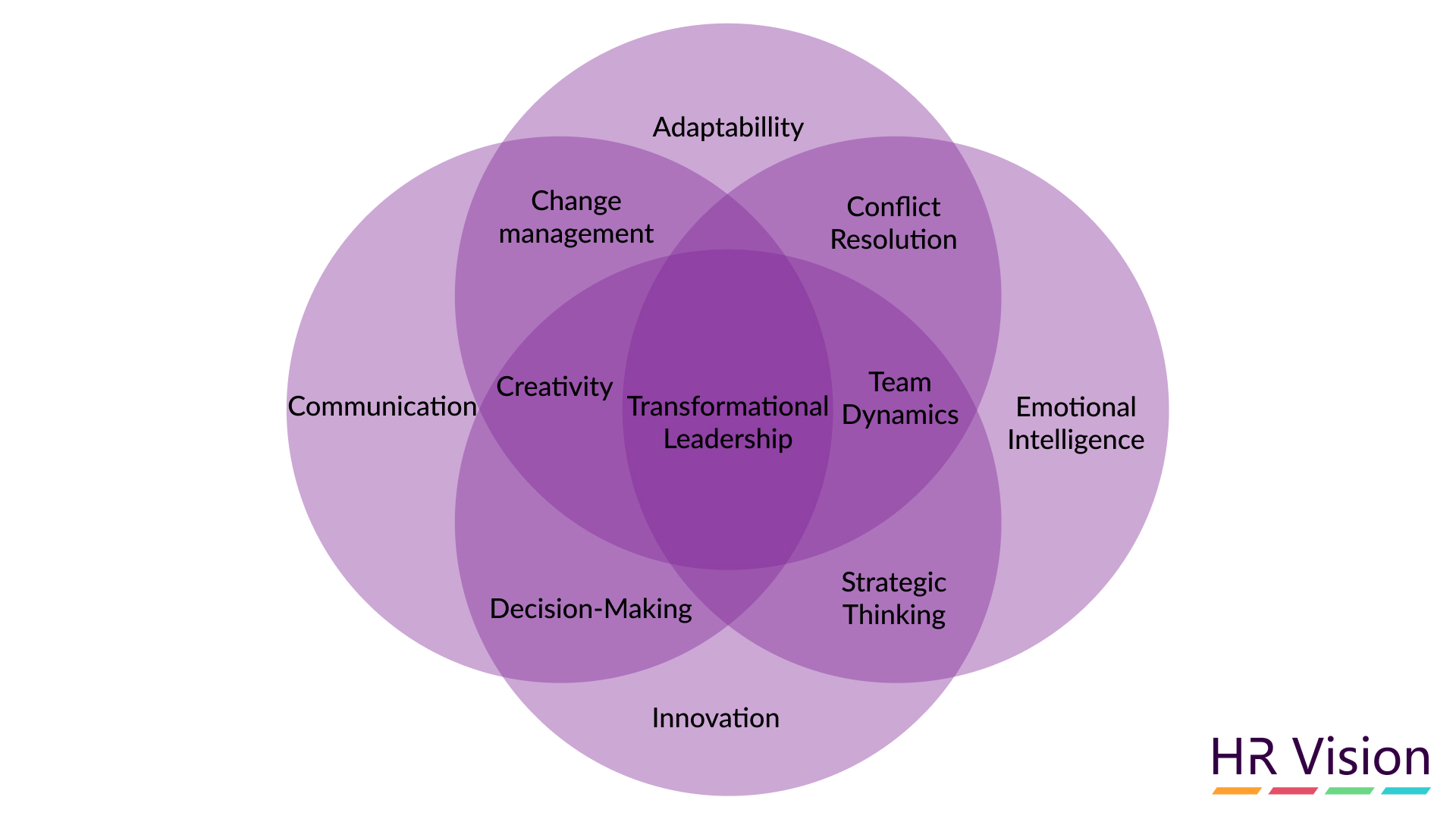
Let’s explore the core focus areas of leadership development that HR events target:
1. Communication and Emotional Intelligence
Communication lies at the heart of effective leadership. The ability to convey ideas clearly, inspire action, and connect with team members underpins a leader’s influence. HR events delve into communication strategies that foster clear understanding, active listening, and the art of delivering feedback. Furthermore, these events delve into the realm of emotional intelligence—an essential skill that enables leaders to understand and manage their own emotions while empathizing with the emotions of others. Leaders who possess high emotional intelligence create an environment of trust, respect, and open dialogue, fostering cohesive teams and meaningful collaborations.
2. Adaptability and Change Management
In an era characterized by rapid change, leaders must be adept at steering their teams through uncharted waters. HR events spotlight the art of adaptability, teaching leaders how to remain resilient in the face of disruption. These events underscore the importance of equipping leaders with change management tools – strategies that guide teams through transitions, mitigate resistance, and facilitate smooth transformations. As organizations evolve, leaders versed in adaptability and change management become the lynchpins of successful transitions.
3. Conflict Resolution and Team Dynamics
No organization is devoid of conflicts; how leaders address and manage these conflicts greatly impacts team dynamics and productivity. HR events dive into conflict resolution techniques that foster healthy disagreement and transform challenges into opportunities for growth. Moreover, these events explore the nuances of team dynamics – the intricate interplay between personalities, strengths, and collaboration. Leaders who master conflict resolution and team dynamics foster harmonious working relationships and empower teams to collectively achieve their highest potential.
4. Strategic Thinking and Decision-Making
Leadership entails making tough decisions that shape the trajectory of organizations. HR events illuminate the realm of strategic thinking – the capacity to envision the big picture, identify trends, and devise innovative solutions. These events delve into decision-making frameworks that balance analysis with intuition, leading to informed choices that drive organizational progress. Leaders well-versed in strategic thinking and decision-making become architects of sustainable success.
5. Innovation and Creativity
The demand for innovation and creativity has never been more pronounced. HR events unlock the creative potential within leaders, igniting their ability to envision and actualize novel ideas. These events cultivate an environment where leaders learn to foster a culture of innovation, encouraging teams to think outside the box, experiment, and bring imaginative concepts to life. Leaders who champion innovation and creativity become catalysts for groundbreaking solutions that propel their organizations forward.
Benefits of HR Events in Leadership Development
Within the dynamic framework of HR events, several key benefits come to the forefront, each contributing to the cultivation of well-rounded and effective leaders. These advantages not only elevate leadership skills but also offer a rich tapestry of experiences that shape leaders into agile, forward-thinking, and adaptable professionals. Let’s explore how HR events serve as pivotal catalysts for leadership development:
Exposure to Thought Leaders and Industry Experts
HR events provide a unique opportunity for leaders to engage directly with thought leaders and industry experts who have amassed a wealth of knowledge and experience. These events often feature keynote speakers and distinguished panelists who share their insights, perspectives, and success stories. Exposure to such luminaries offers leaders a chance to glean wisdom, learn from real-world examples, and broaden their horizons. The firsthand accounts and profound insights shared by thought leaders provide leaders with fresh perspectives, challenging them to reconsider existing paradigms and adopt innovative approaches.
Networking Opportunities for Peer Learning and Exchange
Networking lies at the heart of HR events, creating a rich tapestry of connections and relationships. Leaders gather from diverse backgrounds, industries, and roles, offering a unique chance for peer learning and exchange. Engaging in discussions with fellow leaders allows for the sharing of best practices, lessons learned, and innovative strategies. These interactions transcend the event itself, often evolving into lasting professional relationships that continue to enrich leadership development long after the event concludes.
Insights into Cutting-Edge Leadership Strategies and Trends
Leadership is a dynamic field, shaped by evolving trends and strategies. HR events serve as conduits for disseminating the latest insights into cutting-edge leadership practices. From leveraging technology for effective leadership to harnessing data-driven decision-making, these events shed light on the strategies that drive success in today’s ever-changing landscape. Leaders gain insights into emerging leadership trends, enabling them to remain agile and proactive in their approach.
HR events, as pillars of leadership development, offer an array of benefits that collectively contribute to the growth of visionary leaders.

How can the impact of HR events be maximized in terms of enhancing leadership skills?
HR events serve as powerful catalysts for leadership development, offering a wealth of knowledge, experiences, and connections. To extract the utmost value from these transformative gatherings, a strategic approach is essential. Maximizing the impact of HR events on leadership skills requires a concerted effort that spans pre-event preparation, active engagement during events, and thoughtful post-event reflection. By adopting a comprehensive strategy, leaders can harness the full potential of HR events to propel their growth and organizational success.
Before stepping into the world of an HR event, leaders should embark on a journey of pre-event preparation. This involves setting clear goals and objectives that align with their individual leadership aspirations and organizational needs. Whether the focus is on enhancing specific skills, gaining insights into industry trends, or expanding their network, a well-defined set of goals guides leaders towards meaningful interactions and targeted learning opportunities.
The true magic of HR events unfolds in the midst of active participation and engagement. Rather than being passive observers, leaders should immerse themselves fully in the event’s offerings. This includes attending keynote sessions, participating in workshops, engaging in discussions, and seizing opportunities to interact with speakers and fellow attendees. Active participation not only enriches the learning experience but also opens doors to unexpected insights and connections.
The value of an HR event doesn’t end when the curtains close; it continues to reverberate through post-event reflection and action planning. Leaders should set aside dedicated time after the event to reflect on their learnings, key takeaways, and newfound perspectives. This introspection allows leaders to distill their experiences into actionable insights that can be applied to their leadership roles. From identifying immediate changes in their approach to developing long-term strategies, post-event reflection fuels the implementation of practical solutions derived from the event.
As we reflect on the transformative power of HR events in shaping leadership excellence, it becomes evident that these gatherings are more than just conferences; they are profound opportunities for growth. The dynamic landscape of modern leadership demands continuous learning and adaptation, and HR events stand as beacons of inspiration, knowledge, and connection in this journey.
Therefore, we call upon organizations to recognize the profound impact of leadership-focused HR events and to prioritize their participation. These events not only empower individual leaders but also contribute to the collective advancement of organizations, fostering environments that thrive on innovation, engagement, and excellence. Join us at HR Vision, where we bring together the top HR leaders to engage in thought-provoking discussions on the future of work. Together, let’s chart a course toward a people-centered future of work, where leadership thrives and organizations flourish.