Today the ability to nurture talent and foster professional growth has become a cornerstone of organizational success. Workplace coaching, a targeted and personalized approach to employee development, plays a crucial role in unlocking potential, enhancing performance, and driving organizational goals.
Amid the myriad approaches to workplace coaching, the GROW model stands out as a structured and highly effective framework. Developed by Sir John Whitmore, this model provides a clear, step-by-step process for guiding coaching conversations. Its simplicity and adaptability make it an invaluable tool for managers, team leaders, and HR professionals seeking to empower their teams.
The Benefits of Coaching in the Workplace
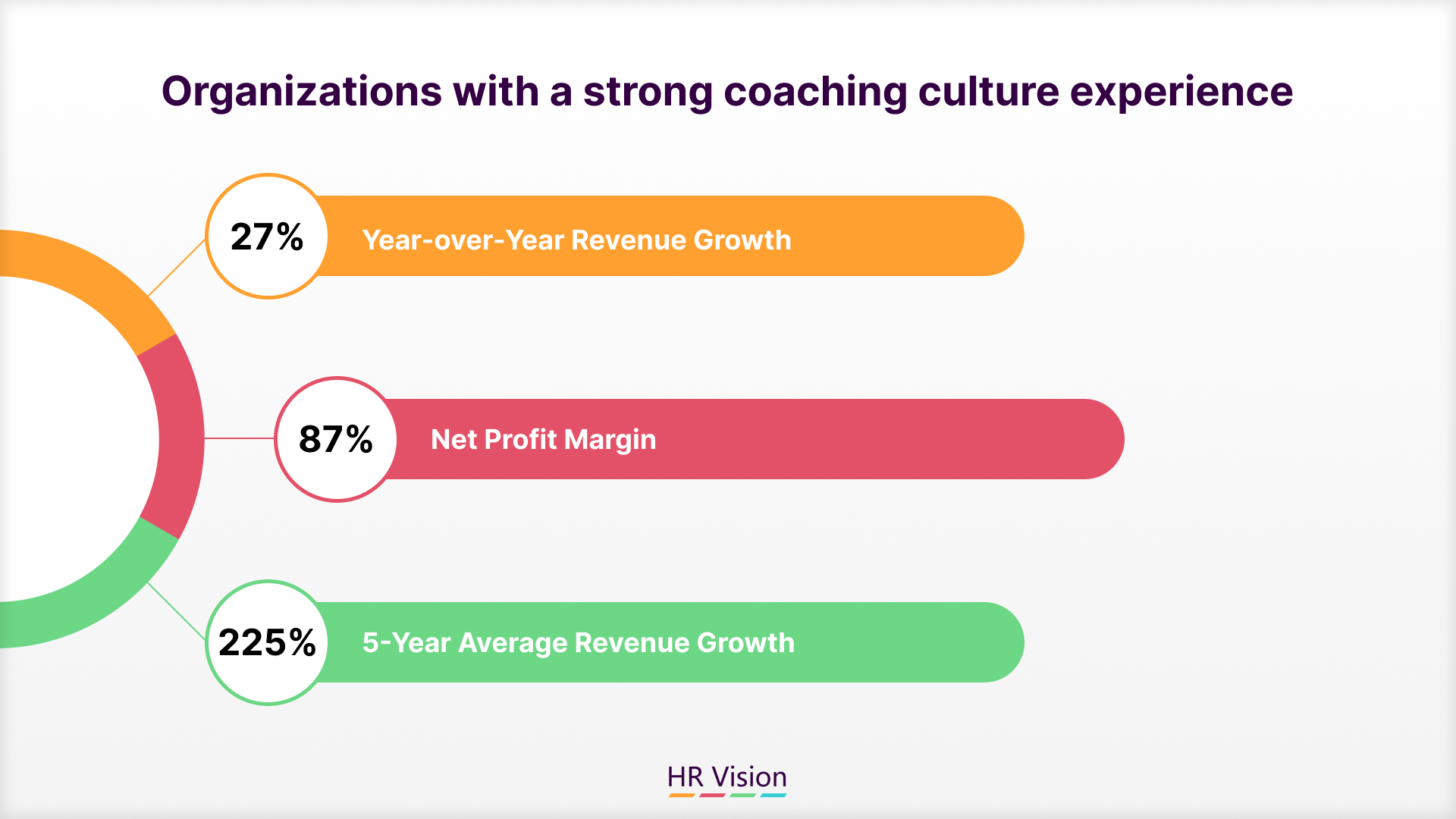
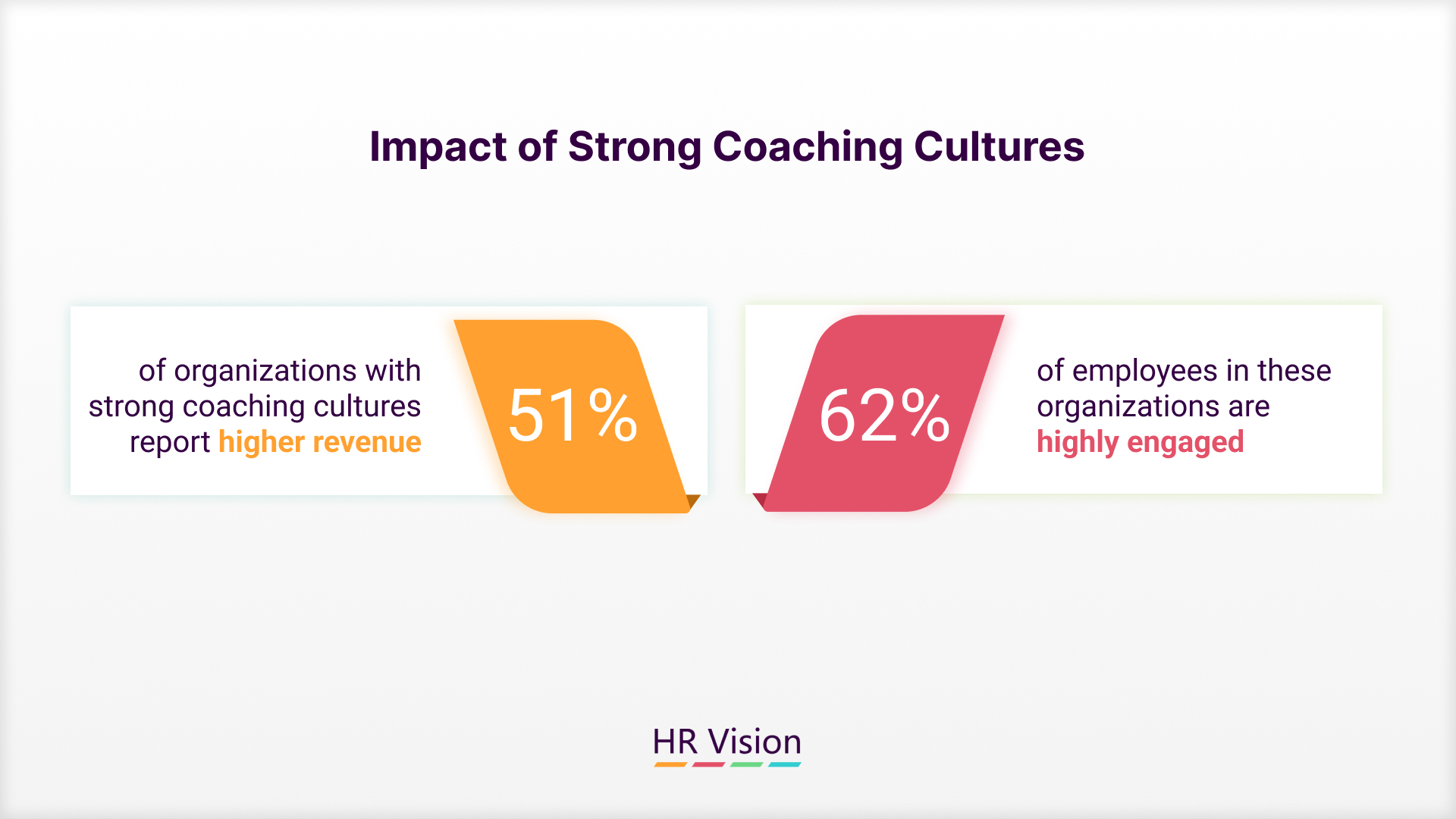
Coaching has become an essential part of helping employees grow and succeed. It focuses on building their skills, boosting confidence, and aligning their personal goals with the company’s objectives. This approach not only improves individual performance but also increases job satisfaction and loyalty, creating a stronger and more motivated workforce.The benefits of coaching go beyond just the employees—it has a direct impact on business success. For example, 51% of organizations with strong coaching cultures report higher revenue growth compared to similar companies. This shows that investing in coaching helps teams work better together, solve problems more effectively, and achieve bigger goals. Companies that make coaching a priority are often more innovative, adaptable, and competitive.
In addition, coaching creates an environment where learning and improvement happen continuously. By encouraging open conversations, constructive feedback, and shared accountability, it strengthens relationships and builds trust across teams. This not only improves teamwork but also fosters a positive and productive workplace culture, helping businesses thrive in the long run.
What is the GROW Model?
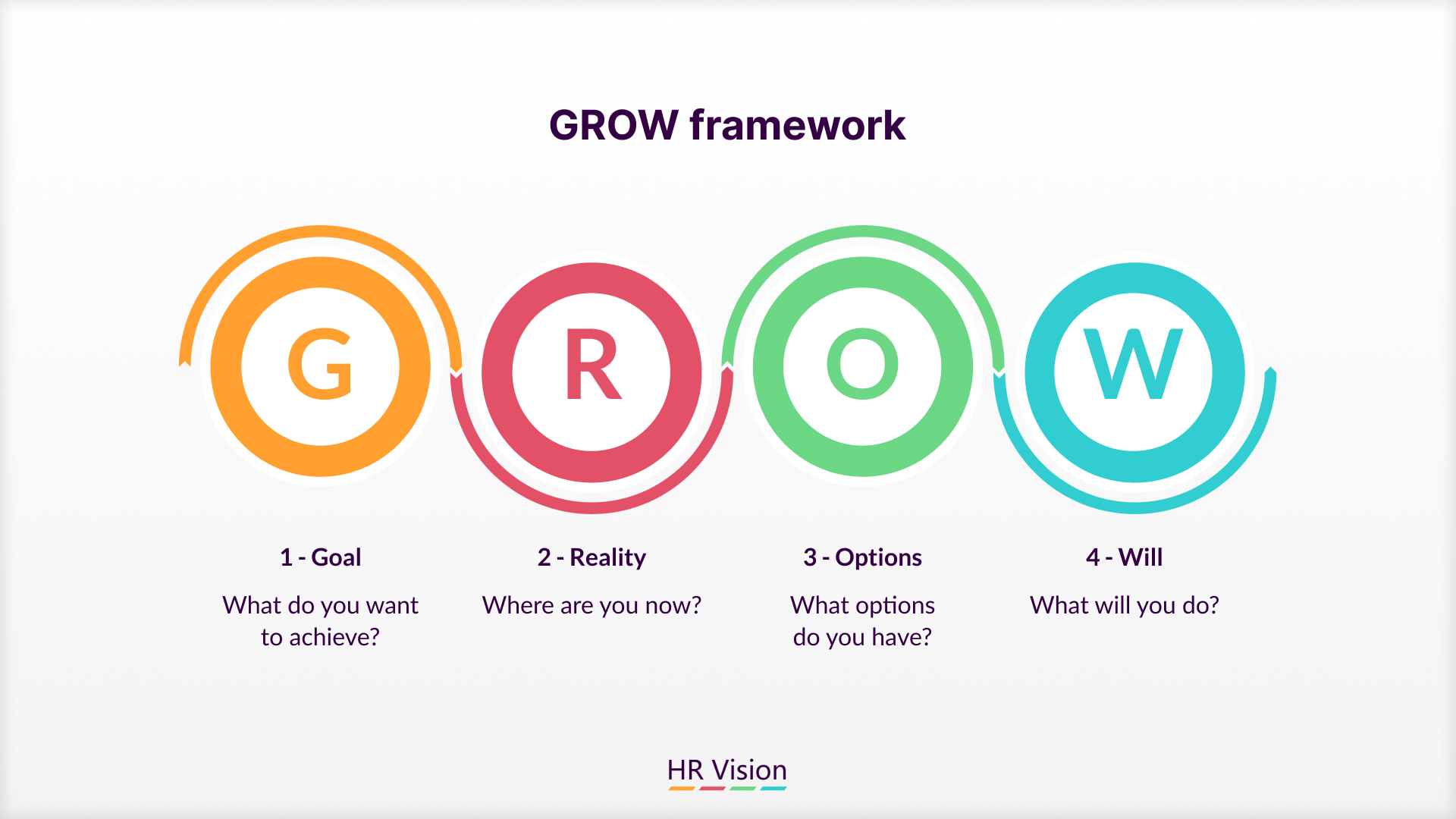
The GROW model is a widely used coaching framework designed to guide conversations and help individuals achieve their goals. Developed by Sir John Whitmore and inspired by performance coaching principles, the model simplifies the coaching process into four distinct steps: Goal, Reality, Options, and Way Forward. Its effectiveness lies in its structured yet flexible approach, making it suitable for various coaching scenarios and industries.
Breaking Down the GROW Model
- G: Goal Setting
The first step involves identifying clear, specific, and achievable objectives. Goals can be short-term, such as improving a single skill, or long-term, like career advancement. Setting well-defined goals gives both the coach and the coachee a clear target to work toward.
- R: Reality Check
In this step, the focus shifts to understanding the current situation. What challenges exist? What progress has already been made? This analysis helps the coachee recognize where they stand, providing a foundation for realistic and actionable planning.
- O: Options
Once the reality is clear, it’s time to brainstorm solutions and strategies. This step encourages creative thinking and exploration of all possible paths to reach the goal. It also empowers the coachee to evaluate their choices and determine the best course of action.
- W: Way Forward
The final step involves creating a concrete action plan. What steps will the coachee take? When will they take them? This stage emphasizes accountability and ensures that progress is tracked over time.
Why It’s Popular
The GROW model is popular because of its simplicity and adaptability. Its straightforward structure makes it easy to use, even for those new to coaching. Additionally, the model can be applied across different industries and situations—from performance reviews to career planning—making it a versatile tool for personal and professional development. Its effectiveness in helping individuals break down complex challenges into manageable steps has solidified its place as a cornerstone of workplace coaching practices.
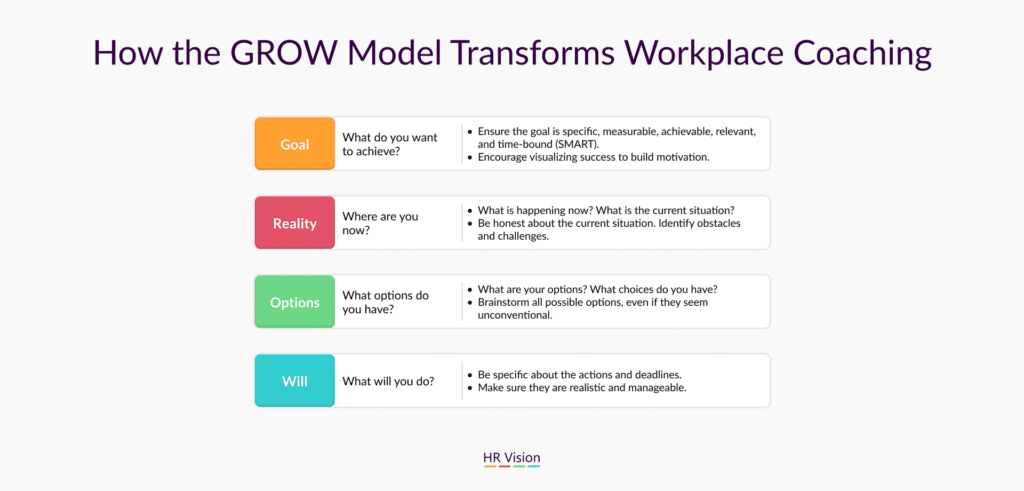
How the GROW Model Transforms Workplace Coaching
The GROW model significantly enhances workplace coaching by providing a clear, structured approach that helps both employees and managers work together more effectively. One of the primary benefits is its ability to enhance clarity. By setting specific, measurable goals in the first phase, both parties understand what needs to be accomplished and how success will be measured. This eliminates ambiguity, allowing employees to focus on concrete outcomes and take actionable steps. With clear goals in place, employees are better able to prioritize tasks, align their efforts with organizational objectives, and track their progress over time.
In addition to improving clarity, the GROW model improves communication within the workplace. The model encourages an open dialogue between employees and managers, particularly during the Reality phase, where both assess the current situation. This honest exchange builds trust, as employees feel heard and supported in identifying challenges and obstacles. Managers, in turn, gain valuable insights into their team members’ perspectives and can offer tailored guidance. This two-way communication helps foster stronger relationships and ensures that coaching is relevant and effective.
Finally, the GROW model promotes collaboration and accountability. By working together to explore options for problem-solving in the Options stage, employees and managers create a partnership that encourages creative thinking and shared responsibility. The model also emphasizes accountability by outlining actionable steps in the Way Forward phase, ensuring that employees are committed to their goals. With regular follow-up and progress tracking, the GROW model ensures that employees take ownership of their development and stay focused on achieving their objectives.
Practical Applications of the GROW Model
The GROW model can be applied in various workplace scenarios to enhance employee development, improve performance, and foster stronger teams. Here are four practical applications of the model:
In Leadership Development
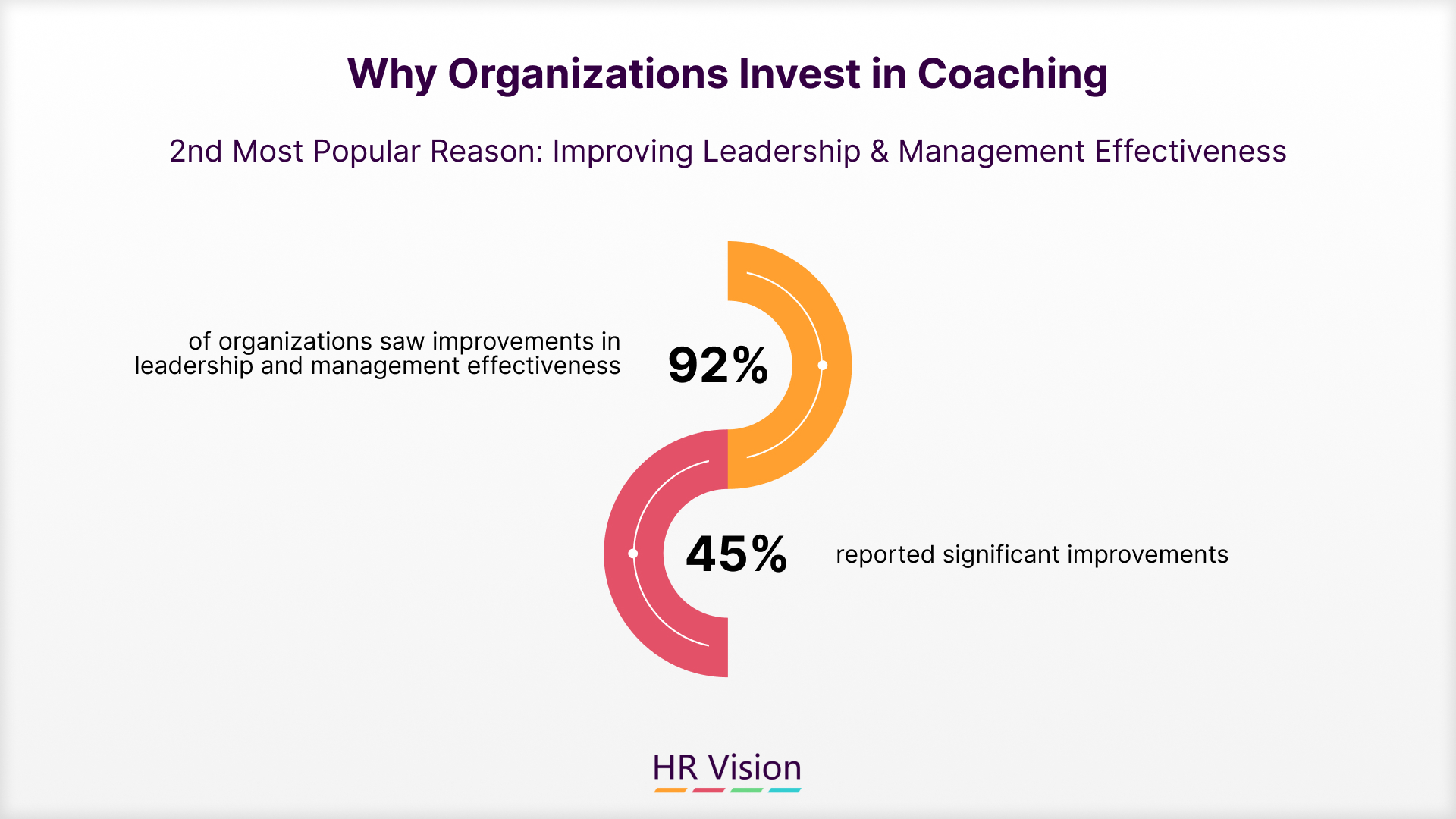
One of the most effective uses of the GROW model is coaching leaders to improve decision-making and team management. By helping leaders set clear goals and understand their current challenges, the model encourages them to explore options for overcoming obstacles and refining their approach to managing their teams. It also helps leaders develop their emotional intelligence, communication skills, and ability to inspire and motivate others. As a result, leaders become more effective at driving team performance, setting a clear direction, and supporting their team members’ growth and development.
Performance Improvement Plans
The GROW model can also be highly effective in addressing performance issues and supporting underperforming employees. By focusing on the Reality stage, managers can gain a clear understanding of what’s hindering an employee’s performance. They can then work with the employee to set specific, achievable goals, explore options for improvement, and develop a concrete action plan. This process helps the employee regain confidence, focus, and motivation, leading to improved productivity and job satisfaction. Regular follow-up using the GROW model ensures accountability and progress towards the goals set in the performance improvement plan.
Career Development
The GROW model can guide employees through career path exploration and planning. By focusing on the Goal, Reality, and Options phases, employees can clarify their long-term career objectives, assess their current skills and experience, and explore options for development and growth within the organization. This process helps employees take proactive steps toward achieving their career aspirations, whether that means acquiring new skills, pursuing additional training, or exploring different roles and responsibilities. It also enables managers to support their team members in their career journeys, providing feedback and resources to help them achieve their goals.
Team Coaching
Finally, the GROW model can be applied to team coaching, helping teams align their goals, improve collaboration, and resolve conflicts. By facilitating discussions around the team’s current reality, exploring options for improvement, and creating an action plan for moving forward, the GROW model supports effective communication and team dynamics. It encourages team members to work together to set clear objectives, understand each other’s roles and responsibilities, and address any conflicts in a constructive way. This alignment promotes greater cohesion, improved decision-making, and a more focused, productive team environment.
Conclusion
The GROW model effectively addresses key workplace coaching challenges by providing a structured yet flexible framework that guides both coaches and employees through goal-setting, identifying obstacles, and creating actionable steps to overcome them. Its four stages—Goal, Reality, Options, and Will—empower individuals to define clear objectives, assess current situations, explore solutions, and commit to action, fostering accountability and progress.
The GROW model is highly adaptable, making it suitable for a wide range of workplace scenarios, from leadership development to performance improvement, and can be tailored to individual or team needs. This versatility makes it an invaluable tool for HR professionals aiming to enhance coaching initiatives and drive organizational success.