
Winter brings with it a unique set of challenges that can significantly impact workplace productivity. From unpredictable weather conditions disrupting daily commutes to the prevalence of seasonal affective disorder (SAD), businesses often find themselves grappling with a range of issues during the colder months.
According to research from project management software company Redbooth, winter emerges as the least productive season for businesses. A meticulous analysis of data spanning a four-year period revealed that users completed a mere 22.8% of their tasks on average during winter, in stark contrast to the more industrious 27.3% achieved in the autumn. The term “winter blues” is commonly used to describe the feelings of lethargy, low motivation, and overall mood changes that individuals may experience as a result of reduced sunlight and colder temperatures during this season.
As organizations navigate the challenges of winter work productivity, proactive measures and employee-centric initiatives become crucial to maintaining optimal workflow and ensuring a resilient and engaged workforce.
Understanding Winter Workplace Challenges
Factors that Hinder Holiday Joy
The festive season, traditionally associated with joy and celebration, can often be clouded by a myriad of challenges that extend beyond the realm of personal festivities. As individuals navigate through the holiday season, factors such as financial concerns, stress, winter blues, loneliness, disagreements, and the chilling bite of cold weather can collectively contribute to a less-than-joyful Christmas experience. Balancing employee well-being, maintaining productivity, and fostering a positive work environment become paramount keys to navigating the winter work landscape successfully.
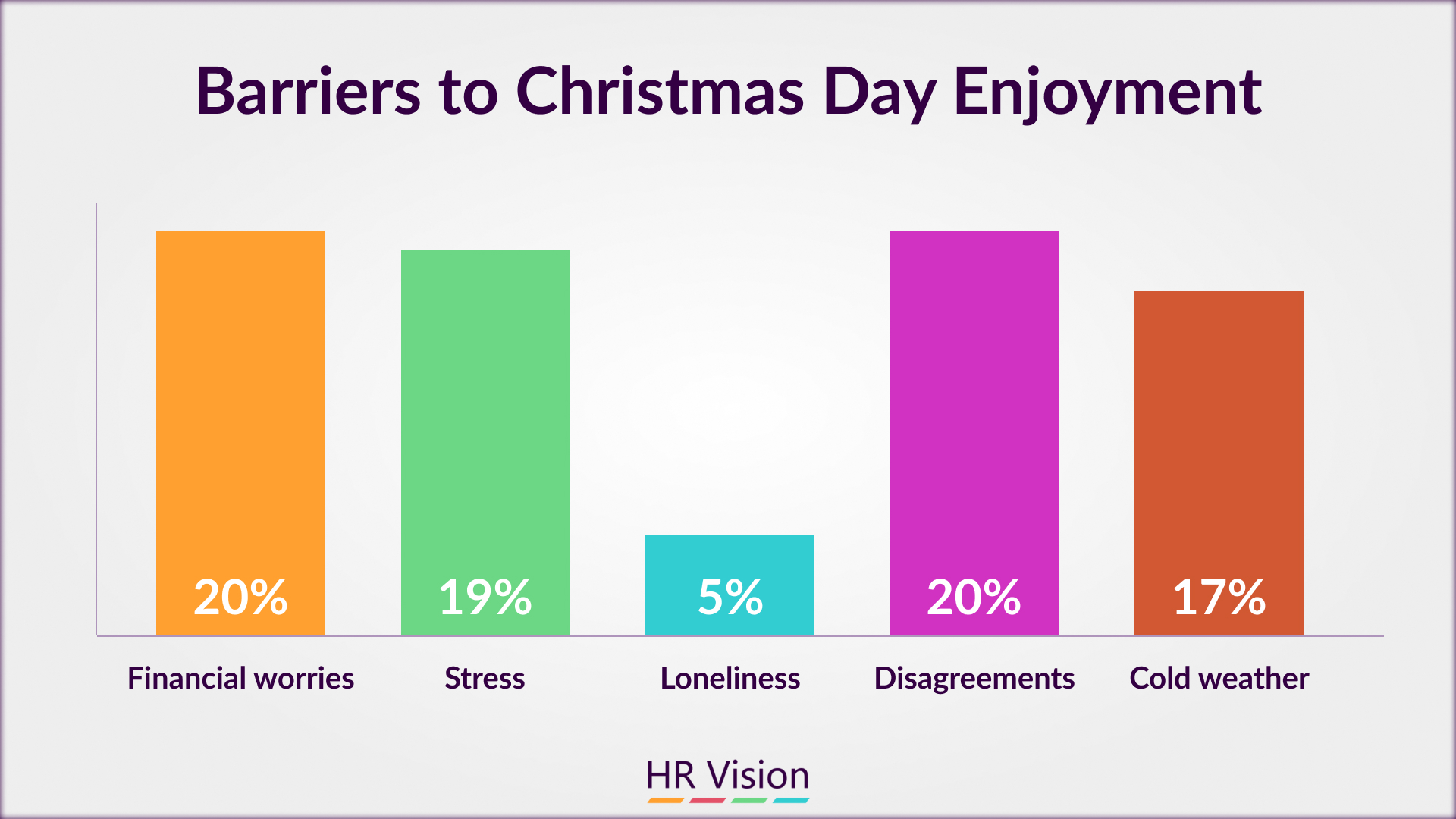
However, the impact of these challenges transcends the personal sphere and infiltrates the workplace, demanding a clear understanding from Human Resources (HR) professionals. HR professionals play a pivotal role in recognizing the nuances of winter work productivity issues and implementing strategies to mitigate their impact.
Seasonal Affective Disorder (SAD) and Its Impact on Employee Well-being
Winter’s arrival brings not only frosty temperatures but also a phenomenon known as Seasonal Affective Disorder (SAD). This condition can significantly influence the mental well-being of employees, leading to decreased motivation, productivity, and overall satisfaction. By acknowledging and addressing the impact of SAD, HR strategies can be tailored to provide necessary support, ensuring a workplace environment that is attuned to the mental health challenges exacerbated during the winter season. Implementing initiatives for winter wellness can foster a more resilient and engaged workforce.
Weather-related Commuting Issues Affecting Attendance and Punctuality
Winter work conditions can be particularly demanding, posing obstacles such as icy roads and unpredictable public transportation delays. These weather-related impediments can adversely affect employee attendance and punctuality, leading to disruptions in workflow and project timelines. Understanding the nuances of these challenges enables HR professionals to devise flexible work arrangements and communication strategies that accommodate and mitigate the impact of winter commuting difficulties.
In addition to addressing the disruptions caused by winter commuting challenges, it is crucial to prioritize employee safety during the colder months. Implementing winter workplace safety tips becomes essential to minimize the risk of accidents and injuries. Encouraging employees to wear appropriate winter attire, providing anti-slip footwear, and ensuring well-maintained walkways are just a few proactive measures that can enhance safety in the workplace.
Increased Sick Days Due to Winter Illnesses
In fact, according to time and attendance research from 2019, 53% more sick days were taken in January compared to all other months of the year. The winter months, particularly January, witness a notable surge in illness-related absences, posing a considerable challenge to productivity. By acknowledging this statistical reality, HR professionals can implement targeted wellness initiatives, vaccination programs, and proactive health communication strategies to reduce the prevalence of winter illnesses and mitigate their impact on employee attendance and overall organizational performance.
Enhancing Office Productivity in Cold Months
As winter approaches, organizations must proactively address the potential impact of the colder season on workplace productivity. While many companies focus on individual well-being and remote work arrangements during winter, optimizing office productivity is equally essential. A key aspect of maintaining office productivity in winter is ensuring that the physical workspace is conducive to work. Cold temperatures can lead to discomfort and distractions, affecting employees’ ability to focus. The key is to address physical comfort, promote flexibility, boost morale, and prioritize employee winter wellness, ensuring that the workplace remains a hub of productivity even in the colder months.
Utilizing Office Productivity Tools
In addition to creating a comfortable and flexible work environment, integrating modern office productivity tools can significantly enhance efficiency and collaboration during the winter months. HR departments can collaborate with IT teams to implement and promote the use of these tools:
- Project Management Platforms: Trello, Asana, or Microsoft Teams.
- Communication and Collaboration Tools: Slack, Microsoft Teams, or Zoom.
- Time Management Apps: RescueTime or Toggl.
- Automation Tools: Zapier or IFTTT.
Introducing Winter-Themed Employee Engagement Activities
The winter season, with its frosty allure, presents an opportune moment for organizations to infuse a sense of camaraderie and appreciation within their workforce. Recognizing the need for a positive and engaging workplace atmosphere during these colder months, HR professionals can leverage winter-themed employee engagement activities.
Winter provides a unique backdrop for team-building exercises that not only break the monotony of daily routines but also enhance collaboration and communication among team members. Consider outdoor activities such as winter sports, group hiking, or even a friendly snowball fight to encourage teamwork and boost morale. For those preferring indoor settings, organizing themed workshops, escape room challenges, or virtual team-building activities centered around the winter season can create a shared sense of accomplishment and unity among employees.
Flexible Work Arrangements to Accommodate Winter Challenges
As winter unveils its array of challenges, HR professionals can proactively respond by implementing flexible work arrangements that not only address the unique hurdles presented by the season but also empower employees to maintain productivity in the face of winter-induced disruptions. Whether it’s allowing remote work, adjusting schedules, or providing winter work incentives, organizations can create a supportive environment that ensures both employee well-being and operational efficiency during the colder months.
1. Remote Work Options
The advent of winter often brings with it unpredictable weather conditions that can impede commuting and disrupt regular work schedules. To counteract these challenges, HR can advocate for and implement remote work options. Enabling employees to work from the comfort and safety of their homes not only safeguards their well-being but also ensures continuity in productivity.
2. Flexible Hours
Recognizing the diverse needs of employees facing winter-related challenges, HR can introduce flexible working hours to enhance winter wellness. This approach allows employees to adjust their schedules, accommodating weather-related disruptions, and promoting a healthy work-life balance. Whether it’s starting and ending the workday at different times or implementing compressed workweeks, flexible hours provide employees with the autonomy to structure their work in a way that best suits their individual circumstances.
Promoting Physical Health During the Winter Months
In winter, people tend to be less active due to cold weather and shorter days, often experiencing what is commonly referred to as the “winter blues.” HR can boost physical activity by organizing group exercises, virtual workouts, or offering gym discounts. Encouraging short breaks for stretching and promoting indoor exercises integrates wellness into the workday. Moreover, winter brings with it an increased risk of seasonal illnesses, including the flu. HR can take proactive measures to protect employee health by organizing flu shot clinics within the workplace. Additionally, providing access to health screenings for common winter ailments ensures early detection and timely intervention. By making these services easily accessible, HR promotes a preventive approach to health, reducing the likelihood of illness-related absences and fostering a workplace culture that prioritizes the well-being of its employees.
To further enhance employee well-being during the winter months, companies can implement comprehensive winter wellness programs. These programs go beyond promoting physical activity and include initiatives that address various aspects of health.
Conclusion
Winter workplace productivity and wellness challenges are not static, and neither should be the approaches to address them. Encouraging ongoing adaptation and improvement of HR strategies ensures that organizations remain agile in the face of changing circumstances. Employee feedback, evolving technologies, and insights gained from each winter season serve as valuable tools for refining and enhancing HR initiatives, especially in combating the winter blues.
Navigating winter wellness challenges requires a thoughtful and proactive approach from HR professionals. The investment in flexible work arrangements and wellness programs pays dividends in employee satisfaction, retention, and overall organizational resilience. Winter becomes not just a season to endure, but an opportunity to showcase adaptability and care for the workforce.
Ready to revolutionize your approach to workplace productivity? Join us at HR Vision, where top HR leaders will converge to explore innovative strategies for navigating the challenges.