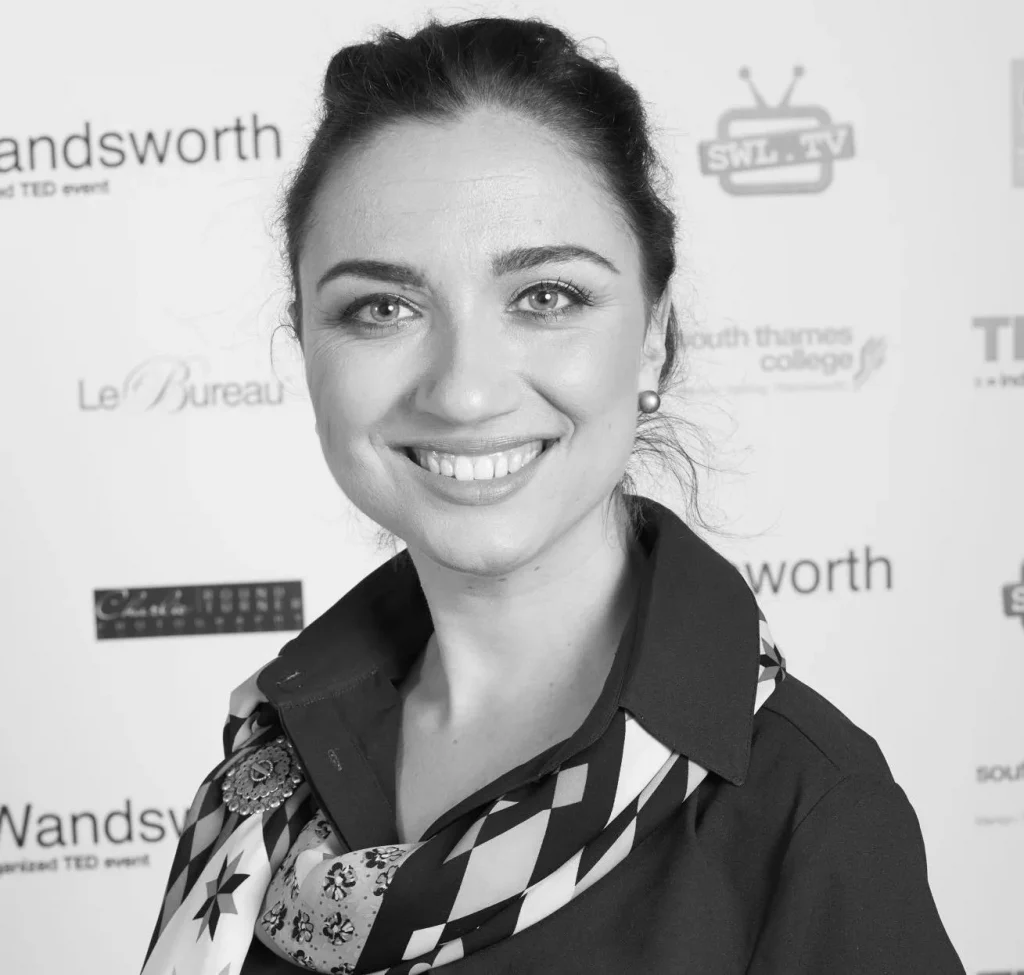
Anastasia Dedyukhina
Coach, TEDx speaker, book author and founder of
Consciously Digital
Organiser of the first mindful tech, art and digital detox festival – Focus Inside
Anastasia Dedyukhina will be joining us for this year’s HR Vision Amsterdam, 6-7 June 2018. Not only is Anastasia providing a workshop on ‘How to Have a More Productive and Focused Workforce in the Internet Age’ but she will also be offering 1-2-1 life coaching on the relationship with technology, being more focused, productive and thinking creatively in spite of digital distractions.
You seem to be pretty geared up in understanding the technological impact in society. What are your thoughts on how digital technology and information is influencing how we as humans function?
It changes everything – how we think, memorize, take decisions, create, interact with other people, how we treat our bodies. We didn’t have much time to understand the impact, as technology is evolving so fast, and we’re taking tech progress for granted. But we should not. Some of the things tech is bringing us are very beneficial – for example, an opportunity to connect with anyone, or work from a remote location. But there are also lots of drawbacks – we feel overwhelmed with too much information, we become less productive due to digital distractions, we outsource more and more of our abilities to the machines. This has a cost, and as technology is developing further, it’s essential that we have a conversation about what differs us from the machines, and how we can organize the work process to maximize our human abilities, and not act as computers.
What are some of the current challenges or opportunities that HR Managers are facing, that could potentially affect overall employee performance?
First, flexible working and the “always on” culture. Because of technology, people now work longer hours than ever, but they are hardly productive (in fact, research shows that working for more than 50 hours a week doesn’t add anything to your productivity). Most of us read work-related emails at home, and often first thing in the morning. Scientists know that even the mere expectation of an email can increase the stress levels. How can we make sure that employees have an opportunity to work flexibly, but also aren’t kept on the digital leash?
Second, productivity and focus in the digital age. Digital distractions primarily are caused by using collaboration tools that are supposed to help us be more productive – and we can lose up to 40% of our productive time when we are distracted.
Third, how are we different from the machines? What does this mean in the age of artificial intelligence, when robots will be able to do most of the jobs we do now? How do we develop creativity? Why machines can multitask and we cannot, and how do we make sure that in spite of tech design that encourages us to multitask, we manage to focus on one task a time?
Something interesting we’ve seen is the ‘Digital Detox’. What can we as individuals benefit from it?
I don’t particularly like the term ‘digital detox’. I think it’s healthy to take a break from tech once in a while, but this is clearly not a solution. I prefer to talk about tech life balance, or a digital diet. When we eat, we need time to consume food, and time to digest it. The same should happen with technology – when we re-establish time or space boundaries technology removed in our lives, we give ourselves an opportunity to “digest” information, be more focused and creative, to recharge our batteries.
Is it (Digital Detox) something possibly worth considering for companies?
Definitely elements of digital diet are healthy. Some companies, for example, limit the time when their employees receive or send emails (some block access to emails 30 minutes after the work shift has ended, others delete emails sent to employees on holidays etc). It’s definitely healthy to encourage employees to have lunch outside of their desks (it’s proven to help more with digestion), as well as move more (sedentary lifestyle connected to tech overuse is the cause of lots of complex illnesses).
Looking into the future, how do you see the role of the HR professional changing over the next 12 months?
In the next 1-2 years definitely more and more HR professionals will have to look at how people work with information, what are the main drivers of productivity, and how they can encourage people to adopt new technologies in a mindful, conscious way. As more and more companies transition to digital, employees are simply given the new tools to work with, but nobody assesses how their creativity or productivity or health gets impacted by using so many tools and dealing with so much info. This is an area where HR professionals will have the most opportunities to make an impact.
Find out more at HR Vision Amsterdam where we will explore, how tech is changing us and how we can better manage it. Anastasia will tackle habit forming design and explore the question of why we find our devices so irresistible. During the session participants will discover how tech is changing our reward systems, challenges our attention, impacts memory and decision-making. The 4 key principles to put back control into place will be discussed and attendees will leave the workshop with best practise ideas for using tech mindfully.
Despite HR being a human-centric discipline, technology is rapidly evolving the conventions of good practice. We have put together a free 11 page e-book which includes:
– NASA’s perspective on the rise of the bots
– ‘Getting social’ with Deutsche Telecom
– Karen Brown at Baker McKenzie address humanised technology
– The concept of human robotic partnership