Maternity leave is an important benefit that allows employees to take time off when they have a baby or adopt a child, without worrying about losing their job or income. It helps mothers stay healthy and bond with their child. However, in recent years, fewer companies have been offering paid maternity leave. In fact, the number of organizations providing paid maternity leave dropped from 53% in 2020 to just 35% in 2022.
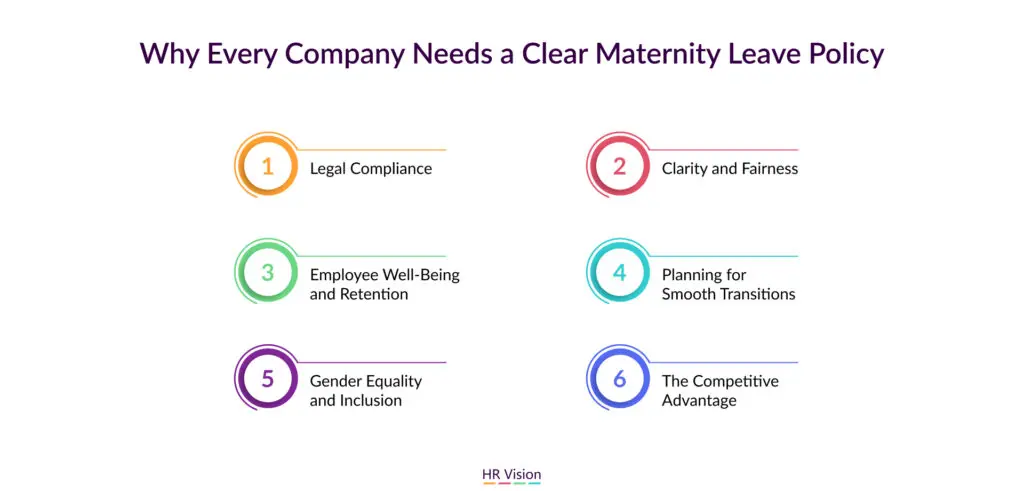
Having a clear maternity leave policy is essential for both employees and companies. It helps employees know their rights and what to expect, while also allowing businesses to plan for smooth transitions.
- Legal Compliance
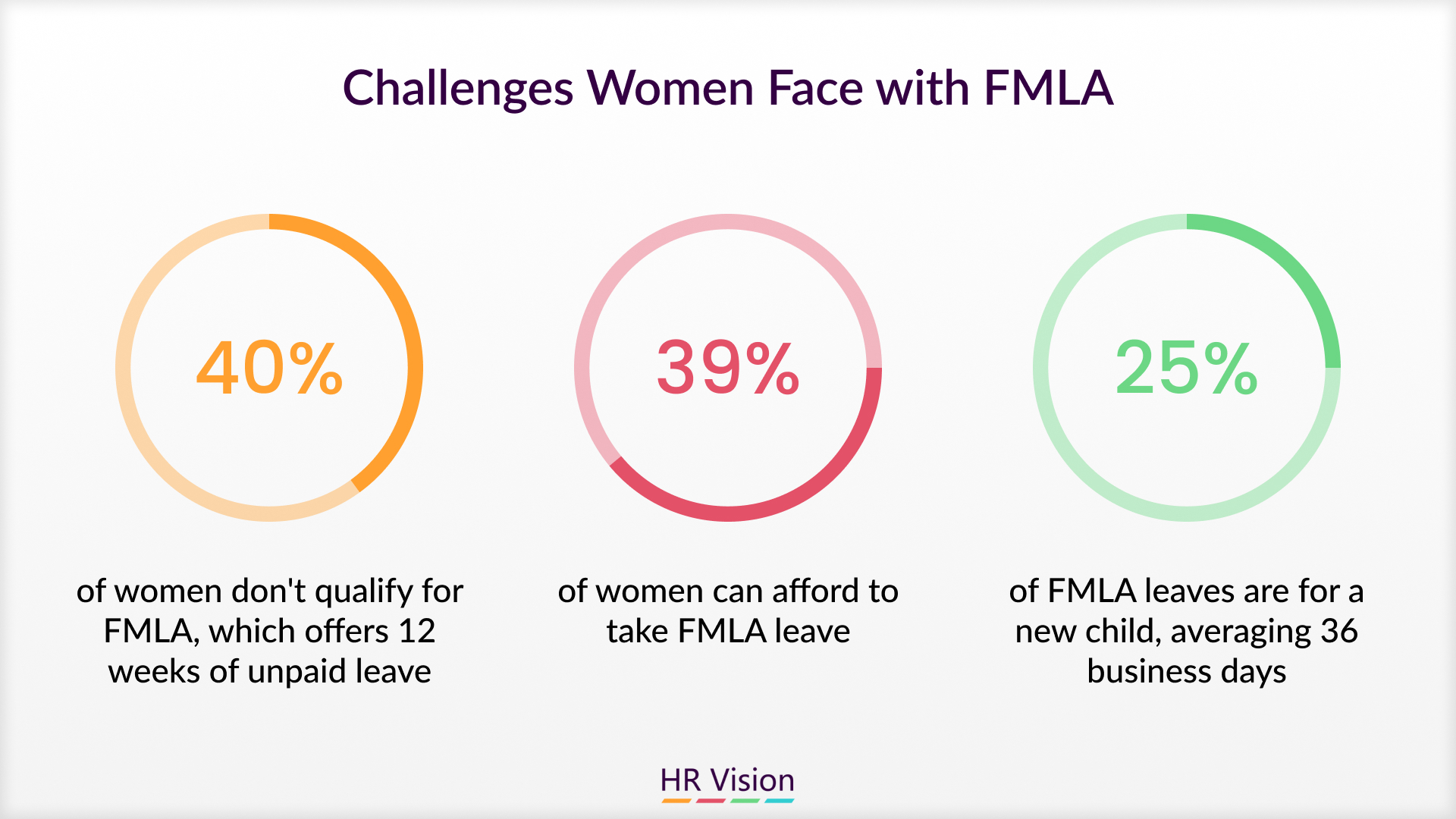
Maternity leave laws are in place to protect employees’ rights when they take time off for the birth or adoption of a child. In many countries, including the United States, there are specific laws that require companies to provide maternity leave. For example, the Family and Medical Leave Act (FMLA) in the U.S. requires eligible employees to take up to 12 weeks of unpaid leave for the birth of a child. Other countries have their own laws with different requirements, such as paid leave, varying leave lengths, or job protection.
Failing to follow these laws can lead to serious consequences. Companies that don’t comply with maternity leave laws may face legal action from employees, financial penalties, or damage to their reputation. This can result in costly lawsuits, loss of employee trust, and negative publicity.
It’s also crucial for companies to keep their maternity leave policies up to date with changing laws. Laws related to maternity leave can evolve, so businesses must regularly review and update their policies to stay compliant. This helps avoid legal trouble and ensures that employees are receiving the benefits they are entitled to.
- Employee Well-Being and Retention
A clear maternity leave policy is crucial for supporting employees’ health and well-being during and after pregnancy. Research shows that women who take paid maternity leave experience a 47% decrease in the odds of infant and maternal re-hospitalization. This highlights the health benefits of allowing new parents the time they need to recover and care for their child. Additionally, a maternity leave of 25 weeks or more is linked to lower child mortality rates and better mental health for mothers. By offering adequate leave, companies can help ensure that their employees are healthier and better able to balance their personal and professional lives.
Maternity leave also plays a key role in employee retention. When employees feel supported during a major life event like having a baby, they are more likely to remain loyal to the company. A clear maternity leave policy shows employees that the company values their well-being, which can help reduce turnover rates. Employees are less likely to leave for companies that offer more family-friendly benefits, saving the organization the costs associated with hiring and training new staff.
Moreover, a supportive maternity leave policy boosts employee satisfaction and morale. When employees know their company cares about their family life, it creates a sense of trust and appreciation, leading to higher job satisfaction. A positive workplace culture like this encourages employees to stay longer, reducing turnover and fostering a more engaged workforce.
- Gender Equality and Inclusion
Clear maternity leave policies are an important step toward achieving gender equality in the workplace. When companies offer maternity leave, it helps level the playing field for women, allowing them to balance their career and family responsibilities. Without a clear policy, women might face unfair challenges in the workplace, like the fear of losing their job or being passed over for promotions. A clear policy ensures that all employees, regardless of gender, are treated fairly and have the support they need during key life events.
Maternity leave also plays a key role in diversity and inclusion efforts. By offering maternity leave, companies show that they are committed to supporting all employees, including women, and are actively working to create an inclusive environment. This is especially important as companies strive to ensure equal opportunities for people of all genders. Without proper maternity leave, businesses may inadvertently exclude women from leadership roles or career advancement, which can harm their diversity and inclusion goals.
Finally, providing a clear maternity leave policy encourages more women in leadership roles and helps create a family-friendly culture. When women are supported in their roles as mothers, they are more likely to stay in the workforce and pursue career growth. By fostering a culture where family life is respected and supported, companies can attract and retain talented women in leadership positions, which benefits the organization as a whole
- Clarity and Fairness
Having a clear and transparent maternity leave policy is essential for preventing confusion and inconsistency. When employees know exactly what to expect, it reduces misunderstandings about their rights and the process for taking leave. A clear policy ensures that all employees, regardless of their position or seniority, are treated the same way, making the process fair and easy to follow. In fact, 94% of OECD countries have parental leave policies, highlighting the importance of providing clear and equitable leave options for all employees.
Fairness is key when it comes to maternity leave. A well-defined policy ensures that all employees are treated equally, no matter their role within the company or how long they’ve been employed. This prevents any favoritism or unequal treatment, making sure everyone has access to the same benefits. It also helps avoid situations where some employees might feel they’re being treated unfairly because they’re not sure what the policy covers.
Communication is a big part of ensuring clarity and fairness. It’s important for companies to clearly explain the maternity leave policy to all employees, so they understand their rights and the steps they need to take to request leave. By keeping employees informed, companies can avoid confusion and ensure that the process is smooth and straightforward for everyone.
- Planning for Smooth Transitions
Ensuring business continuity during maternity leave is essential for maintaining productivity and preventing disruptions. When an employee takes maternity leave, companies need to prepare for their absence by planning how to handle their workload. A clear maternity leave policy helps ensure that the company can redistribute tasks, assign temporary replacements, or adjust roles without affecting overall operations. This way, business goals and deadlines are still met, and the employee’s absence won’t cause unnecessary stress for the team.
A well-defined policy also supports transition planning for both the employee and the team. Employees can know in advance what to expect and how their duties will be covered, while managers can plan for temporary replacements or adjust the team’s workload. Clear communication and preparation help avoid confusion or gaps in work. By setting expectations for both the employee and the team, the company ensures a smooth handover before the leave and a seamless return when the employee comes back.
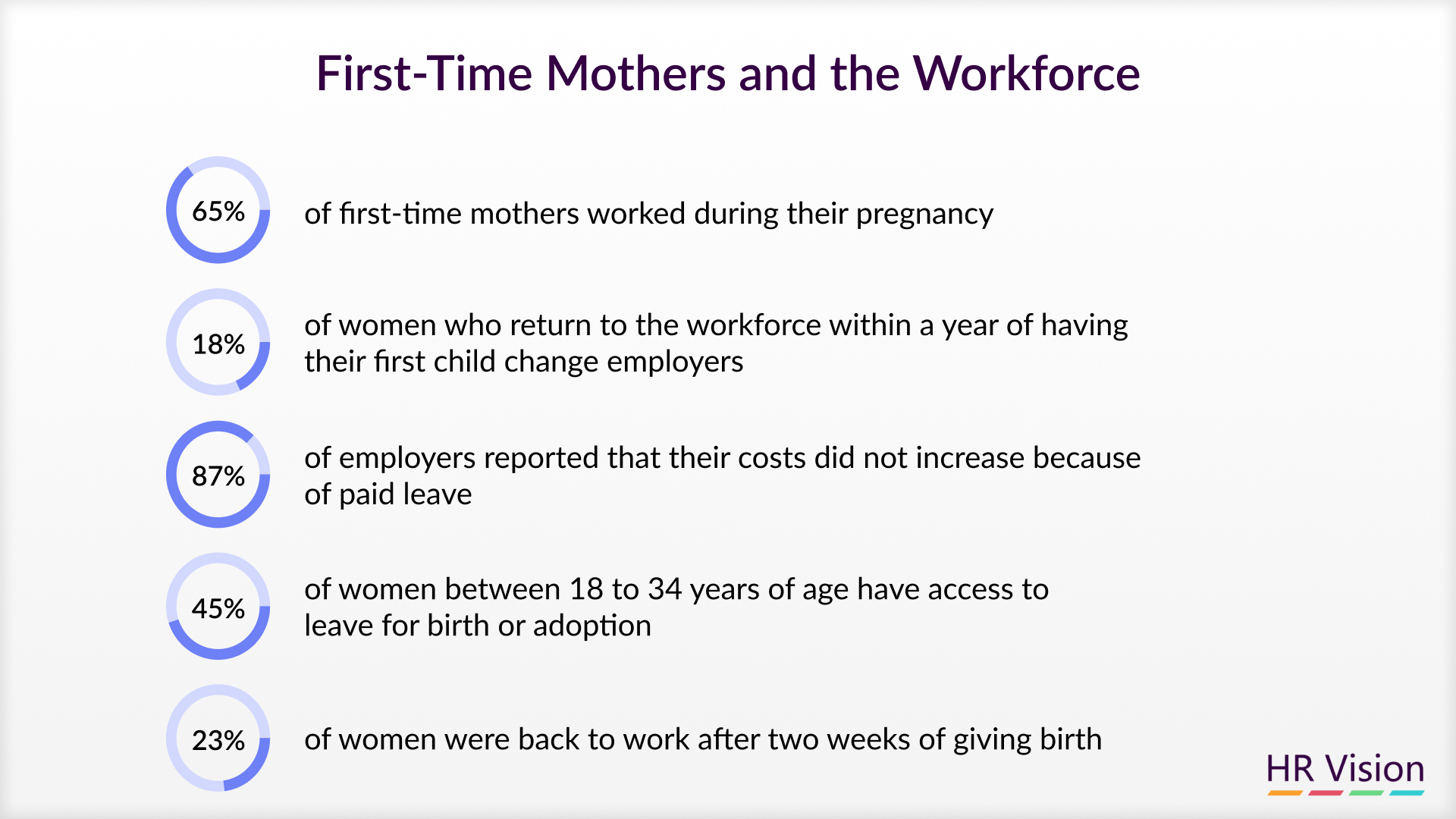
In fact, more extended maternity leave policies increase the likelihood of women returning to work after giving birth and having additional children. Women who have paid maternity leave are more likely to stay in the workforce. On the other hand, women without paid maternity leave are more likely to drop out of the workforce altogether. This highlights the importance of a supportive leave policy in encouraging women to remain employed and continue their careers after starting a family.
After maternity leave, providing post-leave support is crucial for a smooth transition back to work. This can include options like phased reintegration, where the employee gradually returns to their full workload, or offering flexible work arrangements such as part-time hours, remote work, or adjusted schedules. These options can help the employee balance their new responsibilities at home and work, making it easier for them to rejoin the workforce with less stress.
- The Competitive Advantage
A strong maternity leave policy can give a company a significant edge in attracting top talent. In today’s job market, many employees, especially women, look for companies that offer family-friendly benefits, like paid maternity leave. When a company offers a generous and clear maternity leave policy, it can stand out from its competitors and attract the best candidates. This is especially important in industries where competition for skilled workers is high.
A clear maternity leave policy also demonstrates a company’s commitment to work-life balance and employee-centric values. It shows that the company understands and supports employees’ personal lives and is dedicated to helping them balance family and career. Companies that prioritize work-life balance create a positive work environment that employees appreciate, which can lead to higher retention rates and greater employee loyalty.
Moreover, a well-crafted maternity leave policy has a long-term impact on company reputation and employer branding. Companies known for their family-friendly policies often enjoy a strong public image, which can enhance their brand and make them more attractive to potential employees. A positive reputation can also help the company build stronger relationships with customers and clients, as people often prefer to support businesses that treat their employees well.
Conclusion
In conclusion, a clear maternity leave policy is essential for several reasons. It helps ensure legal compliance, supports employee well-being, and promotes gender equality in the workplace. A strong policy also improves employee retention by fostering loyalty, boosts morale, and contributes to a positive company culture. Furthermore, it ensures smooth transitions during maternity leave and offers post-leave support to help employees return to work with ease.
For businesses, a clear maternity leave policy can be a competitive advantage, attracting top talent and enhancing the company’s reputation. It demonstrates a commitment to work-life balance and can have a long-term positive impact on employer branding.
Now is the time for businesses to evaluate their maternity leave policies. By improving these policies, companies not only support their employees but also drive their own success by building a happier, more loyal, and more productive workforce.
Want to learn more about how maternity leave policies and other employee benefits are shaping the future of work? Join us at HR Vision for two days of engaging discussions with top HR leaders.