
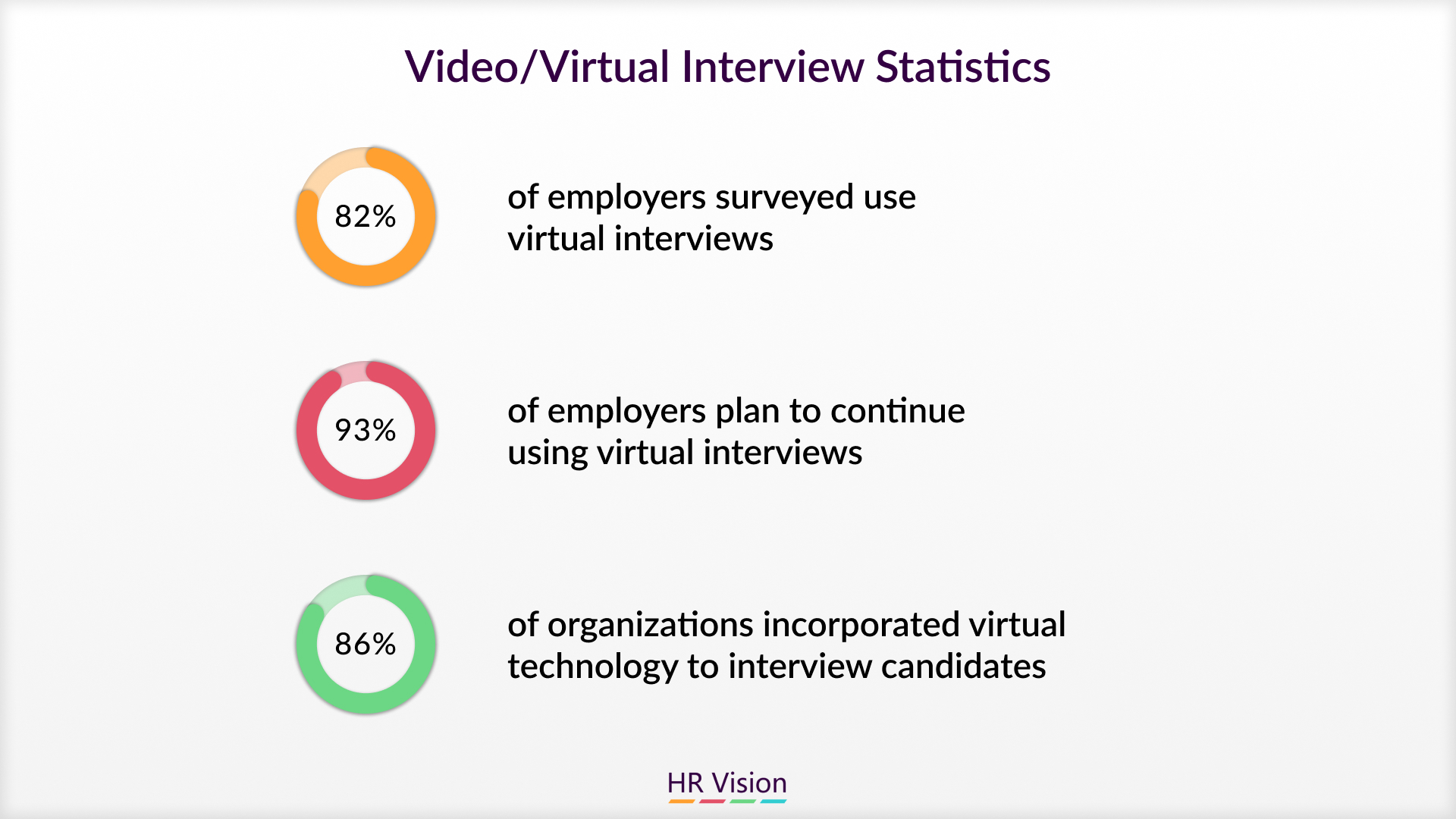
The landscape of recruitment has undergone a dramatic shift in recent years. Fueled by the global pandemic and the increasing adoption of technology, video interviews have become the norm, with a staggering 82% of employers surveyed by Indeed utilizing virtual platforms to assess candidates. This trend shows no signs of slowing down, with 93% of employers planning to continue using video interviews and a significant 86% of organizations incorporating this technology into their standard hiring practices.While video interviews offer a multitude of benefits – convenience, cost-effectiveness, and wider talent pool access – they also present unique challenges. Assessing a candidate’s cultural fit and soft skills can be more difficult in a virtual setting.
1. First Impressions Matter, Virtually
Video interviews offer a fantastic opportunity to connect with candidates remotely. However, unlike traditional in-person settings, you have less control over the environment. To ensure a smooth and successful interview, taking some pre-interview preparation steps is crucial. By setting the stage virtually, you can create a professional atmosphere that allows you to focus on what truly matters – identifying top talent.
Here are three key steps to take before every video interview:
- Craft Your Professional Space
Choose a quiet, well-lit location free from distractions. A clean background – a blank wall or a tasteful bookcase – projects a professional image. Avoid busy backgrounds or cluttered rooms that might draw the candidate’s attention away from the conversation.
- Tech Check, One, Two
Technology can be a double-edged sword. Ensure your video conferencing software is up-to-date and you’re familiar with its features. Test your microphone and camera beforehand to avoid any technical glitches during the interview. A good quality headset can significantly improve audio quality. Remember, a seamless virtual experience reflects positively on your organization.
- Tailor Your Questions, Sharpen Your Focus
Preparation is key to a successful interview. Don’t rely on generic questions. Take time to review the candidate’s resume and cover letter. Craft insightful questions specifically tailored to the role and the candidate’s experience. This demonstrates your attentiveness and allows you to delve deeper into their qualifications.
2. Go Beyond the Resume (Uncover the Full Picture)
A resume provides a snapshot of a candidate’s skills and experience. But to truly understand their potential, you need to dig deeper.
People are naturally drawn to stories. Encourage candidates to share specific examples from their past that demonstrate the skills and qualities you’re seeking. This allows you to assess their:
Problem-Solving Skills: How did they analyze the situation? What creative solutions did they develop?
Communication Skills: Can they clearly articulate their thought process and the steps they took?
Adaptability: How did they adjust their approach when faced with unexpected challenges?
Don’t settle for surface-level answers. Follow-up questions are your secret weapon to uncover a candidate’s true motivations and thought processes. By digging deeper, you gain a better understanding of what drives them, how they weigh options, and how they make choices under pressure.
3. Read Body Language and Nonverbal Cues (Look Beyond Words)
While words are powerful, a significant portion of communication happens nonverbally. In a video interview setting, where physical proximity is limited, deciphering nonverbal cues becomes even more crucial. A candidate’s words are important, but nonverbal communication can often reveal even more.
Nonverbal cues speak volumes, especially during a video interview. Focus on these three key areas:
- Eye Contact: Strong eye contact indicates attentiveness and interest.
- Posture: A straight posture conveys confidence, while fidgeting or slumping can suggest nervousness or disengagement.
- Facial Expressions: These reveal emotions ranging from genuine enthusiasm to boredom or discomfort.
Remember, cultural norms can influence these nonverbal cues.
While nonverbal cues can be a valuable tool, it’s important to avoid jumping to conclusions. Consider the context of the conversation and the candidate’s cultural background. However, by reading body language and nonverbal cues effectively, you can gain a deeper understanding of a candidate’s true feelings and motivations. This additional layer of insight can help you identify individuals who are not only qualified but also genuinely excited about the opportunity to join your team
4. Evaluate Cultural Fit and Soft Skills
A strong team is built on more than just technical skills. To ensure a successful hire, you need to evaluate a candidate’s cultural fit and soft skills – the interpersonal abilities that contribute to a positive and productive work environment.
Design questions that go beyond simple “yes or no” answers. Utilize behavioral interviewing techniques to assess collaboration, adaptability, and communication skills. For example, instead of asking “Do you work well in a team?“, ask “Tell me about a time you had to collaborate with a difficult team member. What was your approach?“
Discuss your company culture and values openly. This allows you to assess if the candidate’s work style and personality align with your team environment. Look for a candidate who expresses enthusiasm for your company’s mission and demonstrates values that complement your existing team dynamic.
Think beyond the traditional interview format. Consider incorporating short virtual work simulations or case studies. This allows you to observe the candidate’s problem-solving skills and teamwork abilities in a practical setting that mimics the realities of remote work.
Finding a candidate whose values and work style align with your company culture fosters a sense of belonging and increases the likelihood of long-term success. A well-functioning virtual team thrives on open communication, mutual respect, and a shared commitment to achieving goals.
5. Behavioral Interviewing (Focus on Past Performance)
Resumes showcase a candidate’s qualifications, but past behavior is often the strongest predictor of future success. This is where behavioral interviewing techniques come to the forefront. By asking targeted questions structured around the STAR method (Situation, Task, Action, Result), you gain valuable insights into a candidate’s problem-solving abilities, decision-making skills, and capacity to achieve results.
Remember, the STAR method is a flexible framework. Adapt your questions to target the specific skills and experience required for the position you’re filling. This ensures you gather the most relevant information and gain a comprehensive understanding of the candidate’s capabilities.
6. Standardize the Process
In the competitive world of talent acquisition, consistency is key. Standardizing your video interview process ensures fairness for all candidates and allows you to make objective hiring decisions.
Develop a consistent interview format and question set for all candidates applying for the same role. This ensures everyone has a fair opportunity to showcase their qualifications. Consider incorporating a panel interview approach. This allows you to gather diverse perspectives from different members of your team. A panel with a mix of roles and experience levels can provide valuable insights into a candidate’s suitability for the position and how they would integrate into the team dynamic.
Establish a clear scoring rubric to evaluate candidates objectively. The rubric should be based on the pre-determined criteria and competencies required for the role. This ensures all interviewers are assessing candidates based on the same standards and minimizes bias in the evaluation process.
7. Maintain Positive Candidate Experience
A positive candidate experience is essential for building a strong employer brand and attracting top talent. Don’t underestimate the power of a well-crafted follow-up after a video interview. Leaving candidates in the dark after an interview reflects poorly on your organization. Make a point of communicating with all applicants promptly after the interview, regardless of the outcome.
For unsuccessful candidates, consider offering constructive feedback if appropriate. This demonstrates your professionalism and allows them to learn and improve for future opportunities. However, ensure the feedback is specific and actionable, focusing on areas for development without revealing confidential information about other candidates.
Conclusion
The rise of video interviewing has transformed the recruitment landscape. While it presents unique challenges compared to traditional in-person settings, mastering video interviewing techniques offers significant advantages. Video interviewing, when conducted effectively, offers a convenient and efficient way to connect with a wider pool of qualified candidates, regardless of location.
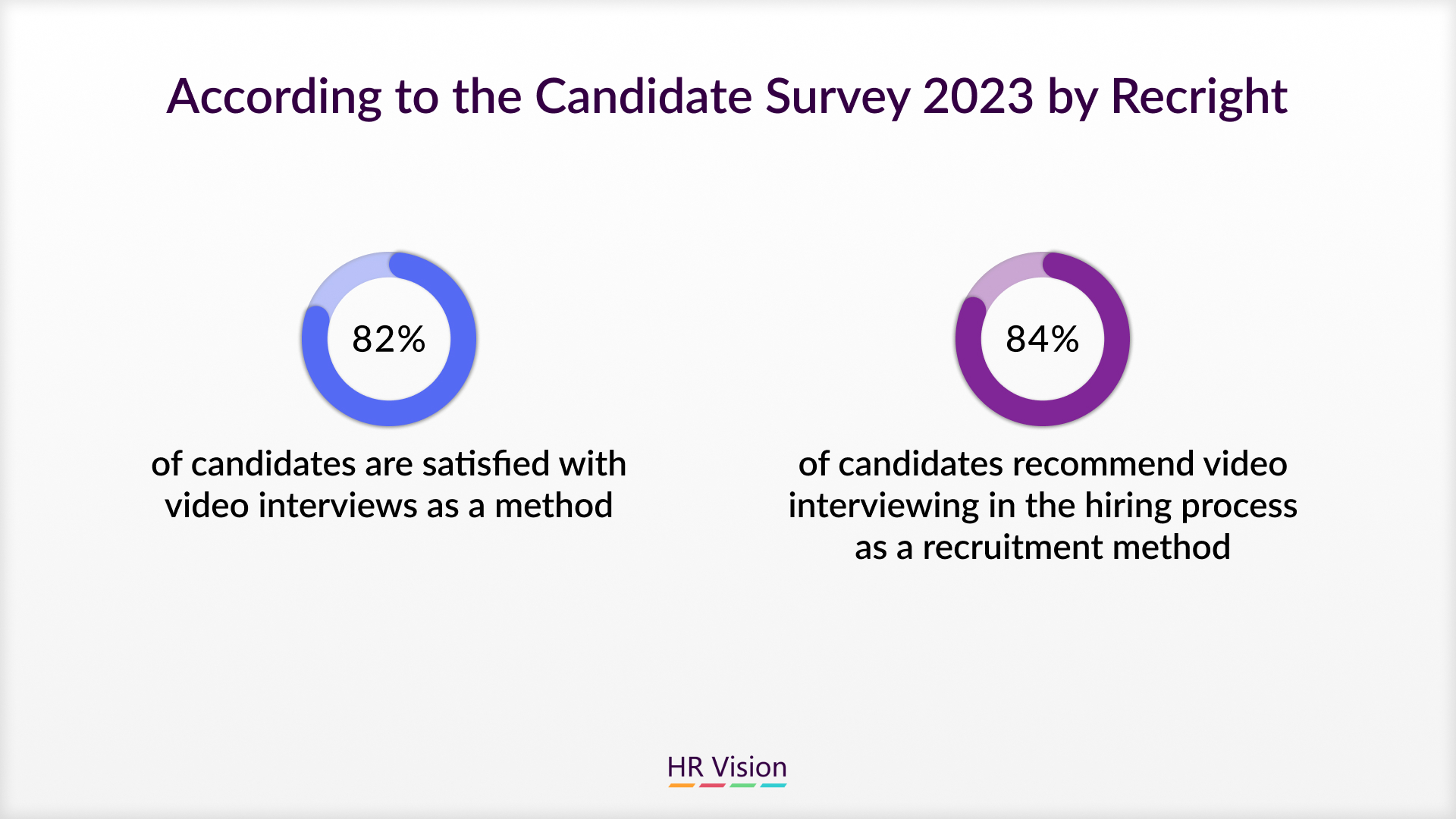
According to Recright’s Candidate Survey 2023, a staggering 82.4% of candidates expressed satisfaction with video interviews. Furthermore, a significant 84% of candidates endorsed video interviewing as a preferred recruitment method. These statistics highlight the growing acceptance and positive perception of video interviews among job seekers.
Remember, mastering video interviewing techniques is an investment in your organization’s future. By effectively utilizing this valuable tool, you can build a high-performing team equipped with the skills and cultural fit to propel your company toward continued success.
Want to delve deeper into video interviewing techniques and explore the latest trends in HR? Join us at HR Vision! This two-day conference brings together top HR leaders to discuss the future of work, talent management, and leadership strategies.