

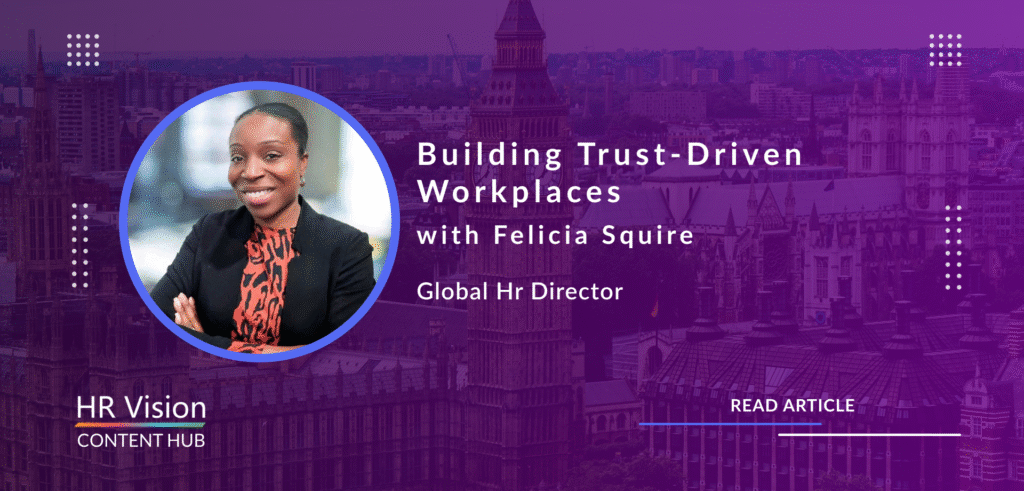
- As a strategic, people-focused HR leader, how do you balance business priorities with employee well-being in challenging times?
I believe it shouldn’t be a choice between business priorities and employee well-being the two are interdependent. In challenging times, I focus on transparent communication and involving employees in solutions, so they understand the ‘why’ behind decisions. I also champion flexibility and well-being initiatives that sustain performance without burning people out. These things don’t require big financial spend on well-being initiatives, but a culture of trust and inclusivity. When employees feel valued and supported, they deliver better outcomes, which ultimately protects business priorities.
- With your passion for exceptional talent management, what is the most effective way to identify and nurture future leaders?
The most effective way is to look beyond technical performance and identify those who demonstrate curiosity, resilience, and the ability to inspire others. Once identified, I focus on giving them stretch opportunities, real-time feedback, and access to mentors. Future leaders don’t just need training; they need space to grow, make mistakes, build confidence in their leadership style, as well as space to just pause and reflect. There is great power in slowing down the pace and reflecting in order to move forward, and move forward better.
- You have extensive experience in leadership development. What skills should leaders be focusing on to stay relevant in the next five years?
The top skills I think will be adaptability, emotional intelligence, and digital fluency. Adaptability ensures leaders can pivot in uncertain times, as uncertainty is the new normal; emotional intelligence is critical for leading diverse and distributed teams, and digital fluency helps leaders leverage data and technology to make people and business decisions. Above all, leaders must cultivate a learning mindset the ability to continually learn, and being honest, unlearn some behaviours and mindsets.
- Having led business transformation initiatives, what role should HR play in ensuring change is embraced at all levels?
HR should act as both the architect and the translator of change. We design people-centred strategies that align with the transformation, but we also translate what change means for different groups in the business. That involves listening, co-creating solutions with employees, and equipping leaders with the tools to lead through uncertainty. Change is embraced when it feels inclusive and meaningful, not imposed. There is great power when people understand the why, they may not always agree with it but transparency is key.
- You specialize in building high-performing teams. What are the first three steps you take to turn an average team into a great one?
I think this differs from team to team, especially working in global organisations I don’t believe there is always a one-size-fits-all all. The method I’ve used in the past is:
Firstly, create clarity; making sure everyone understands the vision, goals, and how their contribution matters. Taking teams alongside the journey.
Step two is trust — creating a safe environment where people feel heard and valued. Step three is accountability — setting high standards and ensuring follow-through. When teams have clarity, trust, and accountability, performance and collaboration accelerate quickly.”
- As someone who develops high-potential employees, what’s one mistake companies make when creating succession plans?
Where succession planning often goes wrong is when it’s treated as an annual exercise, creating a static list of names rather than a dynamic process. Companies focus too much on replacing current leaders instead of developing a pipeline for future, unknown challenges. Succession planning should also feed into organisational effectiveness, identifying the skills needed for the future and where the gaps lie. Effective succession planning is dynamic, inclusive, and integrated with business strategy and not a tick-box exercise.
- With your track record in leadership coaching, how can HR help leaders adapt their style to different generations in the workplace?
HR can coach leaders to move away from stereotypes and instead focus on individual needs and motivators. For example, a Gen Z employee may want rapid feedback, while a millennial employee may value autonomy. Leaders should flex their style, sometimes being a coach, other times a mentor, and occasionally a sponsor. The key is teaching leaders to listen and adapt their approach to bring out the best in each generation.
- Your work focuses on both performance and culture. How can HR address underperformance without damaging morale?
Underperformance should never be ignored. I actually think it’s cruel to let an employee believe they’re doing a good job when their manager won’t give honest feedback because it feels uncomfortable. It should always be handled in a respectful, direct, and kind way, and these can co-exist. Directness is setting clear expectations and outlining consequences. Kindness is providing regular feedback, praising good work, and offering support to help them succeed. Ignoring performance issues sends the wrong message to the rest of the team and contradicts any organisation striving for growth or high performance.
Ready to stay ahead in the ever-changing world of HR? Join us at HR Vision, where top HR leaders gather to explore the future of work, HR trends, and the power of HR analytics and technology.


