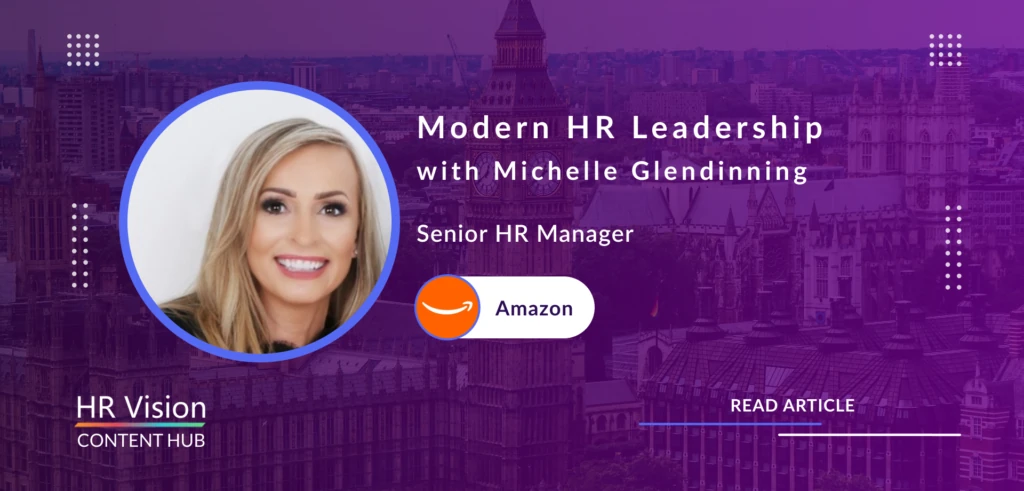
- You’ve spent over 20 years in HR, much of it at a global level. When you look back, what has changed most in how HR leaders are expected to show up today?
When I started in HR in 2003, the expectations of our role were fundamentally different. I was a Personnel Manager, and our focus was protecting the business and managing compliance rather than investing in people and thinking about their experience at work. We dealt with the end result rather than the root cause of what drives behaviours at work.
Today, HR leaders are expected to show up very differently. We’re strategic partners who balance business needs with genuine people investment. We’re expected to be visible, accessible, and proactive — coaching leaders through complex situations, anticipating workforce challenges before they escalate, and creating environments where people can thrive. Modern HR leadership means having the courage to challenge decisions that don’t align with our values, the credibility to influence at executive level, and the empathy to understand what truly drives performance and engagement.
- You’ve built and led high-performing HR teams globally. What do strong HR teams do differently from average ones?
A strong HR team needs genuine passion for making a difference, not just showing up for a paycheck. Yes, we all work for money — but I look for people who truly care and strive to be better, even if it’s just 1% better each day. Those incremental improvements add up. The average ones don’t care as much, and that shows.
- In periods of constant change, how can HR leaders protect performance without pushing people into burnout?
We need to stop branding change as a single event — it never is. We now have to react quicker than ever, but we need to bring balance. You know your people, and sometimes they just need to let them take some time back: go for a walk, pick their kids up, or step away from the office to recharge when it gets a bit much. We need to recognise we’re human. Change feels uncomfortable, but if your people know you care about them by listening and recognising when they need to take some time back, their ability to change increases because they trust your intent — even when it impacts them.
- Leading through transformation requires trust. How can HR leaders build credibility quickly in new or changing organisations?
Whenever I join a new team or business, I prioritise listening to them and their concerns. I let them ask me questions so they get to know me — I talk about my values, what drives me, and why I’m there. Then I take the time to understand what makes them tick and what’s important to them.
Building rapport quickly comes from showing you care and being honest.
When stakeholders know you see them as individuals, not just resources, trust follows naturally.
- You’ve shaped future-ready talent pipelines. What skills should HR leaders be prioritising now that weren’t as critical five years ago?
Learning agility is essential — I look for people who are naturally curious. That doesn’t mean they need a CIPD qualification; they need the right competencies and attributes: drive, passion, resilience, and emotional intelligence. These are qualities that matter more than credentials, because we all need to buckle our seatbelts as the pace of change is accelerating.
Those who will fare well are those who embrace change and learn how it can help them. Some of the best and most talented members of my team are people I’ve found in entry-level roles with no formal qualifications. They’re all driven, emotionally intelligent, curious individuals. Skills can be taught; mindset is harder to develop.
- As organisations scale, HR often becomes more complex. How do you keep HR human while still operating at scale?
I always put people experience at the heart of all my decisions. I ask myself: how would I feel in this situation? How would I feel if a business was treating a member of my family this way? That perspective always ensures you do the right thing, even when tough decisions are needed.
- If you could give one piece of advice to HR leaders navigating transformation right now, what would you tell them to focus on first?
Break it down step by step — don’t try to boil the ocean. Keep it simple. Make sure your communication is so clear everyone knows what you mean. Bring people in early so they feel part of the change. Often, we try to come up with all the ideas ourselves, but your people are often thinking the same things. If it’s their idea, they’ll own it.
Ready to stay ahead in the ever-changing world of HR? Join us at HR Vision, where top HR leaders gather to explore the future of work, HR trends, and the power of HR analytics and technology.