The world of work is undergoing a digital revolution, and the HR department is no exception. Gone are the days of paper-based filing systems and manual processes. Today’s HR landscape is brimming with innovative technologies that streamline tasks, improve efficiency, and enhance the employee experience.
This shift has fundamentally reshaped the role of HR professionals. While core HR principles remain essential, success now hinges on the ability to leverage technology effectively. HR professionals who embrace HR tech skills are not just keeping up with the times, they’re becoming strategic partners within the organization, driving data-driven decision-making and fostering a culture of innovation.
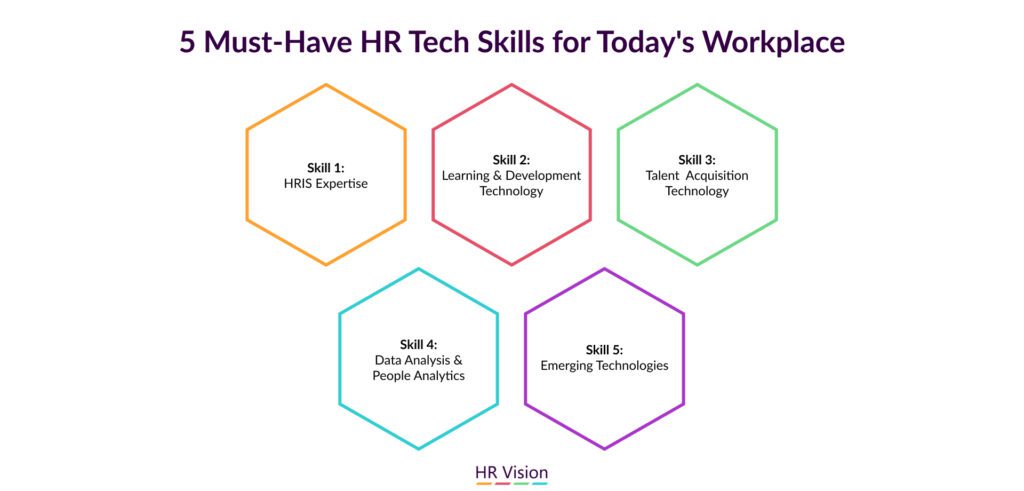
Skill 1: HRIS Expertise
The foundation of any HR tech skillset is a deep understanding of the Human Resource Information System (HRIS). An HRIS acts as the central nervous system of your HR department, storing and managing a wealth of employee data. This information can range from basic demographics and contact details to payroll information, benefits selections, and performance reviews.
Beyond data storage, an HRIS offers a suite of functionalities that streamline core HR processes. Imagine a world where payroll is automatically calculated, benefits enrollment is a breeze, and performance reviews are completed electronically – that’s the power of HRIS. The system can manage tasks like:
- Payroll Processing: Ensuring accurate and timely payments to your employees.
- Benefits Administration: Simplifying enrollment and management of health insurance, retirement plans, and other benefits programs.
- Performance Management: Facilitating performance reviews, goal setting, and feedback mechanisms.
- Time and Attendance Tracking: Streamlining the process of recording employee work hours and leave requests.
Proficiency in navigating and utilizing an HRIS effectively is critical for every HR professional. Not only will you become a more efficient operator, but you’ll also be able to provide better support to managers and employees who rely on the system for daily tasks.
The ROI of HRIS Expertise
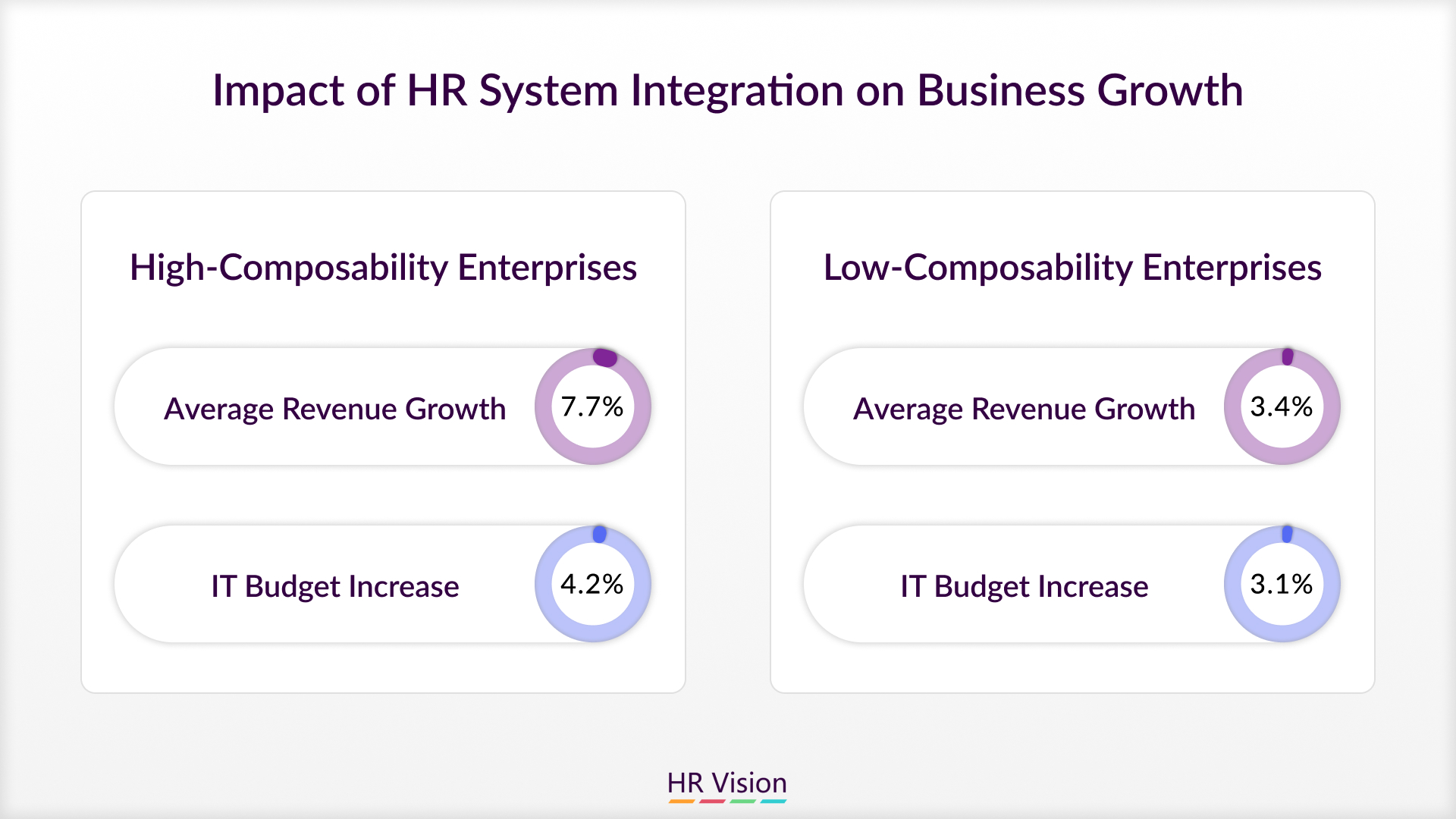
The impact of a well-integrated HRIS extends beyond streamlined processes. Studies have shown a significant correlation between HRIS proficiency and business growth. In 2022, high-composability enterprises (organizations that effectively integrate their HR systems) anticipated an average revenue growth of 7.7% and an IT budget increase of 4.2%. In contrast, low-composability enterprises expected a revenue growth of only 3.4% and an IT budget increase of 3.1%. This statistic underscores the financial impact of HRIS integration in an enterprise.
Skill 2: Learning & Development Technology
The traditional classroom setting for employee training is rapidly evolving. Today, eLearning platforms and Learning Management Systems (LMS) are revolutionizing the way organizations deliver training and development opportunities to their workforce. These platforms offer a dynamic and engaging learning experience, allowing employees to learn at their own pace and convenience.
The rise of eLearning technology offers a multitude of benefits for HR professionals:
- Consistent Training Delivery: LMS platforms ensure that all employees receive the same high-quality training, regardless of location or department. This consistency minimizes the risk of knowledge gaps and ensures compliance with industry regulations.
- Scalability & Flexibility: eLearning allows you to easily scale training programs to accommodate a growing workforce or launch new training initiatives without logistical constraints. Employees can access training modules on-demand, making learning flexible and accessible.
- Cost-Effectiveness: Compared to traditional in-person training methods, eLearning can be significantly more cost-effective. Reduced travel and venue expenses, combined with the reusability of eLearning modules, contribute to substantial cost savings.
- Engaging Learning Experience: Modern eLearning platforms offer interactive features, gamification elements, and multimedia content to create a more engaging and immersive learning experience for employees. This can significantly improve knowledge retention and motivation compared to traditional training methods.
Statistics further solidify the value of eLearning technology. According to a study, 78% of learning leader organizations (companies that prioritize employee development) utilize a Learning Management System, compared to only 68% of learning laggards. This data highlights the correlation between implementing eLearning solutions and being a leader in employee development.
However, simply selecting an eLearning platform is not enough. HR professionals need to be familiar with the features and functionalities of different LMS options to choose the right platform that aligns with the organization’s specific needs and budget. Additionally, managing and maintaining an eLearning program requires ongoing effort. This includes creating or curating high-quality training content, monitoring learner progress, and evaluating the effectiveness of the program.
Skill 3: Talent Acquisition Technology
The landscape of recruitment has undergone a dramatic transformation with the rise of Applicant Tracking Systems (ATS). These powerful platforms have become the gatekeepers of the hiring process, electronically receiving, sorting, and filtering candidate applications. In today’s competitive job market, where hundreds of applications can flood in for a single position, an ATS is a vital tool for HR professionals to manage the influx efficiently.
But the benefits of an ATS extend far beyond simply saving time. These systems offer a range of features that can significantly enhance the recruitment process:
- Streamlined Applications: Gone are the days of sifting through endless paper resumes. ATS allows candidates to submit applications electronically, making the process faster and more convenient for both applicants and recruiters.
- Improved Candidate Experience: User-friendly ATS platforms can create a positive first impression for potential hires. Features like automated application confirmations and progress updates keep candidates informed and engaged throughout the process.
- Targeted Filtering: ATS utilizes keywords and pre-defined criteria to automatically screen resumes, filtering out irrelevant applications and saving HR professionals valuable time. This allows them to focus on interviewing the most qualified candidates.
- Data-Driven Insights: ATS provides valuable reports on application trends and demographics, allowing HR to identify high-performing recruitment channels and refine their talent acquisition strategies.
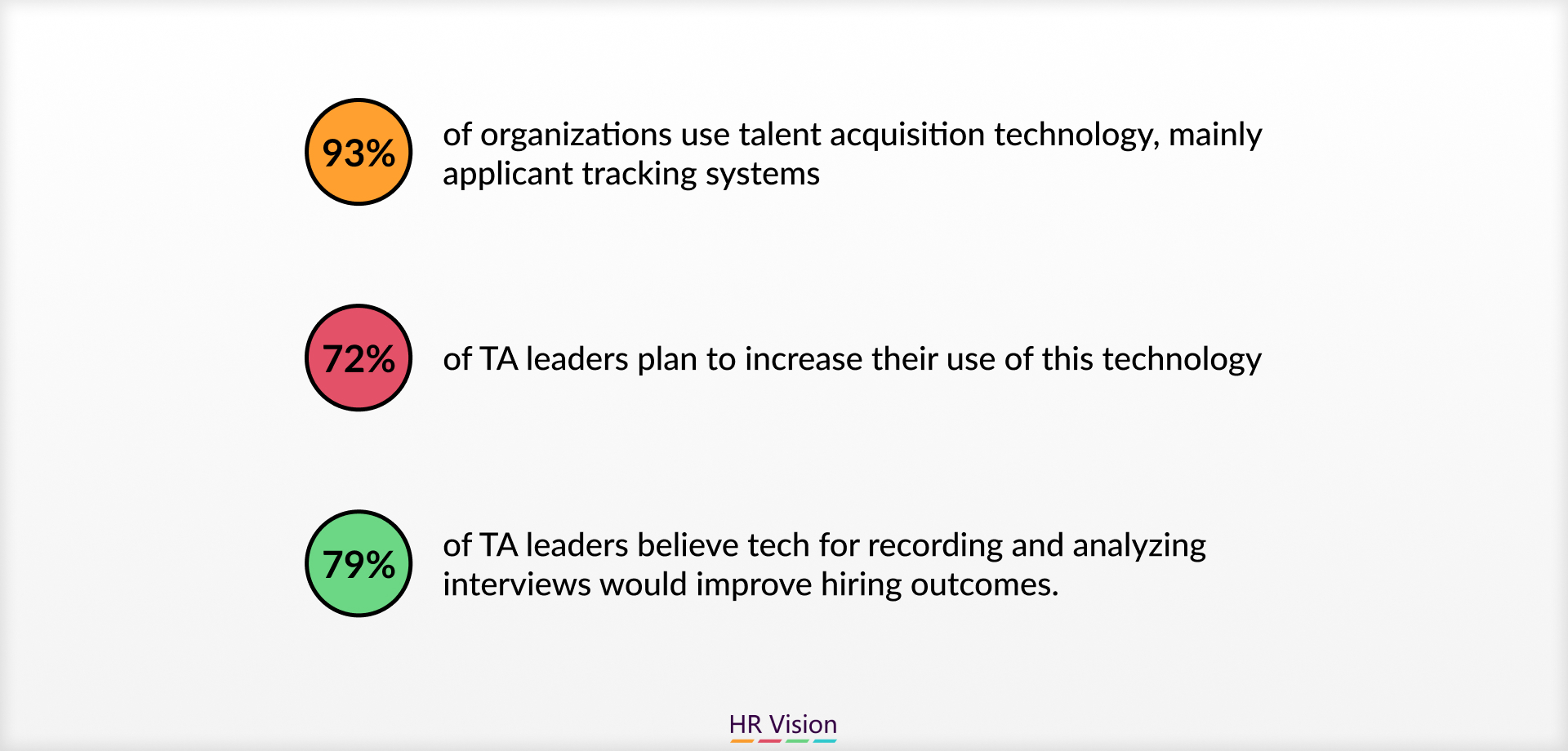
However, the power of an ATS can only be fully harnessed when HR professionals are comfortable using and managing the system effectively. This includes understanding how to configure the keyword filters, interpret data reports, and leverage the platform’s communication tools to keep candidates informed.
Skill 4: Data Analysis & People Analytics
In a data-driven world, HR is no longer just about intuition and gut feeling. The rise of People Analytics signifies a shift towards using data to make informed decisions about your workforce. People Analytics involves the application of statistical methods and data analysis techniques to HR data gathered through various HR tech tools. This data can include information from your HRIS, ATS, employee surveys, and even learning management systems. The power of People Analytics is undeniable. According to a 2019 Deloitte report, over 70% of companies are already utilizing people analytics to improve their overall performance.
But simply collecting data is not enough. The key lies in HR professionals being able to interpret this data effectively. This involves understanding how to analyze trends, identify patterns, and draw meaningful conclusions. For example, by analyzing retention data, HR can identify factors that contribute to employee turnover and develop targeted strategies to improve employee engagement.
Skill 5: Emerging Technologies
The world of HR technology is constantly evolving, with new and innovative solutions emerging at a rapid pace. Staying ahead of the curve requires HR professionals to be open to embracing these emerging technologies and understanding how they can be leveraged to improve HR processes.
Here are a few exciting advancements impacting the HR landscape:
- Artificial Intelligence (AI): AI has the potential to revolutionize numerous aspects of HR. AI-powered chatbots can handle initial candidate screening, answer frequently asked interview questions, and even schedule interviews. Additionally, AI can be used to analyze employee data and identify patterns that can inform talent management decisions.
- Virtual Reality (VR): VR technology is finding new applications within HR. VR simulations can be used for immersive soft-skills training, allowing employees to practice communication, conflict resolution, and leadership skills in a safe and controlled environment. VR can also be utilized for remote onboarding experiences, enabling new hires to virtually explore the workplace and meet colleagues.
The impact of these emerging technologies is undeniable. A recent Deloitte Insights report revealed that 61% of respondents believe Artificial Intelligence will substantially transform their industry within the next 3-5 years. HR professionals who remain curious and proactive in exploring these advancements will be best positioned to leverage their capabilities and shape the future of HR within their organizations.
Conclusion. Equipping Yourself for the Digital HR Landscape
The digital revolution has transformed the HR landscape, demanding a new breed of HR professional – one who is not only well-versed in core HR principles but also possesses a strong foundation in HR technology.
Mastering HR tech skills unlocks a multitude of benefits. It empowers HR professionals to streamline processes, make data-driven decisions, and ultimately, become strategic partners within the organization. In a competitive job market, possessing a strong HR tech skillset sets you apart and positions you for career advancement.
Want to delve deeper and network with the top HR minds in the industry? Join us at HR Vision! Learn from renowned HR leaders about the latest trends in HR Tech, talent management, and the future of work.