The landscape of work is undergoing a dramatic transformation. The rise of remote work, the evolving skillsets needed for success, and a growing emphasis on employee well-being are just a few factors challenging traditional HR practices. To stay competitive and attract top talent in this dynamic environment, HR professionals are increasingly turning to technology.
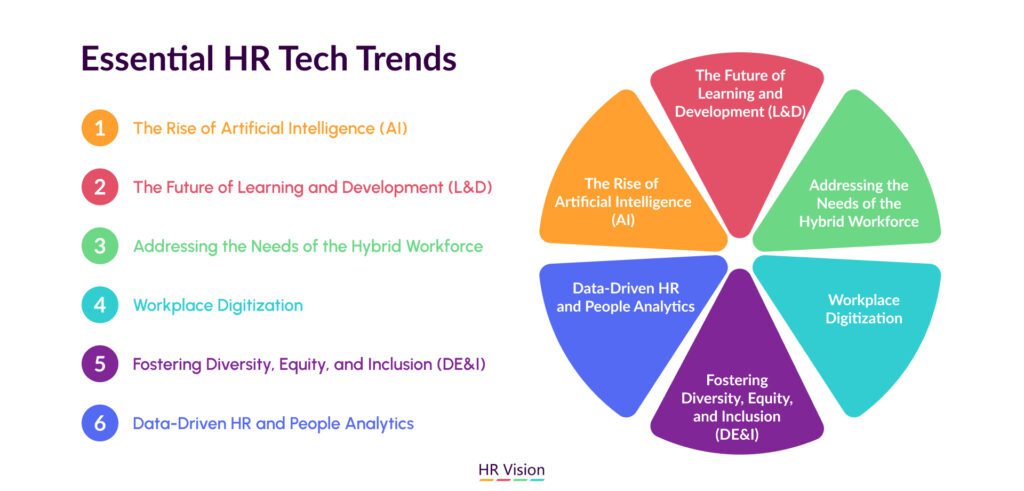
Last year alone, the significance of HR technology (HR Tech) was underscored by the staggering investment of 12.1 million U.S. employers who poured over $5 trillion into HR solutions. This trend shows no signs of slowing down, with 74% of companies planning to boost their HR tech budgets. This dramatic increase, reflecting a 66% surge in spending between 2020 and 2023, highlights the critical role HR Tech plays in navigating the complexities of the modern workforce. To help HR professionals navigate this evolving landscape, we’ve identified the latest HR tech trends to focus on in 2024.
1. The Rise of Artificial Intelligence (AI)
Artificial Intelligence (AI) is rapidly transforming the HR landscape, automating tasks, streamlining processes, and offering valuable insights for talent management.
The growing adoption of AI in HR is evident in research by IDC, which predicts that 80% of global 2000 companies will utilize algorithmic managers for hiring, firing, and training employees by 2024.
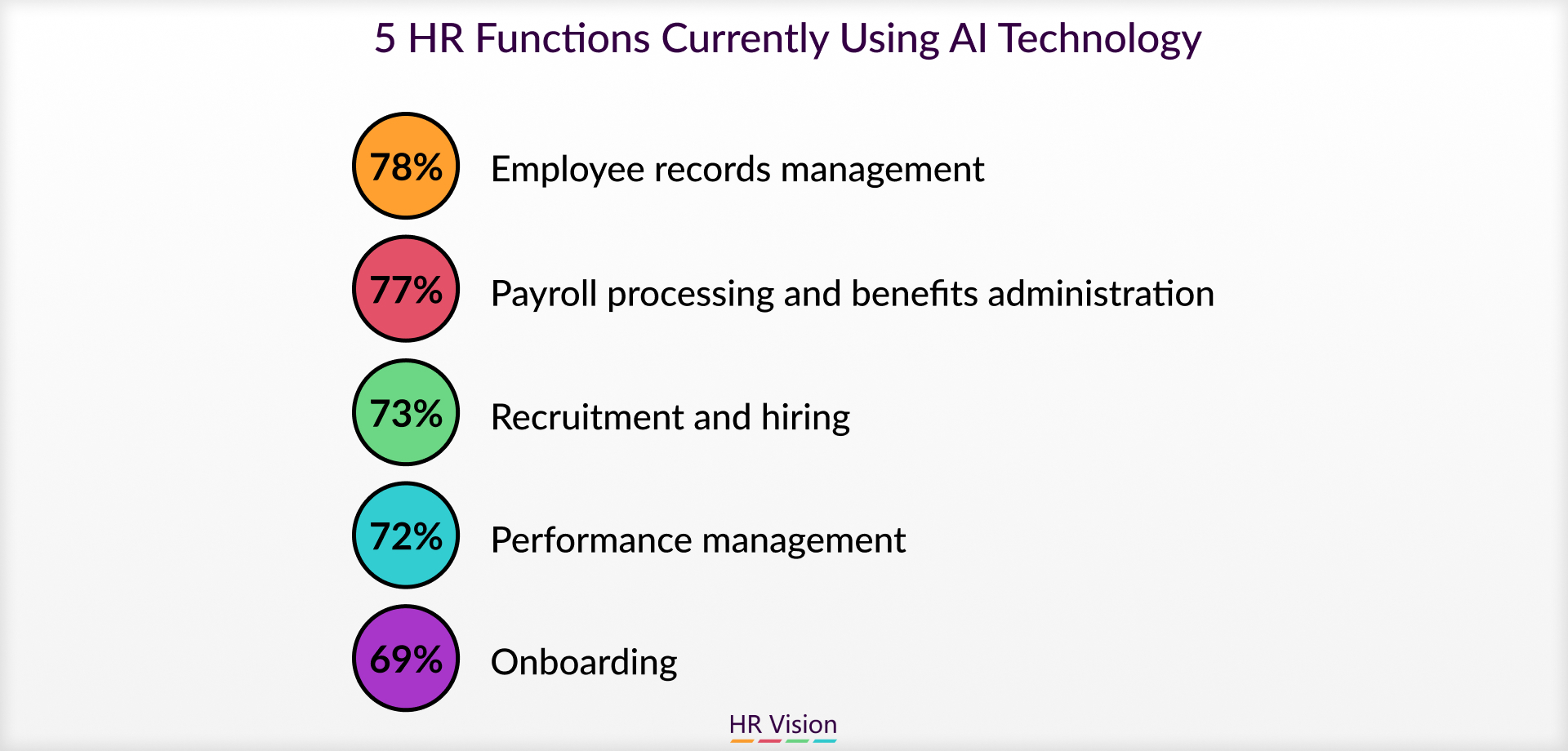
A survey by Eightfold AI further reinforces this trend, revealing that HR departments are already leveraging AI for core functions like employee records management, payroll processing, and benefits administration, recruitment and hiring, performance management, and onboarding.
One of the most significant applications of AI in HR is in recruitment screening. AI-powered tools can analyze resumes and cover letters, identify top candidates based on pre-defined criteria, and even conduct initial interview screenings using chatbots. Beyond recruitment, AI can also be used to analyze interview transcripts and identify key themes, strengths, and areas for improvement in candidate responses. This data can then be used to create more objective interview assessments and improve hiring decisions.
Furthermore, AI is playing a crucial role in personalized learning and development. AI-powered platforms can analyze employee performance data, identify skill gaps, and recommend personalized learning pathways.
Perhaps the most compelling benefit of AI in HR lies in its ability to reduce bias. Traditional HR processes can be susceptible to unconscious biases. AI algorithms, however, can analyze data objectively, minimizing the influence of bias in decision-making. Additionally, AI can be used to train HR professionals on unconscious bias and identify areas where their judgment might be clouded.
2. The Future of Learning and Development (L&D)
The way we learn is undergoing a significant transformation, driven by the pervasiveness of mobile technology and the growing demand for flexible learning experiences. Digital Learning, one more important HR tech trend, is rapidly becoming the preferred method for delivering training and development opportunities.
This trend is underscored by a study revealing that 96% of learning leaders consider digital learning to be important or very important to their overall L&D strategy for 2024. This shift is further supported by the fact that 92% of L&D budgets are projected to remain stable or increase, reflecting a strong commitment to investing in digital learning solutions.
The global mobile learning market, a key driver of digital learning, is predicted to experience explosive growth, reaching an estimated value of $46.9 billion in 2024. This surge is fueled by the convenience and accessibility of mobile learning. Research indicates that employees who engage in mobile learning report a significant 43% boost in productivity and demonstrate a 70% higher motivation to complete courses when accessed on mobile devices.
Key Digital L&D Statistics
- 96% of learning leaders consider digital learning important or very important to their overall L&D strategy for 2024.
- 92% of L&D budgets are staying the same or increasing, according to business agreements.
- 66% of employees believe game-based learning is linked to reduced stress and higher employee retention.
- 70% of Global 2000 companies have incorporated gamification into their learning programs.
Digital learning encompasses a variety of engaging formats that cater to different learning styles. Game-based learning, particularly prevalent in Western Europe, has emerged as a powerful tool for boosting employee engagement. Studies show that 66% of employees believe this approach leads to reduced stress and higher retention rates. Recognizing its effectiveness, 70% of Global 2000 companies have already incorporated gamification into their learning programs.
Furthermore, incorporating video elements within digital learning strategies has been linked to impressive results. Organizations utilizing comprehensive digital learning with video components experience a remarkable 218% increase in revenue per employee. This highlights the power of engaging video content in enhancing knowledge retention and driving business success.
3. Addressing the Needs of the Hybrid Workforce
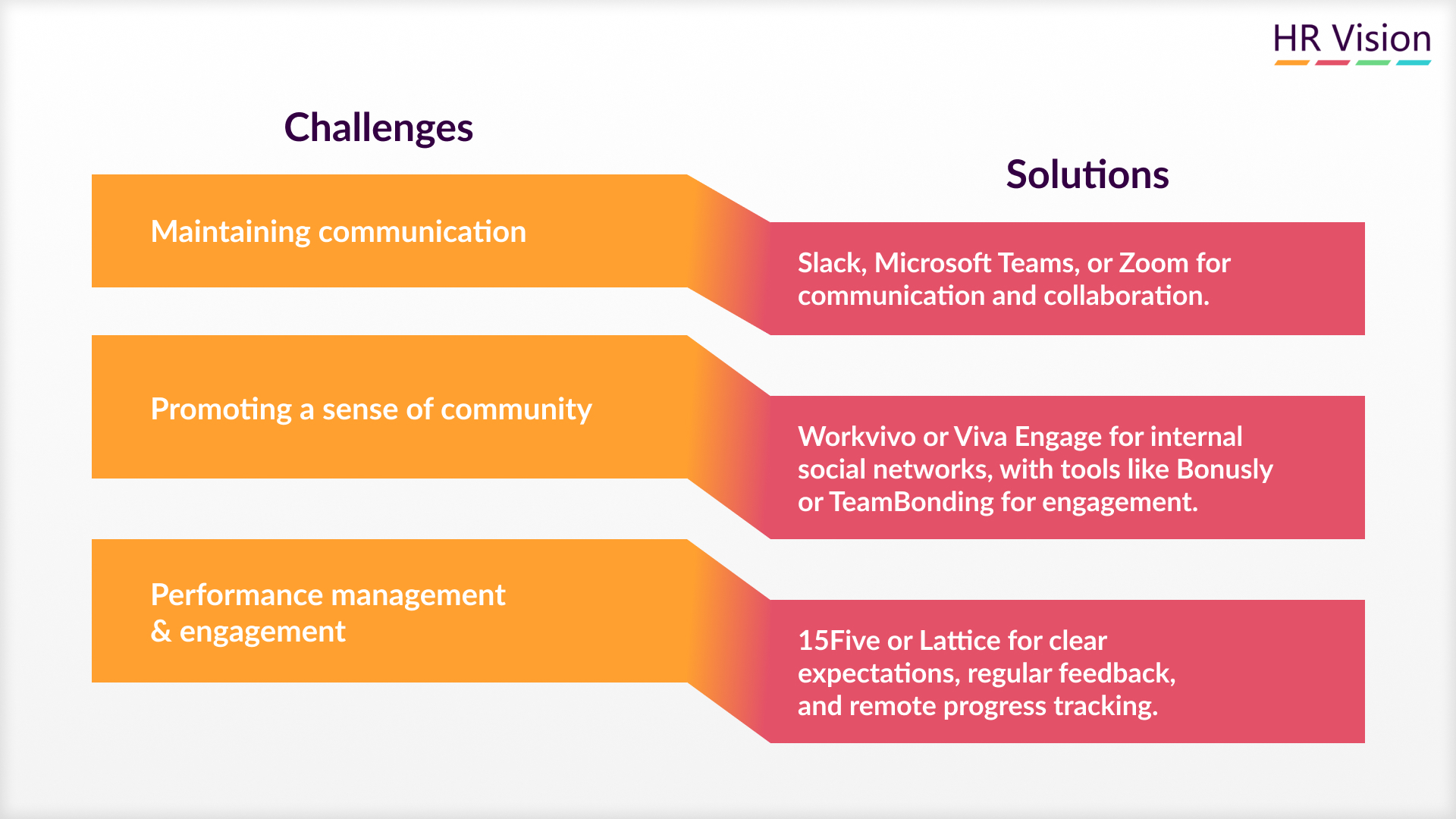
The rise of remote and hybrid work models presents both challenges and opportunities for HR professionals. With an estimated 32.6 million Americans projected to be working remotely by 2025, effectively managing this dispersed workforce requires innovative solutions. Challenges associated with a hybrid environment include maintaining clear communication, fostering collaboration across physical and virtual teams, and ensuring equitable performance management.
Fortunately, HR Tech empowers HR professionals to address these challenges and unlock the full potential of a hybrid workforce. Here’s how:
- Communication and Collaboration Tools
Video conferencing platforms, instant messaging apps, and collaborative project management software facilitate real-time communication and information sharing between remote and in-office teams. These tools enable virtual meetings, brainstorms, and team discussions, fostering a sense of connection and collaboration across locations. 58% of remote employees report increased utilization of workplace collaboration tools compared to pre-pandemic times, highlighting their effectiveness in bridging the physical gap.
- Building a Connected Culture
HR Tech platforms can promote a sense of community and belonging through internal social networks, employee recognition programs, and virtual team-building activities. These tools foster connections, encourage interaction, and contribute to a more inclusive work environment.
- Performance Management in a Hybrid World
HR tech solutions offer performance management tools for setting clear expectations, providing regular feedback virtually, and tracking employee progress remotely. This ensures a consistent and effective approach to managing performance regardless of location.
However, research indicates that simply providing the tools isn’t enough. About 20% of employees believe insufficient change management is implemented when introducing new tools for hybrid work. HR professionals must prioritize effective adoption strategies, user training, and ongoing support to ensure employees are comfortable and proficient in utilizing these new technologies.
4. Workplace Digitization
The digital transformation wave is sweeping across organizations of all sizes, and the workplace is no exception. Workplace Digitization, a crucial HR tech trend, involves leveraging technology to automate tasks, streamline processes, and ultimately, empower employees to focus on higher-value activities.
The global investment in this trend is undeniable. Spending on digital transformation is expected to reach a staggering $1.8 trillion by the end of 2022 and is projected to climb further to $2.8 trillion by 2025. These figures underscore the immense value organizations place on creating a digital workplace environment.
Workplace Digitization encompasses a broad range of HR Tech solutions, including:
- Automated workflows: Repetitive administrative tasks like onboarding, expense reporting, and leave requests can be automated, freeing up HR professionals’ time to focus on strategic initiatives and employee engagement.
- Cloud-based HR solutions: Cloud-based HR platforms offer centralized access to employee data, payroll information, and benefits administration, allowing for greater efficiency and accessibility.
- Data-driven decision making: HR Tech solutions can generate valuable data and insights on employee performance, engagement, and talent management. Leveraging this data empowers HR professionals to make data-driven decisions that optimize the workforce and drive business growth.
The benefits of workplace digitization extend beyond efficiency gains. HR Tech empowers employees to focus on their core competencies and contribute more strategically to the organization’s success. Additionally, a digital workplace fosters a culture of self-service, allowing employees to manage their own data, access information, and complete tasks independently, contributing to a sense of ownership and increased job satisfaction.
5. Fostering Diversity, Equity, and Inclusion (DE&I)
Creating a workplace that is diverse, equitable, and inclusive (DE&I) is a must-have for a business. Studies have shown that diverse and inclusive teams outperform their less diverse counterparts in terms of creativity, problem-solving, and overall performance.
One of the biggest challenges in achieving an equitable workplace is unconscious bias. Traditional recruitment and talent management processes can be susceptible to biases that may unfairly disadvantage certain candidates. HR Tech offers solutions to mitigate these biases and create a more level playing field.
Here’s how HR tech trends are fostering DE&I:
- Reducing Bias in Recruitment:
AI-powered tools can be used to analyze job descriptions and identify hidden biases in the language used. By removing biased language, attracting a wider pool of qualified candidates becomes possible. Additionally, AI can anonymize resumes during the initial screening process, allowing hiring managers to focus on skills and experience rather than demographic factors. Furthermore, technology can facilitate structured interviews that ensure consistency and minimize the opportunity for unconscious bias to influence interviewer decisions.
- Data-Driven DE&I Strategies
Data-driven HR is another crucial component of a successful DE&I strategy. Research conducted by HBR found that data disclosure and analysis have a profound effect on an organization’s diversity initiatives. HR Tech solutions provide powerful analytics tools that enable HR professionals to track diversity metrics throughout the employee lifecycle, identify areas for improvement, and measure the effectiveness of DE&I programs.
6. Data-Driven HR and People Analytics
In today’s data-driven world, organizations are increasingly recognizing the power of data in making informed decisions across all aspects of their business. HR is no exception.
Imagine being able to predict which employees have a high flight risk or identify individuals with hidden potential for leadership roles – all based on concrete data. HR Tech solutions empower HR professionals with the tools they need to collect, analyze, and translate vast amounts of workforce data into actionable insights.
Here’s a breakdown of the key players in this data-driven revolution:
- HR Information Systems (HRIS): Functioning as a central hub for all employee data, HRIS solutions house valuable information such as performance reviews, demographics, skills inventories, and compensation details. This centralized data repository provides a foundation for comprehensive workforce analysis.
- People Analytics Tools: These sophisticated software platforms are designed to crunch massive amounts of employee data from various sources, including HRIS data, employee surveys, and performance management systems. By applying advanced analytics techniques, people analytics tools uncover hidden patterns, identify trends, and generate predictive models that inform talent management strategies.
- Data Visualization Tools: Data visualization tools play a critical role in translating complex data sets into easily understandable charts, graphs, and dashboards. These visual representations enable HR professionals to effectively communicate data insights to leadership and stakeholders, facilitating data-driven decision-making across the organization.
Conclusion
The landscape of work is undergoing a dramatic transformation. HR professionals are at the forefront of navigating this change, and the latest HR technology trends offer a powerful toolkit to optimize talent management strategies and thrive in this new era.
From the efficiency gains of AI and the personalized learning experiences of micro-learning to the collaborative power of digital learning and the focus on DE&I, HR Tech empowers organizations to create a future-proof workforce. Data-driven HR, fueled by powerful analytics, allows for evidence-based decision-making, while workplace digitization streamlines processes and empowers employees.
These HR technology trends collectively paint a picture of a future of work where technology facilitates a more human-centered approach to talent management. HR professionals who embrace these trends will be well-positioned to attract and retain top talent, foster a positive work environment, and drive organizational success in the years to come.
Frequently Asked Questions
1. Where can I learn more about specific HR tech solutions?
Many HR tech vendors offer comprehensive information about their products and services on their websites. Additionally, attending HR tech conferences or webinars can provide opportunities to learn about specific solutions and how they can benefit your organization.
2. Isn’t HR tech expensive? Can small businesses afford it?
HR tech solutions come in a variety of price ranges. There are free and freemium options with basic functionalities, while more advanced features might require a subscription. Many vendors offer tiered pricing plans to cater to different business sizes. Small businesses can benefit greatly from affordable HR tech that automates tasks, improves efficiency, and streamlines processes.
3. What are some HR tasks that can be automated with technology?
Many HR tasks can be automated with HR tech, such as:
- Recruiting and onboarding
- Payroll and benefits administration
- Performance management
- Time and attendance tracking
- Employee scheduling
4. How can I stay up-to-date on the latest HR tech trends?
There are several ways to stay informed about the latest advancements in HR tech. Here are a few suggestions:
- Industry publications: Subscribe to HR-focused publications and websites that regularly cover emerging trends and best practices in HR technology.
- Online resources: Numerous online resources offer in-depth analysis and discussions on HR tech
- HR tech conferences: Attend industry conferences or regional events dedicated to HR tech.
Dive into the future of workplace digital transformation at HR Vision. Join HR leaders for insights on HR analytics, HR Tech, and creating a people-centered future of work.