Let’s continue learning about the possibilities that AI and automation bring to the HR world. You can read the first part here.
ARTIFICIAL INTELLIGENCE IN HR
AI, in a nutshell, is the science of creating machines that have human-like capabilities. This is a significant leap forward: AI machines can plan, reason and communicate, and are improving our lives. They also lower costs, increase efficiency and improve profitability. AI is not just the future – it’s already the present. The metaverse has come, and the AI revolution is gaining more speed, opening up new opportunities.
There are several different types of AI areas:
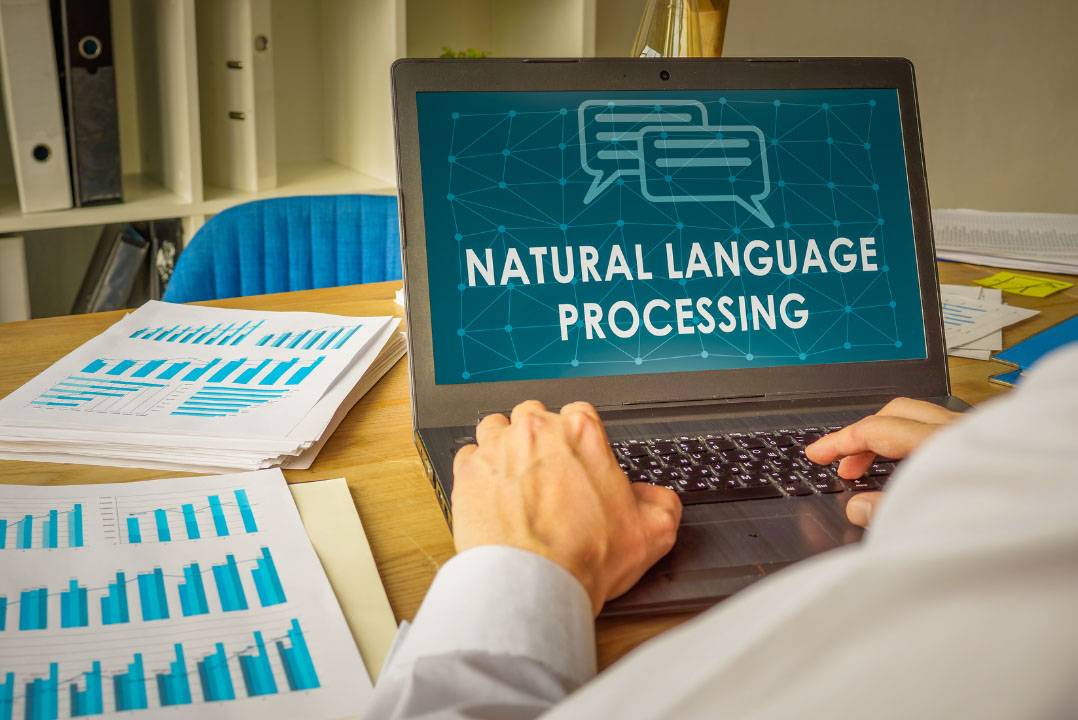
Natural Language Processing: Although computers have a lot of intelligence, it has proven difficult for them to understand, create, and respond to human speech. Machine learning is helping to correct this problem with natural language processing (NLP). NLP can be used for many purposes, including translation, voice recognition, transcription, and extracting information from reports.
Robotics: Organizations use robots to automate tasks remotely, using algorithms or sensors. Robots are used in many ways today, including as a tool for surgery or inspection of undergrounds.
Machine Learning: This type of AI can learn from patterns in data. This is revolutionary because the software can not only be programmed but also analyze the data and make recommendations or create rules. Deep learning reduces the amount of human input and allows for larger data sets. It is responsible for some recent advances in speech, image recognition and natural-language processing. But machine learning is data quality sensitive and can only be as good as the data it is fed.
AI can bring about huge economic benefits. These gains can be attributed to AI’s ability to make more products, which are also cheaper. PwC estimates that AI will contribute $15.7 trillion to global economic growth by 2030. These are some of the benefits of artificial intelligence:
Innovation – use of AI in supply chains to understand consumer needs with the subsequent making of the right product decisions; AI-generated ideas during brainstorms; interaction in the metaverse within virtual spaces – AI helps organizations innovate to succeed.
Efficiency – AI can perform some routine tasks more quickly and efficiently than humans. AI-driven services can be accessed 24/7 to monitor fraud signs, answer customer questions, scan job applications, thus saving time and resources.
Productivity – Without people and resources to perform routine tasks, productivity can soar – according to PwC, 44% of business leaders want to automate their work.
Solving complicated problems – Advances in machine learning mean that AI can now be used to perform more difficult tasks, such as medical diagnosis. This again allows for increased productivity and frees up resources.
How can AI influence the future of work?

AI is already a part of everyday life and work. Moreover, it’s a key component of many aspects of modern days – from personal assistants to smart devices to online shopping and factory robots. Reports show that more than half of respondents use AI at least once in their function. This growth will continue with automation and digitization of goals featured in the majority of companies’ long-term corporate strategies, according to PwC surveys.
In which areas can AI be used?
Artificial Intelligence in Human Resources
AI is revolutionizing recruitment by automating repetitive tasks like payroll. It can automate the tedious process of filtering profiles. It can screen resumes and shortlist candidates, as well as schedule interviews. This allows for faster and more efficient recruitment, particularly at the initial stages. AI simulations have the potential to improve training and they can be used to connect job candidates with the most appropriate roles, which could help reduce time-wasting.
AI in healthcare
According to WHO, by 2030 there will be an 18 million global shortage of health workers. AI could be part of the solution by automating routine tasks and improving productivity, but most importantly, giving staff more time with patients. AI is already being used by healthcare professionals in a variety of applications such as hospital management, diagnosis, and patient-focused apps.
AI Explainable
AI is not a standalone operation – it’s being used by organizations to make decisions. This raises issues of transparency, privacy, fairness and accountability. Explainable AI (XAI) is here to help. It is designed to ensure that algorithmic reasoning can be understood by humans. XAI is vital for the detection of errors in artificial intelligence.
Fraud prevention
AI can detect fraud patterns by analyzing large amounts of transactions, automatically identifying suspicious ones and flagging them up for further investigation. It is possible to use AI for cyber-security to identify and block threats.
Chatbots and digital assistants

Chatbots are becoming more naturally behaving and can communicate with users in a more human-like way than just answering ‘yes’ or “no” questions. This enables employees to handle the most complicated customer queries and makes customer service more efficient.
The metaverse
Augmented reality and virtual reality technologies are creating an internet that you can get into – for entertainment, work, and games. Virtual spaces that are fused with the real world will transform collaboration, communication, and training.
The biggest worry about AI is the threat of job loss and unemployment. Contrary to these fears, it is estimated that automation will create more jobs than it takes away – as high as 890 million by 2030.
AI only automates the most routine tasks like extracting information from documents or payroll. Humans are still required to monitor the process and intervene if necessary. Instead of replacing humans, AI will work alongside them, allowing us to be more creative and satisfied in our work. Of course, in future there may obviously be a necessity for upskilling or reskilling employees to work along with AI.
In addition, by its nature, AI is creating a demand for tech-skilled people, such as programmers, statisticians and data scientists. And those who have creative and emotional intelligence will be in constant demand because AI cannot provide such human beings’ features.
If you’re looking for new ideas, fresh perspectives and insights on the future of work, then you’ll want to attend HR Vision Events.