According to the World Health Organization (WHO) and International Labour Organization (ILO), long working hours kill hundreds of thousands of people annually. This alarming statistic highlights the severe consequences of overwork, which is becoming increasingly prevalent in today’s fast-paced workplaces.
Overwork occurs when employees are required to consistently put in excessive hours, leading to physical and mental strain. In modern workplaces, this has become more common due to the growing expectations for continuous availability, tight deadlines, and increased workloads.
What Is Overwork?
Overwork refers to a state where employees are consistently required to work beyond their capacity, often leading to stress, fatigue, and diminished job satisfaction. This condition is exacerbated by unrealistic expectations, a lack of resources, and a culture that glorifies busyness, often at the expense of employees’ health and well-being.
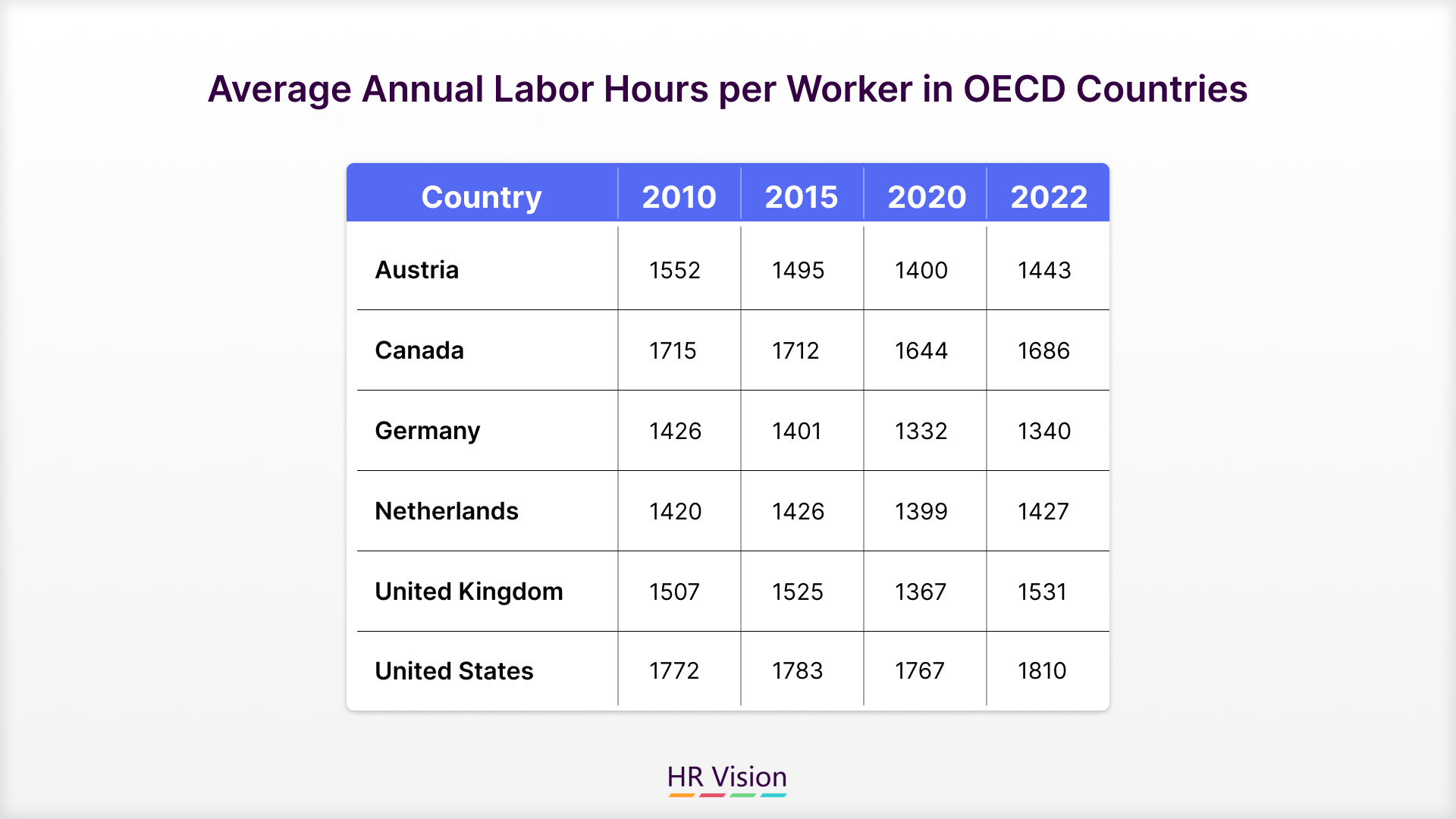
This infographic illustrates the average labor hours per worker in OECD countries, highlighting the disparities in work hours across different regions. Understanding these trends helps contextualize the global landscape of overwork and its impact on employee wellness.
Common Indicators of Overwork
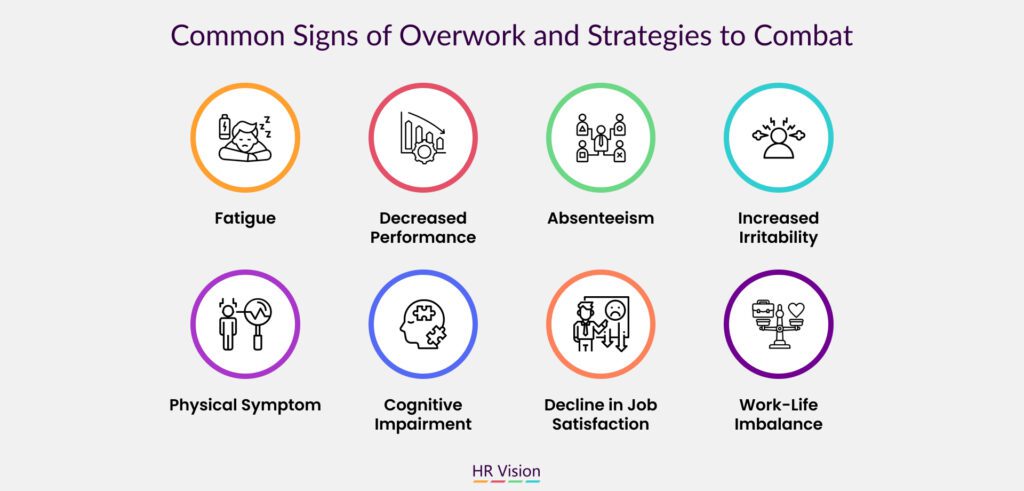
Recognizing the signs of overwork is essential for addressing and preventing burnout. Here are some common indicators:
- Fatigue: Employees experiencing overwork often report persistent fatigue, which can be both physical and mental. This fatigue may lead to reduced energy levels and difficulty focusing on tasks.
- Decreased Performance: Overworked employees may struggle to maintain their usual productivity and quality of work. Tasks that were once manageable can become overwhelming, leading to errors and a decline in overall performance.
- Absenteeism: Increased sick days or unexplained absences can be a significant indicator of overwork. Employees may take time off due to stress-related illnesses, burnout, or physical ailments resulting from prolonged work hours.
- Increased Irritability: Chronic stress from overwork can lead to heightened irritability, frustration, and mood swings. Employees may find it challenging to interact positively with colleagues or manage interpersonal relationships at work.
- Physical Symptoms: Common physical symptoms associated with overwork include headaches, gastrointestinal issues, sleep disturbances, and muscle tension. These symptoms can indicate chronic stress and the need for immediate intervention.
- Cognitive Impairment: Overwork can affect cognitive functions, leading to issues with concentration, decision-making, and memory. Employees may find it increasingly challenging to complete tasks that require focus and creativity.
- Decline in Job Satisfaction: Overworked employees often experience a decrease in job satisfaction. As their workloads become unmanageable, they may feel undervalued and demotivated, leading to a lack of enthusiasm for their roles.
- Work-Life Imbalance: Employees may report a lack of time for personal interests, family, and self-care, indicating a significant work-life imbalance. This can result in feelings of guilt and resentment toward their jobs.
Strategies to Combat Overwork
To effectively combat overwork and promote wellness in the workplace, organizations can implement several strategies that address the root causes of excessive work demands.
1. Effective Workload Management
Workload management is essential in preventing overwork. Companies should establish clear expectations regarding employee responsibilities and encourage regular communication about workloads. Managers can facilitate this by setting realistic goals and deadlines, breaking projects into manageable tasks, and promoting collaboration among team members. By fostering an environment where employees feel comfortable discussing their workload concerns, organizations can identify potential issues before they escalate, ensuring that employees are not overwhelmed by their responsibilities.
2. Flexible Work Arrangements
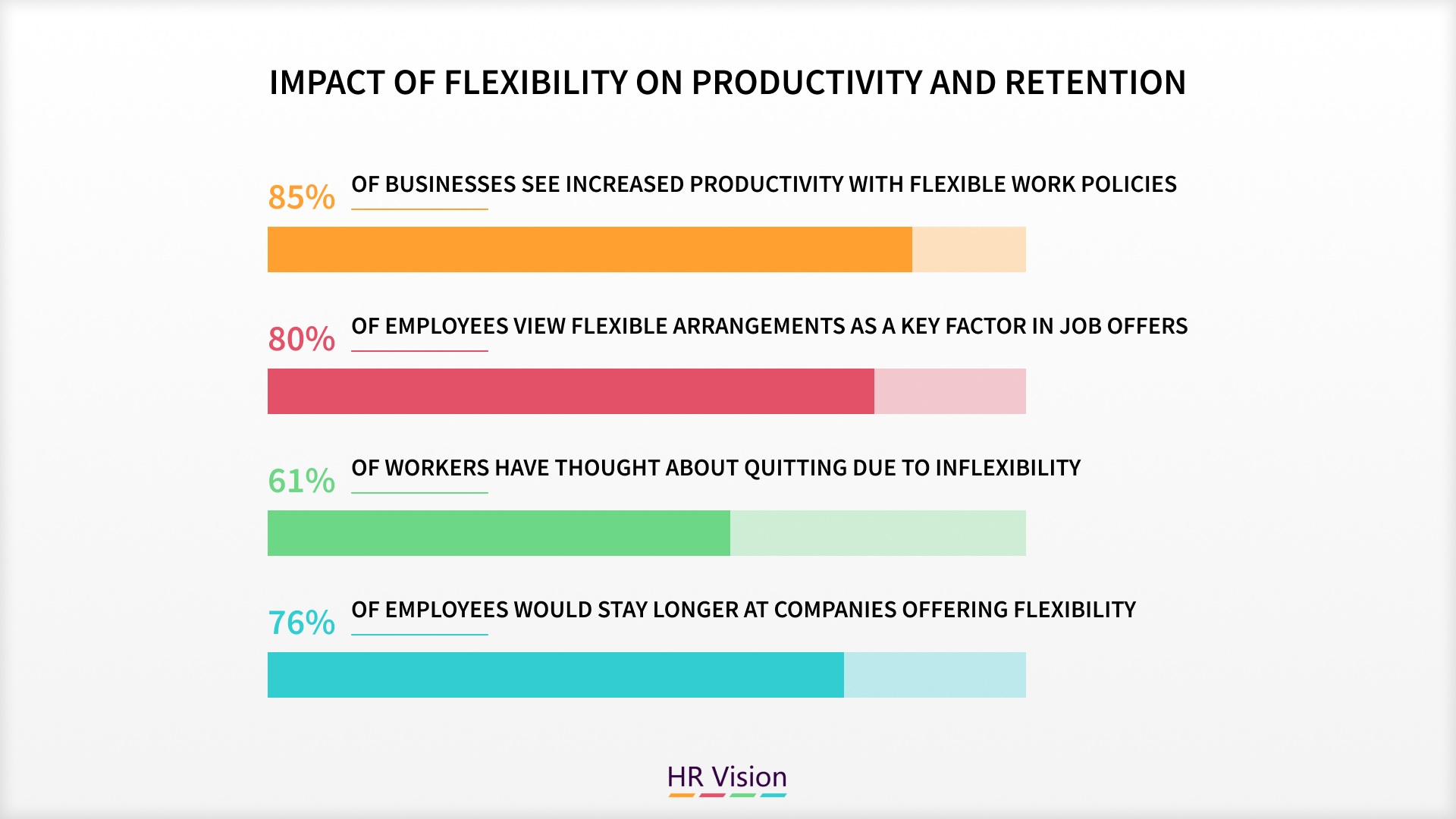
Another effective strategy is the adoption of flexible work arrangements. Offering options such as remote work or flexible hours allows employees to manage their time more effectively, balancing work with personal commitments. By accommodating individual preferences, companies can help reduce the stress associated with rigid schedules and long commutes. Additionally, implementing hybrid work models can enhance job satisfaction, as employees can choose environments that maximize their productivity and comfort.
3. Prioritizing Time Off
Prioritizing time off is equally crucial in combating overwork. Organizations should encourage employees to utilize their paid leave and vacation days, fostering a culture that values rest and recuperation. Implementing mandatory time-off policies can ensure that employees take necessary breaks to recharge and prevent burnout. By normalizing the use of personal and mental health days, companies can demonstrate their commitment to employee well-being, ultimately leading to increased productivity and morale.
By focusing on these strategies—effective workload management, flexible work arrangements, and prioritizing time off—organizations can create a healthier work environment that combats overwork and promotes overall wellness.
Promoting Employee Wellness
Promoting employee wellness is essential for creating a healthy work environment that combats overwork and fosters productivity. One effective approach is implementing physical wellness initiatives within the organization. Companies can offer corporate wellness programs, such as gym memberships, yoga classes, or fitness challenges, to encourage employees to prioritize their physical health. Additionally, organizations can support movement during the workday by encouraging regular breaks for stretching or walking. Incorporating standing desks into the workplace can also help employees remain active while working, reducing the risks associated with sedentary behavior.
Equally important is providing mental health support to employees. Organizations can enhance employee well-being by offering access to counseling services or Employee Assistance Programs (EAPs), which provide confidential support for various personal and professional issues. Furthermore, conducting stress management workshops can equip employees with tools to cope with stress effectively, while designated mental health days can help employees recharge when they need it most. By prioritizing mental health, companies can create a more resilient workforce and reduce the negative effects of overwork.
Building a supportive culture is crucial for promoting overall wellness in the workplace. Encouraging open conversations about mental health can help destigmatize the topic and create an environment where employees feel comfortable discussing their struggles. Leadership plays a vital role in this process, as their commitment to wellness sets the tone for the entire organization. By modeling healthy work-life balance practices and promoting a culture that values self-care, leaders can influence employees to prioritize their well-being and foster a more supportive workplace.
Ultimately, recognizing the need for balance between work and personal life is essential for effective wellness promotion. Organizations should advocate for policies that support this balance, such as flexible working arrangements and sufficient time off. By taking a comprehensive approach to employee wellness that includes physical health, mental well-being, and a supportive workplace culture, organizations can significantly reduce the risks of overwork and create an environment where employees thrive both personally and professionally.
Conclusion
Combating overwork and promoting wellness in the workplace are essential for fostering a healthy, productive environment. Effective workload management, flexible work arrangements, and prioritizing time off significantly reduce the risks associated with overwork. Investing in physical and mental health initiatives, along with cultivating a supportive culture, empowers employees to maintain a healthy work-life balance. Prioritizing employee wellness enhances individual well-being and drives organizational success and sustainability.