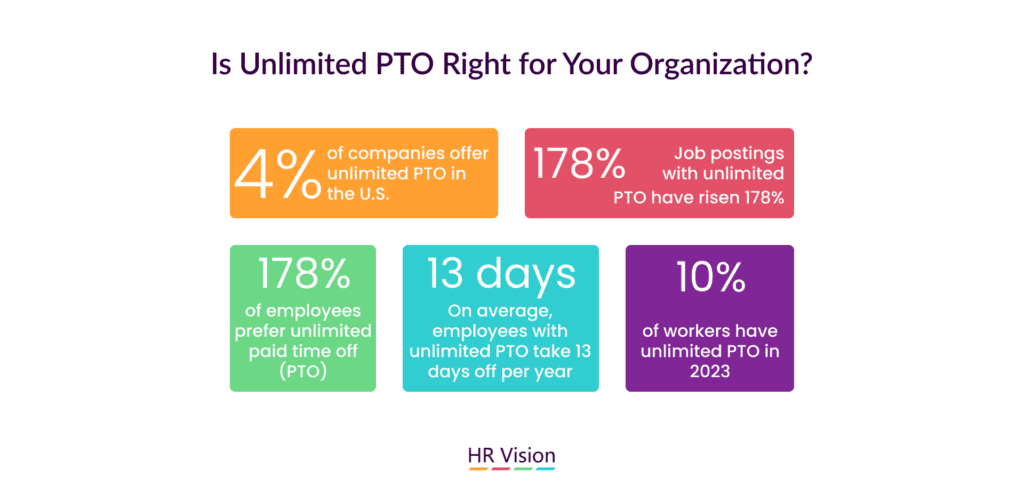
In recent years, unlimited Paid Time Off (PTO) has become more popular in many industries. This approach lets employees take as much time off as they need without a set limit, unlike traditional PTO policies that restrict the number of vacation and sick days. Many people appreciate this flexibility; in fact, 62% say having paid time off is very important to them.
As companies try to meet employee expectations and promote a better work-life balance, a key question arises: Is unlimited PTO right for every organization? This article will look at the details of unlimited PTO, how it affects company culture, and what factors businesses should consider before adopting this policy.
Unlimited PTO vs. Traditional PTO
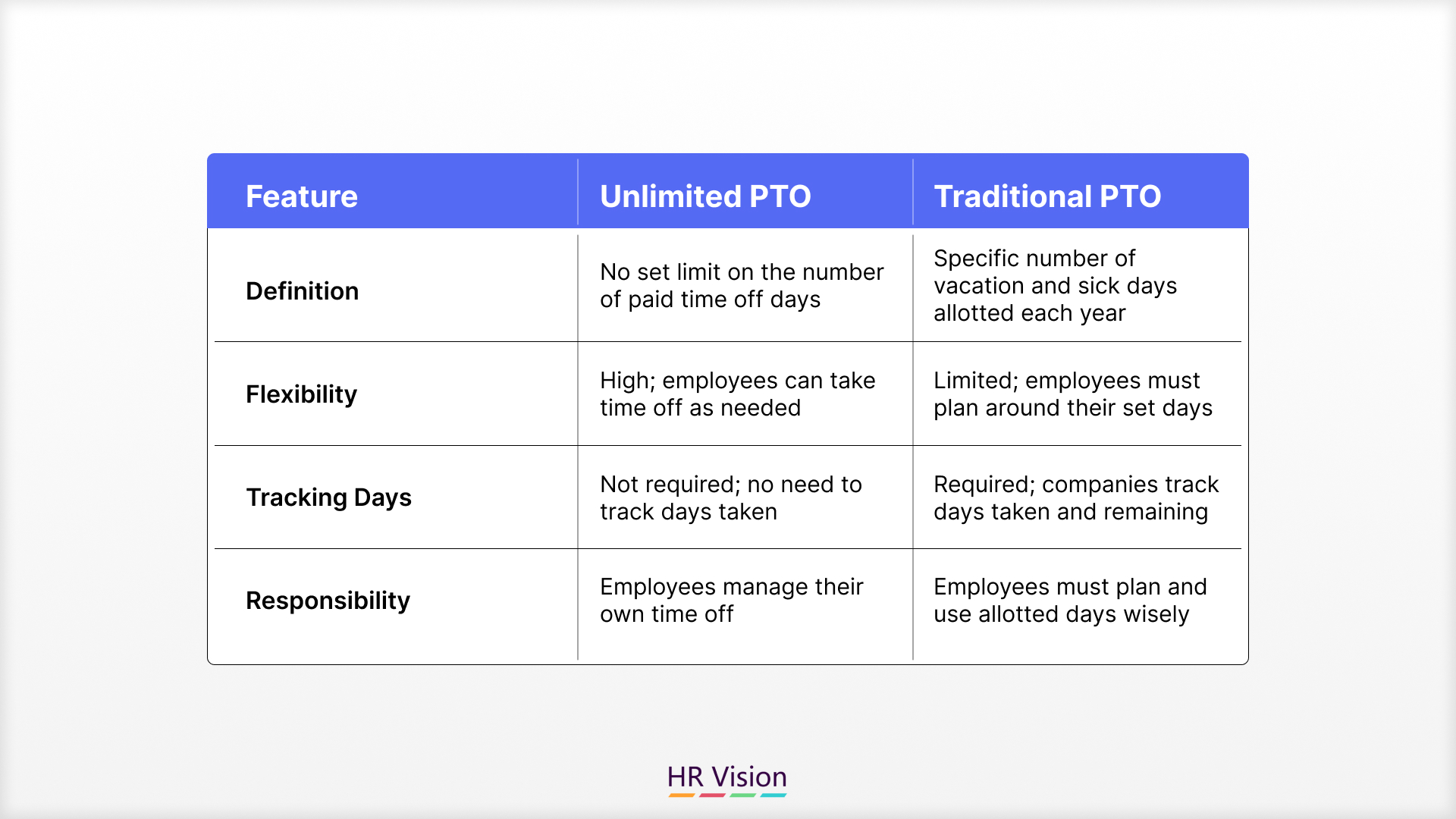
Traditional PTO policies provide a specific number of vacation and sick days each year. Employees can plan their time off based on these limits, often feeling pressure to use their days before they expire. In contrast, unlimited PTO allows employees to take as much time off as they need, without a set cap. This means that as long as work gets done, employees can take time off when they feel it’s necessary.
Key Differences
- • Flexibility: Unlimited PTO offers more flexibility for employees to manage their time off. They can take extended vacations, personal days, or mental health breaks without worrying about running out of days. Traditional PTO is less flexible, as employees must keep track of their days and plan their time off accordingly.
- • Tracking Days: With traditional PTO, companies need to track how many days each employee has taken and how many are remaining. This requires more administrative effort. Unlimited PTO reduces this burden because there’s no need to track days. However, it places the responsibility on employees to manage their time off wisely.
- • Responsibility: In an unlimited PTO system, there’s an expectation that employees will take the time they need without overusing it. This can promote a culture of trust but may also lead to employees feeling they should not take too much time off. Traditional PTO systems can create a sense of entitlement to specific days, but they may also lead to employees not using all their allotted time due to fear of disrupting their work.
The Desire for Unlimited PTO
Certain groups of employees are particularly drawn to the idea of unlimited PTO. Millennials and Gen Z, who make up a significant portion of the modern workforce, tend to prioritize work-life balance and flexibility in their jobs. These younger generations value experiences over material goods and often seek employment that allows them the freedom to explore personal interests, travel, or spend time with family.
Millennials, who are now in their late 20s to early 40s, appreciate the autonomy that unlimited PTO provides. They want to feel trusted by their employers and believe that a flexible time-off policy can enhance their job satisfaction and loyalty to the company.
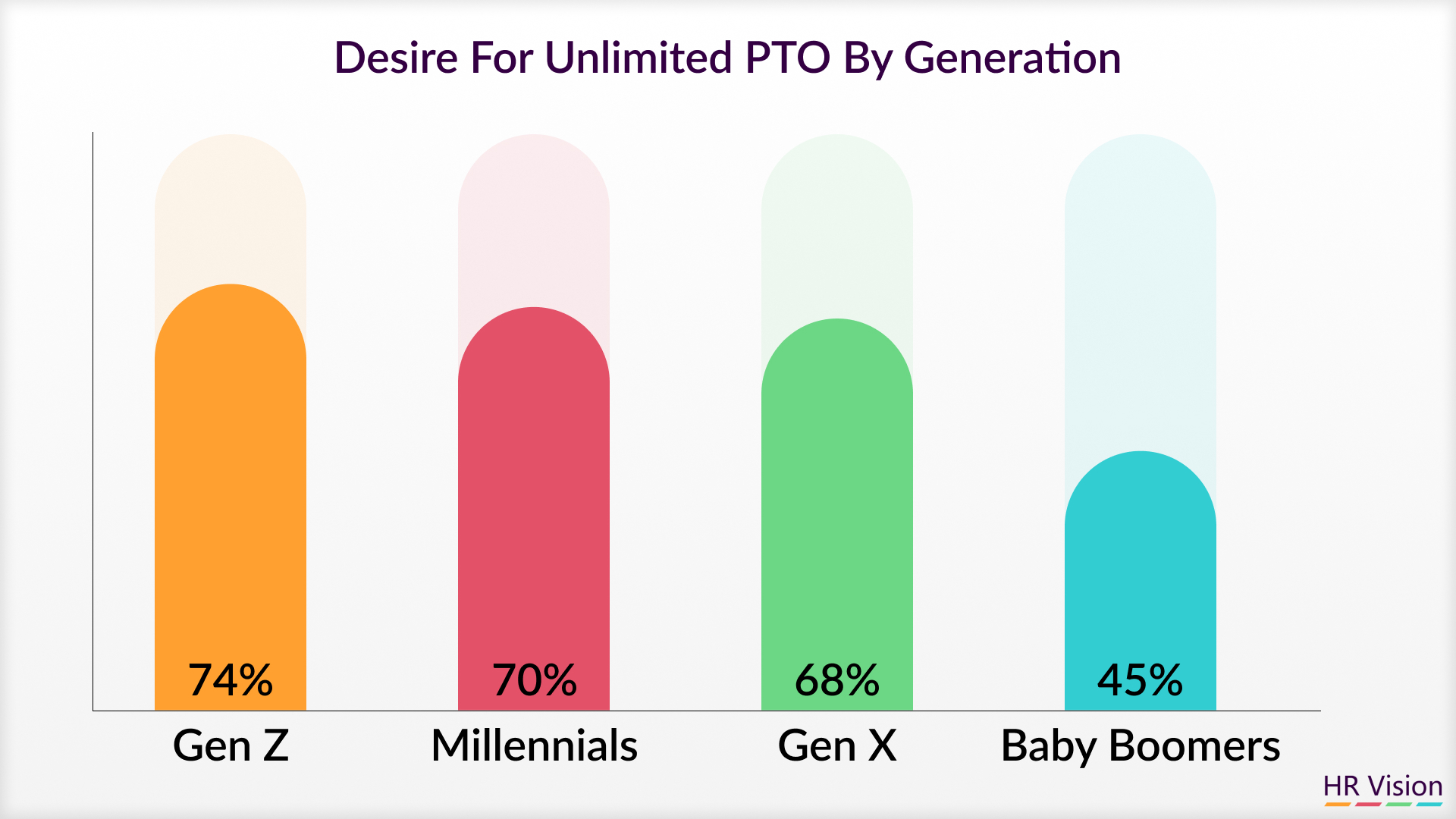
Gen Z, the youngest members of the workforce, are entering the job market with similar values. They prioritize mental health and well-being, making them more likely to seek out employers who support these priorities. Unlimited PTO aligns with their desire for a healthy work-life balance, allowing them to recharge and avoid burnout.
Understanding these demographic trends can help companies recognize the potential benefits of adopting unlimited PTO policies, as catering to the needs of these employees may enhance attraction and retention in a competitive job market.
How Employees Feel About Unlimited PTO
Research shows that employees generally have mixed but mostly positive feelings about unlimited PTO. Many appreciate the flexibility and autonomy it offers, allowing them to take time off as needed without worrying about using up a set number of days. According to surveys, employees at companies with unlimited PTO policies often report higher job satisfaction and a stronger sense of trust between them and their employers.
One common misconception about unlimited PTO is that employees will abuse the system and take too much time off. However, studies suggest the opposite is true—many employees actually take less time off under unlimited PTO policies than they would with traditional policies. This can happen because employees may feel uncertain about what is considered “acceptable” or worry that taking too much time off might make them seem less committed to their jobs.
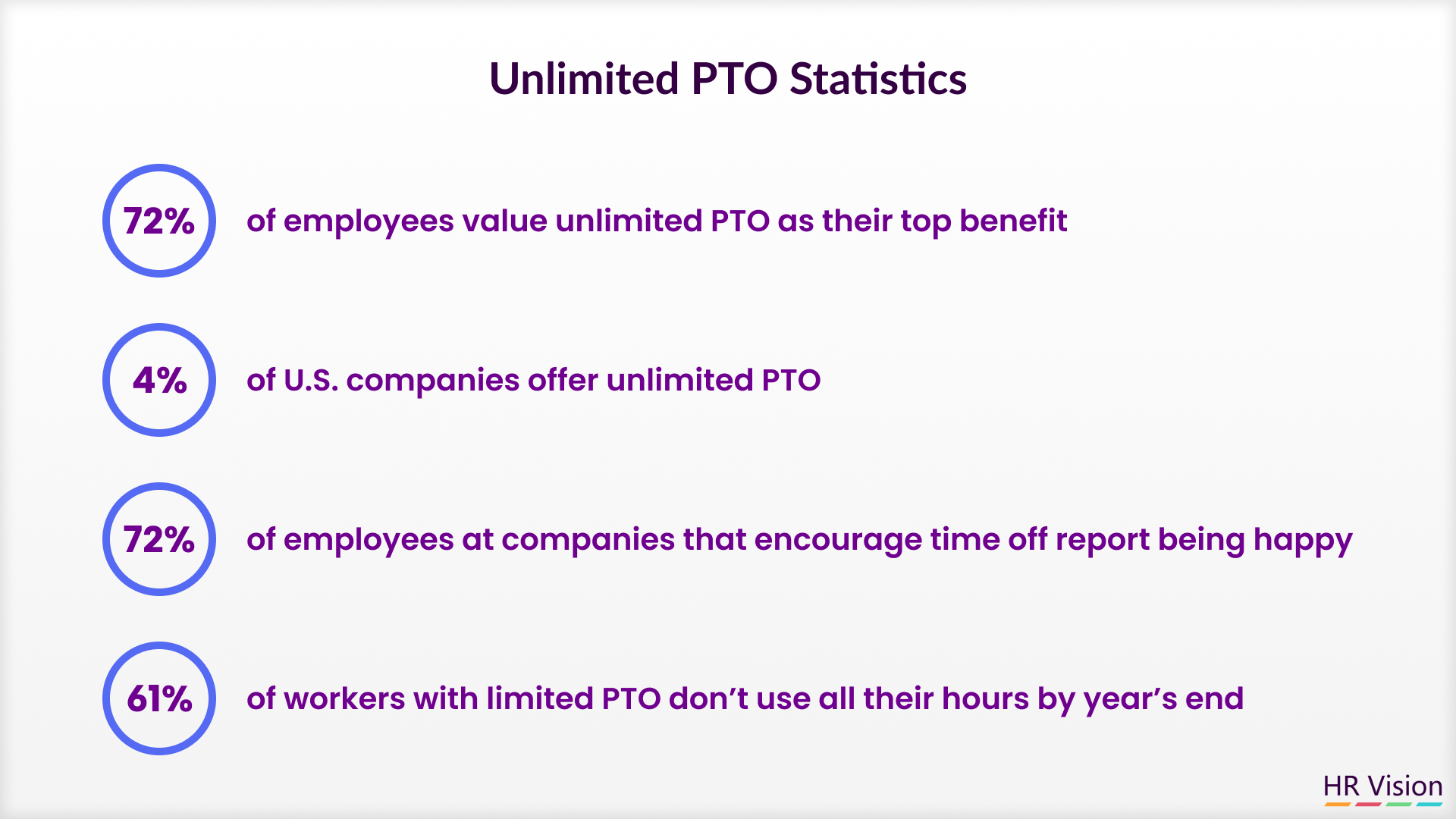
Unlimited PTO can foster a culture of trust and autonomy, where employees feel empowered to manage their own time. Companies that successfully implement this policy usually have a high level of trust between management and staff, with an understanding that employees will take time off responsibly. This trust can enhance employee engagement and loyalty, as workers feel valued and respected for their ability to balance personal needs with work responsibilities.
At the same time, organizations must be clear in their expectations to prevent any confusion or pressure on employees to avoid taking time off. Establishing a supportive company culture where employees feel comfortable using PTO is essential to making the policy work.
Pros and Cons of Unlimited PTO
Pros
- • Flexibility: Unlimited PTO gives employees the freedom to take time off when they need it, without worrying about hitting a set limit. This flexibility can be especially helpful for managing unexpected events, such as personal emergencies, or simply taking a break to recharge.
- • Better Work-Life Balance: Employees who have control over their time off are more likely to achieve a healthier work-life balance. This can reduce stress, improve overall well-being, and make employees feel more satisfied in their roles.
- • Trust-Building: Implementing unlimited PTO can foster a culture of trust. When employees are trusted to manage their own time, it shows that the company respects their judgment and values their contributions. This can strengthen the employee-employer relationship and boost morale.
Cons
- • Risk of Burnout: Surprisingly, unlimited PTO can sometimes lead to employees taking less time off, as they may feel unsure of what is acceptable or worry about appearing uncommitted to their work. This can result in employees not using enough vacation time, increasing the risk of burnout.
- • Employees Not Taking Enough Time Off: Without clear guidelines, employees may hesitate to take time off, fearing they are taking too much or not meeting company expectations. This can lead to a work culture where employees feel they need to be “always on.”
- • Fairness Issues: Unlimited PTO can create perceived fairness problems if some employees take significantly more time off than others. Employees may feel resentment if they believe their coworkers are taking advantage of the policy, especially if it impacts team workloads or deadlines.
Is Unlimited PTO Right for Your Company?
Deciding whether unlimited PTO is the right fit for your organization requires careful consideration. It’s not a one-size-fits-all solution, and success depends on a variety of factors. Here are key questions to help guide the decision:
- What is your company culture?
Does your organization have a culture of trust and accountability? Unlimited PTO works best in environments where employees are trusted to manage their time responsibly. If your company values autonomy and encourages work-life balance, this policy may be a good fit. However, if your culture is more traditional and requires close oversight, unlimited PTO could cause confusion or misuse.
- How do you manage workloads and deadlines?
Can your company handle flexible schedules without negatively impacting productivity? Consider whether your team can balance their responsibilities while taking time off as needed. Strong communication and project management are essential to ensure that work continues smoothly, even when employees are away.
- What are your employees’ expectations?
Do your employees value flexibility and trust in the workplace? Younger generations, such as Millennials and Gen Z, tend to prioritize work-life balance and may view unlimited PTO as a major benefit. Understanding the needs and desires of your workforce is key in determining if this policy will enhance satisfaction and retention.
- Do you have clear guidelines in place?
Unlimited PTO should come with clear expectations. Will you set a minimum number of days off to prevent burnout? Will managers be trained to encourage employees to take time off without overworking themselves? Establishing boundaries and guidelines can prevent the pitfalls of employees taking too little or too much time off.
- Can you maintain fairness across teams?
How will you ensure that unlimited PTO is applied fairly across the organization? Consider how different roles and departments may be affected. For instance, some jobs may require constant presence, making it harder for those employees to take advantage of the policy, potentially creating resentment. A fair and transparent approach to how the policy is used can help avoid these issues.
By answering these questions, your company can evaluate whether unlimited PTO aligns with your values, goals, and workforce needs. It’s essential to ensure that the policy promotes employee well-being without compromising productivity or fairness.
Conclusion
Unlimited PTO is an attractive option for many organizations, offering flexibility, better work-life balance, and the opportunity to build trust between employers and employees. However, it also comes with potential downsides, such as the risk of burnout and fairness concerns. As with any policy, the success of unlimited PTO depends largely on your company culture, the structure of your workforce, and the expectations of your employees.
Before deciding whether unlimited PTO is right for your organization, carefully weigh the pros and cons. Consider the specific needs of your team, how workloads will be managed, and whether clear guidelines can be implemented to avoid confusion or misuse. Ultimately, if your company values flexibility and autonomy while fostering a supportive work environment, unlimited PTO could be a great fit. But for other companies, more structured PTO policies may still be the best way to ensure fairness and productivity.
Want to explore more about evolving HR trends? Join us at HR Vision, where top HR leaders will share insights on the future of work, including best practices in talent management, leadership, and HR Tech.