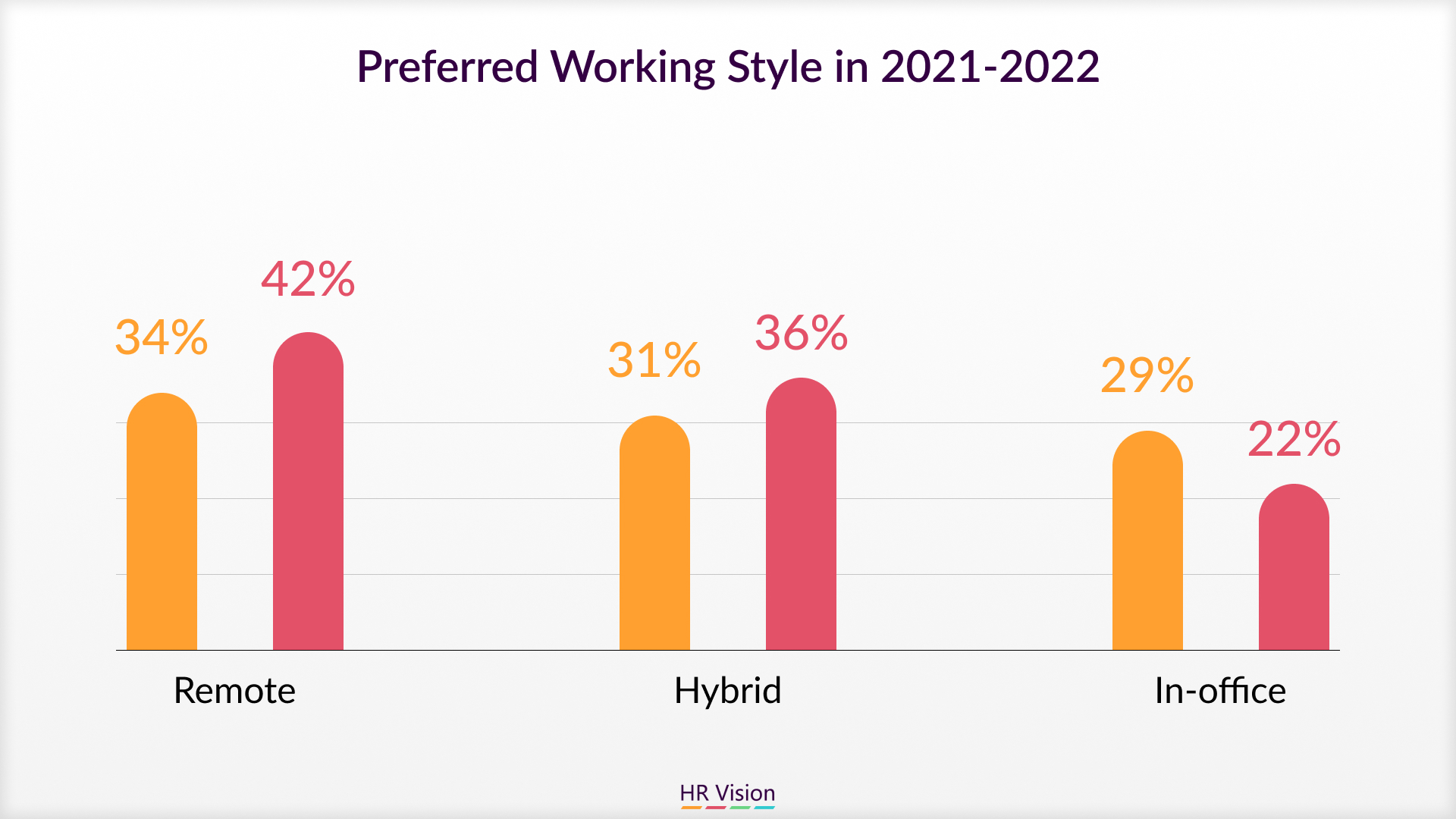
The past few years have witnessed a significant shift in how we work. While the initial surge in remote work due to the global pandemic may have softened slightly, a new work landscape has emerged. According to a recent study, employee preferences have evolved: in 2021, 34% favored remote work, but that number dipped to 29% in 2022. Conversely, the desire for hybrid models rose from 31% to 36%, indicating a preference for a blend of home and office work.
This trend highlights the growing importance of remote work arrangements. A well-defined work-from-home policy offers a range of benefits for both employers and employees. For businesses, it can lead to increased productivity, improved employee satisfaction, and access to a wider talent pool. On the other hand, employees can experience a better work-life balance, reduced commuting costs, and a more flexible work environment.
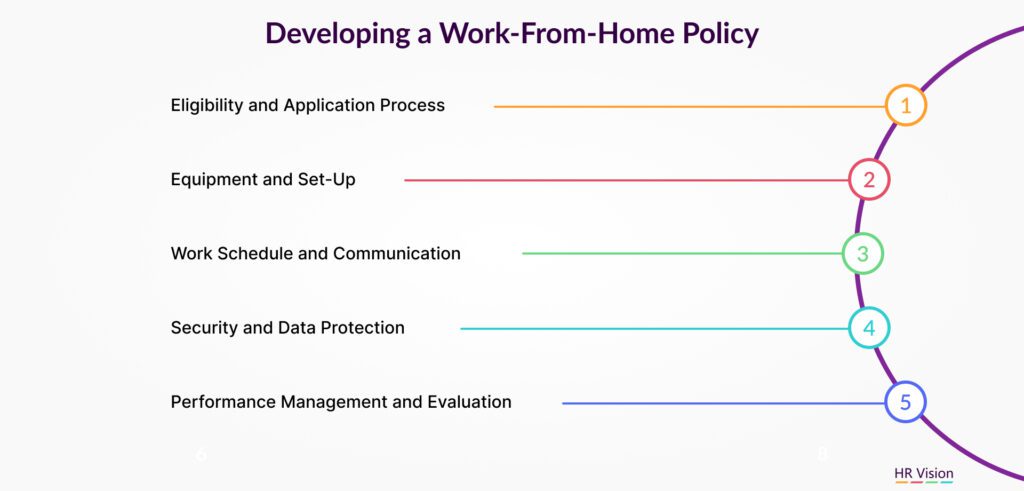
To fully leverage these advantages, it’s crucial to develop a comprehensive work-from-home policy. This policy should address key elements such as eligibility, equipment and setup, work schedules, communication protocols, data security, and performance management.
I. Eligibility and Application Process
Who Can Work From Home?
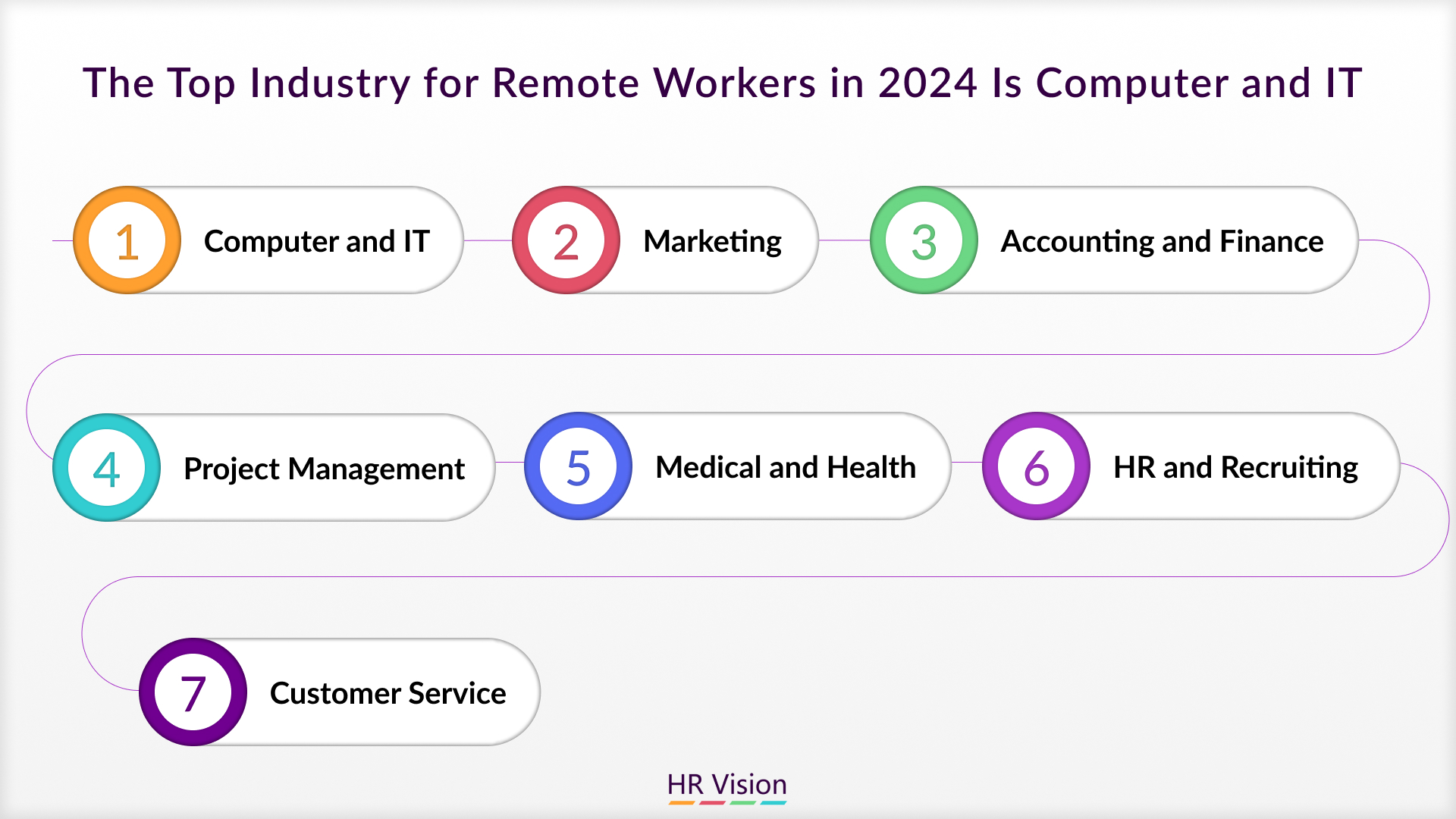
Not all positions are suited for a remote work environment. A well-defined work-from-home policy will clearly outline which roles and positions are eligible for this arrangement. Typically, roles with tasks that can be effectively completed independently and require minimal in-person interaction are strong candidates for remote work. This might include positions like:
- Writers and Editors
- Graphic Designers
- Software Developers
- Customer Service Representatives (phone/email)
- Data Analysts
Requesting Remote Work
For employees interested in working remotely, the policy should detail a transparent application process. This may involve:
- Formal Application: Employees should submit a formal request, often a dedicated form or email outlining their desire to work remotely and the proposed schedule.
- Approval Chain: The application will likely go through a designated approval chain, typically involving the employee’s direct supervisor and potentially the department head.
- Factors Considered: During the review process, managers will consider various factors, including the employee’s job performance, the nature of their duties, and the feasibility of remote work for their specific role. Additionally, factors like reliable internet access and a suitable homework environment may be taken into account.
A clear and well-defined application process ensures fairness and transparency for both employees and management.
II. Equipment and Set-Up
Equipping employees for success is key to a thriving remote work environment. A work-from-home policy should clearly address the company’s approach to:
- Equipment Provision or Reimbursement:
- Some companies may choose to provide all necessary equipment, including laptops, monitors, and ergonomic furniture.
- Others may offer a stipend or reimbursement program to help employees offset the cost of acquiring essential equipment.
- The policy should clearly outline which equipment, if any, the company will provide or reimburse.
- Employee Responsibilities:
Even if the company doesn’t provide equipment, the policy should set clear expectations for what employees are responsible for. This might include having a reliable computer that meets minimum specifications, a stable internet connection, and appropriate office supplies.
- Creating a Dedicated Workspace
The physical work environment plays a crucial role in productivity and well-being. The policy should encourage employees to establish a dedicated workspace at home. This doesn’t necessarily require a separate room, but it should be a defined area free from distractions and conducive to focused work.
- Technical Requirements
The policy should also outline any minimum technical requirements for a successful remote work setup. This might include:
- Reliable internet connection with sufficient bandwidth for video conferencing and file transfers.
- Access to company communication platforms and collaboration tools.
- Security software to protect company data.
III. Work Schedule and Communication
Setting the Hours
A well-defined work schedule is crucial for both remote employees and the company. The work-from-home policy should clearly outline:
- Expected Work Hours: This may involve defining the total number of work hours per week and outlining any core working times when employees are expected to be available for meetings and real-time collaboration.
- Flexibility: The policy can acknowledge the potential benefits of flexible work schedules for remote employees. However, it should also establish clear expectations regarding responsiveness and availability during core working hours.
Staying Connected
Effective communication is paramount for a successful remote team. The policy should address communication expectations, including:
- Preferred Methods: The policy should outline the company’s preferred methods for communication, such as email, instant messaging platforms (e.g., Slack, Microsoft Teams), and video conferencing tools (e.g., Zoom, Google Meet).
- Frequency: Setting expectations for communication frequency helps ensure everyone stays informed and on the same page. This could involve outlining daily check-ins, team meetings, and individual project updates.
Time Tracking and Accountability
While remote work offers flexibility, it’s important to maintain accountability for work hours. The policy should briefly discuss the company’s preferred method for timekeeping for remote workers. This might involve time-tracking software, logging work hours in a project management system, or trusting employees to manage their time effectively while meeting deadlines.
IV. Security and Data Protection
Data security is paramount, especially when employees are working outside the traditional office environment. The work-from-home policy should emphasize the importance of safeguarding sensitive company information.
The recent shift towards cloud-based collaboration platforms like Office 365 (used by 74% of organizations in 2022 according to Check Point, 2022) has necessitated a reevaluation of security measures to protect organizational assets and users. While on-premises email services like Microsoft Exchange are waning in popularity (only 32% reported using them in 2022), robust security practices remain essential.
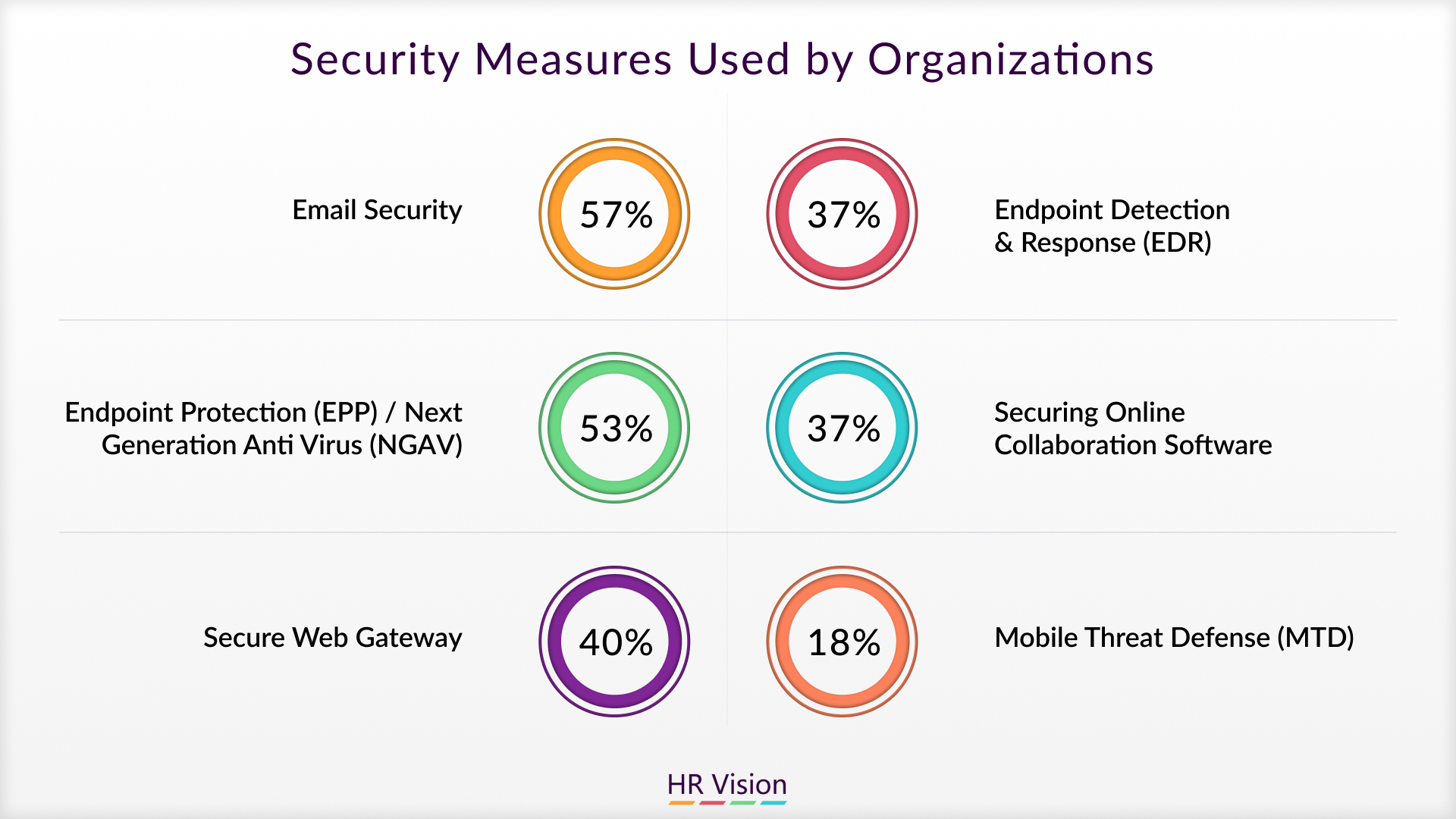
The work-from-home policy should mention any company-provided software or tools used to ensure data security for remote workers. This might include some of the following, used by a significant portion of organizations in 2022:
V. Performance Management and Evaluation
Just because employees are working remotely doesn’t mean performance evaluation goes out the window. The work-from-home policy should explain how the company will assess the performance of remote employees.
- Focus on Results: Performance evaluation should focus on achieving established goals and objectives, rather than simply monitoring activity levels.
- Regular Reviews and Feedback: The policy should emphasize the importance of regular performance reviews and feedback sessions, even in a remote setting. This allows for open communication, goal adjustments, and continuous improvement.
- Utilizing Technology: Several online tools and platforms can facilitate performance management for remote teams. The policy could mention any such tools used by the company for setting goals, tracking progress, and providing feedback.
Conclusion
A well-defined work-from-home policy offers a multitude of advantages for both employers and employees. For companies, it can lead to increased productivity, improved employee satisfaction, and access to a wider talent pool. On the other hand, employees can experience a better work-life balance, reduced commuting costs, and a more flexible work environment.
But these benefits can only be fully realized with a clear and comprehensive policy. This policy should address key elements such as eligibility, equipment and setup, work schedules, communication protocols, data security, and performance management.
Want to delve deeper into the future of work and explore the latest trends in HR, talent management, and leadership? Join us at HR Vision.