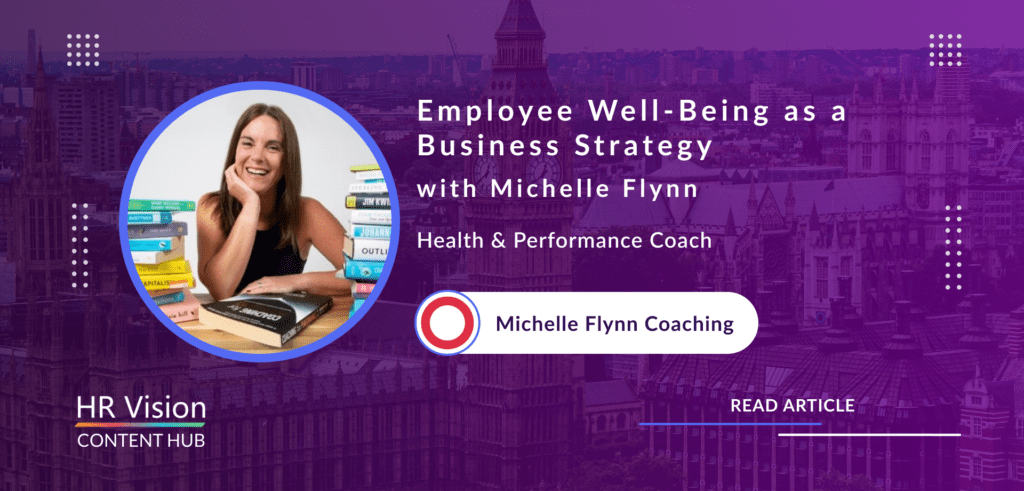
- With over 400 talks and workshops delivered globally for brands like YouTube and Dell, you have extensive experience in workplace performance. What do you see as the most significant factors affecting employee performance today?
One of the most significant factors is the overlap of professional and personal wellbeing. When employees feel overwhelmed by personal challenges, it inevitably affects their ability to perform at work.
Additionally, the pressure to constantly adapt to rapid technological and organisational change can lead to burnout. Leaders who address performance holistically unlock greater potential in their teams.
- As a Certified Health Coach and Breathwork Instructor, how do you integrate physical health practices into workplace performance strategies?
I focus on actionable, science-backed strategies that fit into the flow of work, such as calming breathing exercises for stress management, movement breaks to counteract sedentary routines and nutritional advice to sustain energy.
For example, in my sessions, I teach employees simple breathwork techniques they can use before big meetings or presentations to stay calm and focused. Physical health is directly tied to mental clarity and integrating small habits into daily routines can create massive shifts in workplace performance.
- Your background includes both HR and recruitment experience. How did your experience in these areas influence your current approach to coaching and performance improvement?
Having worked in HR and recruitment, I’ve seen firsthand the pressures leaders and employees face. This background has shaped my coaching approach to be both empathetic and results-oriented. I focus on aligning individual goals with organisational objectives, ensuring that performance improvements are sustainable for both employees and the business.
- What are the common challenges organizations face when trying to improve employee well-being and performance?
One common challenge is a lack of alignment between leadership priorities and employee needs. Organisations often roll out wellbeing programs without truly understanding the challenges employees face. Another barrier is sustainability. Initiatives tend to fizzle out if they’re not embedded into the company culture.
Finally, there’s often stigma around discussing mental health or personal struggles, which prevents employees from engaging with the resources available.
- What strategies do you think organizations should adopt to support employees’ mental health during recruitment and onboarding processes?
Start with empathy and transparency. Recruitment is often a stressful process for candidates, so providing clear communication, realistic expectations and support can make a huge difference. During onboarding, organisations should go beyond job training and introduce mental health resources early. Creating a sense of belonging and psychological safety from day one sets the tone for an employee’s experience.
- How do you tailor your coaching sessions to meet the diverse needs of employees across different industries and backgrounds?
I begin by understanding the unique challenges and opportunities within each company and industry. Through individual assessments, I tailor strategies to suit the employee’s role, goal, and personality. For example, in fast-paced industries like tech, I might focus on time management and burnout prevention, whereas in other sectors, I might emphasise leadership communication. My approach is rooted in active listening and adaptability, ensuring every session delivers value.
- How can HR leaders better support employees during times of high stress, such as during organizational changes or mergers?
The key is communication and proactive support. HR leaders should provide clear updates about changes and create forums where employees can express concerns. Offering resilience training, support programs and access to mental health resources is also critical. HR leaders need to model transparency and empathy, showing that they recognise the stress employees are experiencing and are actively working to support them.
- You often speak on the importance of healthier lifestyles. What role do you think workplace wellness programs should play in enhancing overall company culture?
Workplace wellness programs should be seen as an essential part of company culture, not a “nice-to-have” perk. A healthy lifestyle boosts energy, focus and morale, which directly impacts productivity and retention. Programs that encourage movement, mindfulness, and connection help employees feel valued and supported.
When wellness is integrated into everyday operations — like walking meetings or mindfulness breaks — it becomes a core part of how a company operates, enhancing not just performance but also loyalty.
- Finally, what advice would you offer to HR professionals looking to implement more holistic approaches to employee health?
Start by listening. Use surveys, focus groups or one-on-one discussions to understand the unique challenges your employees face. From there, design programs that address physical, mental and emotional wellbeing. Focus on small, actionable steps — like encouraging work-life balance through flexible schedules — and lead by example. Lastly, success is measured not just in ROI but also in employee engagement and satisfaction.
Ready to stay ahead in the ever-changing world of HR? Join us at HR Vision, where top HR leaders gather to explore the future of work, HR trends, and the power of HR analytics and technology.