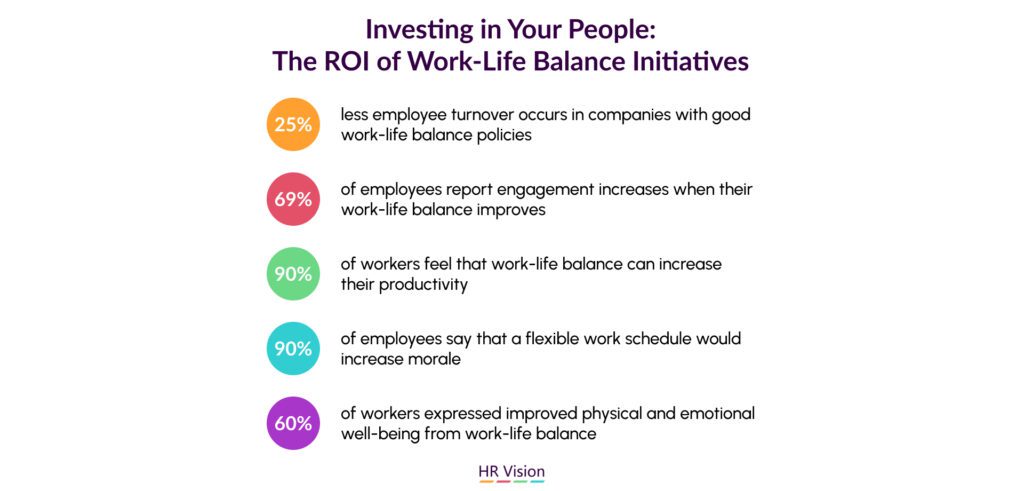
Did you know burnt-out employees cost companies billions of dollars each year? Research shows that a stressed and overworked workforce is less productive, more likely to be absent, and quicker to leave their jobs. A recent report by Hays revealed that more than half of employees would consider leaving a high-paying job for one that offered a better work-life balance. This highlights a crucial question for businesses: is prioritizing work-life balance simply a feel-good initiative, or is there a tangible return on investment (ROI) for companies that embrace it?
The Cost of Poor Work-Life Balance
The constant pressure to be “on” can take a real toll on your employees. Beyond the feeling of being constantly overwhelmed, a poor work-life balance leads to a cascade of negative consequences for both individuals and businesses.
Studies reveal the devastating impact this imbalance has on personal lives. A staggering 49% of people report a decline in family relationships due to work demands. The pressure creates a physical and emotional disconnect, leaving loved ones feeling neglected and unheard.
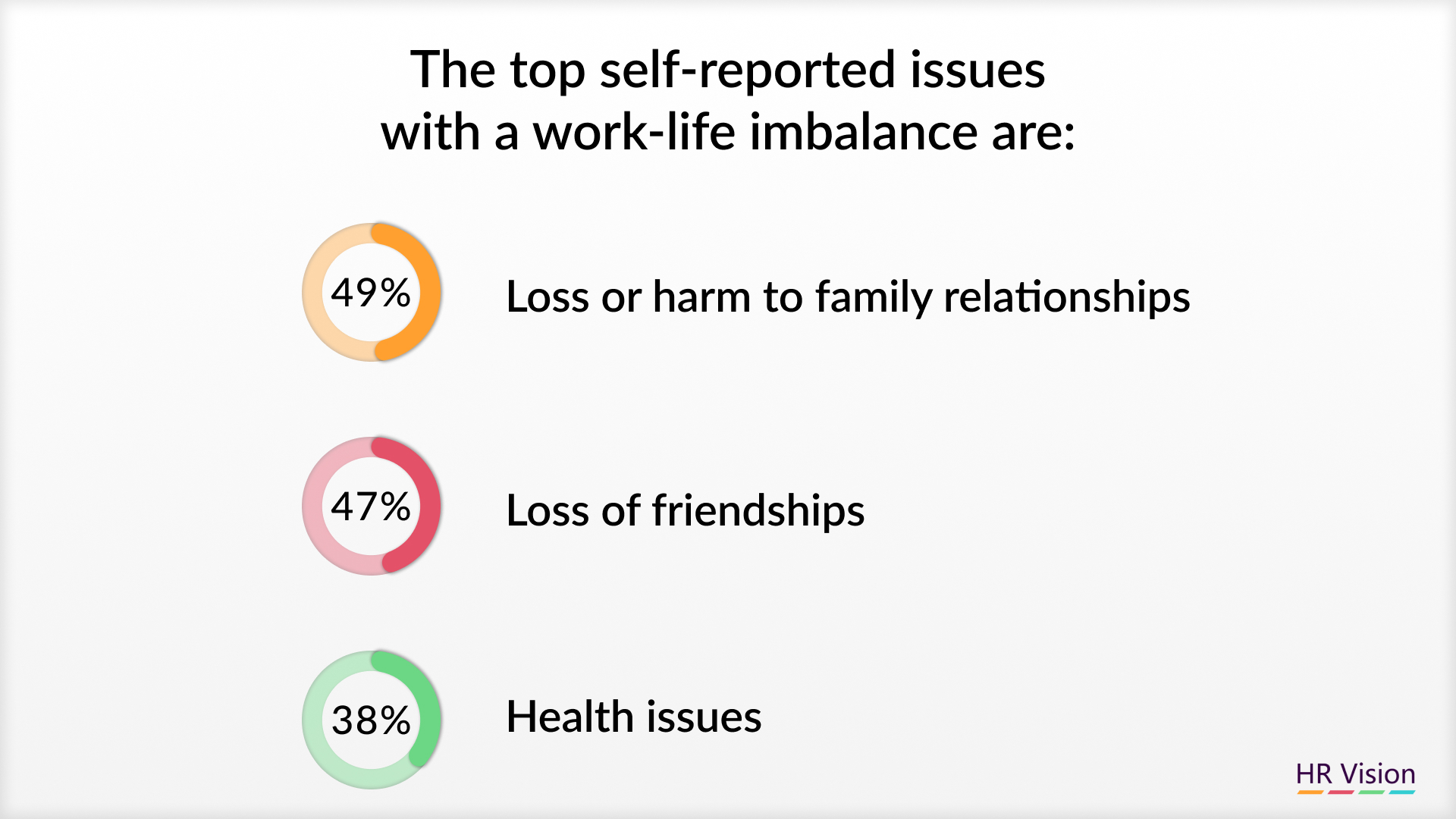
Nearly half say their friendships suffer. The time and energy dedicated to work leaves little room for nurturing the connections that provide essential social support, leading to feelings of isolation and loneliness. Most worryingly, a concerning 38% experience health issues as a direct result of work-life imbalance. Chronic stress, sleep deprivation, and neglecting healthy habits like exercise and proper nutrition all contribute to a decline in physical and mental well-being. This can manifest as increased illness, weakened immune systems, and even burnout.
The financial impact goes even deeper. Health-related costs associated with absenteeism, reduced productivity, and even injuries due to stress and fatigue contribute a staggering $190 billion annually. This burden is shared by both employers and the healthcare system, highlighting the economic cost of neglecting employee well-being. But the financial impact doesn’t stop there.
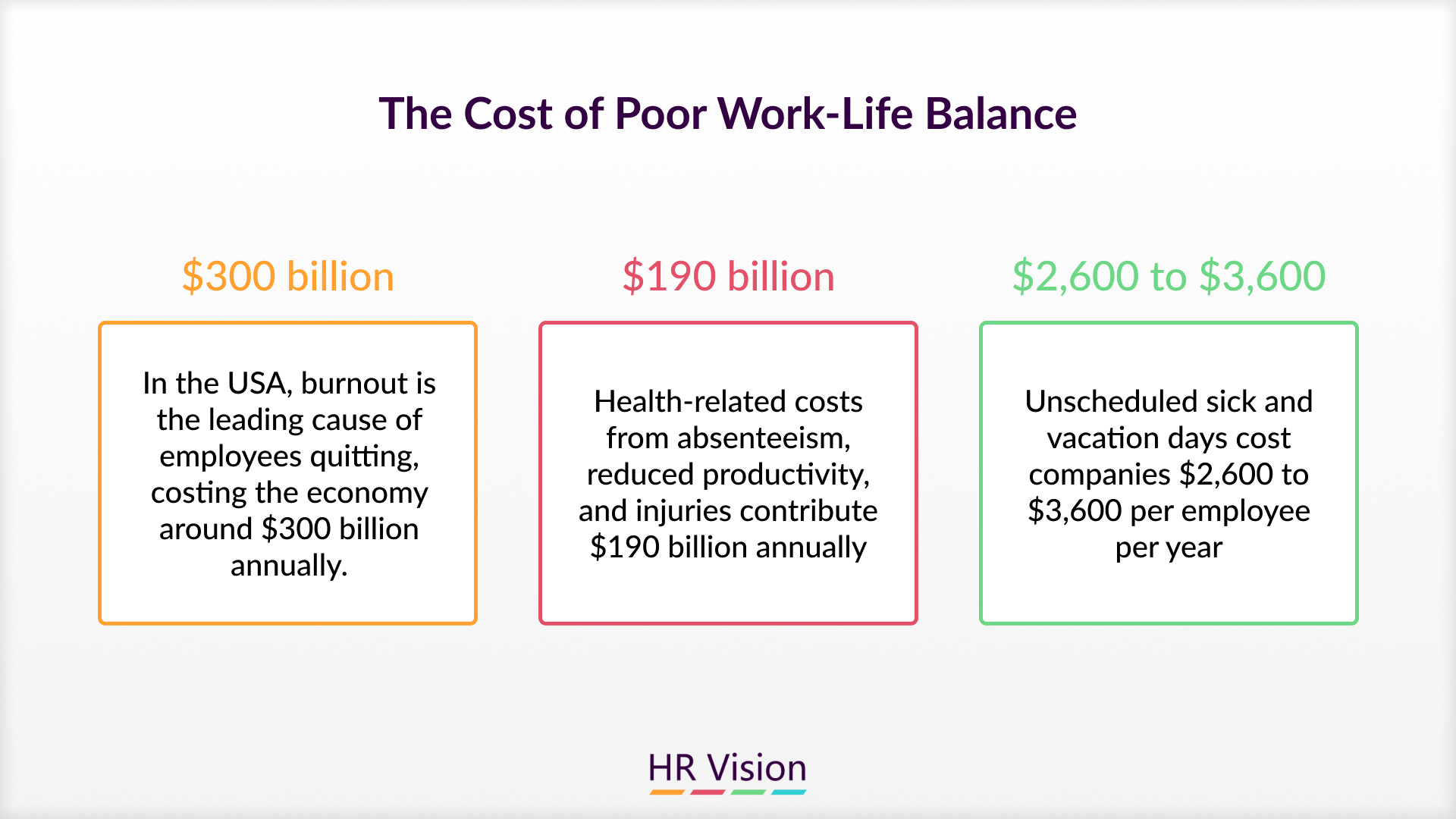
Disengaged employees are less likely to go the extra mile, innovate, or contribute to a positive company culture. This can stifle creativity and hinder a company’s ability to compete in the marketplace. In short, a lack of work-life balance isn’t just bad for employees’ personal lives and well-being – it’s a significant drain on a company’s bottom line.
The Benefits of Work-Life Balance Initiatives
Fortunately, there’s a solution. By implementing work-life balance initiatives, companies can create a win-win situation for both themselves and their employees. Here’s how:
- Improved Employee Well-being and Morale
When employees feel their personal lives are valued and supported by their employers, it leads to a significant boost in well-being and morale. Studies show that companies offering comprehensive wellness programs see a remarkable 70% increase in employee satisfaction. This translates to happier, healthier employees who are more engaged and motivated at work.
- Increased Productivity and Engagement
Employees struggling with work-life imbalance are often fatigued and disengaged. Initiatives promoting stress reduction and burnout prevention, like mindfulness training or flexible work arrangements, can lead to a significant improvement. In fact, companies that implemented such programs reported a 25% reduction in burnout symptoms. With less stress and more focus, employees are more productive and engaged, leading to better quality work and improved overall performance.
- Enhanced Creativity and Innovation
A well-rested and balanced employee is an employee with a fresh perspective. When personal lives are flourishing, employees bring a renewed sense of energy and creativity to the workplace. This fosters an environment conducive to innovation, allowing teams to develop new ideas and tackle challenges with a more positive and solution-oriented mindset.
- Reduced Absenteeism and Presenteeism
When employees feel supported in achieving work-life balance, they’re less likely to miss work due to stress-related illness or exhaustion. Additionally, presenteeism, the act of being physically present but mentally checked out, also declines. Flexible work arrangements, for example, can help employees attend to personal needs without sacrificing productivity, leading to a more engaged and present workforce.
- Improved Employee Retention and Loyalty
In today’s competitive job market, employees have more choices than ever. A whopping 72% of workers consider work-life balance a key factor when choosing a job. By prioritizing well-being, companies can attract and retain top talent. Furthermore, employees with good work-life balance are 10% more likely to stay in their current jobs, reducing costly turnover and fostering a loyal and dedicated workforce.
Want to know the hidden costs associated with employee turnover? Read our article, “The Hidden Costs of Employee Turnover”.
Practical Initiatives for Your Workplace
Fortunately, creating a work environment that supports work-life balance doesn’t require a complete overhaul. There are many practical initiatives companies can implement to make a significant difference in their employees’ lives.
One key area is flexibility. Offering flexible work arrangements, such as remote work options or flexible start and end times, empowers employees to manage their schedules and personal needs more effectively. This can be particularly beneficial for parents, caregivers, or individuals with long commutes.
Another critical component is ensuring employees have adequate time away from work to recharge and reconnect with their personal lives. Generous paid time off policies, including vacation days, sick leave, and personal days, allow employees to take necessary breaks and avoid burnout. Additionally, robust parental leave policies provide crucial support to new parents during a demanding but rewarding time.
Companies can go even further by offering on-site childcare or childcare support benefits, easing the burden of managing childcare arrangements. Wellness programs that promote physical and mental health are also crucial. These can include fitness programs, access to mental health resources, or even mindfulness training to help employees manage stress and prioritize well-being. Finally, establishing clear “disconnected” time policies can be highly effective. This could involve encouraging regular breaks throughout the day, discouraging after-hours work emails, or even implementing company-wide blackout periods where communication is limited outside of work hours.
Measuring the ROI of Work-Life Balance
Investing in work-life balance initiatives is an investment in your most valuable asset – your people. But how do you measure the return on that investment (ROI)? Here are some key metrics to consider:
• Employee Surveys: Regularly conducting surveys that gauge employee satisfaction and well-being provides valuable insights. Do employees feel their work-life balance is supported? Has their stress level decreased? Are they more engaged and motivated? Positive responses to these questions indicate that your initiatives are having a positive impact.
• Productivity Metrics: Look for a correlation between work-life balance initiatives and productivity. Track key metrics like output, error rates, and project completion times. If employees are well-rested and focused, they’re likely to be more productive, leading to improved overall team performance and higher-quality work.
• Absence and Turnover Rates: Excessive absenteeism and high turnover rates are costly for businesses. By implementing work-life balance programs, you may see a decrease in both. Fewer employees calling in sick due to stress or exhaustion, and a more loyal workforce less likely to seek new employment opportunities translates to significant cost savings.
• Cost Savings from Reduced Healthcare Utilization: Chronic stress and work-life imbalance can lead to a decline in physical and mental health, resulting in increased healthcare costs. By investing in employee well-being initiatives, you may see a reduction in healthcare claims and utilization, leading to significant financial benefits for both the company and employees.
Tracking these metrics over time and comparing them to pre-initiative data can provide a strong case for the ROI of work-life balance programs. By demonstrating the positive impact on employee well-being, productivity, and cost savings, you can make a compelling argument for continued investment in these valuable initiatives.
Conclusion
Employees who feel supported in managing their personal lives are happier, healthier, and more productive. Conversely, a lack of work-life balance leads to a cascade of negative consequences, impacting not only employee well-being but also a company’s bottom line.
Fortunately, there are many practical initiatives companies can implement to create a work environment that fosters balance. From flexible work arrangements and generous time-off policies to on-site childcare and wellness programs, these initiatives demonstrate a commitment to employee well-being. The positive impact is multifaceted, leading to increased employee satisfaction, improved productivity, reduced turnover rates, and even cost savings on healthcare.
By measuring the ROI of work-life balance programs through employee surveys, productivity metrics, and absence/turnover rates, companies can build a strong case for continued investment. Ultimately, prioritizing work-life balance is a win-win situation, creating a positive and productive work environment for employees while ensuring the long-term success of the business.
Want to delve deeper into work-life balance strategies and connect with HR leaders at the forefront of the conversation? Join us at HR Vision! This industry-leading conference brings together top HR professionals to discuss the latest trends and best practices in talent management, leadership, and HR technology.