In a world that is becoming increasingly digitized, the winds of change are sweeping through every corner of the business landscape. Nowhere is this transformation more evident than in the realm of Human Resources. 88% of companies globally have embraced the power of artificial intelligence (AI) technology in their HR departments.
Overview of AI and its Applications
Before we delve deeper into how AI is shaping the landscape of Human Resources, it’s crucial to understand the scope of AI and its applications within this field. AI, in its various forms, encompasses machine learning, natural language processing, chatbots, and data analytics. These technologies have found a myriad of applications in HR, from automating routine tasks to providing advanced predictive analytics. In essence, AI has opened new horizons in HR by augmenting human decision-making with data-driven insights and efficiency-enhancing tools.
How AI is Addressing HR Challenges:
The adoption of AI in HR is not merely a technological upgrade; it’s a response to a range of critical challenges faced by HR professionals. Here are five key areas where AI is making a significant impact:
1. Recruitment and Candidate Selection
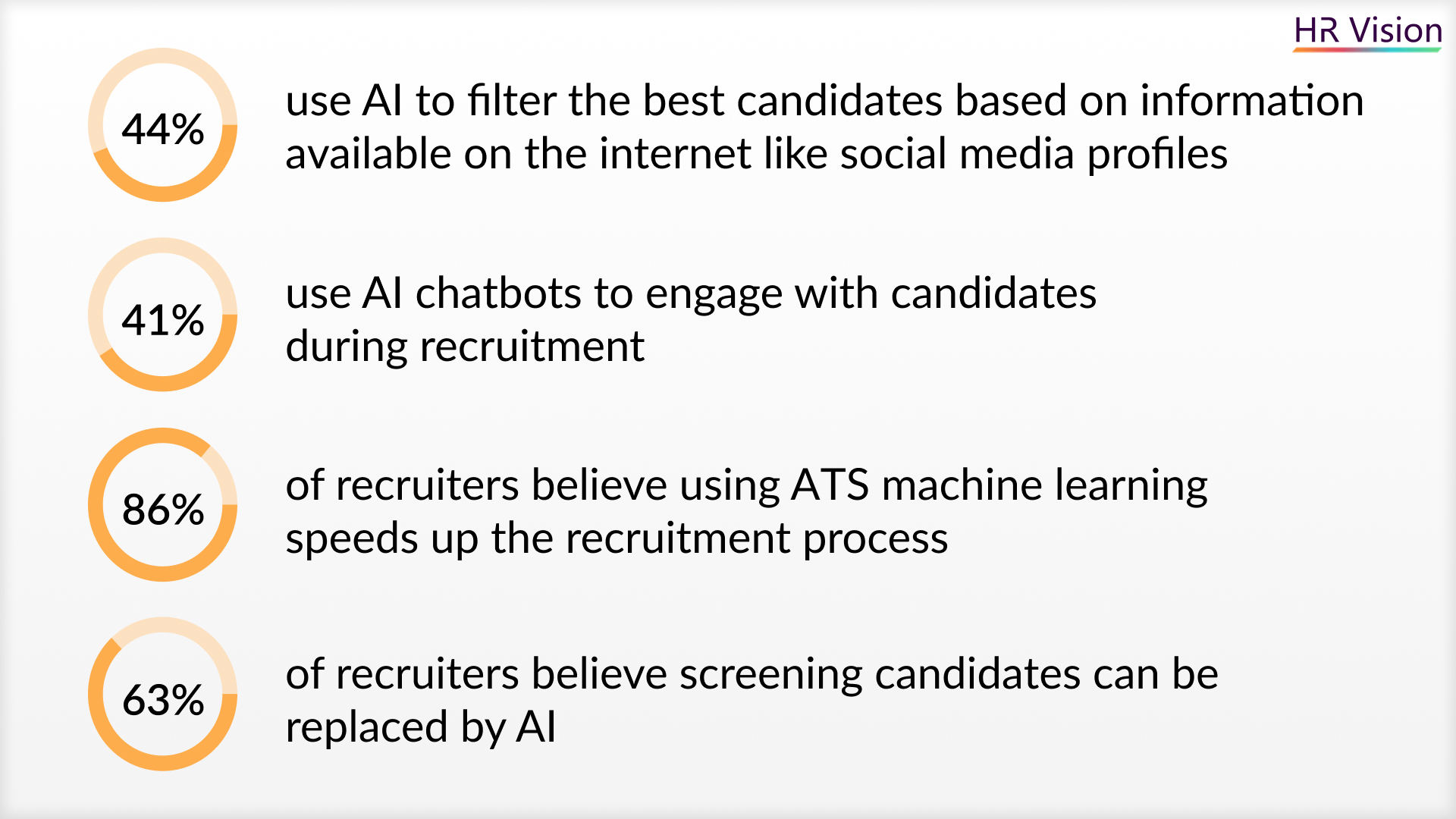
Recruitment has traditionally been a time-consuming and resource-intensive process. AI-powered tools are streamlining candidate sourcing, screening, and even interviewing. With algorithms that can assess resumes, analyze candidate profiles, and predict cultural fit, HR professionals can identify top talent more efficiently. Furthermore, chatbots and automated communications enhance candidate experiences, providing instant responses and reducing lead time in the hiring process.
2. Employee Onboarding and Training
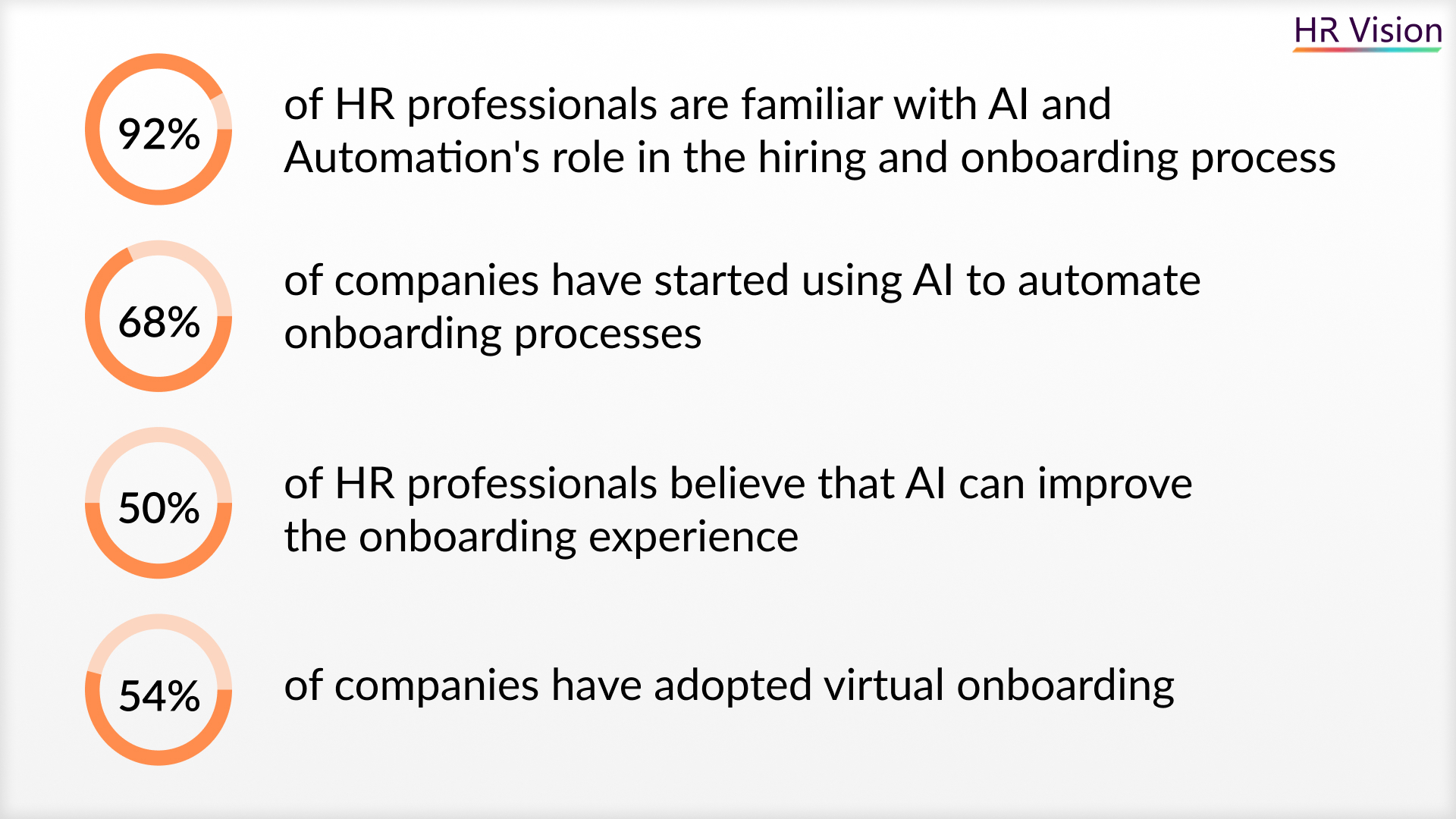
Effective onboarding and continuous training are vital for employee success. AI-driven systems can personalize onboarding experiences, helping new hires navigate their roles, providing access to resources, and tracking progress. Chatbots can answer routine questions, freeing HR professionals to focus on more complex tasks. Moreover, AI can recommend training modules based on an employee’s skill gaps, helping them acquire the necessary skills for career growth.
3. Employee Engagement and Retention
41% of organizations use AI chatbots to engage with candidates during recruitment. Engaged employees are more likely to stay with an organization. AI tools can monitor employee sentiment through surveys, feedback analysis, and even email communication. Predictive analytics can help HR professionals identify potential flight risks and take proactive measures to improve engagement. This data-driven approach empowers HR teams to design more effective engagement strategies.
4. Performance Management
AI-driven performance management tools enable real-time feedback, helping employees improve their performance. These tools can provide insights into an employee’s strengths and areas needing improvement, fostering a culture of continuous growth. Performance reviews, goal setting, and development plans are made more objective and data-driven, reducing biases and enhancing transparency.
5. HR Analytics and Data-Driven Decision-Making
Perhaps one of the most significant advantages AI offers to HR is its capability to transform vast amounts of HR-related data into actionable insights. HR professionals can use AI to identify trends, assess workforce demographics, and predict future workforce needs. This empowers organizations to make strategic, data-driven decisions, from succession planning to diversity and inclusion initiatives.
Benefits of AI in HR
In a recent survey conducted among HR managers, the perceived benefits of incorporating Artificial Intelligence (AI) into their operations were assessed. The findings shed light on how HR professionals view AI as a tool for optimizing their work processes and improving overall efficiency.
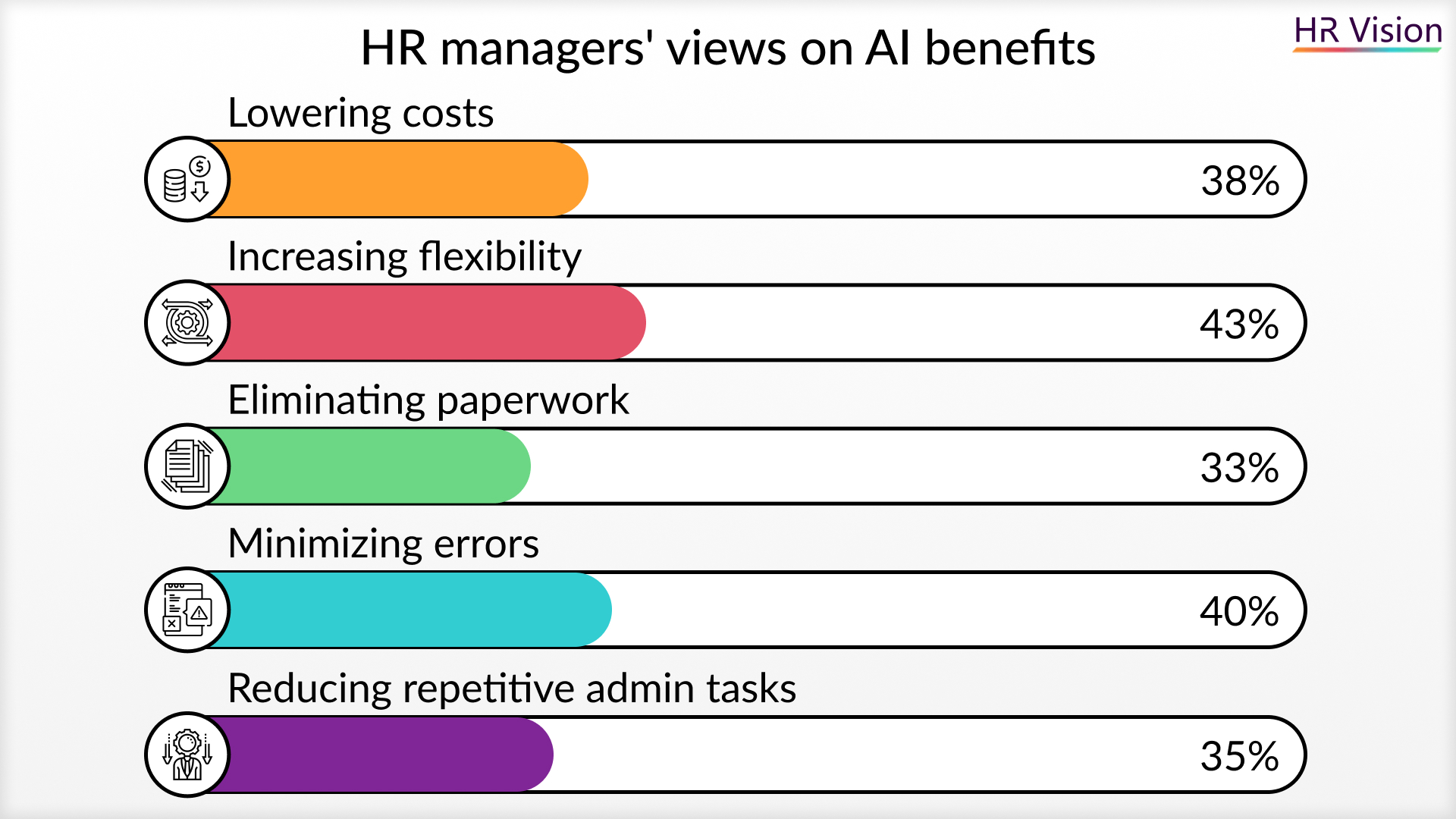
As AI continues to play a transformative role in the HR domain, its adoption is accompanied by a multitude of advantages that organizations can leverage to enhance their HR processes and overall workforce management. Here are five key benefits of implementing AI in HR:
1. Streamlined Recruitment
The traditional recruitment process, characterized by manual resume screening and time-consuming interviews, is now significantly streamlined through AI. With AI-driven tools, HR professionals can quickly identify top candidates, assess their qualifications, and predict their compatibility with the company culture. This not only accelerates the hiring process but also improves the quality of candidate selection, ensuring a better fit for the organization.
2. Efficiency and Time Savings
AI automates many routine and time-consuming HR tasks, freeing HR professionals to focus on more strategic and value-added activities. Chatbots can handle employee inquiries, while AI-driven systems can automate scheduling, onboarding, and training processes. This increased efficiency results in time savings for HR teams, enabling them to be more proactive and responsive in their roles.
3. Cost Reduction
The implementation of AI in HR can lead to significant cost savings. By automating repetitive tasks, organizations can reduce the need for manual labor and lower operational costs. Furthermore, AI can help identify areas where cost-cutting measures can be applied, such as optimizing workforce planning and reducing employee turnover, ultimately improving the bottom line.
4. Employee Engagement and Satisfaction
AI tools can enhance employee engagement and satisfaction in various ways. Chatbots can provide instant responses to employee queries, improving their experience with HR services. According to a study conducted by IBM, AI-powered HR processes can resolve up to 80% of routine customer queries, and improve engagement. Personalized training and development recommendations can contribute to employees feeling more valued and invested in their professional growth. Moreover, by identifying potential retention issues early through predictive analytics, HR can proactively address concerns and foster a positive workplace environment.
5. Personalization
AI enables HR to deliver a more personalized experience for employees. From tailored onboarding experiences to individualized career development paths, AI can use data to cater to the unique needs and preferences of each employee. Personalization not only enhances employee satisfaction but also contributes to higher levels of productivity and a stronger sense of belonging within the organization.
AI Challenges in HR
Data Privacy and Security
Ensuring robust data privacy and security is paramount in the integration of AI into HR practices. The protection of sensitive employee information is essential to maintain trust within the workforce and comply with legal requirements. By implementing strong data encryption, adhering to data protection regulations, and controlling data access, organizations can safeguard HR data from unauthorized access or breaches. Employing techniques such as data anonymization and de-identification strikes a balance between data utility and individual privacy, allowing organizations to harness the power of AI in HR while respecting data privacy.
Ethical Considerations in AI-Driven HR
Ethical considerations are central to AI-driven HR, as the decisions made by these systems can significantly impact employees’ lives and careers. Developing and adopting an ethical AI framework ensures that AI systems used in HR are designed with fairness, transparency, and bias mitigation in mind. Regular bias audits and transparent, explainable AI systems help identify and rectify any discriminatory or biased practices. It’s essential to provide training on ethics for HR professionals, data scientists, and AI developers, fostering an understanding of the ethical implications of AI in HR and their responsibility in mitigating these concerns.
Resistance to AI Adoption Among Employees
Employee resistance to AI adoption can hinder the successful implementation of AI-driven HR processes. Change management programs are crucial in preparing the workforce for this transition, addressing concerns, and emphasizing the advantages of AI in HR, such as increased efficiency and improved decision-making. Engaging employees in the AI implementation process by soliciting their input and incorporating their feedback can alleviate fears and uncertainties. Clear communication, explaining the reasons for AI integration, and highlighting the potential for upskilling and reskilling can help employees see AI as a tool that complements their work rather than a threat to their jobs.
The Future of AI in Human Resources
The future of AI in human resources promises a continued evolution of innovative trends and technologies. One key emerging trend is the use of natural language processing (NLP) to enhance HR functions. NLP allows HR professionals to extract valuable insights from unstructured data sources like employee surveys, emails, and social media, providing a deeper understanding of employee sentiments and engagement. Additionally, machine learning algorithms are becoming more sophisticated in predicting employee turnover and identifying high-potential candidates, thus revolutionizing talent management. Automation and chatbots in HR are becoming increasingly prevalent, streamlining routine HR tasks and improving employee self-service. Virtual reality (VR) and augmented reality (AR) are also making inroads for immersive training, onboarding, and development experiences, offering a novel way to enhance employee learning and engagement.
Looking ahead to the next decade, the integration of AI in human resources is expected to reshape the HR landscape significantly. AI-driven predictive analytics will become more accurate, allowing organizations to proactively address employee retention, performance, and development. Personalized learning paths for employees, driven by AI recommendations, will become standard, fostering skill development and career advancement. AI-powered diversity and inclusion initiatives will continue to combat bias and discrimination, promoting workplace equality. The use of AI in employee well-being programs, including mental health support and stress management, is poised to grow, addressing the evolving needs of a remote and diverse workforce. Overall, AI will not only streamline HR processes but also enhance employee experiences, ultimately leading to more efficient and inclusive workplaces in the coming years.
Excited about how AI is transforming Human Resources? Join us at HR Vision. Learn from top HR leaders about the future of work and the evolving trends in HR.