
The traditional methods of employee training are undergoing a profound transformation in the face of the digital age. Gone are the days when training sessions were confined to physical classrooms or rigid schedules. The advent of digital technologies has ushered in a new era of workplace learning that is characterized by flexibility, accessibility, and personalized experiences. From e-learning platforms to virtual reality simulations, the options available for organizations to facilitate learning have expanded exponentially.
Traditional Methods vs. Digital Learning Tools
In the not-so-distant past, employee learning predominantly revolved around traditional classroom training sessions. While these sessions offered a structured environment for knowledge transfer, they were not without limitations. Classroom training often struggles with constraints such as geographical barriers, fixed schedules, and the one-size-fits-all approach, making it challenging for organizations to adapt swiftly to the diverse learning needs of a modern workforce.
With the advent of digital learning tools, there has been a seismic shift towards online platforms, ushering in a new era of workforce empowerment. These platforms provide a flexible and scalable alternative to traditional classroom settings. Employees now have the freedom to engage with learning materials at their own pace, breaking away from the constraints of rigid schedules. The rise of online learning platforms has democratized access to educational resources, enabling organizations to cater to the unique learning styles and preferences of their workforce.
Adoption of Digital Tools in Employee Training
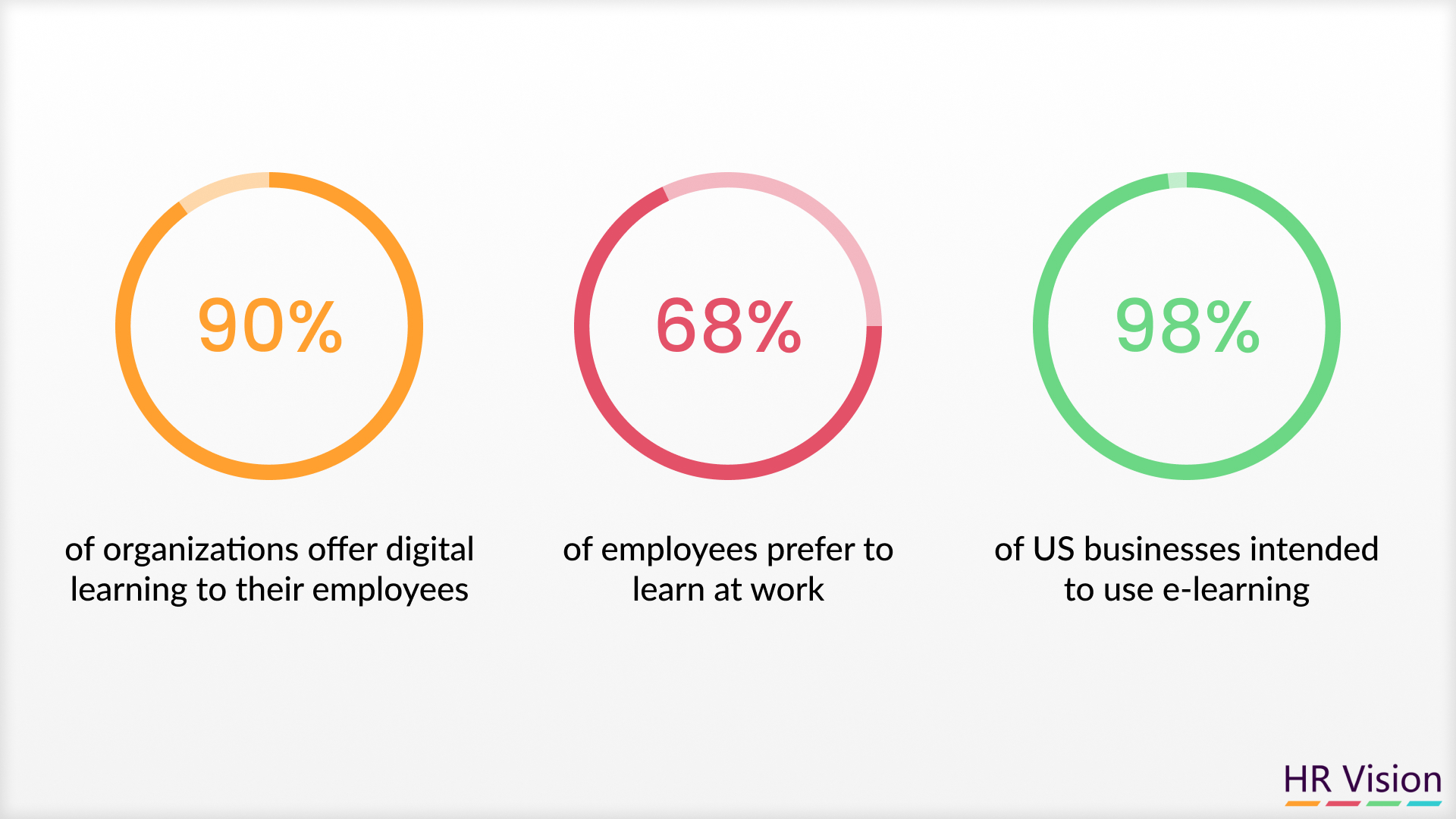
The transition from traditional methods to digital employee learning tools is not merely anecdotal; it is substantiated by compelling statistics. According to Training Magazine, 32% of large businesses are more likely to use computer-based or online learning techniques than other training delivery methods. The adoption of digital tools in employee training has witnessed a remarkable surge in recent years. These statistics underscore the acknowledgment by organizations of the effectiveness and efficiency offered by digital learning tools. Whether through Learning Management Systems (LMS), virtual classrooms, or mobile applications, the data reflects a paradigm shift towards embracing technology to enhance the learning experience for employees.According to a recent survey conducted by the Society for Human Resource Management (SHRM) in 2022, the following preferences highlight the increasing adoption of digital employee learning tools:
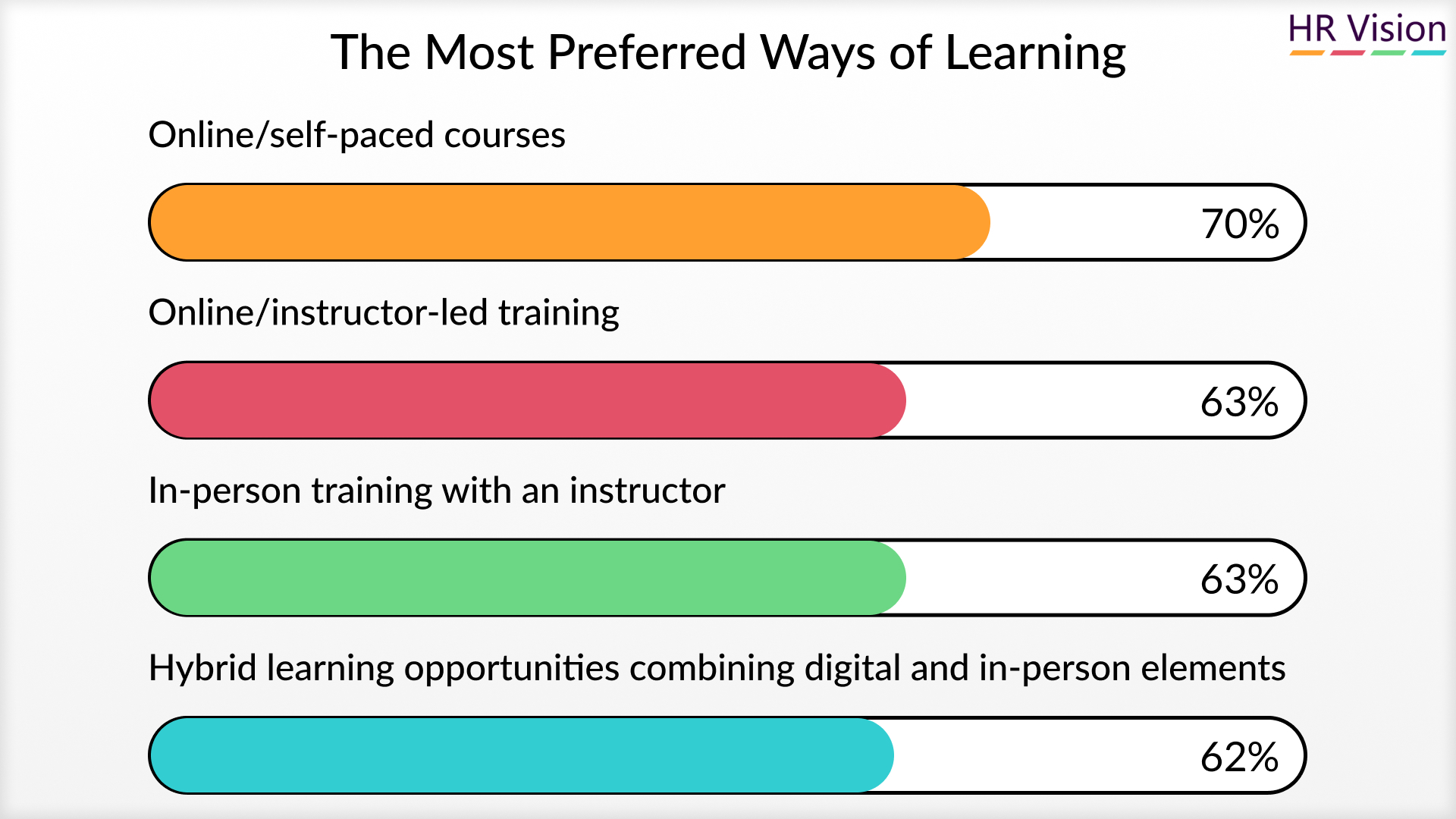
This shift in learning methodologies marks a pivotal moment in the way organizations invest in employee learning and development, emphasizing a departure from traditional norms in favor of dynamic, tech-driven approaches that better align with the needs of the contemporary workforce.
Advantages of Digital Tools in Employee Learning Programs
Digital tools bring a myriad of advantages to employee learning programs, revolutionizing the way organizations approach training and development. One notable benefit lies in the accessibility and flexibility offered by these tools. With online courses, employees can engage with learning materials at their own pace and convenience, breaking away from the confines of traditional classroom schedules. This adaptability is particularly crucial in a globalized workforce, where employees may be located in different time zones. The ease of access to learning content fosters a culture of continuous learning, enabling employees to acquire new skills and knowledge when it best suits their individual needs.
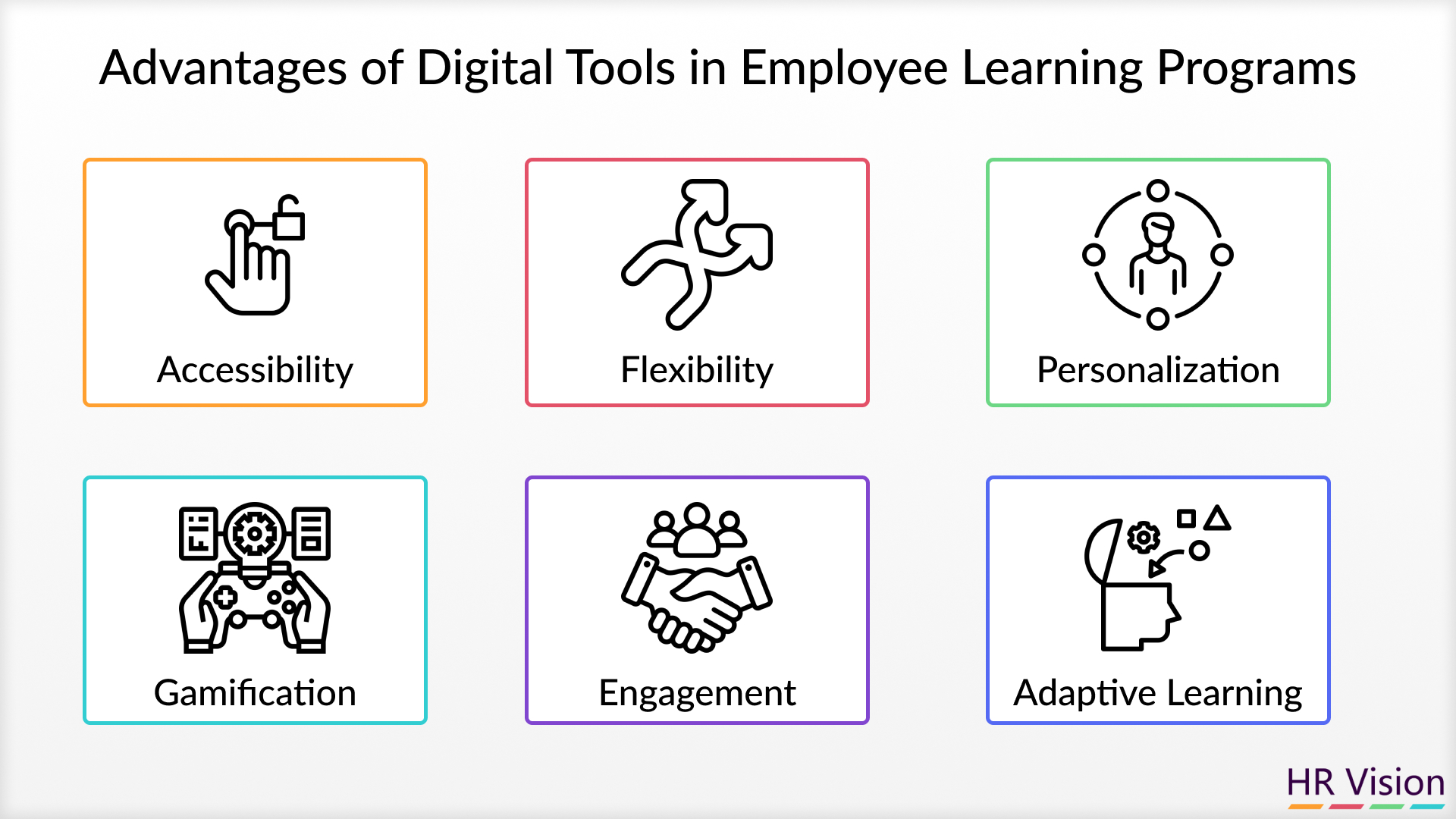
Personalization and adaptive learning represent another significant advantage of digital tools in employee training. Through advanced analytics and AI-driven algorithms, organizations can tailor learning content to the specific needs and learning styles of individual employees. This customization ensures that employee training programs are not one-size-fits-all but rather cater to the unique strengths and areas for improvement of each employee. The result is a more engaging and effective learning experience, as employees can focus on areas that directly contribute to their professional growth. This personalized approach enhances knowledge retention and skill application, ultimately bolstering the overall effectiveness of employee training programs in the digital era.
Digital Tools in Management Training
As technology continues to evolve, the integration of digital tools has become indispensable in optimizing these learning initiatives. While the overarching benefits of digital tools in employee learning programs are well-established, it is crucial to delve into specific areas such as management training to understand how these tools can significantly enhance leadership development within an organization.
1. Interactive Learning Platforms.
Digital tools have revolutionized traditional learning platforms by introducing interactive and engaging features. In management training, these platforms can simulate real-world scenarios, allowing aspiring managers to make decisions and witness the consequences in a risk-free environment. This fosters a more hands-on and experiential learning approach, better-preparing managers for the dynamic challenges they may face in their roles.
2. Data Analytics for Performance Measurement.
Digital tools allow organizations to collect and analyze data on employees’ performance in real time. In management training, this data-driven approach helps identify areas of strength and weakness for individual managers.
3. Collaborative Learning Platforms.
Effective management often involves collaboration and teamwork. Digital tools facilitate collaborative learning platforms where managers can share experiences, best practices, and insights with their peers. This collaborative approach not only enriches the learning experience but also builds a sense of community among managers, fostering a supportive network within the organization.
4. Microlearning Modules.
Digital tools enable the creation of bite-sized, easily digestible content known as microlearning modules. These modules are particularly beneficial for busy managers who may have limited time for training.
Virtual Reality (VR) and Augmented Reality (AR)
Virtual Reality (VR) and Augmented Reality (AR) have ushered in a new era of employee learning by providing immersive experiences that transcend traditional training methods. Through VR, employees are transported to simulated environments that replicate real-world scenarios, offering a level of engagement and experiential learning that is unparalleled. This approach is particularly potent for industries where hands-on experience is critical, such as healthcare, manufacturing, and emergency services. The immersive nature of VR not only captures attention but also enhances knowledge retention as employees actively participate in lifelike scenarios, creating a profound impact on their learning journey.
The application of VR and AR in skills training extends beyond mere simulation, finding real-world relevance across diverse industries. These technologies provide a safe and controlled environment for employees to practice and refine their skills, minimizing the risks associated with on-the-job training. Whether it’s practicing surgical procedures in healthcare, troubleshooting machinery in manufacturing, or enhancing customer service skills in retail, VR and AR bridge the gap between theoretical knowledge and practical application. The hands-on, interactive nature of these technologies ensures that employees not only understand concepts but also gain the proficiency and confidence needed to excel in their roles. As industries continue to recognize the transformative potential of VR and AR, the integration of these technologies into employee learning programs is poised to become a cornerstone for fostering expertise and competence in the digital age.
Learning Management Systems (LMS)
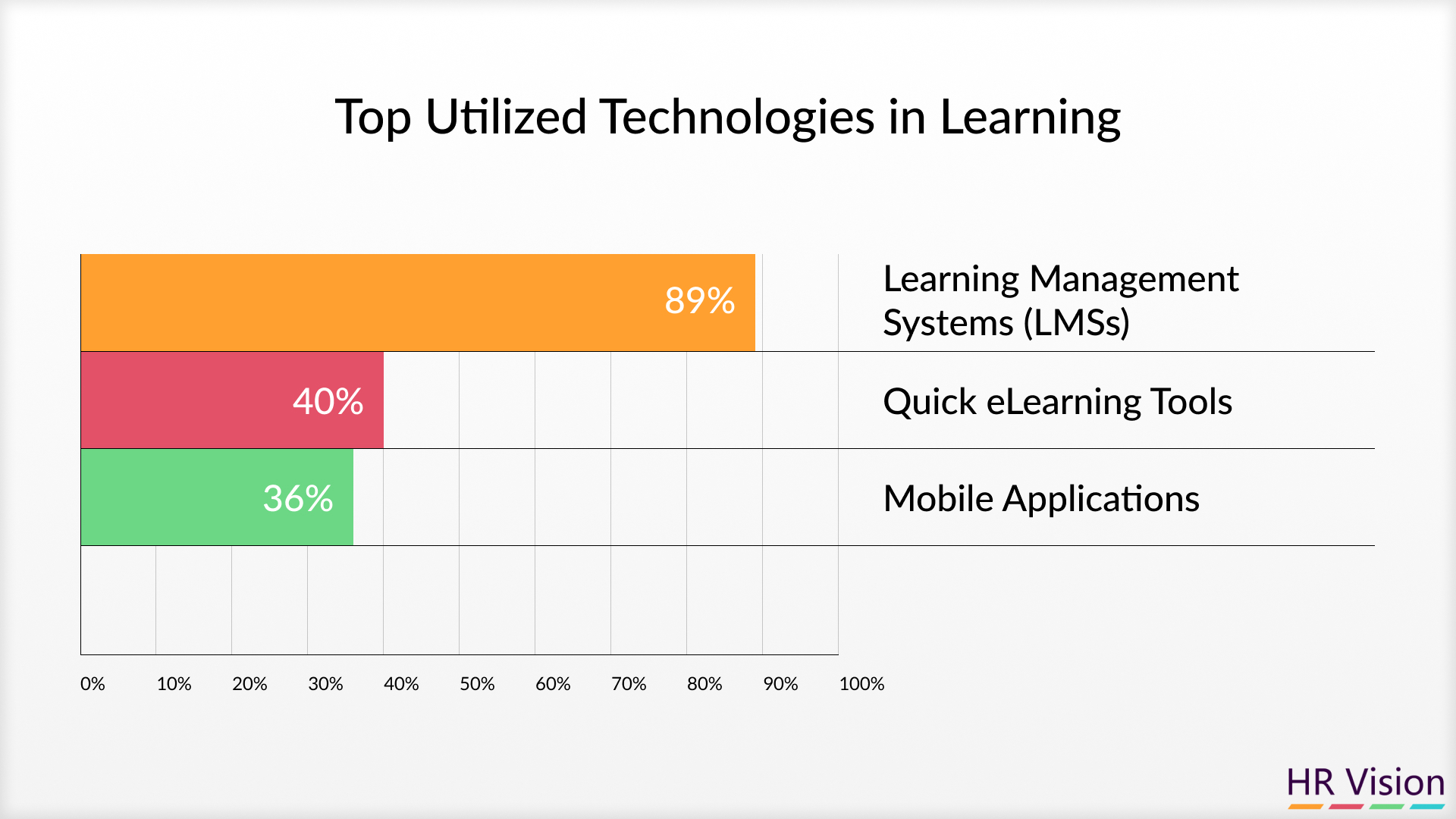
Learning Management Systems (LMS) have emerged as indispensable tools for modern organizations, providing a centralized platform for the seamless delivery and tracking of training courses. According to recent statistics, 89% of US businesses leverage enterprise learning management software for their online training initiatives. This high adoption rate underscores the recognition of LMS as a fundamental component in managing and streamlining the learning journey for employees.
The integration capability of LMS with other HR systems further amplifies its utility. Notably, 30% of companies either partly or entirely outsource LMS development or hosting, indicating a strategic approach to harnessing the full potential of these systems. The seamless integration of LMS with broader HR infrastructure ensures a cohesive employee learning and development ecosystem. In the realm of organizational priorities for 2023, LMSs top the list as the most anticipated purchase at 39%, showcasing the continued investment in these platforms.
This strategic emphasis on LMS aligns with the broader trend, as organizations recognize the pivotal role of centralized, integrated systems in cultivating a workforce equipped with the latest skills and knowledge. Additionally, with 82% of businesses utilizing eLearning for at least some of their compliance training, LMS proves to be a critical tool in meeting regulatory requirements while maintaining organizational agility.
Mobile Learning Apps and Online Learning Platforms
The rise of mobile learning is poised to reshape the way employees engage with educational content. Predictions indicate that the mobile learning industry is expected to witness a remarkable growth rate of 27% per year through 2028. This projection underscores the increasing reliance on mobile devices as primary tools for learning. Notably, 67% of businesses have already embraced smartphone e-learning, recognizing the potential of mobile platforms to deliver on-the-go training solutions. Mobile learning apps empower employees to access educational materials at their convenience, promoting a culture of continuous learning that aligns with the dynamic nature of the modern workplace.
Online learning platforms, exemplified by the exponential growth of platforms like Coursera, have become central to employee learning and development strategies. Over the last five years, Coursera has experienced a staggering 438% increase in registered learners, reaching an impressive 136 million. This surge highlights the growing appetite for online courses and the scalability of such platforms to accommodate diverse learning needs. Industry content, exemplified by Google’s contribution, is driving Coursera’s consumer revenue growth, with projections estimating a substantial $100 million in revenue. This trend showcases the pivotal role of online learning platforms not only in democratizing access to education but also as a key revenue driver, emphasizing their integral position in modern employee learning ecosystems.
Conclusion
While the benefits are evident, it is crucial to recognize that the successful integration of digital tools into employee learning programs requires a strategic and thoughtful approach. Organizations must align their digital learning initiatives with their overall business goals, considering the unique needs and dynamics of their workforce. Workforce empowerment becomes a central focus in this process. Whether implementing a new Learning Management System, incorporating virtual reality experiences, or launching mobile learning apps, a well-defined strategy ensures that these tools are not just adopted but effectively contribute to the development and growth of employees.
The landscape of employee learning is continuously evolving, and those who proactively leverage employee learning tools will find themselves better equipped to adapt to change, foster innovation, and stay ahead in a competitive environment.
Ready to unlock the full potential of digital tools in employee learning? Join us at HR Vision and gain insights from industry experts on how to revolutionize your employee training programs.