
Bridging the gap between business objectives and human capital, HR has emerged as a linchpin in enhancing employee productivity. The link between employee productivity and organizational success is undeniable. An engaged and motivated workforce is not only more productive but also contributes significantly to innovation, customer satisfaction, and overall growth. Therefore, recognizing the significance of employee productivity is no longer a mere consideration; it is a strategic imperative for modern organizations.
Traditionally perceived as the department responsible for handling payroll, benefits, and employee grievances, HR has transcended its administrative origins. In today’s workplace, HR professionals have emerged as strategic partners who collaborate with senior leadership to align human capital initiatives with overarching business objectives. This shift is catalyzed by the realization that a motivated, engaged, and productive workforce is integral to achieving organizational goals.
What employee productivity means in the modern context?
Gone are the days when productivity was confined to physical presence and manual labor. In the modern context, employee productivity encompasses a broader spectrum of activities and outcomes. It’s not just about the number of widgets produced or the number of calls made; it’s about the quality of work, the impact on the organization’s objectives, and the individual’s ability to adapt to technological advancements.
Modern employee productivity takes into account both tangible and intangible contributions. It involves efficiently managing time, collaborating seamlessly with remote teams, and demonstrating adaptability to changing work environments. Moreover, the emphasis has shifted towards innovative thinking, problem-solving, and creative approaches to tasks. Employees are now expected to be proactive, self-motivated, and capable of making independent decisions that drive the organization forward.
This statistic showcases the interconnected elements shaping the modern workplace: stress, communication, work environment, and technology.
- 41% of stressed-out workers claim that stress harms their productivity levels
- 65% of workers claim that the holidays increase their productivity levels.
- 80% of workers report feeling stressed out due to poor company communication.
- 77% of employees report greater productivity while working off-site
- 92% of employees say having technology that helps them do their job efficiently affects their work satisfaction.
Factors influencing employee productivity in the digital age:
The digital age has introduced a plethora of tools and technologies that can significantly influence employee productivity. These factors go beyond the conventional workspace and have the potential to either enhance or hinder an employee’s effectiveness.
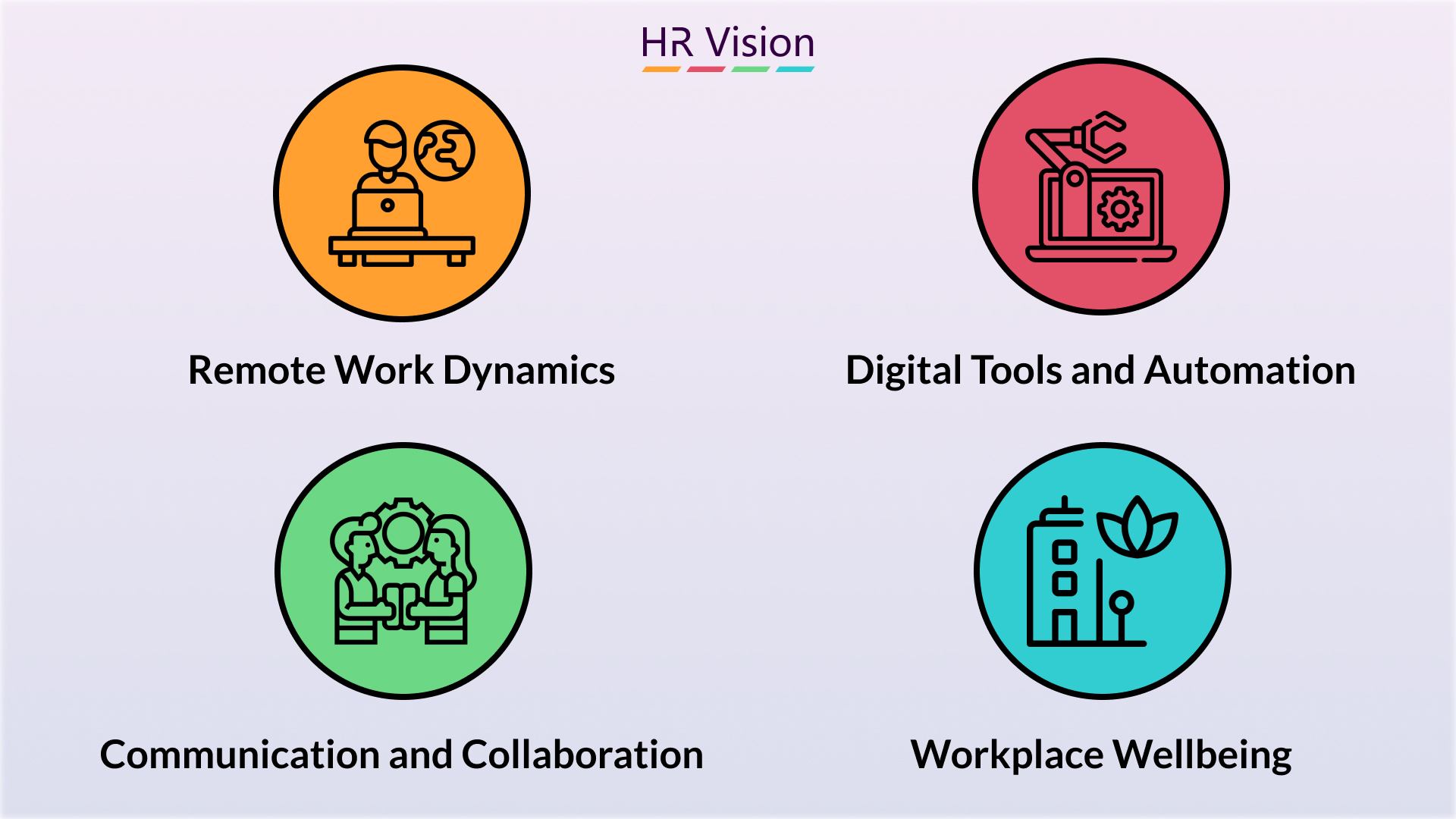
Remote Work Dynamics: The rise of remote work, especially accelerated by global events, has redefined how productivity is perceived. While it offers flexibility, it also requires employees to manage their time efficiently and maintain a healthy work-life balance.
Digital Tools and Automation: Technological advancements have led to the proliferation of digital tools that streamline tasks and enable automation. These tools can boost efficiency but also require employees to adapt and learn new skills.
Communication and Collaboration: Effective communication and collaboration are essential for modern productivity. Virtual communication tools, project management software, and video conferencing platforms play a pivotal role in keeping teams connected.
Workplace Wellbeing: Employee productivity is closely tied to wellbeing. Organizations are recognizing the significance of promoting physical and mental health to ensure sustainable levels of productivity.
Employee Training and Development
Continuous learning and development opportunities are key drivers of employee productivity. HR plays a critical role in identifying skill gaps, designing training programs, and facilitating learning initiatives. A culture of learning not only enhances individual capabilities but also fosters a sense of growth and engagement, leading to improved productivity as employees feel more equipped to tackle their responsibilities.
One of HR’s crucial functions is identifying and addressing productivity gaps through targeted training initiatives. By analyzing performance metrics and engaging with employees, HR professionals can pinpoint areas where skill development can lead to significant productivity improvements. Crafting training programs tailored to these specific needs ensures that employees receive relevant knowledge and expertise.
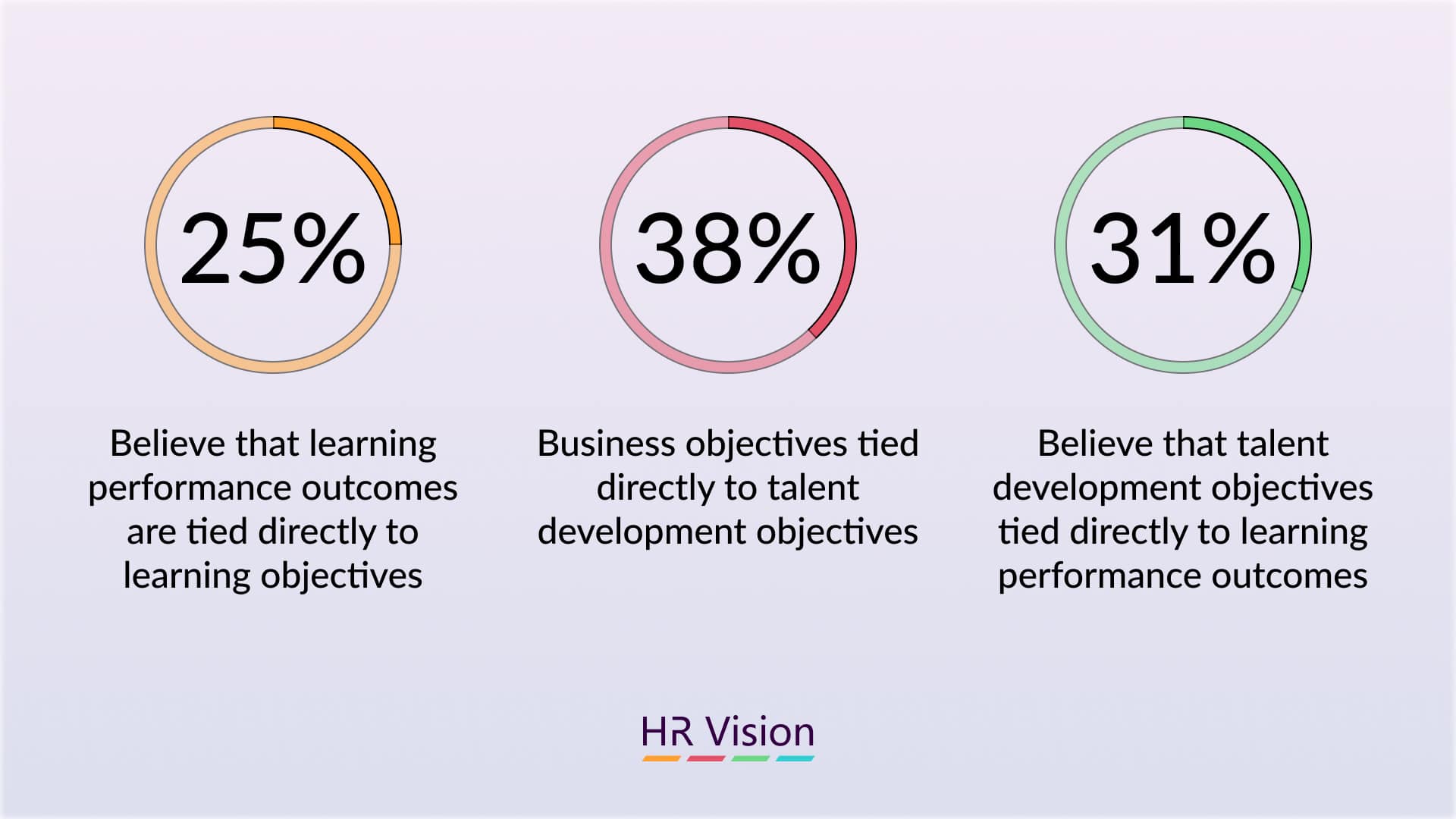
The research findings from the two studies conducted by the Brandon Hall Group shed light on the relationship between employee training and performance within organizations. The focus of the analysis revolves around the alignment of learning objectives, business objectives, and talent development objectives, and how this alignment impacts employee performance. The study “Enhancing Learning for Optimal Performance: Strategies for Maximizing Learning Impact” revealed a growing gap between learning initiatives and actual performance within numerous organizations. For instance:
Performance Management and Feedback
Setting clear performance goals and expectations is the foundation of an effective performance management strategy. When employees have a clear understanding of what is expected of them, they are more likely to be motivated and focused on achieving those goals. This process begins with aligning individual objectives with the broader organizational objectives.
To implement this effectively:
1. Define SMART Goals. Goals should be Specific, Measurable, Achievable, Relevant, and Time-bound (SMART). This framework provides a clear roadmap for employees and managers to track progress and evaluate success.
2. Foster Collaboration. Include employees in the goal-setting process to ensure that their input is considered. This promotes a sense of ownership and commitment to the goals.
3. Provide Clarity. Clearly communicate how each employee’s role contributes to the overall organizational objectives. This helps employees understand the bigger picture and the impact of their contributions.
In 2022, a series of statistics shed light on the multifaceted relationship between feedback and employee experiences. From the overwhelming consensus on the positive outcomes of regular feedback systems to the nuanced preferences regarding feedback frequency, these statistics provide valuable insights into the evolving dynamics of feedback in the professional sphere:
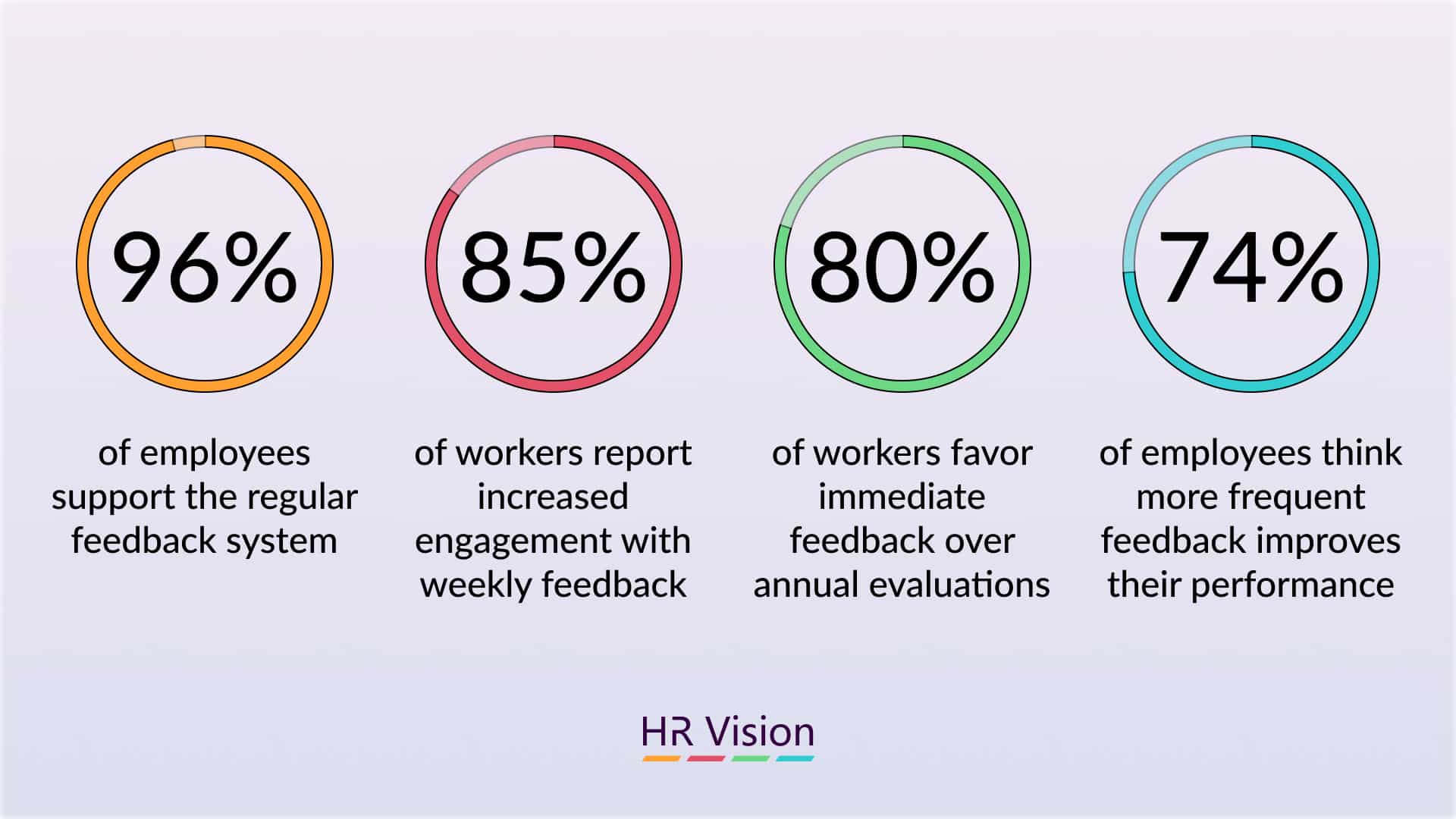
This exploration not only underscores the critical role of feedback in shaping the workforce but also prompts us to consider its potential implications for the future of work.
Regular performance reviews are a cornerstone of modern HR practices that directly impact employee productivity. HR ensures that these reviews are conducted consistently and effectively. These sessions provide employees with valuable insights into their strengths, areas for improvement, and growth opportunities. Constructive feedback serves as a catalyst for professional development, helping employees refine their skills and approach. By acknowledging achievements and addressing challenges, HR empowers employees to enhance their productivity and contribute more effectively to the organization’s success.
Work-Life Balance and Well-Being Initiatives
Investing in employee well-being goes beyond work-life balance; it extends to mental and physical health. According to Champion Health, 35% of employees report that the stress they experience at work is having a negative impact on them. Poor mental health is also mentioned as a determinant affecting the productivity of nearly 1 in 5 employees, leading to significant instances of presenteeism that come with a high cost. This statistic sheds light on the pressing issue of workplace stress and its far-reaching effects on employees’ overall well-being. As organizations recognize the profound significance of their employees’ mental and physical health, investing in employee well-being has emerged as a crucial priority.
Organizations that prioritize wellness programs often witness enhanced productivity, reduced absenteeism, and increased employee engagement. Mental health awareness initiatives, stress management workshops, and fitness programs contribute to a holistic approach to well-being.
Recognition and rewards programs for higher productivity levels
Recognition and rewards programs have a powerful impact on employee motivation. Acknowledging employees’ efforts and accomplishments not only boosts morale but also reinforces a culture of excellence.
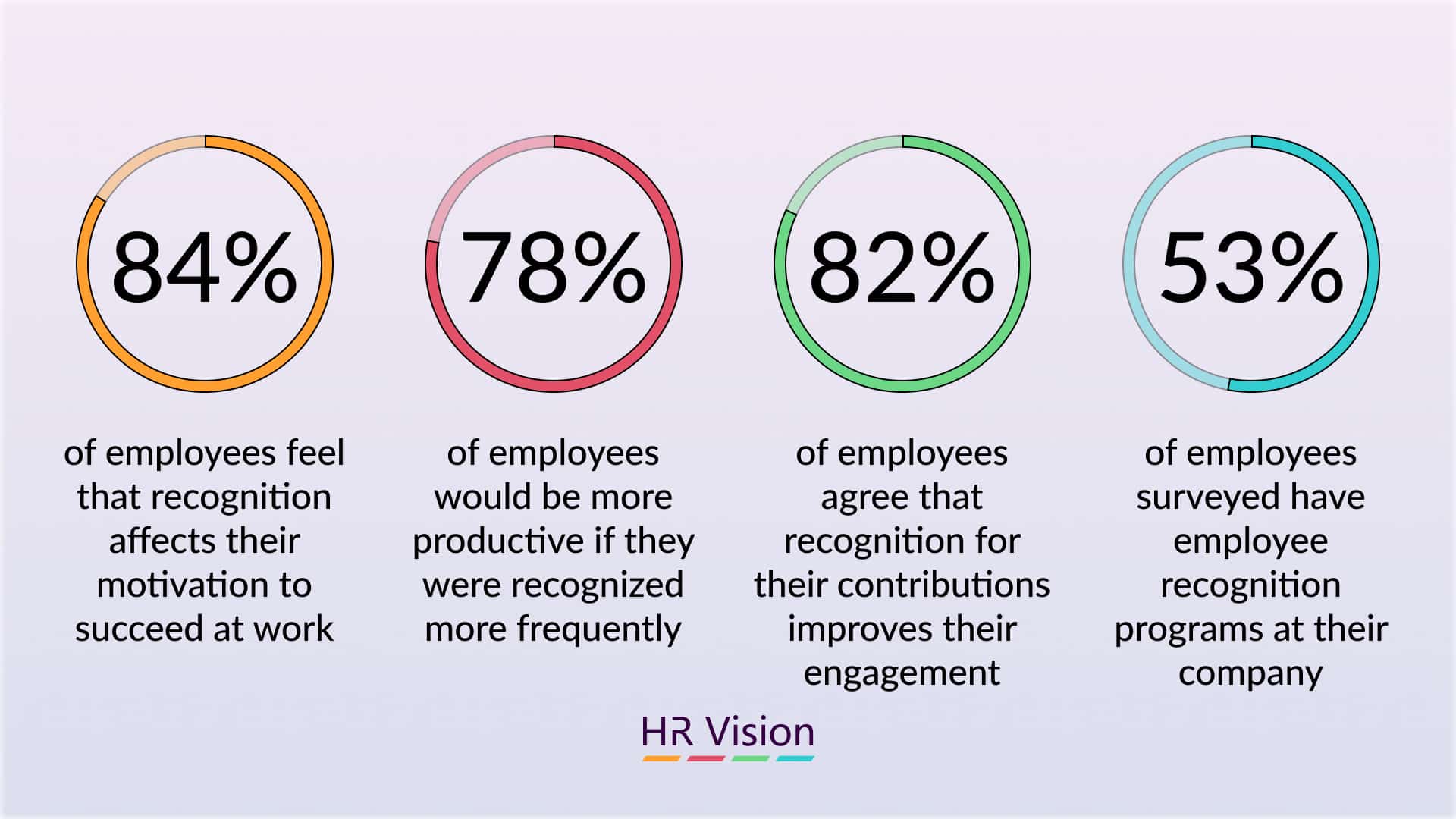
The statistics highlight the significant role that employee recognition plays in driving motivation, productivity, engagement, and overall job satisfaction:
A positive work environment is essential for nurturing intrinsic motivation—the internal desire to excel and contribute. A workplace that emphasizes collaboration, respect, and growth provides a fertile ground for employees to thrive. Here’s how organizations can create such an environment:
Open Communication: Encouraging transparent communication at all levels helps employees feel heard and valued, enhancing their sense of belonging and motivation.
Empowerment: Allowing employees to have a say in decision-making processes empowers them and nurtures a sense of ownership in the organization’s success.
Flexibility and Autonomy: Granting employees the freedom to manage their tasks and work processes can boost motivation by allowing them to work in ways that suit their strengths.
Technology and Tools for Productivity
The strategic integration of technology and tools into various aspects of the workplace can significantly enhance efficiency and streamline processes. Equipping employees with the appropriate tools and technologies is crucial for maximizing their productivity. According to a study conducted by Ultimate Software, a staggering 92% of workers have expressed that the presence of job-facilitating technology significantly influences their job satisfaction. This sentiment is substantiated by the fact that wearable technology, as revealed by the same study, contributes to an impressive 8.5% boost in productivity, coupled with a notable 3.5% enhancement in overall job contentment.
From software applications to hardware devices, the right tools enable efficient collaboration, communication, and task execution. Here are some illustrative examples:
- Collaboration Platforms: Microsoft Teams, Slack, and Asana are examples of collaboration platforms that enable teams to communicate, share files, and manage projects in a centralized and organized manner.
- Remote Work Solutions: Tools like Zoom, Microsoft Teams, and Google Meet have become essential for remote work setups.
- Mobile Apps: Applications like Trello and Evernote provide mobile versions that enable employees to manage tasks, take notes, and access important information while on the go.
- Task Automation: Zapier is an example of a tool that automates tasks by connecting different apps and triggering actions based on specific events.
- Project Management Software: Basecamp, Monday.com, and Jira are project management tools that help teams plan, track progress, and manage tasks. These platforms offer features like Gantt charts, task assignments, and progress tracking for efficient project execution.
As organizations continue to navigate a complex and competitive business landscape, it is imperative to recognize and value HR’s central role in shaping a high-performing and motivated workforce. By implementing strategies that prioritize work-life balance, foster engagement, utilize technology, and provide the necessary tools, organizations can create an environment where employees not only contribute their best work but also find meaning and satisfaction in their roles.
If you’re passionate about maximizing employee productivity and creating a people-centered future of work, we invite you to join us at HR Vision Conference where top HR leaders gather to explore the best HR practices for navigating the transformative landscape of work.