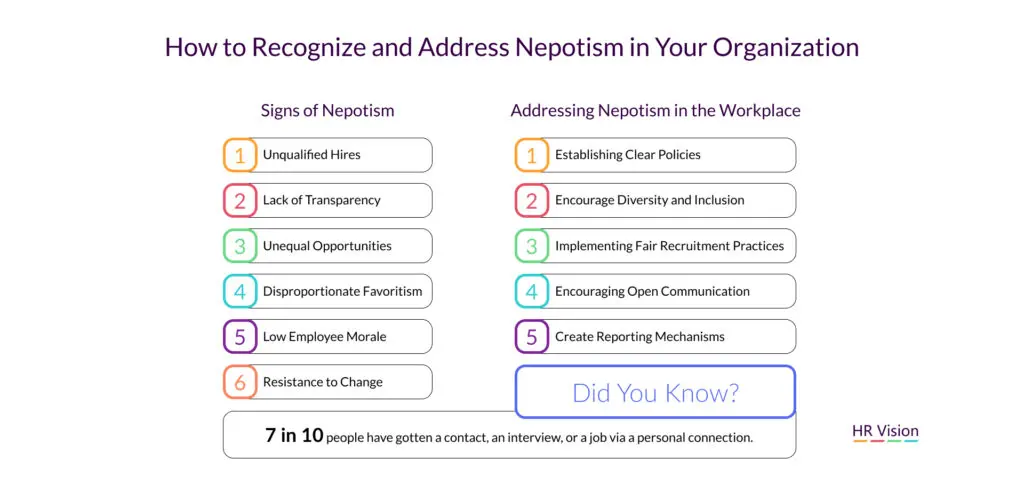
Nepotism, the practice of favoring relatives or close friends in hiring and promotion decisions, can have significant implications for organizational culture and overall performance. When nepotism is prevalent, it can create a workplace environment that undermines meritocracy and fosters resentment among employees. This practice can lead to decreased employee morale as those who feel overlooked for opportunities may perceive favoritism over qualifications.
Research indicates that a substantial portion of individuals hired through nepotistic practices—33.1%—report feeling unqualified for their positions. Such feelings can contribute to disengagement and a lack of confidence in the workplace, ultimately impacting productivity and team dynamics.
What is Nepotism?
Nepotism refers to the practice of favoring relatives or close friends when making hiring, promotion, or other professional decisions within an organization. This practice often manifests in various forms in the workplace, such as hiring family members for job positions, giving preferential treatment in promotions or raises, and providing opportunities for professional development or projects to those with personal connections rather than to more qualified candidates.
In many cases, nepotism occurs when an individual in a position of power uses their influence to benefit someone they know personally, which can lead to the perception—or reality—of unfair advantages. This not only undermines the principles of merit-based decision-making but can also create a culture of entitlement and complacency among employees who may not have earned their positions through merit. As a result, nepotism can hinder organizational effectiveness by discouraging qualified individuals from applying or engaging fully in their roles, ultimately impacting overall team cohesion and performance.
Types of Nepotism
Nepotism primarily manifests in two forms:
- ○ Family-Related Hiring and Promotions: This involves hiring or promoting family members, such as parents, siblings, or children, regardless of their qualifications. This practice can create resentment among other employees who feel their efforts are overlooked in favor of familial connections.
- ○ Favoritism Towards Friends or Close Acquaintances: In this case, individuals in power grant preferential treatment to friends, hiring or promoting them despite more qualified candidates. This can foster a culture where personal relationships take precedence over professional merit, leading to distrust and a toxic work environment.
Both forms of nepotism can significantly harm organizational dynamics, eroding trust and morale while stifling diversity and innovation.
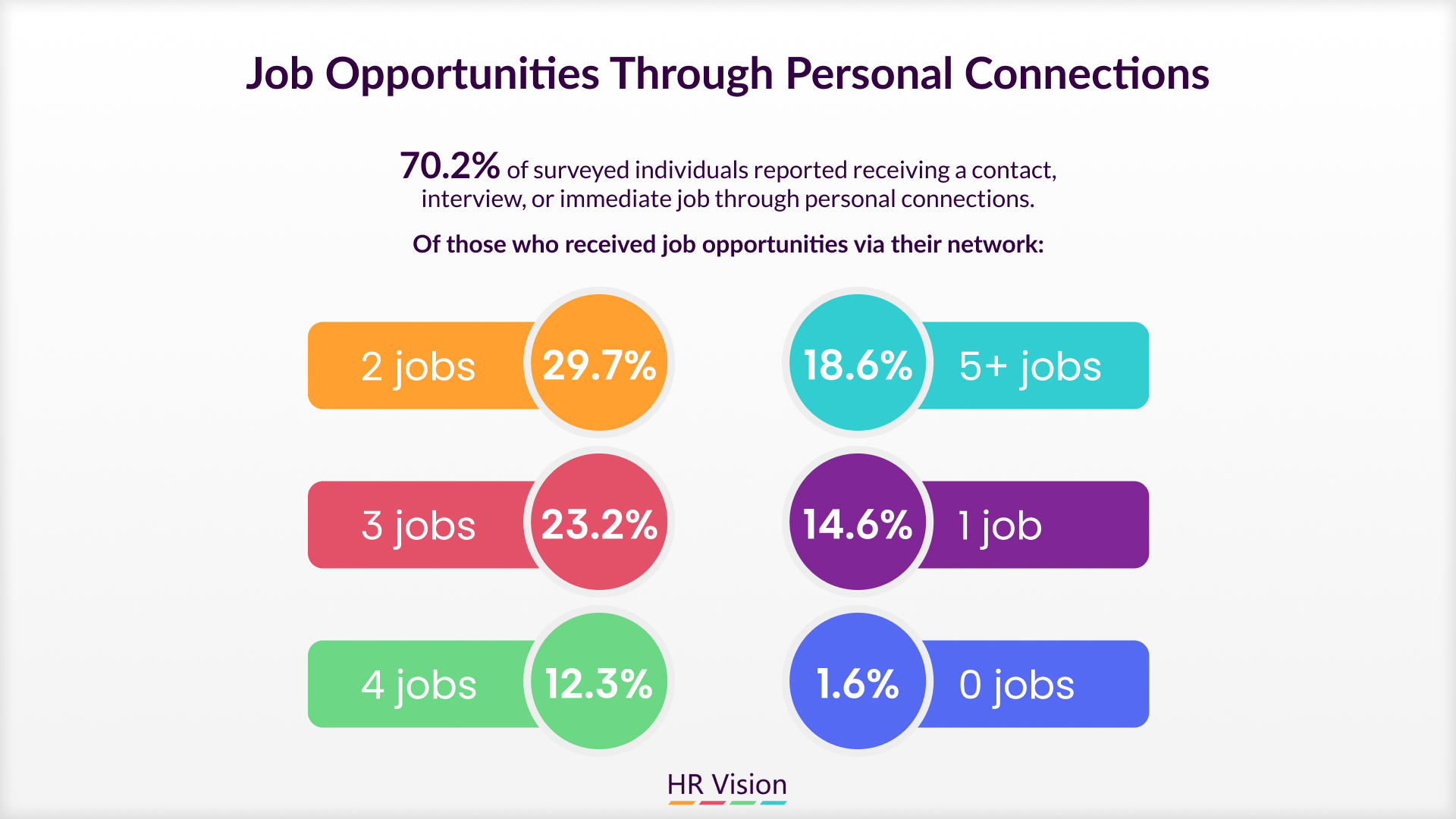
What are the Signs of Nepotism?
Recognizing nepotism in the workplace is crucial for fostering a fair and equitable environment. Here are some common signs:
- Unqualified Hires: Employees who are related to or friends with decision-makers are hired over more qualified candidates, leading to concerns about their competence.
- Lack of Transparency: Hiring and promotion processes lack clear criteria or transparency, making it difficult for employees to understand how decisions are made.
- Unequal Opportunities: Certain individuals consistently receive opportunities for projects, promotions, or professional development, while others are overlooked despite having similar or better qualifications.
- Disproportionate Favoritism: Specific employees are routinely favored in team dynamics, such as receiving preferential treatment in workload, scheduling, or recognition.
- Low Employee Morale: There is a noticeable decline in employee morale, with increased complaints or feelings of discontent among staff regarding fairness and equity in the workplace.
- Resistance to Change: There may be a reluctance to implement fair hiring practices or policies that promote meritocracy, often justified by personal relationships.
Identifying these signs can help HR professionals and leaders take proactive steps to address nepotism and promote a more inclusive and merit-based workplace culture.
Addressing Nepotism in the Workplace
- Establishing Clear Policies
To effectively address nepotism, organizations should create and communicate clear policies that outline acceptable practices regarding family and friend relationships in hiring and promotions. This includes ensuring transparency in hiring and promotion processes, where criteria are clearly defined and shared with all employees. By setting clear expectations, organizations can mitigate the risk of nepotism and foster a culture of fairness.
- Encourage Diversity and Inclusion
Foster a culture that values diversity and inclusivity in hiring and promotions. Actively seek candidates from varied backgrounds and experiences to promote a more equitable workplace.
- Implementing Fair Recruitment Practices
Organizations should structure their recruitment processes to minimize bias and favoritism. This can be achieved by utilizing diverse hiring panels that bring different perspectives and experiences to the decision-making process. Establishing standardized interview questions and evaluation criteria can also help ensure that all candidates are assessed fairly based on their qualifications.
- Encouraging Open Communication
Encouraging open communication within the organization is vital for addressing nepotism. Creating channels for employees to voice concerns or report unfair practices without fear of retribution fosters a culture of trust. Regularly soliciting feedback from employees about the hiring and promotion processes can help identify issues related to nepotism and enable organizations to address them proactively.
- Create Reporting Mechanisms
Establish channels for employees to report concerns about nepotism or favoritism confidentially. Encourage a culture of open communication where employees feel safe to voice their concerns without fear of retaliation.
The Effects of Nepotism on Organizations
Nepotism can have a complex impact on organizations, yielding both positive and negative effects. On the positive side, hiring relatives or close acquaintances can foster a sense of loyalty and trust among employees. Family members often share a strong commitment to the organization, which can lead to a more cohesive team dynamic. In smaller businesses or family-run enterprises, this practice can enhance collaboration and facilitate communication, as employees may feel more comfortable working with individuals they know personally. Moreover, when trusted family members are brought into leadership roles, they may be more inclined to prioritize the long-term interests of the organization, contributing to stability and continuity.
However, the negative effects of nepotism often overshadow these benefits, particularly in larger organizations. When employees perceive that hiring and promotion decisions are influenced by personal relationships rather than merit, it can create a sense of unfairness and disillusionment. This perception can lead to a toxic work environment where qualified individuals feel undervalued and demotivated, ultimately resulting in decreased job satisfaction and increased turnover rates. Employees may become disengaged, feeling that their hard work and achievements are overshadowed by favoritism, which stifles innovation and collaboration.
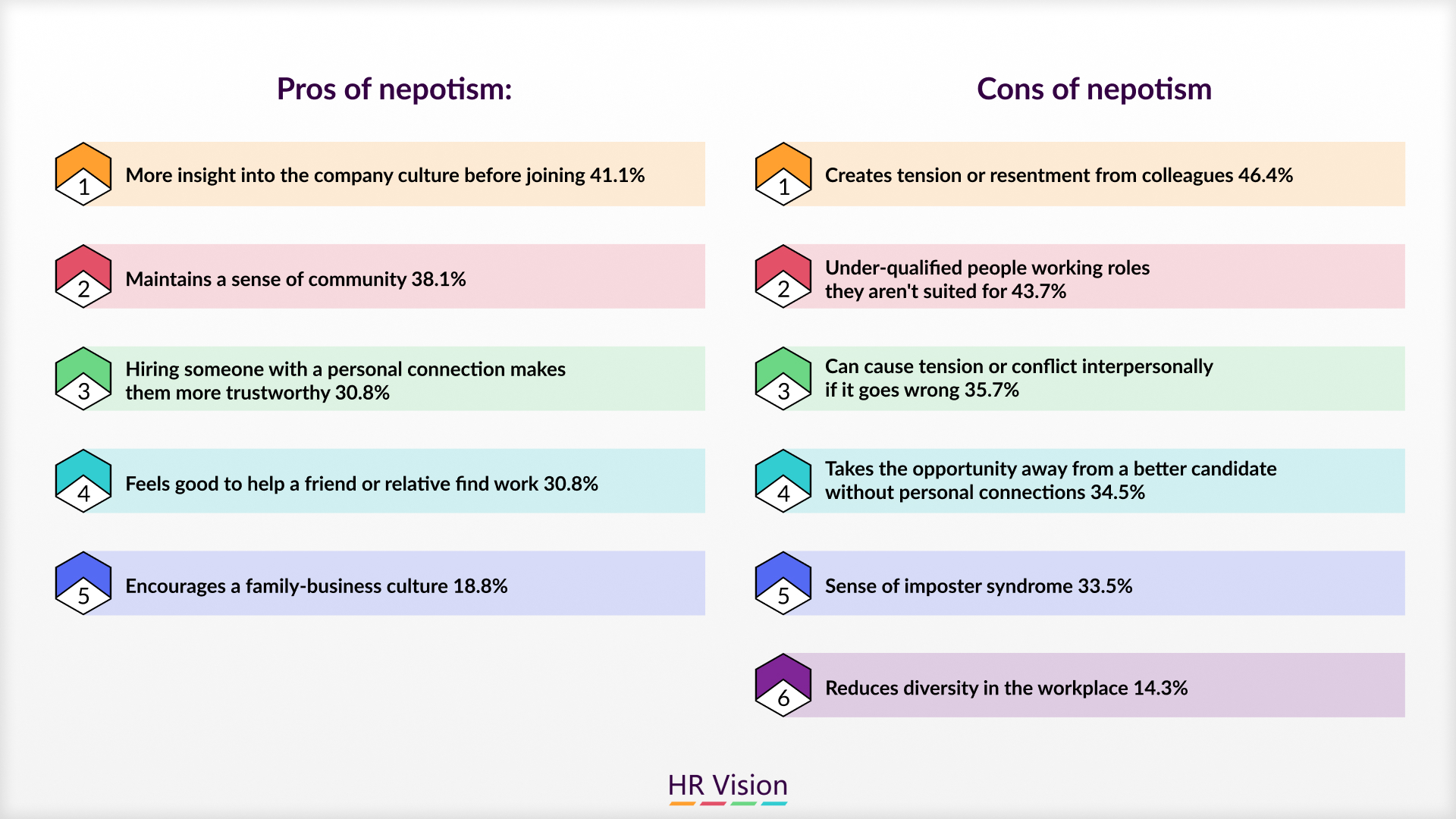
Furthermore, nepotism can hinder the development of a diverse and inclusive workplace. When hiring decisions are based on personal connections, organizations miss out on the benefits of varied perspectives and experiences that a more meritocratic approach would provide. This lack of diversity can limit creativity and problem-solving capabilities, making it difficult for organizations to adapt to changing markets and customer needs. In the long run, nepotism can damage an organization’s reputation, both internally and externally, as potential candidates may view it as an unwelcoming environment that does not value fairness or equal opportunity, further compounding recruitment and retention challenges.
Conclusion
Nepotism poses both potential benefits and significant drawbacks for organizations. While it can foster loyalty and enhance team cohesion, the negative impacts—such as decreased morale, diminished trust, and reduced diversity—can undermine effectiveness and reputation. Therefore, it is essential for leaders and HR professionals to recognize the signs of nepotism and implement clear policies that promote merit-based hiring and promotions.
Addressing nepotism goes beyond preventing favoritism; it involves cultivating a fair and inclusive workplace where all employees feel valued. By fostering transparency, encouraging diverse perspectives, and maintaining open communication, organizations can mitigate the negative effects of nepotism while leveraging the positive aspects of strong relationships.
Ready to explore how to navigate the complexities of workplace dynamics? Join us at the HR Vision, where top HR leaders will discuss best practices for the future of work.