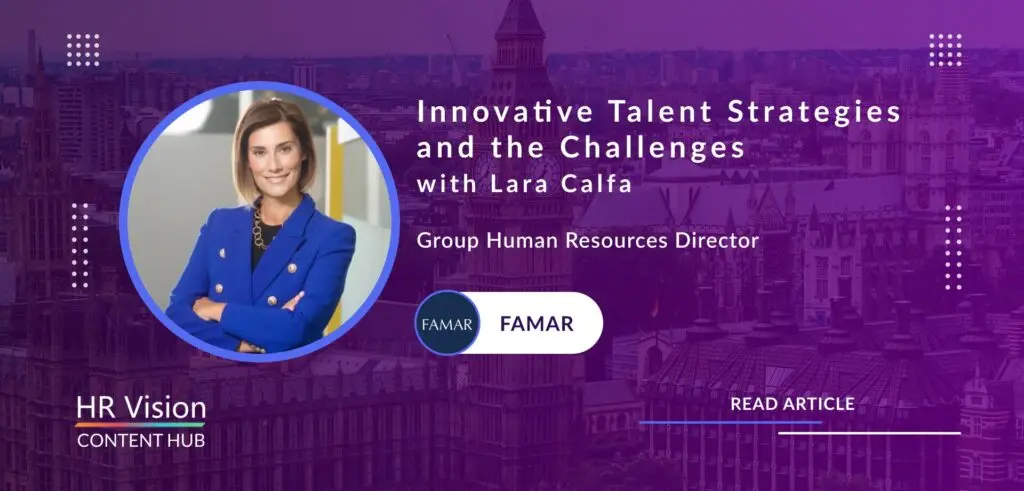
1. With over two decades of experience as an HR leader, what are the most significant changes you’ve witnessed in the HR field, and how have you adapted to stay ahead of these changes?
The Human Resources (HR) landscape has undergone significant transformations over the past two decades, fuelled by technological advancements, shifting workforce demographics, and the evolving demands of organizations. Here’s a closer look at these impactful changes that I believe brought profound change:
- • Technology and Automation: Advanced HR technologies, including Human Resource Information Systems (HRIS), Applicant Tracking Systems (ATS), and performance management tools, have fundamentally transformed HR operations. With the automation of administrative tasks, HR professionals are now empowered to concentrate on strategic initiatives that drive organizational success.
- • Employee Experience and Engagement initiatives: We have witnessed a shift from traditional HR practices to a more dynamic and engaging approach. Organizations recognize the critical importance of fostering an inclusive and enriching workplace culture to attract and retain top talent and enhance productivity.
- • Diversity, Equity, and Inclusion (DEI) as well as sustainability initiatives: ESG – DEI initiatives are gaining remarkable traction, with organizations committing significant resources to cultivate the relevant culture. By proactively addressing systemic biases and championing diverse leadership, companies ensure equitable opportunities for all employees.
- • Adapting to Remote and Hybrid Work Models and flexible work arrangements: The COVID-19 pandemic has accelerated the rapid transition to remote work, prompting HR to innovate in managing virtual teams effectively. Ensuring seamless communication and collaboration while maintaining a cohesive company culture in a remote setting has become a top priority.
- • Fostering Continuous Learning and Development: Continuous learning is more critical than ever. Organizations are prioritizing employee development by investing in upskilling, reskilling, and customized learning experiences. This approach not only keeps pace with rapid technological advancements and industry demands but also empowers employees to progress in their careers.
- • Enhancing Wellness and Mental Health Programs: Comprehensive employee wellness initiatives now include robust mental health resources and effective stress management strategies. Organizations understand the positive impact of mental health on overall productivity and employee satisfaction.
All the above create and build a strong Employer Brand: Companies are becoming acutely aware of the vital importance of employer branding in attracting and retaining top talent. By effectively showcasing their culture, core values, and initiatives, organizations can connect meaningfully with prospective employees that fit them. These dynamic changes clearly illustrate HR’s evolution from a purely administrative function to a strategic partner dedicated to driving workforce development, enriching company culture, and enhancing employee engagement in today’s fast-paced world.
2. What are the biggest challenges in managing cross-cultural HR strategies?
Successfully managing cross-cultural human resource (HR) strategies is a vital opportunity for organizations aiming to harness the strengths of a diverse global workforce. While challenges exist, they present significant opportunities for growth and innovation. Let’s mention a few:
Understanding Cultural Differences is key: Recognizing and appreciating cultural differences is essential, as they shape approaches to authority, communication, work ethics, and conflict resolution. In communication, while language differences can complicate communication, they stimulate creativity in finding solutions. Varied Employee Expectations regarding career trajectories, feedback, work-life balance, and benefits are notable and should be taken into account. By addressing these challenges head-on, organizations can develop effective strategies that ensure robust dialogue across cultural contexts.
Diverse Legal and Regulatory Environments bring more complexity: Navigating the complex landscape of varying labour laws and employment practices is a significant responsibility. However, this complexity allows HR to showcase its expertise, ensuring compliance while steadfastly aligning with the organization’s core values.
Implementing Consistent Policies and finding the equilibrium between consistent HR policies and cultural sensitivity is a challenge that invites innovative solutions. It encourages HR to develop adaptable strategies that resonate across diverse teams, effectively meeting the unique needs of various regions.
Building a Unified Organizational Culture is of paramount importance: Establishing a cohesive culture that honours diverse values is both challenging and rewarding. HR plays a pivotal role in promoting shared values.
Partnering with local managers and employees ensures the development of effective, culturally sensitive HR strategies that pave the way for organizational success.
3. In today’s job market, what innovative talent acquisition strategies have you found most effective, especially when competing against larger, more well-known companies?
In today’s competitive job market, it is essential for organizations to adopt innovative talent acquisition strategies to attract and retain top-tier talent. Some effective approaches are:
- • Enhance Employer Branding: A compelling employer brand is paramount. It should clearly articulate organization’s values, culture, and the benefits you offer. Use of social media is important as tool of communication.
- • Promote Employee Referrals: In highly specialised industries, the company can capitalize on the influence of your current employees by incentivizing them to refer candidates. The personal networks often lead to exceptional candidates who fit seamlessly within the organization’s culture.
- • Integrate Gamification: Transform the recruitment process into an engaging experience by incorporating gamification elements. Implement fun challenges, quizzes, or competitions that allow candidates to demonstrate their skills in an enjoyable manner, creating a memorable and impactful experience. These days, you can utilize also virtual and augmented reality.
- • Prioritize Diversity and Inclusion: Actively commit to attracting diverse talent through strategic initiatives by partnering with diverse organizations, participating in diversity-focused job fairs, and implementing unbiased recruitment practices to ensure equitable opportunities for all.
- • Highlight Flexible Work Options: emphasizing flexible work arrangements —such as remote work and adaptable hours you show your commitment to work-life balance which will attract a wider range of candidates.
- • Establish University Partnerships: Forge strong relationships with universities and colleges to tap into emerging talent. Actively participate in campus recruitment events, internships, and mentorship programs to build meaningful connections with future professionals.
- • Prioritize Candidate Experience: Deliver an exceptional candidate experience throughout the recruitment journey. Streamline application procedures, maintain prompt communication, and actively seek feedback from applicants to foster continuous improvement.
By adopting these strategies, the organization will enhance its talent acquisition efforts, attract a diverse and dynamic pool of candidates, and build a stronger workforce.
Ready to stay ahead in the ever-changing world of HR? Join us at HR Vision, where top HR leaders gather to explore the future of work, HR trends, and the power of HR analytics and technology.