


In the contemporary workplace, teamwork stands as a foundational element for organizational success. It goes beyond the mere pooling of individual skills, emphasizing the synergy derived from diverse perspectives, experiences, and competencies. Effective teamwork is a catalyst for improved problem-solving, increased innovation, and heightened overall productivity.
Why Is Teamwork Important?
Teamwork is a collaborative effort where individuals work together to achieve a common goal. It is marked by the synergy of diverse skills, experiences, and perspectives within a group, emphasizing cooperation, coordination, and mutual support. The significance of teamwork lies in its ability to amplify individual strengths, leading to improved problem-solving, increased innovation, and heightened productivity. In a team-oriented environment, tasks are approached collectively, fostering a sense of shared responsibility and accomplishment.
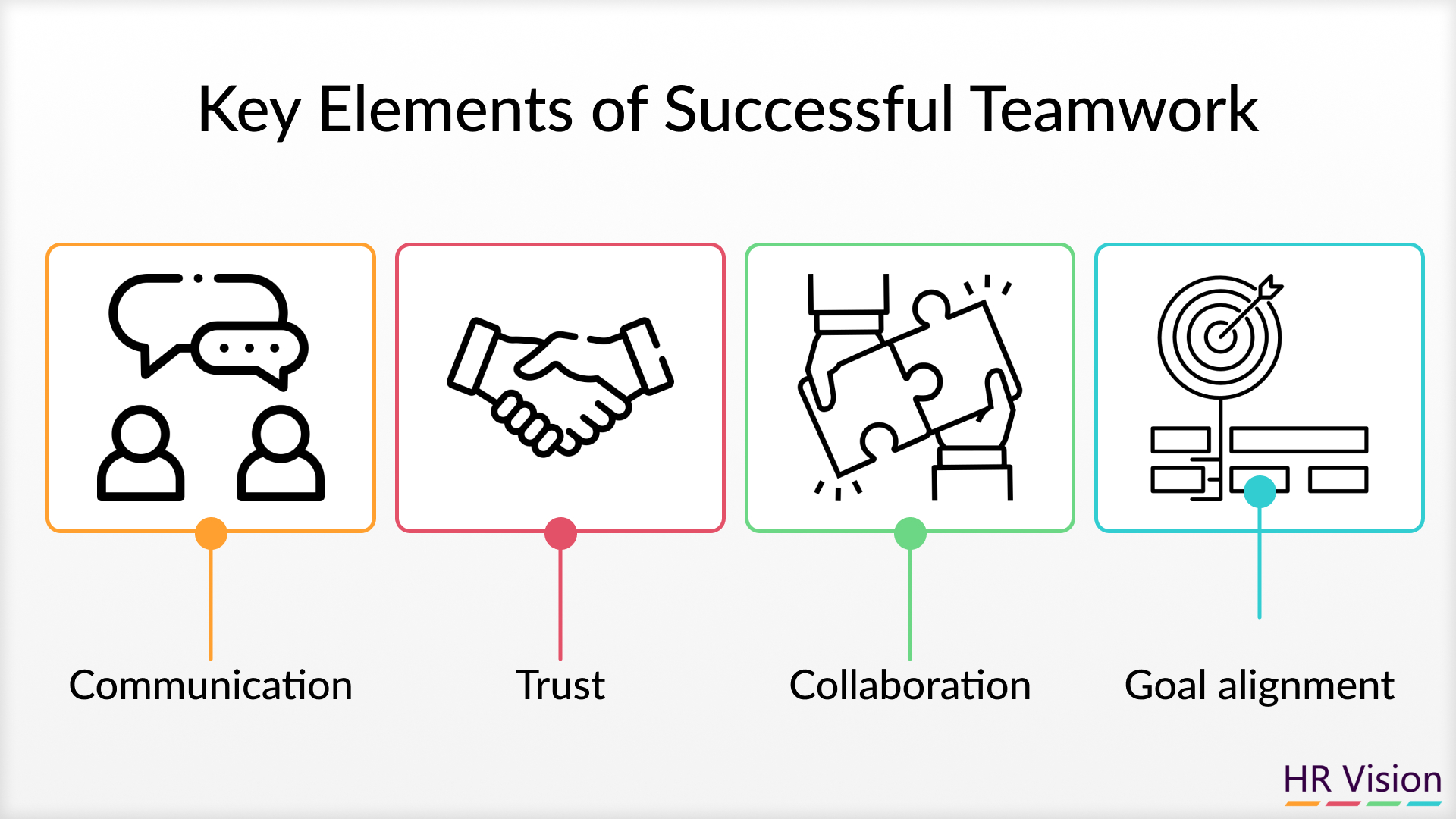
Effective teamwork contributes to a sense of belonging and camaraderie among team members, enhancing job satisfaction and overall employee morale. The collaborative nature of teamwork promotes a culture of continuous learning, as individuals share insights and learn from each other’s expertise.
The Impact of Teamwork on Organizational Success
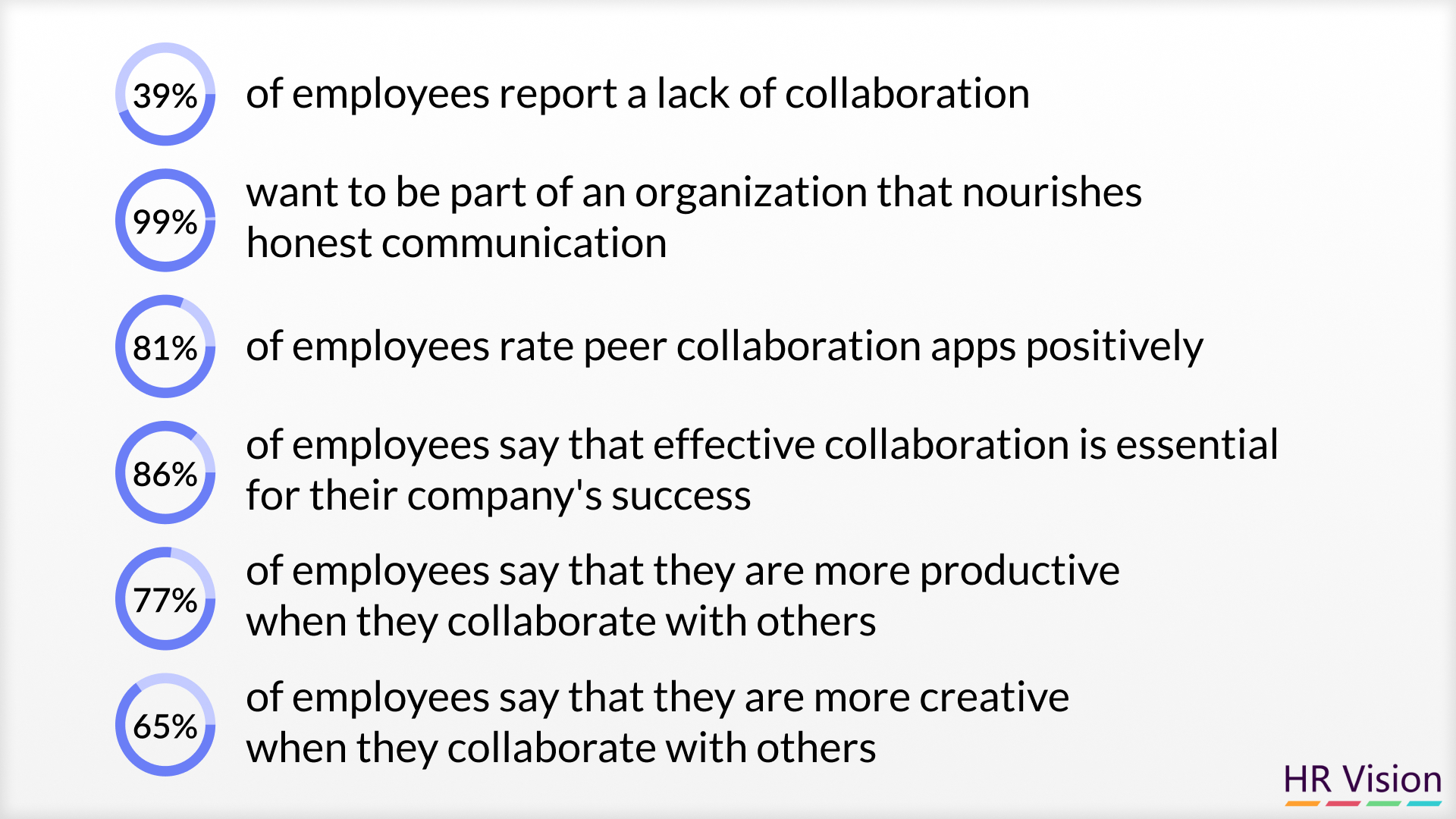
1. Improved Productivity and Efficiency
Effective teamwork, rooted in communication and collaboration, has a substantial impact on organizational productivity. Studies show that organizations fostering open and efficient communication witness 4.5 times higher talent retention. When teams communicate seamlessly, tasks are executed more efficiently, contributing to operational excellence. Furthermore, recognizing the quality work and achievements of workgroups has been correlated with a remarkable 29% increase in profits. The key role of HR, with a focus on enhancing communication channels and promoting teamwork, directly aligns with these statistics, affirming that a collaborative environment positively influences the bottom line.
2. Enhanced Creativity and Innovation
For 37% of employees, teamwork holds significant importance. This statistic underscores the intrinsic value employees place on collaborative efforts within the workplace. In a collaborative setting, diverse perspectives and experiences converge, fostering an environment conducive to creativity and innovation. Companies like Google, where cross-functional teams thrive, exemplify how prioritizing teamwork can result in groundbreaking ideas and innovative solutions. The role of HR in cultivating such an environment contributes not only to employee satisfaction but also to the organization’s ability to stay at the forefront of industry trends and advancements.
3. Higher Employee Satisfaction and Retention Rates
The impact of teamwork on employee satisfaction and retention is substantial. Recognizing quality work and achievements of workgroups is not only linked to increased profits but also to a reduction in turnover rates. Studies indicate that organizations with a collaborative culture experience a 24% decrease in turnover, showcasing the importance of teamwork in retaining valuable talent. Furthermore, collaboration statistics reveal that 49% of millennials, who currently comprise the majority of the workforce, are avid fans of social tools for collaboration. This sentiment extends across generations, with 31% of Baby Boomers and 40% of Gen X responding positively to collaborating via social tools. HR’s emphasis on fostering teamwork aligns with these statistics, highlighting the direct correlation between collaboration, job satisfaction, and employee retention.
The Dynamic Rise of Online Teamwork
The landscape of online teamwork is undergoing a profound transformation, propelled by the robust projections of the global online collaboration market expected to reach $59.86 billion by 2023. A staggering 70% of organizations express confidence in their employees’ increasing reliance on collaboration apps, reflecting a paradigm shift towards digital interconnectedness. Social media tools in the workplace are anticipated to experience a continued upswing, with 67% of organizations expecting growth in their usage. Additionally, a substantial 62% of employers predict widespread adoption of instant messaging apps as a crucial facet of professional communication. This surge in online collaboration is not confined to conventional platforms; it extends to the realm of virtual and augmented reality (VR and AR). As tools for immersive and interactive experiences, VR and AR are forecasted to reach a substantial market valuation of $16.1 billion by 2025. The integration of these technologies is reshaping the way teams collaborate, fostering a dynamic and interconnected environment that transcends geographical boundaries.
The Cost of Poor Teamwork
The cost of poor teamwork within an organization extends far beyond mere financial implications, permeating the very fabric of its culture, productivity, and long-term success. One of the most significant costs is the toll on employee morale and job satisfaction. When teamwork falters, employees may experience increased stress, frustration, and a diminished sense of purpose. This, in turn, can lead to higher rates of absenteeism and, ultimately, a decrease in overall productivity. Moreover, poor teamwork can create a toxic work environment marked by conflict and strained relationships among team members. The resulting discord not only hampers the efficiency of day-to-day operations but also tarnishes the organization’s reputation.
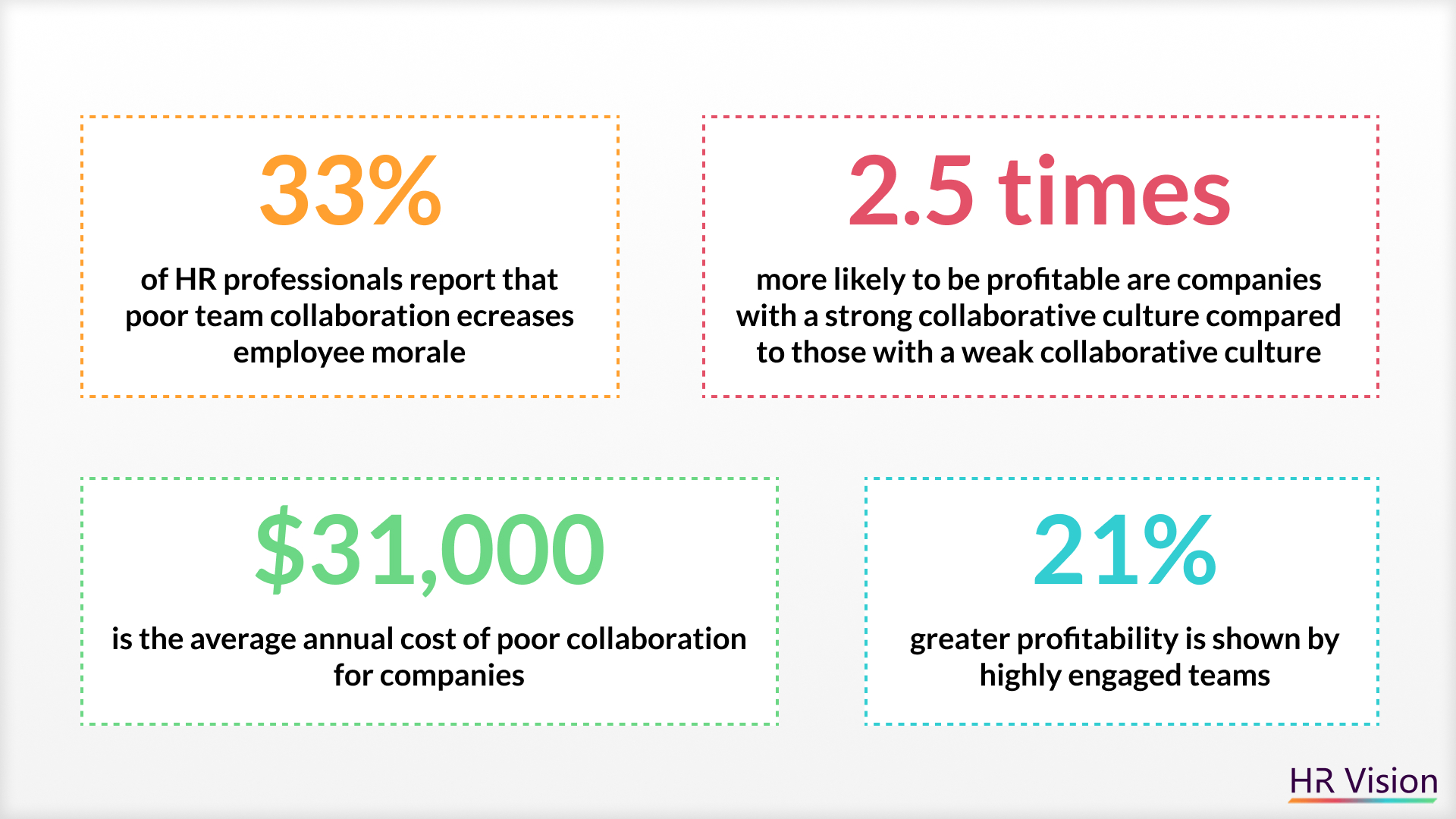
Financially, the cost of poor teamwork manifests in missed opportunities for innovation and decreased operational efficiency. When teams fail to collaborate effectively, the organization may miss out on valuable insights and creative solutions. Projects can become mired in delays, errors, and miscommunications, leading to increased operational costs and potentially harming client relationships.
HR’s Strategic Role in Fostering Teamwork
1. Recruitment and Team Building
One of the foundational roles of HR in fostering teamwork begins with strategic recruitment and team building. HR professionals are tasked with not only identifying individual talents but also ensuring that these talents align with the collaborative culture of the organization. Through careful recruitment processes, HR builds teams that complement each other’s strengths and work seamlessly toward common objectives.
2. Diversity and Inclusion in Team Formation
Diversity is a cornerstone of effective teamwork, bringing varied perspectives and experiences to the table. By actively promoting diversity in teams, HR contributes to the richness of ideas and innovative problem-solving. Moreover, HR’s commitment to inclusion creates a sense of belonging among team members, fostering a collaborative environment where every voice is valued.
3. Training and Development
The role of HR in influencing teamwork extends to training and development initiatives. Providing teams with the necessary skills for effective collaboration is crucial. HR designs training programs that not only enhance technical competencies but also focus on soft skills such as communication, conflict resolution, and adaptability. Continuous learning opportunities ensure that teams remain agile in their approach and equipped to navigate the complexities of the modern workplace.
4. Facilitating Open Communication Channels
Transparent communication is fundamental to teamwork, and the HR role plays a central part in facilitating open communication channels. Whether through regular team meetings, feedback sessions, or the use of collaborative tools, HR ensures that communication flows seamlessly among team members. By fostering an environment where ideas can be freely exchanged, HR contributes to the development of trust and synergy within teams.
5. Addressing Conflicts and Promoting Resolution
Conflict is inevitable in any collaborative setting, but HR’s strategic role lies in addressing conflicts proactively and promoting resolution. HR professionals provide conflict resolution training, establish clear protocols for addressing disputes, and offer mediation when necessary. By creating a culture where conflicts are viewed as opportunities for growth rather than obstacles, HR ensures that teams can navigate challenges constructively.
Ready to deepen your understanding of HR’s role in shaping employee teamwork? Join us at HR Vision, where top HR leaders will delve into the latest trends in HR practices, talent management, and leadership.


