The digital revolution continues to transform the world of work, and technology in HR is playing an increasingly vital role in streamlining HR processes, improving employee engagement, and enhancing overall business performance. In this article, we explore key HR technologies that are shaping the future of the industry, providing insight into how leading organizations bring them to life.
1. Digital Transformation of HR
The digital transformation of HR is an ongoing process that involves using digital technologies to streamline HR processes, enhance employee experience, and improve business performance. This includes the use of cloud-based HR solutions, mobile HR apps, and other digital tools to automate HR tasks and provide employees with greater access to HR services. For example, cloud based HR systems can provide secure access to employee data from anywhere in the world, making it easier to manage HR processes for remote workers. Additionally, they can be easily integrated with other business systems, providing a seamless HR experience for employees.
Practical realization
SAP SuccessFactors that provides an end-to-end HR management system from recruiting to retirement.
Cornerstone OnDemand that provides a suite of cloud-based HR tools including learning management, performance management, and talent management.
BambooHR, a cloud-based HR software that provides tools for hiring, onboarding, benefits administration, and performance management.
Namely, a cloud-based HR platform that combines payroll, benefits administration, and talent management in one place.

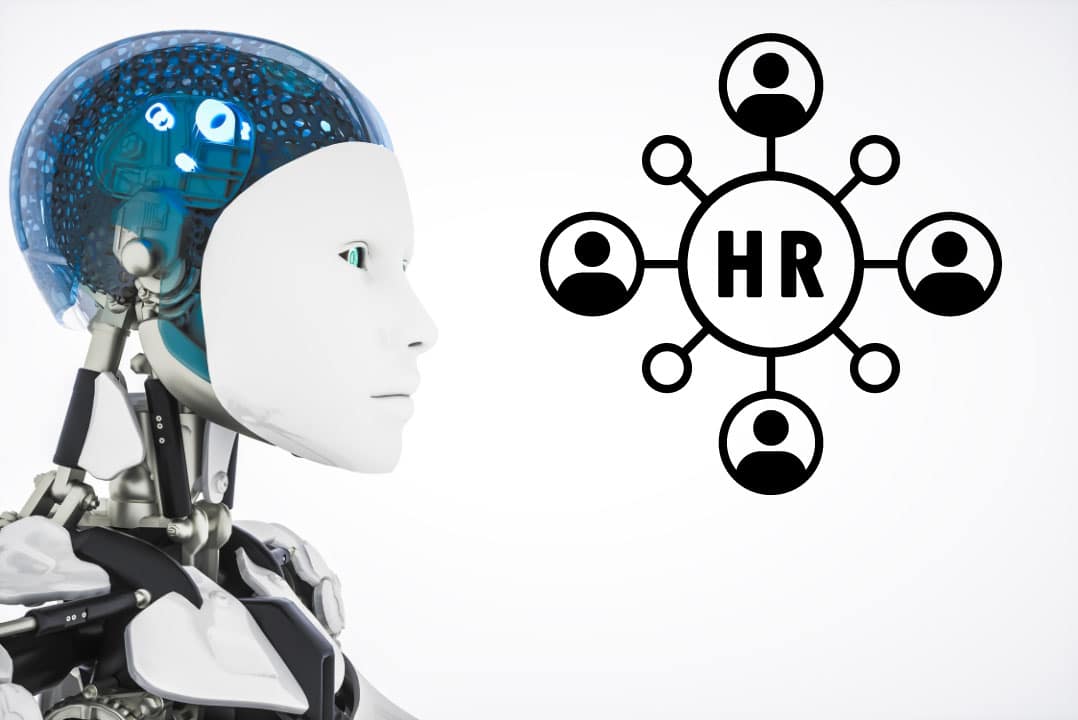
2. Artificial Intelligence in HR, Chatbots and Virtual Assistants
We wrote in the article about Artificial Intelligence that being one of today’s hottest topics it’s rapidly transforming the HR industry by automating many of the manual and time-consuming HR tasks, such as recruiting, onboarding, and performance management. For example, AI-powered recruitment tools can help to eliminate unconscious bias by screening and shortlisting candidates based on their qualifications and experience, rather than personal characteristics.
Chatbots and virtual assistants have long been a normal in the HR industry, particularly for tasks such as answering employee questions and resolving HR-related issues, freeing up HR professionals to focus on more complex tasks. They can provide employees with 24/7 access to HR services, improving overall business efficiency.
Practical realization
Hilton Worldwide implemented Connie, a virtual assistant powered by IBM’s Watson AI technology, to improve guest experience and provide recommendations on local attractions, hotel services, and amenities. The chatbot is also used for HR purposes, allowing employees to access HR-related information such as benefits and policies.
Recruitment chatbots like Mya Systems or Jobpal that use AI to screen and shortlist candidates, answer questions and schedule interviews.
AI-powered HR assistant like Wade and Wendy that automate HR tasks like onboarding, benefits enrollment, and performance management.
3. HR Analytics
HR analytics provides a data-driven approach to HR decision-making, enabling HR professionals to gain insight into key metrics such as employee turnover, performance, and engagement. HR data analytics tools can help to identify trends, predict future outcomes, and optimize HR processes, resulting in better business outcomes. For example, HR analytics can help identify the key drivers of employee turnover and enable HR professionals to implement targeted interventions to retain high-performing employees.
Practical realization
Workday Prism Analytics that provides real-time data-driven insights into workforce metrics and allows HR teams to make data-driven decisions.
ADP DataCloud, a powerful tool that provides HR teams with access to data-driven insights to make informed decisions and improve workforce performance.
4. Employee Engagement Technology
Employee engagement technology is a growing area of HR tech that focuses on enhancing employee experience by providing employees with greater access to information, communication tools, and training resources. This includes the use of social media platforms, gamification, and mobile learning apps to engage employees and improve overall performance. For example, gamification can be used to incentivize employee training and development by offering rewards for completing courses or achieving specific goals.
Practical realization
15Five, a continuous performance management software that enables managers to provide real-time feedback to their employees.
Glint, an employee engagement platform that uses real-time data and insights to help companies improve employee retention and satisfaction.

5. Virtual and Augmented Reality in HR
Virtual and augmented reality (VR and AR) technologies are becoming more prevalent in the HR industry, particularly in areas such as training and development. VR and AR can be used to create immersive learning experiences that simulate real-life scenarios, enabling employees to develop new skills and knowledge in a safe and controlled environment. For example, VR and AR can be used to train employees in complex equipment or procedures, reducing the risk of accidents and improving overall performance.
Practical realization
Walmart has been using virtual reality (VR) technology to train its employees for Black Friday. The VR experience simulates a store on Black Friday, allowing employees to practice handling the rush and learn how to manage crowds effectively.

The future of technology in HR is exciting and rapidly evolving. With the adoption of Artificial Intelligence in HR, HR data analytics, digital transformation in HR, employee engagement technology, cloud-based HR solutions, VR and AR, chatbots and virtual assistants, HR professionals can improve talent management, increase employee engagement, and drive overall business success. The key is to remain agile and adaptable in the face of rapid technological change and to always be willing to explore new tools and strategies to drive HR transformation.
If you’re looking for new ideas, fresh perspectives and insights on the future of work, then you’ll want to attend HR Vision Events.