

Beyond traditional notions of hiring and retaining talent, organizations are increasingly recognizing the pivotal role that continuous learning plays in fostering a skilled and adaptable workforce within the realm of Learning & Development. This not only contributes to their professional growth but also aligns with the broader goals of the company.
Investing in employee development goes beyond the immediate benefits of increased productivity and efficiency. It is a strategic move that positions organizations to thrive in a competitive environment by staying ahead of industry trends and technological advancements. The evolving nature of work, driven by technological innovations and market dynamics, necessitates a proactive approach to skill-building. As job roles transform and new challenges emerge, organizations that prioritize employee development are better equipped to navigate change and capitalize on opportunities. This article explores the top HR trends in employee development that are pivotal in addressing the demands of the dynamic workplace, ensuring that organizations and their employees thrive amid change.
Integration of AI and VR in Employee Training
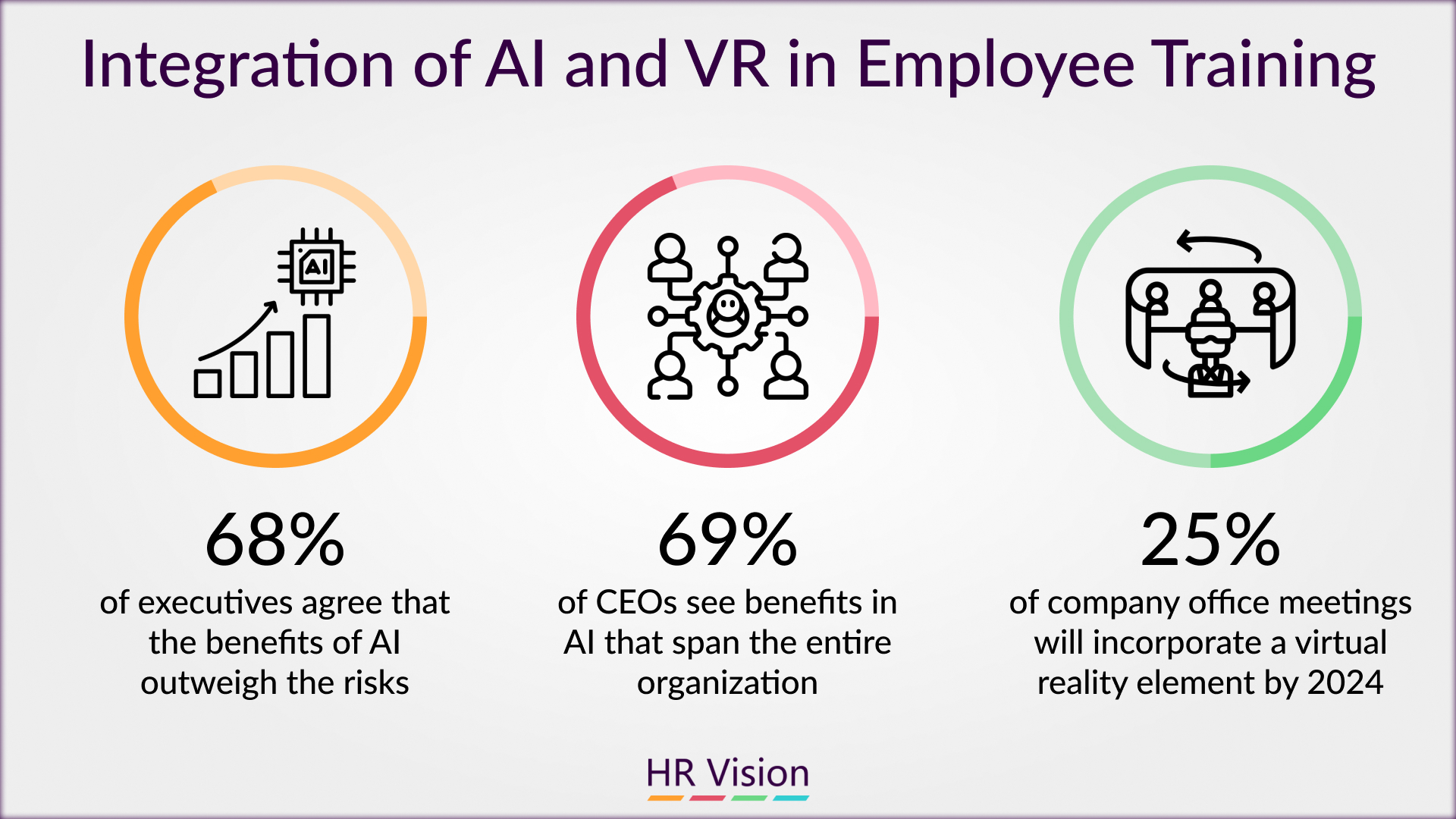
The integration of Artificial Intelligence (AI) and Virtual Reality (VR) marks a revolutionary shift in the landscape of employee development training. As organizations seek innovative ways to engage and educate their workforce, AI and VR technologies are being harnessed to create immersive learning experiences. AI, with its ability to analyze vast amounts of data, and VR, with its capacity to simulate real-world scenarios, combine forces to provide a dynamic and interactive training environment.
This integration involves leveraging AI algorithms to personalize learning content based on individual employee profiles and performance metrics within the framework of an employee development program. VR, on the other hand, enables the creation of simulated environments where employees can practice and refine their skills in a risk-free setting. This fusion of technologies not only enhances the effectiveness of training programs but also caters to diverse learning styles, making education more accessible and engaging.
Examples of How AI and VR Enhance Learning Experiences:
- AI-driven Personalization: Adaptive learning with AI tailors content to each employee’s strengths, weaknesses, and pace for targeted training.
- Immersive Simulations: VR creates realistic scenarios for role-based practice, such as medical procedures or simulated customer interactions.
- Real-time Feedback: AI and VR provide instant, personalized feedback, facilitating immediate identification of areas for improvement in a continuous feedback loop.
Upskilling and Reskilling Initiatives
Upskilling involves enhancing existing skills, ensuring that employees remain proficient in their current roles, while reskilling focuses on equipping individuals with entirely new skill sets to meet the evolving needs of the business.
In the context of an effective employee development plan, upskilling ensures that employees continually acquire new knowledge and capabilities, fostering a culture of continuous learning, improvement, and professional growth. Reskilling is essential for workforce adaptability, allowing employees to transition into different roles within the organization as job functions evolve or become obsolete. The importance of upskilling and reskilling cannot be overstated in a world where technological advancements, industry shifts, and market dynamics continuously reshape job requirements.
Examples of Successful Upskilling/Reskilling Programs
- Google’s IT Support Professional Certificate: This employee development program provides individuals with the skills needed for entry-level roles in IT support, catering to those with no prior experience in the field.
- Toyota’s Skills Enhancement Initiatives: Toyota invests in upskilling programs to enhance the technical and problem-solving skills of its manufacturing workforce, ensuring they are well-equipped for advanced technologies.
- IBM’s SkillsBuild Platform: IBM’s platform offers a range of courses in emerging technologies, empowering individuals to acquire the skills necessary for roles in areas like artificial intelligence, cloud computing, and cybersecurity.
Gamification and Microlearning
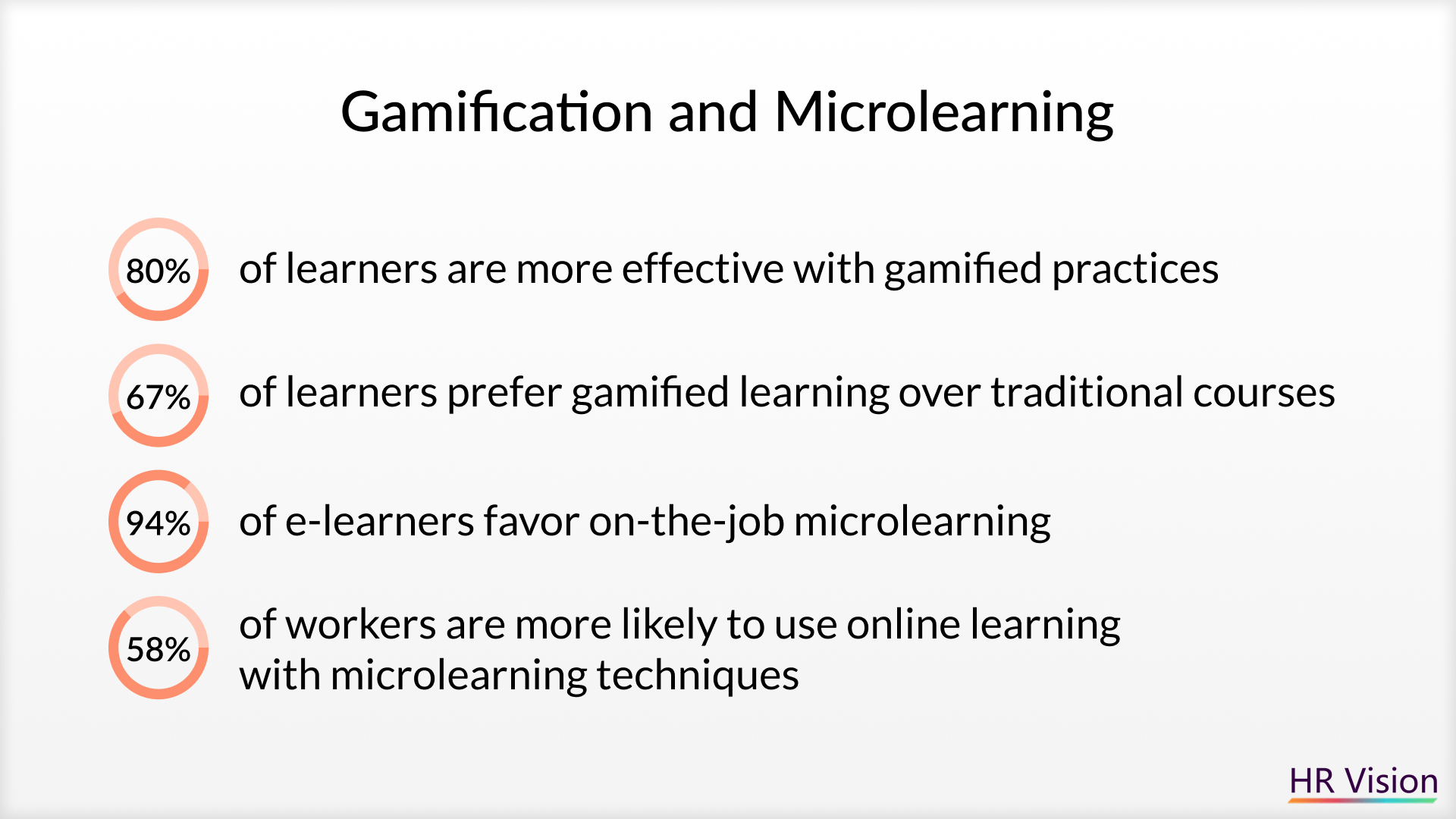
Gamification and microlearning are innovative approaches to employee development training, engaging and educating the workforce. Gamification integrates game elements into non-game contexts, leveraging competition to create interactive and enjoyable training programs that enhance retention. On the other hand, microlearning delivers focused bursts of information in short modules, recognizing modern learners’ preference for brief, easily digestible content and maximizing knowledge transfer in minimal time.
Implementing gamification and microlearning effectively involves customization for relevance, seamless integration with existing systems, setting clear objectives and metrics, incentivizing participation through recognition and rewards, and a commitment to continuous feedback and iteration. This strategic approach ensures engagement, accessibility, and ongoing improvement in the learning experience, aligning with the organization’s goals and fostering a continuous learning culture.
Examples of gamification in employee development
- Salesforce’s Trailhead Platform: Salesforce’s Trailhead platform gamifies the training for its products, utilizing badges and points to motivate users to explore and master various features, fostering a skilled user base.
- Kahoot! for Corporate Training: Kahoot! transforms traditional quizzes into engaging, competitive experiences, promoting teamwork and knowledge acquisition in corporate settings.
- Duolingo: Duolingo gamifies the language learning process by incorporating levels, achievements, and a competitive edge, making the acquisition of a new language enjoyable and rewarding.
Focus on Flexibility and Work-Life Balance
This trend reflects a shift towards prioritizing the holistic well-being of employees, acknowledging that professional growth is intricately linked to personal fulfillment and harmonious work-life integration.
The focus on flexibility manifests in various facets of employee development, from reimagining learning models to accommodating remote work arrangements. As organizations navigate the challenges posed by changing work paradigms, they are investing in flexible learning options, remote training opportunities, and on-demand resources. This not only aligns with the preferences of a diverse and distributed workforce but also fosters a culture of continuous learning, adapting to the unique needs of each individual.
Simultaneously, the emphasis on work-life balance is reshaping how organizations approach talent development. Acknowledging that employees are not just contributors but individuals with multifaceted lives, organizations are crafting development programs that respect and accommodate personal time commitments. This trend not only enhances employee satisfaction and retention but also positions organizations as employers of choice in a competitive talent market.
Personalized Learning Paths
Personalized learning paths represent a paradigm shift in professional development, acknowledging that individuals possess unique learning styles, strengths, and developmental areas. HR’s role in tailoring learning experiences to individual needs is a strategic endeavor aimed at maximizing the effectiveness of training initiatives.
The implementation of personalized learning paths is facilitated by a spectrum of tools and technologies that HR can leverage, such as Learning Management Systems (LMS), artificial intelligence (AI), and data analytics. These instrumental tools play a key role in identifying individual learning preferences, tracking progress, and recommending tailored learning modules within the context of an effective employee development plan. AI-driven algorithms, in particular, analyze learning patterns and suggest content that aligns seamlessly with individual needs, creating a dynamic and personalized learning experience for each employee.
Conclusion
The evolving landscape of employee development emphasizes the critical role of continuous learning for a skilled and adaptable workforce. The integration of AI and VR, upskilling/reskilling initiatives, and innovative approaches like gamification and microlearning showcase the industry’s commitment to staying ahead in a competitive environment.
Flexible work options and a focus on work-life balance not only align with employee preferences but also enhance satisfaction and retention. Meanwhile, personalized learning paths, facilitated by tools like AI and learning management systems, represent a paradigm shift in tailoring training to individual needs within the context of an effective employee development plan.
Additionally, the strategic adoption of these HR trends is essential for organizations as they design and implement a comprehensive employee development program, fostering a continuous learning culture. Embracing these initiatives positions organizations to navigate change, capitalize on opportunities, and foster a culture of innovation, ensuring they remain competitive and resilient in the dynamic global landscape.
Ready to shape the future of employee development in your organization? Join us at HR Vision, where top HR leaders gather to explore the future of work, HR trends, and the power of HR analytics and technology.


