
At the heart of the organization’s success lies the power of an effective team. The synergy among team members, their collective skills, and the shared pursuit of common goals can significantly influence the overall trajectory of an organization. The undeniable correlation between a wining team and organizational success is a testament to the pivotal role played by workforce management. A well-managed workforce not only fuels operational efficiency but also propels the entire organization toward unprecedented success. Building workforce capabilities becomes essential in navigating the dynamic landscape of today’s business environment, ensuring adaptability, and fostering innovation.
Building a winning team requires a strategic and comprehensive approach to talent acquisition. Organizations must proactively seek out individuals with the right skills, experience, and cultural fit to contribute to the overall success of the team. This involves not only identifying and attracting top talent but also fostering a collaborative and inclusive environment that promotes synergy among team members. Building a winning team is a continuous process that involves effective communication, leadership development, and a commitment to ongoing learning and improvement. By prioritizing these elements, organizations can create a high-performing team that is well-equipped to tackle challenges and achieve long-term success.
Understanding Workforce Management
Workforce management is the strategic coordination of an organization’s human resources to enhance efficiency and productivity. It goes beyond basic personnel management, encompassing talent acquisition, development, and retention with the goal of aligning the workforce’s capabilities with the organization’s objectives. Achieving this alignment is crucial for building a winning team that can drive success and innovation in today’s dynamic business environment.
Human Resources, as a key player in building workforce strength, is central to workforce management. HR professionals are crucial in designing and implementing strategies for talent acquisition, ensuring that the organization attracts, nurtures, and optimally deploys its human capital.
Key components of workforce management
Within the expansive realm of workforce management, several essential components support organizational success:
These components include, but are not limited to:
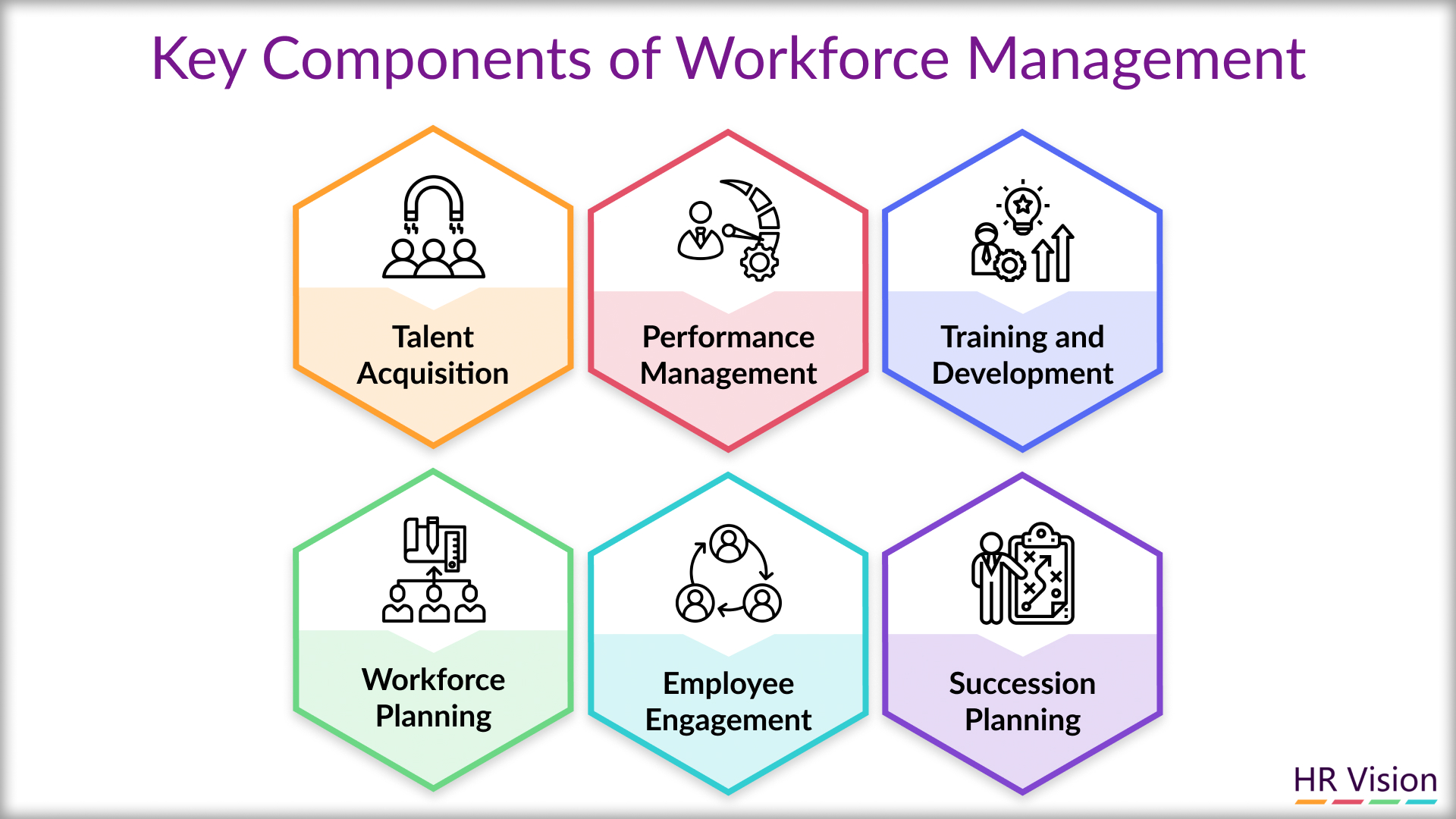
It’s noteworthy that 88% of organizations have adopted time and attendance, and workforce management applications, emphasizing the widespread recognition of the importance of efficient workforce management.
Identifying and Attracting Top Talent
As businesses gear up to navigate the challenges of the future, the imperative to secure skilled and innovative individuals becomes increasingly critical. The statistics underscore this urgency, with the global workforce management market projected to reach a staggering $33 billion by the close of 2035. This forecasted growth, at a Compound Annual Growth Rate (CAGR) of approximately 12.3% from 2023 to 2035, underscores the escalating importance of investing in human capital.
Identifying and attracting top talent involves a multifaceted approach that aligns with the dynamic nature of the job market. Organizations must proactively seek out individuals with the right skills, experience, and cultural fit to contribute to the overall success of the team. Leveraging advanced workforce management tools and technologies is not only beneficial for streamlining operational processes but also for optimizing the talent acquisition process.
To effectively identify top talent and build a winning team, businesses should refine their recruitment strategies, embracing data-driven insights to pinpoint the skills and attributes that align with their specific needs. Understanding market trends, competitor analysis, and emerging industry demands are integral components of this process.
Once identified, attracting top talent demands a compelling employer brand and a strategic recruitment process. Organizations can no longer rely solely on traditional recruitment methods; instead, they must embrace digital platforms, social media, and employer review sites to showcase their unique value proposition. A transparent and authentic employer brand resonates with potential candidates, creating a magnetism that extends beyond salary considerations.
Effective Leadership and Management
In the dynamic realm of workforce management, the role of leadership is paramount in steering teams towards success. As organizations grapple with the challenges of an expanding workforce and navigate crises, the significance of effective leadership and management cannot be overstated.
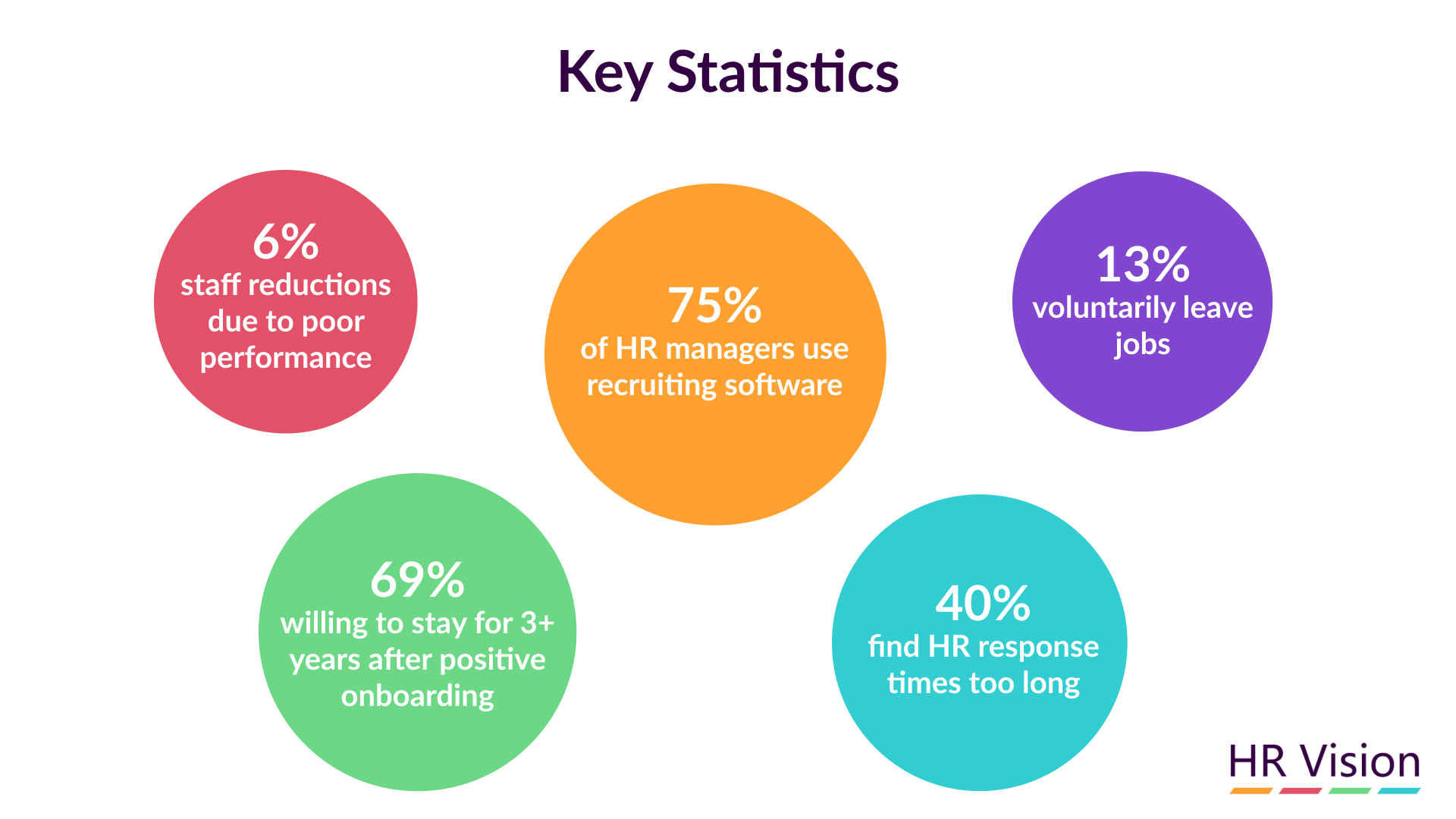
- Statistically, a resounding 84% of business leaders acknowledge the pivotal role of inclusivity in managing an expanding workforce.
In an era marked by diversity and inclusion as key drivers of innovation and success, leaders must foster environments that celebrate differences, embrace varied perspectives, and create a sense of belonging among team members. Inclusive leadership not only enhances employee morale but also cultivates a collaborative atmosphere that stimulates creativity and productivity.
However, amidst the acknowledgment of the importance of leadership, there remains a critical gap in perceived effectiveness. A survey reveals that only 42% of employees strongly agree that their leadership is effectively guiding the organization through times of crisis. This statistic underscores the necessity for leaders to not only recognize the challenges at hand but also proactively engage with their teams to navigate uncertainties and instill confidence. Building a winning team becomes paramount in achieving organizational resilience and success.
- 36% of American employees report that their managers lack a fundamental understanding of how to lead a team.
Amidst the demands for effective communication, empathy, and adaptability, the presented data underscores the pressing requirement for organizations to prioritize investments in leadership development programs. Nurturing the skills required for contemporary leadership, including the ability to form and lead a winning team, ensures that managers can effectively guide their teams through evolving landscapes, foster collaboration, and build resilience.
To bridge the gap between leadership intent and employee perception, organizations must prioritize leadership training, mentorship programs, and continuous feedback mechanisms.
Recognizing the Importance of Employee Engagement
In the intricate tapestry of workforce management, employee engagement emerges as a linchpin for organizational success. Currently, only 15% of employees are engaged in the workplace, highlighting a significant area for improvement.
Acknowledging the pivotal role that engaged employees play in driving innovation, productivity, and overall company morale is fundamental. It is noteworthy that 86% of employees feel the need to prove to their bosses that they are working hard, indicating a potential disconnect between perception and reality in workplace dynamics.A workforce that feels connected, valued, and motivated is more likely to contribute positively to the organization’s objectives, fostering a culture of collaboration and high performance. Building a winning team culture is essential for achieving this cohesion. Companies and workplaces with high employee engagement also report a remarkable 41% decrease in absenteeism, underscoring the tangible benefits of cultivating a positive and engaging work environment. As we celebrate one year, let’s not only reflect on the progress made but also commit to further enhancing employee engagement, recognizing its profound impact on the overall success of our organization.
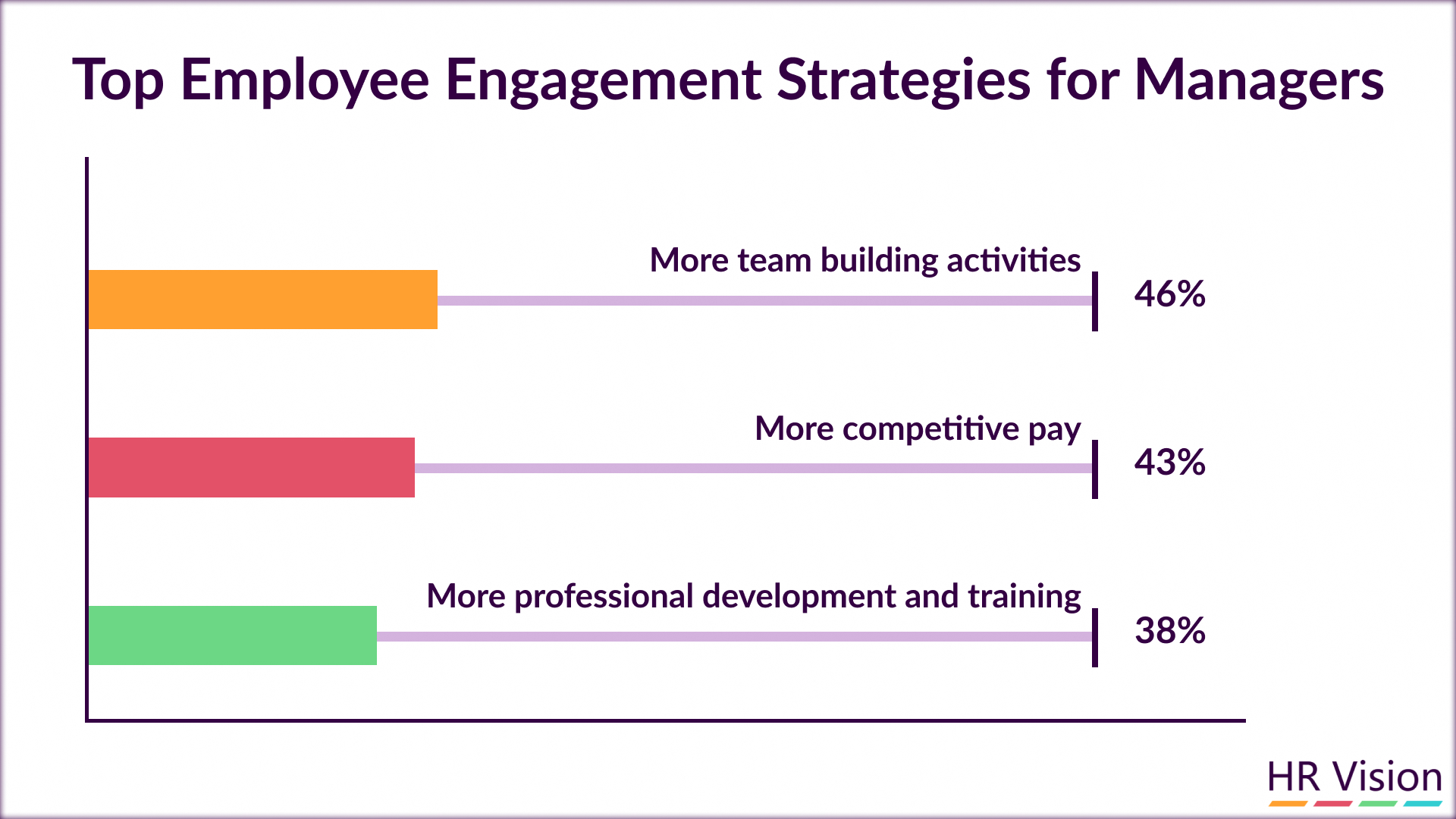
In the pursuit of enhancing employee satisfaction, organizations must delve into strategies that address the diverse needs and aspirations of their workforce. The following key strategies have been identified as instrumental in cultivating a more satisfied and engaged team:
• More Teambuilding Activities (46%):
Foster a sense of camaraderie and collaboration by incorporating regular teambuilding activities. These can range from informal gatherings to structured team events, promoting a positive workplace culture that extends beyond day-to-day tasks. Engaging in these activities can contribute to building a cohesive and winning team dynamic.
• More Competitive Pay (43%):
Acknowledging the significance of fair compensation is essential. Striving to provide competitive pay not only attracts top talent but also demonstrates a commitment to recognizing and valuing the contributions of existing employees.
• More Professional Development and Training (38%):
Investing in the growth and skill development of employees is a powerful motivator. Offering opportunities for professional development and training not only enhances individual capabilities but also contributes to the overall competence and adaptability of the team.
• Career Development Opportunities (30%):
Acknowledge the aspirations of employees by providing clear pathways for career development, learning, and personal growth. A substantial 30% of employees view these opportunities as highly important, indicating a strong desire for continuous advancement. Ensure that the career development programs are tailored to foster a culture of success, creating a winning team that thrives on growth and excellence.
It’s crucial to note that employee satisfaction is intricately tied to retention, as demonstrated by the fact that 73% of employees would consider leaving their jobs for the right offer. Moreover, a remarkable 74% of employees express a willingness to accept a pay cut for a chance to work at their ideal job, underscoring the importance of aligning organizational goals with individual aspirations. Building workforce satisfaction through effective leadership, meaningful work, and a positive workplace culture is essential for fostering long-term employee commitment and reducing turnover rates.
Conclusion
It is crucial to recognize that building workforce management is not a one-time task but an ongoing process. As markets evolve, so do the dynamics within an organization. Regular assessments, skill upgrades, and adaptability to emerging trends are essential components of sustained success. The ability to foresee challenges and proactively address them through strategic workforce planning ensures that a team remains resilient and well-equipped to navigate uncertainties. Moreover, fostering a culture of collaboration, open communication, and shared goals is instrumental in building a winning team culture, where each member contributes their unique strengths to achieve collective success.
Ready to revolutionize your team and embrace the future of work? Join us at HR Vision. Learn from top HR leaders about the future of work and the evolving trends in HR.