

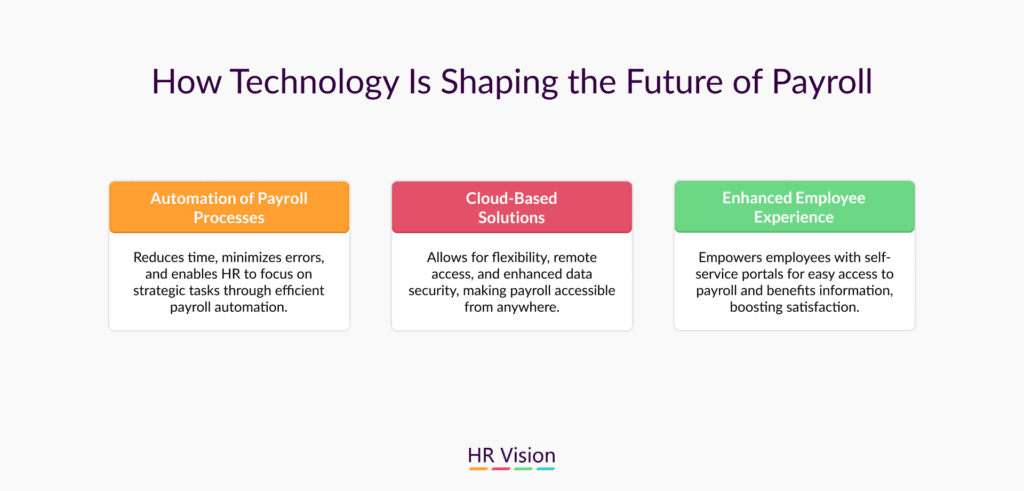
The payroll process has traditionally been a labor-intensive task, often relying on spreadsheets and manual data entry. This approach not only requires extensive time and effort but also leaves room for human error, which can result in inaccuracies and delays.
Despite the availability of advanced solutions, many organizations still rely on spreadsheets (51%) and manual processes (19%) to handle payroll. This reliance on outdated methods can hinder efficiency and limit the ability of HR teams to focus on strategic initiatives.
With rapid technological advancements, payroll processes are undergoing significant transformations. New tools are automating repetitive tasks, improving accuracy, and integrating seamlessly with other HR functions.
The Evolution of Payroll Technology
The evolution of payroll technology reflects a journey from manual, paper-based processes to the sophisticated, automated systems we see today. Initially, payroll was calculated manually, with HR professionals relying on ledgers and handwritten records to track hours, deductions, and salaries. This approach was time-consuming, prone to errors, and required significant administrative resources, often leaving room for payroll discrepancies.
In recent years, payroll technology has reached new heights with the development of cloud computing and mobile applications. Cloud-based payroll systems allow organizations to store and access payroll data in real-time from any location, offering flexibility that supports remote work and global teams. Additionally, mobile payroll applications empower employees to view pay stubs, request changes, and manage benefits from their devices, enhancing the overall employee experience.
Current Technologies in Use
Today, organizations leverage a variety of advanced tools to streamline payroll processes. These include:
- ○ Payroll Software: Customized solutions for automating pay calculations, tax filings, and compliance updates, minimizing manual work and reducing errors.
- ○ Cloud Computing: Centralized, secure, and accessible payroll data stored in the cloud allows for scalability, ensuring that companies of all sizes can adapt to growth without significant software upgrades.
- ○ Mobile Payroll Applications: Employee self-service applications that improve engagement by allowing staff to access and manage payroll-related information directly.
Cloud-Based Payroll Solutions
Cloud-based payroll solutions are revolutionizing how organizations manage their payroll processes, offering unparalleled flexibility and accessibility, particularly for remote workforces. As businesses increasingly adopt remote or hybrid work models, the need for reliable and accessible payroll systems has become paramount. With 50% of organizations utilizing cloud-based technology for payroll processing, it is clear that this trend is shaping the future of HR management.
One of the most significant advantages of cloud-based payroll systems is their ability to provide real-time updates and data accuracy. Traditional payroll methods often relied on periodic updates, which could lead to discrepancies and delays. In contrast, cloud solutions enable payroll professionals to access the latest information anytime and anywhere, ensuring that all data—such as hours worked, deductions, and tax rates—are current. This immediacy helps reduce errors and ensures compliance with ever-changing regulations.
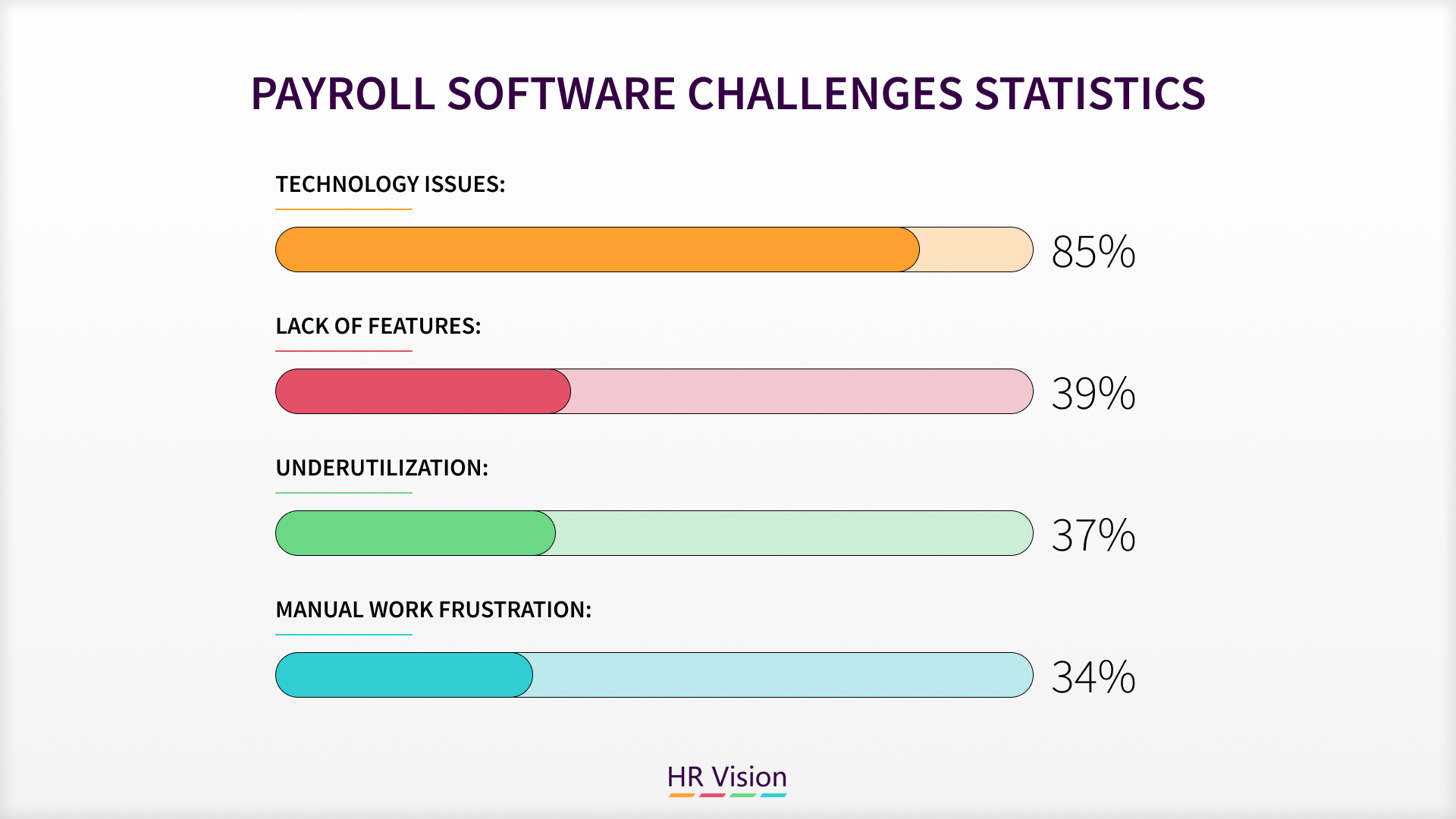
However, despite the growing adoption of cloud-based payroll technologies, many organizations face challenges. According to recent surveys, 85% of companies reported experiencing problems with their payroll technologies. These issues can stem from integration difficulties, user experience challenges, and the need for ongoing training. Nevertheless, the overall benefits of cloud-based payroll systems continue to outweigh these challenges, with 62% of companies using such systems in 2021. As technology evolves, addressing these concerns will be essential for organizations looking to fully leverage the capabilities of cloud-based payroll solutions.
Automation and Artificial Intelligence
Integrating automation and artificial intelligence (AI) into payroll processes transforms how organizations manage their payroll operations, significantly streamlining repetitive tasks and enhancing decision-making capabilities.
One of the most impactful applications of automation in payroll is the management of repetitive tasks, such as calculations and data entry. Traditional payroll processes often involve extensive manual work, including calculating hours worked, applying deductions, and entering data into spreadsheets. Automation eliminates much of this manual effort, allowing payroll systems to process information based on pre-set rules and parameters automatically. This not only speeds up payroll processing times but also enhances accuracy, as automated systems are less prone to human error.
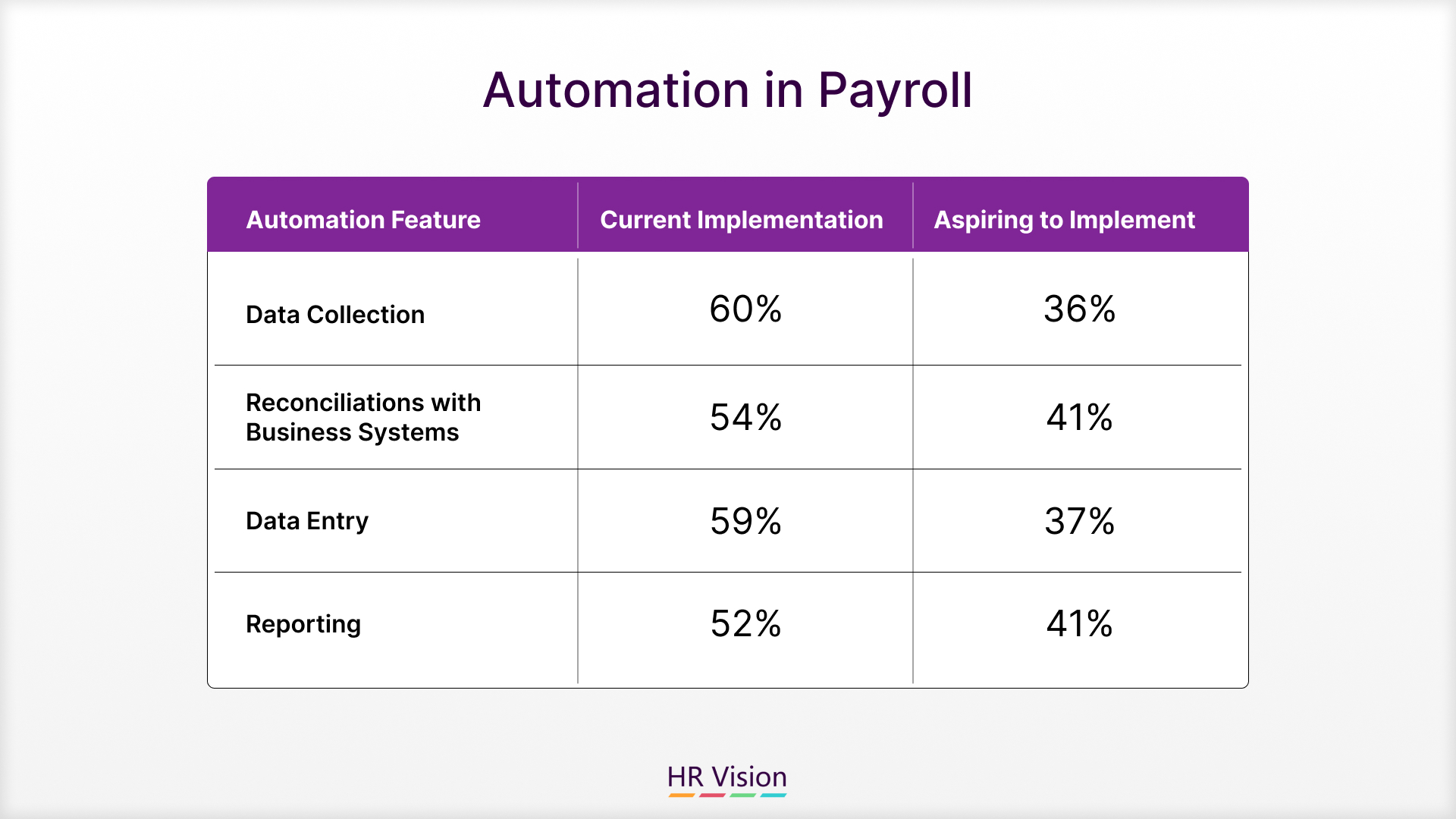
Furthermore, AI-driven analytics provide organizations with valuable insights that can inform better decision-making. AI can identify patterns and trends by analyzing payroll data, helping HR professionals understand employee behaviors and compensation dynamics. For instance, AI can pinpoint discrepancies in pay distribution, analyze overtime usage, and highlight areas where payroll processes can be optimized. These insights empower HR teams to make informed decisions regarding compensation strategies, workforce planning, and resource allocation.
Mobile Payroll Applications
Mobile payroll applications are reshaping the landscape of payroll management by empowering employees with self-service features and enhancing overall engagement and satisfaction. As the workforce becomes increasingly mobile and tech-savvy, organizations are recognizing the importance of providing employees with convenient access to their payroll information at their fingertips.
One of the standout features of mobile payroll applications is the ability for employees to access their payroll data independently. This self-service capability allows employees to view pay stubs, track hours worked, and manage deductions without needing to rely on HR personnel. This autonomy not only saves time for HR teams, who can focus on more strategic tasks, but also fosters a sense of empowerment among employees, who can manage their own payroll information as needed.
Challenges and Considerations
While the adoption of technology in payroll processes brings numerous benefits, organizations must also navigate several challenges and considerations to ensure successful implementation and ongoing management. Addressing these issues is crucial for maximizing the effectiveness of payroll technologies and protecting sensitive employee information.
1. Data Security and Privacy Concerns
One of the foremost challenges in implementing modern payroll solutions is ensuring data security and privacy. Payroll systems handle sensitive employee information, including Social Security numbers, bank details, and salary data, making them prime targets for cyberattacks. Organizations must prioritize robust security measures, including encryption, access controls, and regular audits, to safeguard this data. Additionally, compliance with regulations such as GDPR or HIPAA is essential to avoid legal ramifications and maintain employee trust.
2. Integration with Existing HR Systems
Another significant consideration is the integration of new payroll technologies with existing HR systems. Many organizations utilize a variety of software solutions for different HR functions, such as talent management, benefits administration, and performance tracking. Ensuring that the payroll system seamlessly integrates with these tools is critical for maintaining data consistency and streamlining processes. Organizations may face challenges related to compatibility, data migration, and the need for customized solutions to achieve a cohesive HR ecosystem.
3. Change Management and Employee Training
Introducing new payroll technologies often requires significant change management efforts. Employees may be resistant to adopting new systems, particularly if they are accustomed to traditional processes. To overcome this challenge, organizations must implement comprehensive training programs to familiarize staff with the new technology and its benefits. Providing ongoing support and resources can help alleviate concerns and facilitate a smoother transition.
Benefits of Technology in Payroll
The integration of technology in payroll processes brings substantial benefits, significantly increasing efficiency and saving valuable time for HR teams. Automated payroll systems streamline repetitive tasks such as calculations, data entry, and report generation, allowing HR professionals to focus on more strategic initiatives rather than being bogged down by administrative duties. With the ability to process payroll in real-time, organizations can ensure timely payments, minimizing the risk of late or incorrect disbursements.
Moreover, technology enhances accuracy and reduces errors within payroll processes. Automated systems are designed to minimize human intervention, which is often the source of inaccuracies in manual calculations. With real-time data updates, organizations can ensure that payroll reflects the most current information regarding employee hours, tax rates, and deductions. This increased accuracy leads to improved compliance with labor laws and tax regulations, reducing the risk of costly penalties and audits. As organizations navigate the complexities of ever-changing regulations, technology provides the tools necessary to maintain compliance effortlessly.
Conclusion
As organizations strive to modernize HR functions, technology is proving essential in transforming payroll from a traditionally time-consuming task into a streamlined, strategic asset. By adopting cloud-based systems, automation, AI-driven insights, and mobile applications, businesses are reaping the benefits of increased efficiency, enhanced accuracy, and better regulatory compliance. These technological advancements not only free up HR resources for higher-value activities but also improve the overall employee experience, fostering trust and engagement.
However, implementing these tools requires careful consideration of data security, seamless integration with existing systems, and comprehensive change management strategies. Organizations that successfully address these challenges will find themselves better positioned to handle the complexities of payroll in a dynamic workforce landscape.
Ready to stay ahead in the ever-changing world of HR? Join us at HR Vision, where top HR leaders gather to explore the future of work, HR trends, and the power of HR analytics and technology.


