Workplaces are made up of different people working together to achieve shared goals. To create a positive and productive environment, it’s important to treat everyone fairly. Fairness helps build trust, keeps employees motivated, and fosters teamwork.
However, when fairness is missing, problems can arise. One common issue is favoritism. Favoritism happens when certain employees are given special treatment, not because of their performance, but because of personal relationships, biases, or preferences. This could mean giving someone more opportunities, better assignments, or even promotions, while others feel overlooked.
What Is Favoritism in the Workplace?
Favoritism in the workplace happens when certain employees receive special treatment because of personal relationships, biases, or preferences, rather than their skills or performance. This could include unfair promotions, better assignments, or more frequent praise.
It’s important to distinguish favoritism from merit-based rewards. While merit-based rewards recognize employees for their hard work and achievements, favoritism gives unfair advantages to individuals who haven’t earned them, often ignoring the contributions of others.
Favoritism can stem from personal relationships, such as family connections, or unconscious biases. A significant 25% of employees report seeing favoritism toward family members in their workplace. Interestingly, men are 33% more likely to benefit from familial favoritism than women, highlighting a gender imbalance in these practices.
Such behaviors can lead to resentment, lower morale, and decreased trust among team members, making it essential for organizations to address favoritism and ensure fairness in their decision-making processes.
Examples of Favoritism in the Workplace
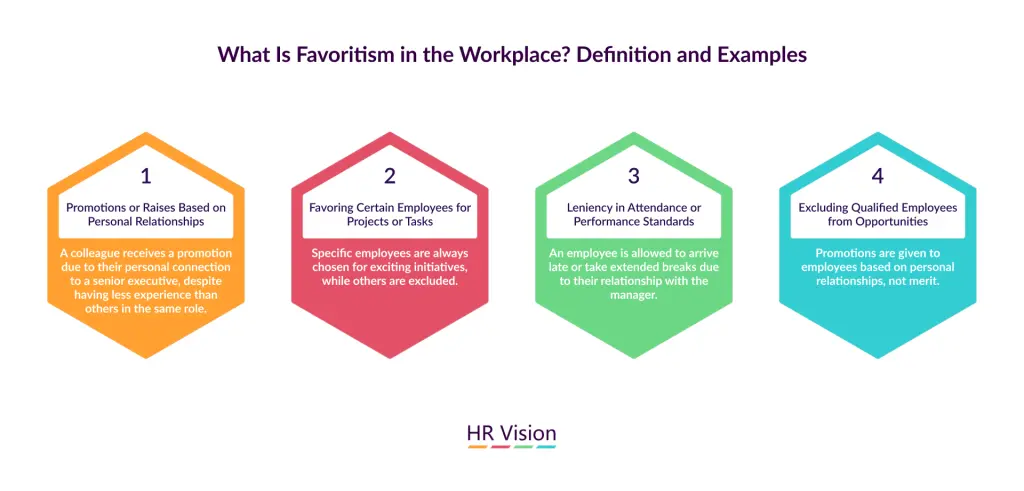
- Promotions or Raises Based on Personal Relationships
One of the most noticeable forms of favoritism occurs when promotions or salary increases are granted not because of an employee’s performance, skills, or contributions, but due to personal relationships with managers or higher-ups. For example, a manager might promote a friend or family member over someone who is more qualified for the position. This not only causes resentment among the rest of the team but also diminishes trust in the company’s leadership and its commitment to recognizing merit.
- • A manager promotes a family member over a more qualified candidate.
- • An employee who is close friends with the supervisor consistently receives salary increases, even if their performance doesn’t meet expectations.
- • A colleague receives a promotion due to their personal connection to a senior executive, despite having less experience than others in the same role.
- Favoring Certain Employees for Projects or Tasks
Favoritism also shows up when certain employees are repeatedly chosen for high-profile or desirable projects, while others are ignored, even though they have the skills and qualifications to handle the work. This could mean assigning a prestigious client to a favored employee, or offering interesting projects only to those with personal connections to the decision-makers.
- • High-profile projects are repeatedly given to one team member due to their personal relationship with the manager.
- • Specific employees are always chosen for exciting initiatives, while others are excluded.
- • An employee leads a major project because of their close ties with the boss.
- Leniency in Attendance or Performance Standards
Another clear sign of favoritism is when managers are lenient with certain employees regarding attendance, deadlines, or overall performance standards. For example, an employee who is friends with their supervisor might be allowed to take extended lunch breaks or arrive late to work without facing any consequences, while other employees are held strictly accountable for their time and productivity. Similarly, if performance expectations are lowered for some individuals, but others are expected to meet higher standards, it creates an unequal environment.
- • An employee is allowed to arrive late or take extended breaks due to their relationship with the manager.
- • Poor performance is overlooked for certain employees, while others are held to strict standards.
- • Some employees are excused from work without explanation, while others must follow the rules.
- Excluding Qualified Employees from Opportunities
Favoritism can also manifest in the exclusion of qualified employees from important opportunities. These could include access to leadership training, networking events, or chances to work on projects that could boost their career growth. If these opportunities are continually given to certain individuals based on personal relationships rather than their qualifications or performance, it can prevent other employees from advancing.
- • A qualified employee is passed over for training or leadership opportunities.
- • Certain team members are excluded from meetings, while others are included due to personal connections.
- • Promotions are given to employees based on personal relationships, not merit.
Effects of Favoritism on the Workplace
When employees perceive favoritism in the workplace, it can lead to feelings of frustration, resentment, and unfairness. Those who feel overlooked or undervalued are less likely to be satisfied with their jobs. This drop in morale can cause employees to disengage from their work and become less motivated.
Favoritism can create an environment where only a select few are recognized or rewarded, while others feel their hard work goes unnoticed. As a result, employees who are not favored may lose motivation to perform at their best. This can lead to a decline in overall productivity and a lack of enthusiasm among the team.
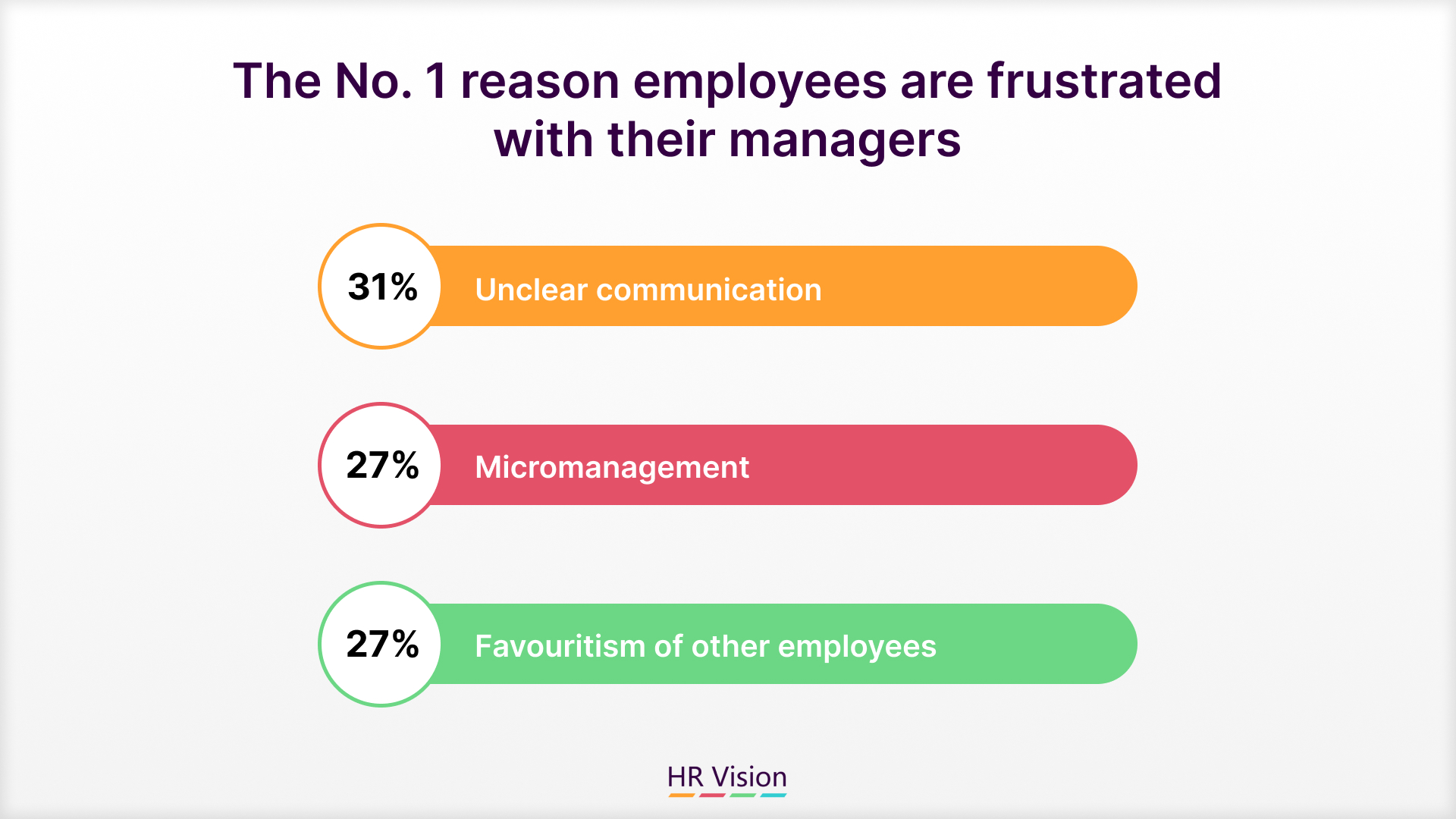
Employees who feel excluded or treated unfairly may decide to leave the company in search of a more equitable work environment. Favoritism can contribute to higher turnover rates, which can be costly for the organization in terms of recruitment, training, and lost expertise.
When favoritism is allowed to thrive, it can damage the company’s culture. It creates divisions among employees and erodes trust in leadership. Over time, this can harm the company’s reputation as an employer, making it harder to attract top talent. Employees may also share negative experiences, which could affect the organization’s public image.
How to Identify Favoritism in the Workplace
- Signs of Favoritism
Some clear signs of favoritism include:
- • Consistent Preferential Treatment: Certain employees regularly receive better assignments, perks, or recognition, even if their performance doesn’t warrant it.
- • Lack of Transparency: Decisions regarding promotions, raises, or assignments are made without clear reasoning or communication, creating suspicion among the team.
- • Exclusion of Others: Certain employees are consistently left out of opportunities, meetings, or key projects while others are always included.
- Employee Feedback and Complaints
Employees often feel uncomfortable expressing their concerns directly, but feedback and complaints from staff can be strong indicators of favoritism. If multiple employees voice frustrations about perceived unfairness or biased treatment, it’s a red flag that favoritism may be present.
- Disparities in Performance Reviews and Rewards
Favoritism can also be spotted through inconsistent performance reviews and rewards. If two employees with similar performance levels receive very different evaluations, raises, or recognition, it may indicate favoritism. Employees who feel that others are being rewarded unfairly may feel discouraged or demotivated.
Addressing Favoritism in the Workplace
Favoritism can severely impact a workplace, leading to decreased morale, increased turnover, and diminished employee engagement. To tackle this issue effectively, HR professionals and leadership need to implement strategies that promote fairness and transparency while fostering an inclusive work environment. Below are key ways to address favoritism and create a more balanced workplace:
- • Develop clear performance criteria for promotions, raises, and task assignments.
- • Ensure policies are transparent and communicated to all employees.
- • Promote transparent decision-making processes for promotions, rewards, and task assignments.
- • Encourage open communication between managers and employees to explain decisions.
- • Create anonymous channels for employees to report concerns about favoritism.
- • Regularly collect and review feedback to identify patterns of favoritism.
- • Senior leaders should actively promote a culture of fairness and transparency within the organization.
Conclusion
Recognizing and addressing favoritism is crucial for maintaining a fair and equitable workplace. Favoritism can negatively impact morale, productivity, and employee engagement, leading to higher turnover and a toxic work environment. For organizations to thrive, it’s essential to take proactive steps to ensure that all employees are treated equally and given opportunities based on merit, not personal relationships.
A fair workplace benefits everyone. Employees are more likely to stay engaged, productive, and loyal when they feel they are treated equitably. For the organization, a fair work environment leads to improved team dynamics, better performance, and a stronger reputation as an employer. Ultimately, organizations that prioritize fairness and address favoritism can build a more inclusive, motivated, and successful workforce.
Want to dive deeper into strategies for creating a fair and inclusive workplace? Join us at HR Vision! This event brings together top HR leaders to explore the latest trends in people management, including tackling favoritism and building a culture of fairness.