
Effective communication within organizations can be the difference between success and failure. According to a study by Harvard Business Review, 70% of employees feel most invested in their jobs when senior management communicates openly.
Transparent communication, refers to the open and honest sharing of information, whether it pertains to company goals, performance, or challenges. It’s about ensuring that employees at all levels have access to the information they need to perform their roles effectively and feel connected to the bigger picture. In an environment of transparency, employees are more likely to trust leadership, stay engaged with their work, and align their efforts with the organization’s objectives.
1. Building Trust Among Employees
Trust is a fundamental pillar of any successful workplace. Without it, employees may struggle to feel secure in their roles, leading to disengagement and diminished productivity. Transparent communication fosters trust by providing employees with a clear understanding of organizational goals and decisions. When leadership openly shares the reasoning behind key initiatives, financial health, or upcoming changes, employees feel more informed and included in the company’s journey.
This level of openness reduces uncertainty and helps employees make sense of their work in the broader context of the organization’s direction. It assures them that they are not being kept in the dark, empowering them to contribute more confidently and proactively. When employees trust that the information they receive is accurate and timely, they are more likely to align with the company’s vision and work together toward shared goals.
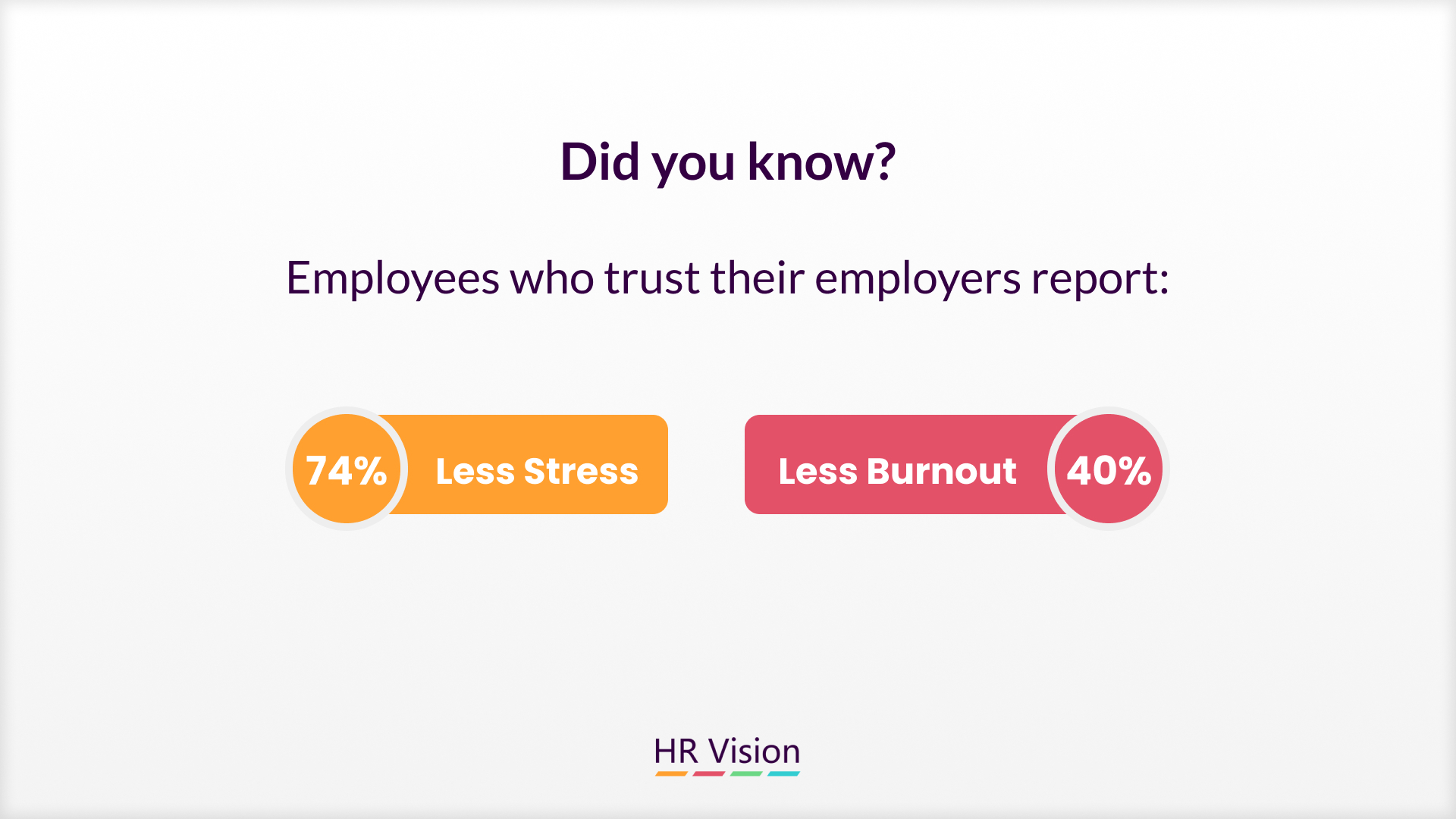
In addition to building trust, transparent communication plays a vital role in enhancing employee loyalty. When organizations openly communicate with their workforce, employees feel valued and appreciated. They are more likely to stay with a company that treats them as partners rather than subordinates.
Transparency nurtures a culture of inclusion where employees feel like an integral part of the organization’s success. Whether it’s through open dialogue in team meetings or regular company-wide updates, sharing information helps employees feel connected and respected.
2. Enhancing Employee Engagement and Productivity
Employee engagement is closely linked to how connected and informed individuals feel within their roles. When organizations prioritize open communication, they create an environment where employees understand not just what they are doing, but why they are doing it. This sense of purpose can significantly enhance motivation and engagement. Transparent communication allows employees to see the bigger picture—how their work fits into the company’s broader objectives—leading to a greater sense of ownership and pride in their roles.
In addition to boosting engagement, transparency is essential for fostering a culture of accountability and high performance. When expectations, goals, and performance metrics are communicated openly, employees understand exactly what is required of them and how their work will be evaluated. This clarity eliminates confusion and creates a strong sense of accountability, as employees are aware that their contributions are visible and measurable.
3. Promoting a Positive Organizational Culture
Organizational culture is shaped by the behaviors, values, and practices that are consistently reinforced within a company. Transparency plays a crucial role in driving and sustaining a positive culture by aligning employees with the core values and expectations of the organization. When leadership communicates openly about the company’s mission, vision, and the rationale behind decisions, it sets a standard for integrity and honesty that filters through every level of the organization.
Clear communication reinforces what the company stands for and what it expects from its employees, creating a cohesive work environment where everyone is on the same page. Whether it’s transparency about goals, challenges, or performance outcomes, employees understand the company’s priorities and can model their actions accordingly. This leads to a more engaged and values-driven workforce, fostering a culture of trust, collaboration, and shared purpose.
4. Managing Change and Crisis Effectively
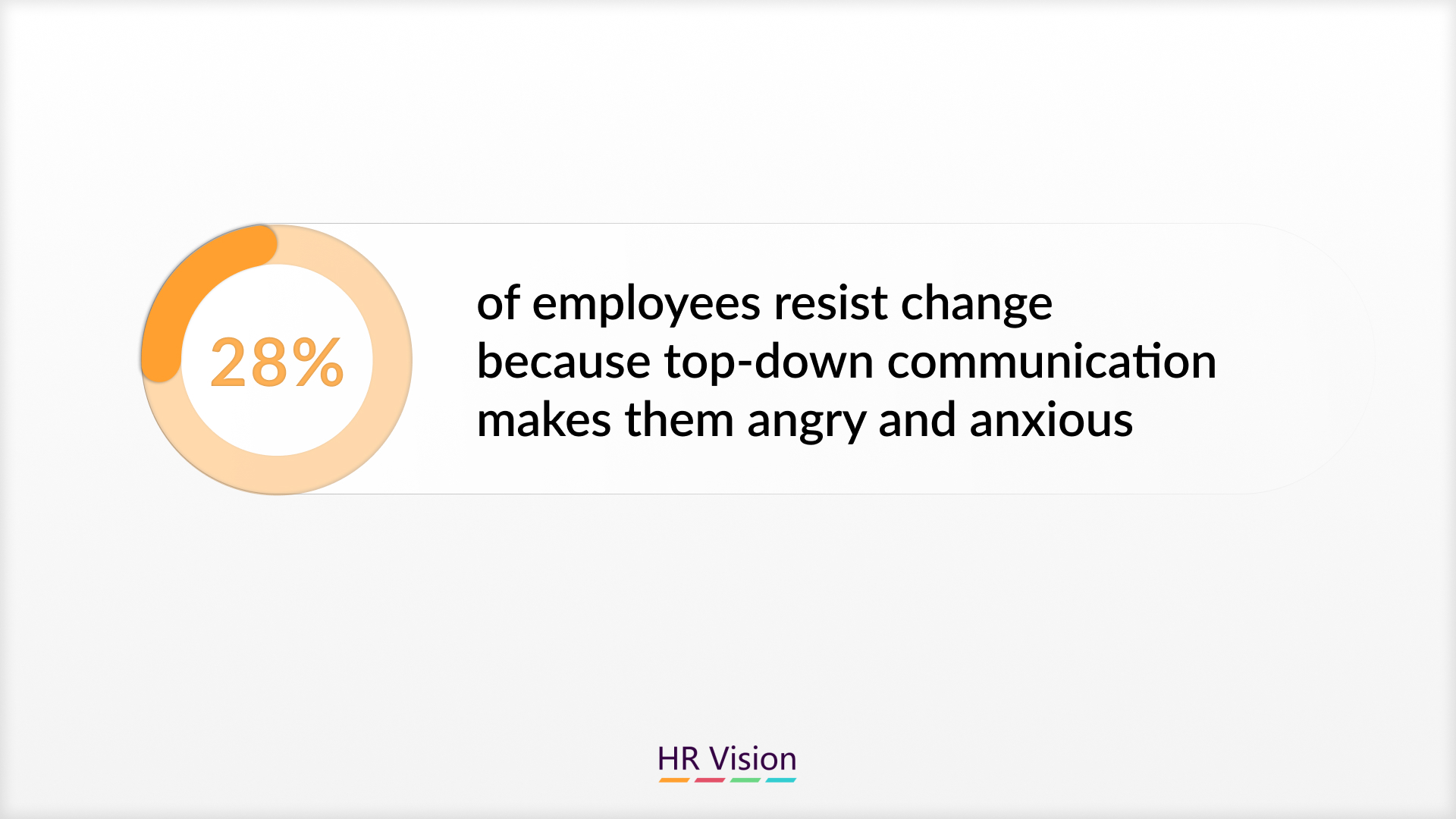
Organizational change—whether it’s a merger, restructuring, or a major policy shift—can create significant uncertainty for employees. During these times, clear and honest communication becomes critical in helping employees understand the reasons for the change and how it will impact them. According to the CEB Corporate Leadership Council, 28% of employees resist change because top-down communication makes them angry and anxious. This statistic underscores the importance of moving beyond mere top-down directives and engaging in open, transparent communication.
When leadership is transparent about the motives behind the change, the expected outcomes, and the potential challenges, it can ease anxieties and help employees adapt more quickly. Employees are more likely to trust leadership if they feel that they are being kept informed throughout the change process. Rather than fearing the unknown, they can begin to understand the necessity and benefits of the change, allowing them to adjust their mindset and align their efforts with the new direction. Transparent communication also opens the door for employees to ask questions and provide feedback, creating a sense of involvement that helps minimize resistance and fosters a smoother transition.
In times of crisis—such as economic downturns, public relations crises, or sudden operational disruptions—transparency is essential for maintaining stability and reducing uncertainty. Crises often leave employees feeling unsettled, questioning the future of their roles and the company. Without open communication, rumors and misinformation can quickly spread, leading to panic and distrust. Transparent communication during a crisis helps to prevent this by ensuring that employees receive accurate, timely information directly from leadership.
5. Boosting Employee Satisfaction and Reducing Turnover
Employee satisfaction is significantly influenced by how well information is communicated within an organization. Open communication helps to clarify expectations, reduce misunderstandings, and minimize conflicts. For instance, when employees are regularly updated on company performance, project goals, and changes in policies, they have a clearer understanding of their roles and how their work contributes to the company’s success. This clarity can lead to higher job satisfaction as employees feel more secure in their positions and less anxious about potential miscommunications.
A practical example is when a company implements a new project management tool. If the leadership transparently communicates the reasons for the change, provides training, and addresses concerns, employees are less likely to experience frustration or confusion. In contrast, a lack of communication can lead to misunderstandings about the tool’s purpose and functionality, resulting in decreased job satisfaction and increased stress.
Employee turnover is often a result of dissatisfaction with how the organization communicates and handles its internal processes. Transparency plays a crucial role in reducing turnover by ensuring that employees feel informed and aligned with the company’s mission and decisions.
For example, consider a company undergoing significant organizational changes. If leadership communicates openly about the reasons for the changes, the expected outcomes, and how these changes will affect employees, it helps to build trust and loyalty. Employees who feel included and informed are less likely to seek opportunities elsewhere, as they see a clear alignment between their personal goals and the company’s objectives. Transparency reduces feelings of insecurity and helps employees feel more connected to the company’s mission, ultimately leading to higher retention rates and a more stable workforce.
Conclusion
Transparent communication significantly impacts how employees perceive their roles and their connection to the company. It builds a foundation of trust by clearly sharing organizational goals and decisions, boosts engagement by providing employees with a sense of purpose and alignment, and cultivates a positive culture by reinforcing values and inclusivity. Moreover, transparent communication is crucial during times of change and crisis, helping to manage uncertainty and maintain stability.
Ready to explore how transparent communication and other innovative HR practices can shape the future of your organization? Join us at HR Vision, where we’ll dive into the latest trends in HR, talent management, and leadership.