

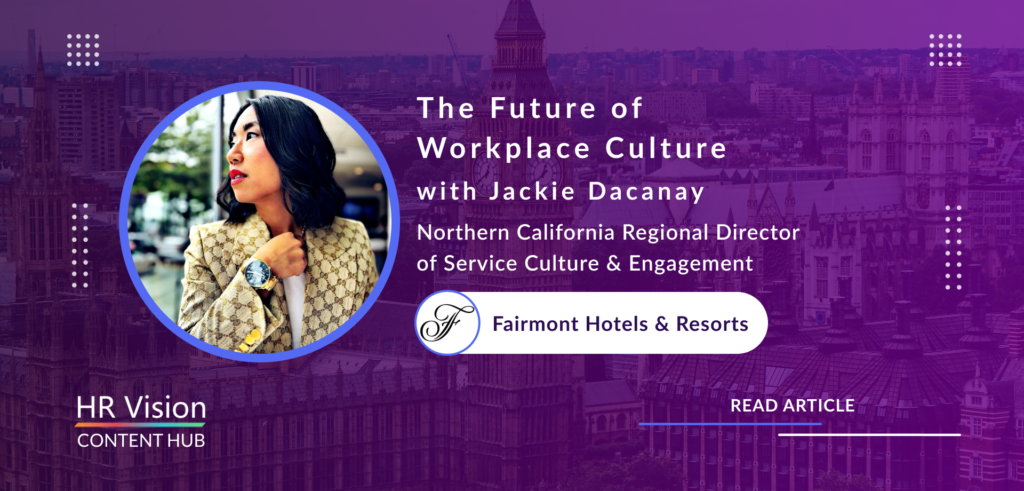
- You’ve been recognized as one of Chief Navigator’s Top 10 HR Executives. What leadership practices have helped you earn this distinction?
Disrupting traditional thought processes, challenging the status quo, leveraging relationships to get things done, empowering and enabling others, data-driven decision making, focus on service culture
- How do neuroscience-driven strategies influence workplace culture transformation, and why are they effective?
Neuroscience-driven strategies are powerful tools for workplace culture transformation because they tap into how the human brain naturally processes information, builds connections, and responds to its environment. By aligning organizational practices with brain science, leaders can create cultures that are engaging, resilient, and innovative.
These strategies are effective because they are grounded in the universal principles of how humans operate at a fundamental level. By understanding and leveraging these principles, organizations can design cultures that naturally resonate with employees, driving engagement, innovation, and long-term success.
- Your “happy” and “play” at work philosophy is intriguing. How can leaders incorporate these elements without compromising productivity?
Incorporating “happy” and “play” into the workplace doesn’t mean sacrificing productivity; in fact, it can significantly enhance it. A positive, engaging environment fuels creativity, collaboration, and resilience, all of which are critical to achieving business goals. Here’s how leaders can integrate these elements effectively:
- • Redefine Play as Productive Exploration
- • Foster a Culture of Joy and Recognition
- • Create Opportunities for Meaningful Social Interaction
- • Encourage a Growth Mindset Through Playful Learning
- • Prioritize Psychological Safety
- • Design a Fun and Functional Workspace
- • Model Joyful Leadership
- • Link Play to Purpose
By weaving happiness and play into the fabric of work culture, leaders can create an environment where employees thrive both emotionally and professionally. When people enjoy their work, they naturally perform better—making joy a productivity strategy, not a distraction.
- With your expertise in reducing turnover, what are the first steps HR leaders should take to improve employee retention?
Improving employee retention begins with understanding and addressing the root causes of turnover while fostering a culture that makes employees feel valued and engaged. Here are the first steps HR leaders should take:
- • Conduct an In-Depth Turnover Analysis;
- • Evaluate and Enhance Onboarding;
- • Understand Employee Needs and Aspirations;
- • Create Clear Career Development Pathways;
- • Foster a Culture of Recognition and Appreciation;
- • Build Managerial Capabilities;
- • Assess Compensation and Benefits Competitiveness;
- • Promote a Positive Work Environment;
- • Regularly Measure Engagement;
- • Provide Flexibility and Support Work-Life Balance
By addressing these foundational areas, HR leaders can build a workplace where employees feel connected, supported, and motivated to stay.
- What role does psychological safety play in team success, and how can organizations foster such environments?
Psychological safety is a cornerstone of team success, as it creates an environment where employees feel safe to express ideas, take risks, and admit mistakes without fear of judgment, ridicule, or retribution. Teams that embrace psychological safety tend to be more innovative, collaborative, and resilient. Here’s why it matters and how organizations can foster it:
- • Encourages Open Communication
- • Builds Trust and Collaboration
- • Supports Learning and Growth
- • Boosts Engagement and Retention
- • Enhances Performance and Innovation
How Organizations Can Foster Psychological Safety:
- Lead by Example.
- Encourage Open Dialogue.
- Normalize Risk and Mistakes.
- Establish Inclusive Practices.
- Provide Psychological Safety Training.
- Set Clear Expectations.
- Recognize and Reward Positive Behaviors.
- Measure and Monitor.
Organizations with high psychological safety report better outcomes in innovation, customer satisfaction, employee engagement, and financial performance. It’s not just a “nice-to-have” but a strategic advantage in creating resilient, high-performing teams. By embedding psychological safety into the fabric of their culture, organizations empower their teams to reach new levels of success.
- How can positive psychology principles be integrated into HR strategies to boost engagement and satisfaction?
Integrating positive psychology principles into HR strategies can significantly boost employee engagement, satisfaction, and overall workplace well-being. Positive psychology focuses on fostering strengths, meaningful experiences, and a sense of fulfillment—making it a natural fit for human resource practices aimed at creating thriving workplaces. Here’s how HR leaders can incorporate these principles:
- • Focus on Strengths-Based Development
- • Cultivate a Culture of Gratitude
- • Promote Meaningful Work
- • Foster Positive Relationships
- • Emphasize Growth and Development
- • Implement Well-Being Initiatives
- • Encourage Optimism and Resilience
- • Recognize and Celebrate Small Wins
- • Design Work to Foster Flow States Build a Strengthened Sense of Autonomy
- • Measure and Act on Employee Sentiment Train Leaders in Positive Psychology Practices
When positive psychology principles are embedded in HR strategies, organizations see not only happier employees but also measurable business benefits: increased productivity, lower turnover, and stronger alignment with organizational goals. Positive psychology doesn’t just enhance the workplace; it transforms it into a thriving, dynamic ecosystem.
- From your 20+ years of experience, what common mistakes do organizations make when trying to improve workforce engagement?
Over my 20+ years of experience, I’ve observed several recurring mistakes organizations make when attempting to improve workforce engagement. While these efforts are often well-intentioned, they can backfire if not carefully executed. Here are the most common pitfalls and how to avoid them:
- • Treating Engagement as a One-Time Initiative
- • Ignoring Employee Feedback
- • Overlooking the Role of Managers
- • One-Size-Fits-All Approach
- • Focusing Solely on Perks
- • Neglecting Psychological Safety Misaligning Engagement Efforts with Organizational Culture
- • Underestimating the Impact of Workload and Burnout
- • Prioritizing Metrics Over Meaning
- • Failing to Lead by Example
- • Neglecting to Celebrate Progress
- • Overcomplicating Engagement Strategies
Successful workforce engagement requires a thoughtful, authentic, and sustained approach. By avoiding these common mistakes and focusing on meaningful connections, organizations can create an environment where employees feel motivated, valued, and empowered to contribute their best.
- What’s the most rewarding aspect of your work in transforming workplace cultures, and why?
The most rewarding aspect of transforming workplace cultures is witnessing the tangible impact on both individuals and the organization as a whole. Here’s why it’s deeply fulfilling:
- • Empowering Employees to Thrive
- • Building Meaningful Connections
- • Unlocking Innovation and Creativity
- • Creating Lasting Organizational Impact
- • Turning Challenges into Opportunities
- • Making Work Meaningful for Everyone
- • Driving Positive Change Beyond the Workplace
- • Seeing Leaders Transform Alongside Their Teams
Transforming workplace cultures is about changing lives—making work meaningful, empowering individuals, and creating environments where people feel they belong. The most rewarding moments come when the transformation is no longer just a goal but the new reality for everyone involved.
- Finally, what trends do you see shaping the future of workplace culture, and how should HR leaders prepare?
The future of workplace culture is being shaped by significant societal, technological, and workforce shifts. To remain competitive and build thriving organizations, HR leaders must anticipate these trends and proactively adapt. Here are the key trends shaping the future of workplace culture and strategies for HR leaders to prepare:
- Hybrid and Flexible Work Models
Trend: The shift to hybrid and remote work is here to stay, redefining how organizations operate and engage their workforce.
HR Preparation:
- • Invest in technology that facilitates seamless collaboration and communication.
- • Create equitable policies that ensure both in-office and remote workers feel valued.
- • Develop strategies for maintaining connection, culture, and engagement in a distributed workforce.
- Emphasis on Well-Being and Mental Health
Trend: Employees increasingly prioritize mental health, holistic well-being, and work-life integration.
HR Preparation:
- • Offer comprehensive well-being programs, including mental health resources, flexible schedules, and burnout prevention initiatives.
- • Train leaders to recognize and support employee mental health needs.
- • Normalize conversations about well-being and reduce stigma.
- Diversity, Equity, Inclusion, and Belonging (DEIB)
Trend: There is growing demand for workplaces that are inclusive and equitable, where employees feel a sense of belonging.
HR Preparation:
- • Develop robust DEIB strategies with measurable goals and accountability mechanisms.
- • Facilitate training on unconscious bias, inclusive leadership, and allyship.
- • Continuously evaluate policies and practices to eliminate systemic barriers.
- Purpose-Driven Workplaces
Trend: Employees, especially younger generations, seek meaning and alignment with organizational values.
HR Preparation:
- • Articulate and embed a clear organizational purpose into every aspect of the employee experience.
- • Highlight how individual roles contribute to broader goals and societal impact.
- • Prioritize transparency and ethical practices to build trust and authenticity.
- Rise of AI and Automation
Trend: Artificial intelligence and automation are transforming job roles and the skills required for the future.
HR Preparation:
- • Focus on reskilling and upskilling programs to prepare employees for evolving roles.
- • Use AI to enhance HR processes like recruitment, employee engagement, and performance management while ensuring ethical use.
- • Emphasize uniquely human skills like creativity, emotional intelligence, and critical thinking.
- Employee Empowerment and Self-Management
Trend: Employees expect more autonomy and opportunities to shape their work experiences.
HR Preparation:
- • Foster a culture of trust and empower employees to make decisions and innovate.
- • Provide tools and platforms for self-directed learning and career development.
- • Redesign leadership roles to focus on coaching and facilitating rather than micromanaging.
- Focus on Sustainability and Social Responsibility
Trend: Organizations are increasingly expected to address environmental, social, and governance (ESG) issues.
HR Preparation:
- • Align organizational practices with sustainable and socially responsible values.
- • Engage employees in initiatives that contribute to the greater good, such as volunteering or green initiatives.
- • Highlight ESG efforts in employer branding and recruitment strategies.
- Data-Driven Decision Making
Trend: HR teams are leveraging advanced analytics to understand and improve workplace culture.
HR Preparation:
- • Invest in tools to track and analyze employee engagement, productivity, and turnover.
- • Use data to identify trends, predict challenges, and tailor initiatives.
- • Maintain transparency about how data is used to foster trust.
- Reinventing Leadership
Trend: Leadership is evolving to prioritize empathy, adaptability, and inclusivity.
HR Preparation:
- • Train leaders to embrace emotional intelligence, vulnerability, and active listening.
- • Encourage leaders to act as culture champions and prioritize employee well-being.
- • Redefine success metrics for leaders to include team engagement and cultural alignment.
How HR Leaders Can Stay Ahead:
- ➝ Stay Curious: Continuously explore emerging trends and best practices through research, networking, and professional development.
- ➝ Be Agile: Adopt a mindset of flexibility and adaptability to navigate changing workforce dynamics.
- ➝ Listen and Learn: Actively seek and act on employee feedback to ensure strategies remain relevant.
- ➝ Build a Future-Ready Culture: Focus on resilience, innovation, and inclusivity to position the organization for long-term success.
By embracing these trends, HR leaders can not only shape future-ready workplaces but also foster cultures where employees and organizations thrive together.
Ready to stay ahead in the ever-changing world of HR? Join us at HR Vision, where top HR leaders gather to explore the future of work, HR trends, and the power of HR analytics and technology.


