

In recent years, the way companies find and hire new employees has changed a lot. It used to be mainly about posting job ads and reviewing applications. Now, it’s a key part of a company’s success. New technologies, changing worker expectations, and global events have all played a role in this shift. For example, tools like artificial intelligence (AI) and automation help companies quickly find and talk to job candidates. This makes hiring faster and more efficient. However, it also brings new challenges, like making sure these tools are fair and don’t have biases.
The rise of remote and hybrid work means companies can hire people from anywhere. But it also means they need new ways to interview and train employees online. There’s also a growing focus on hiring based on skills rather than just degrees or past job titles. This approach helps companies find the right people for the job and supports diversity and inclusion.
Another big trend is the need to hire many people quickly. According to Aptitude Research, 65% of companies have high-volume recruitment needs today . This isn’t just in industries like retail or food service, but also in areas like healthcare, finance, and technology.
From Recruitment to Strategic Function
Hiring is no longer just about filling open positions. Today, talent acquisition plays a vital role in shaping a company’s success. It’s about finding the right people who can drive innovation, improve productivity, and contribute to the company’s growth.
Companies that treat hiring as a strategic function often see better results. They focus on building strong teams that align with their long-term goals, leading to reduced turnover and higher employee engagement.
Candidate Experience as a Differentiator
The way candidates perceive the hiring process can significantly impact a company’s reputation. A positive experience makes candidates more likely to accept job offers and recommend the company to others.
In fact, 72% of candidates share their hiring experiences online, and 55% avoid companies with negative reviews. Therefore, providing a smooth and respectful hiring process is essential for attracting top talent.
Key Trends Shaping the Future
- AI and Automation in Recruitment
Artificial Intelligence (AI) is transforming the hiring process by automating tasks that were once time-consuming and manual.
AI tools can quickly scan large numbers of resumes to identify candidates who best match job requirements. They also help in scheduling interviews by coordinating calendars, reducing the back-and-forth communication between recruiters and candidates. Chatbots and virtual assistants are increasingly used to interact with candidates. They can answer frequently asked questions, guide applicants through the application process, and even conduct initial screenings.
While AI offers many benefits, it’s important to be aware of potential ethical issues. If AI systems are trained on biased data, they can unintentionally favor certain groups over others, leading to unfair hiring practices. For example, an AI tool might favor candidates of a particular gender or background if past data reflects such biases. To prevent this, companies need to regularly review and adjust their AI systems to ensure fairness and transparency.
- Remote and Hybrid Work Models
The shift to remote and hybrid work has significantly changed how companies hire and manage employees. This new approach offers both opportunities and challenges in talent acquisition.
Remote work allows companies to hire talent from anywhere in the world. This means businesses are no longer limited to local candidates and can access a wider range of skills and experiences. Hiring globally can also promote diversity and bring in fresh perspectives. According to a report by Andela, 58% of firms are currently practicing “borderless” hiring, a figure that has doubled in the last three years.
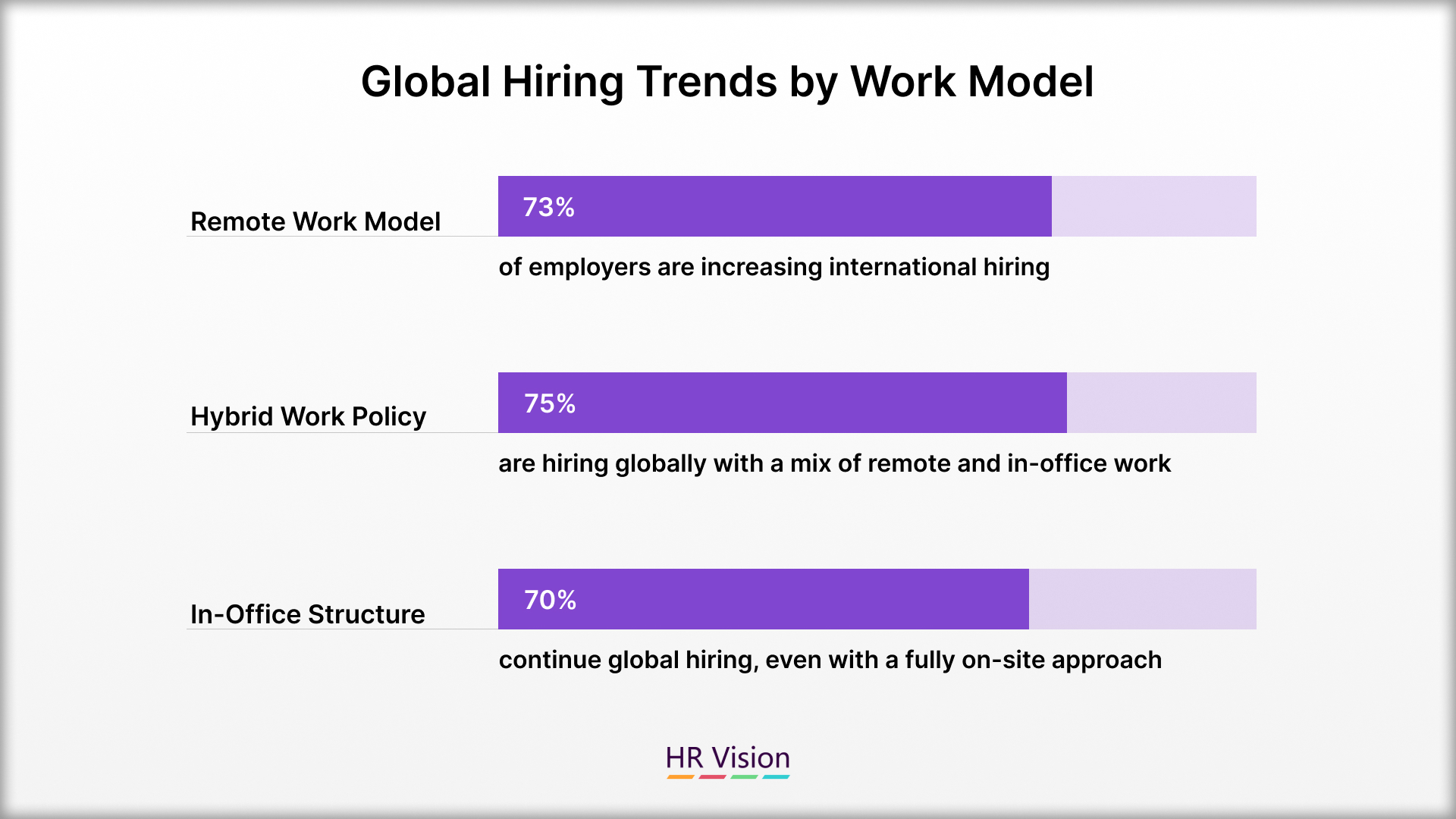
However, hiring across different countries requires understanding various time zones, cultures, and legal requirements. Companies need to adapt their processes to effectively manage a global workforce.
With remote work, traditional in-person interviews and onboarding sessions have moved online. To facilitate this, many companies use virtual tools that help streamline these processes.
- Employee Value Proposition (EVP) and Employer Branding
In today’s competitive job market, attracting and retaining top talent goes beyond offering a good salary. Companies are focusing on their Employee Value Proposition (EVP) and employer branding to stand out and appeal to potential employees.
A strong EVP clearly communicates what a company offers to its employees in return for their skills and commitment. This includes not only compensation but also career development opportunities, work-life balance, and a positive company culture.
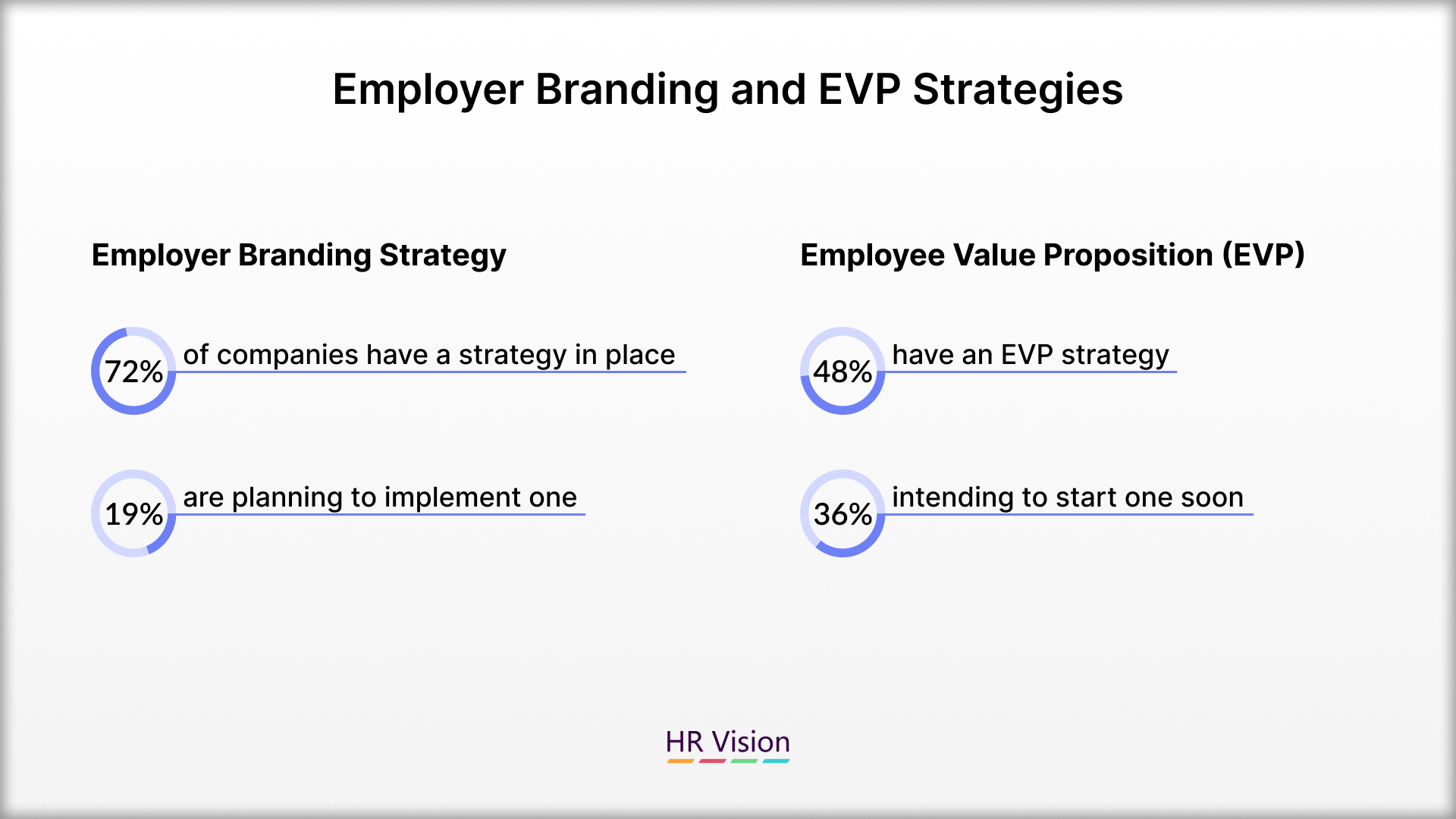
Today’s job seekers value transparency and authenticity. They want to know what it’s really like to work at a company, beyond what’s written in job descriptions. Companies that share real employee stories, showcase their workplace culture, and communicate their mission and values build trust and credibility. This approach not only attracts candidates but also fosters a sense of belonging and engagement among current employees.
- Internal Mobility and Talent Marketplace Models
Many companies are now focusing on helping their current employees grow their careers instead of always hiring from outside. This is called internal mobility, and it means giving employees a chance to move into new roles, teams, or projects inside the company. When employees see that they can grow and learn without switching jobs, they’re more likely to stay. It also saves the company time and money when finding and training new people.
To make this easier, some companies use internal talent marketplaces—online platforms where employees can see available roles or projects that fit their skills. These tools help workers discover new opportunities they might not know about otherwise.
Artificial intelligence (AI) makes these platforms even more helpful. AI can look at what an employee is good at, what they’ve done before, and what they want to do next. Then, it suggests new jobs or learning programs inside the company.
- Skills-Based Hiring Over Traditional Credentials
Companies are increasingly focusing on the actual skills candidates possess rather than relying solely on traditional credentials like degrees. This shift allows employers to tap into a broader talent pool and ensures that hires are genuinely capable of performing the job.
Micro-credentials are short, focused courses that validate specific skills or competencies. These are becoming more popular as they provide a quick and efficient way for individuals to gain and demonstrate their abilities. For instance, companies like Google and IBM have partnered with platforms like Coursera to offer entry-level certificates in areas such as IT support and data analytics.
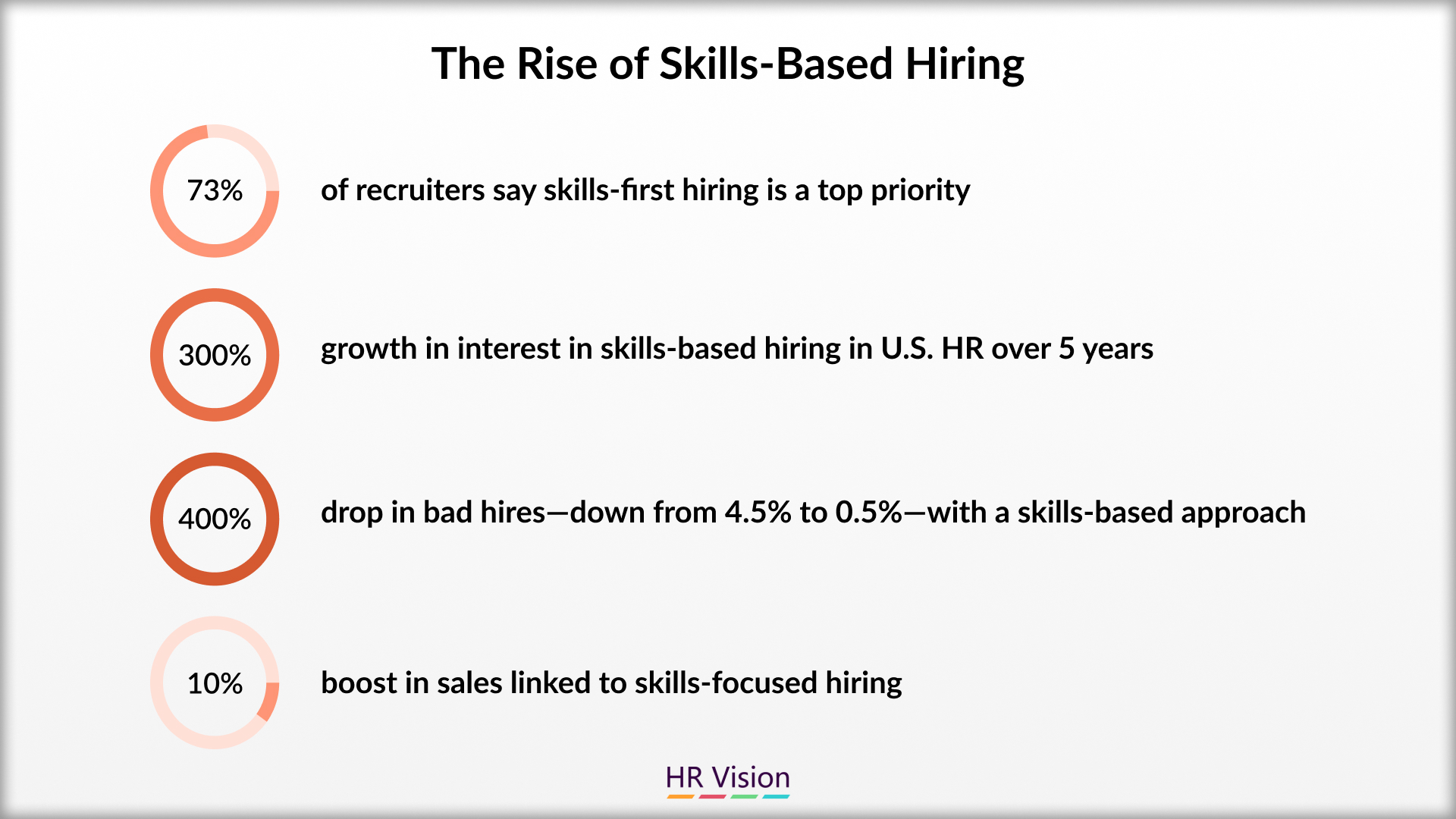
To keep pace with changing job requirements, companies are investing in upskilling (enhancing current skills) and reskilling (learning new skills) programs. These initiatives include training, mentorship, and certification opportunities aimed at developing and refining employees’ abilities. Such programs not only improve workforce capabilities but also prepare employees for future industry needs.
Predictions for the Next 5–10 Years
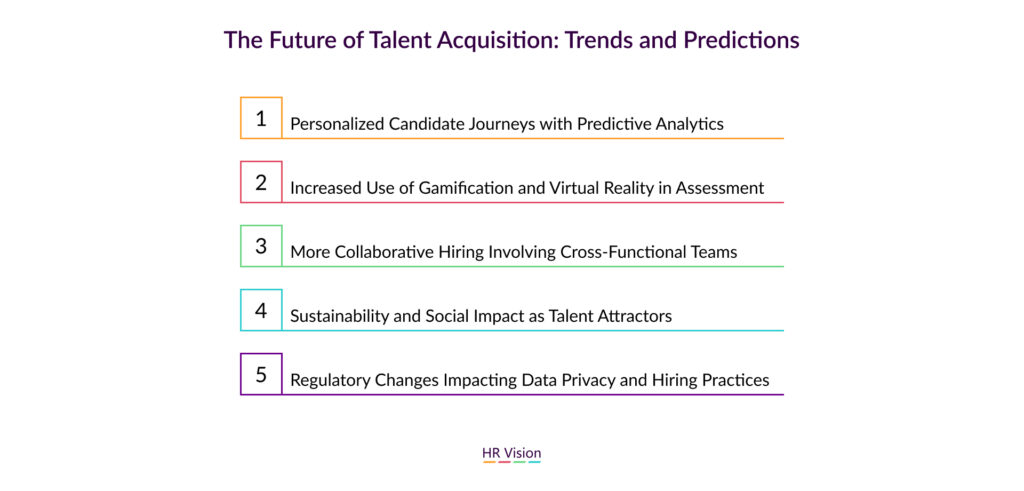
As the world of work continues to change, here are some big ideas that could shape how companies hire people in the near future:
- More Personalized Experiences for Job Seekers
With smart technology and data, companies will be able to give job seekers a more personal experience. For example, they might send job suggestions or interview tips based on what the candidate is looking for. This helps people feel more seen and supported during the hiring process.
- Fun and Interactive Assessments
Instead of long tests or boring forms, companies will use games and virtual reality (VR) to test skills. These tools can show how someone solves problems or works with others—plus, they make the process more fun.
- Hiring as a Team Effort
In the future, hiring won’t be done by HR alone. People from different departments—like future teammates or managers—will help choose new employees. This helps companies find people who fit well with the team and company culture.
- Purpose Matters More Than Ever
Job seekers today want to work for companies that care about more than just profit. They’re looking for businesses that protect the environment or support their communities. Having strong values will help companies attract and keep good people.
- New Rules About Data and Privacy
As hiring gets more digital, there will be more rules about how companies use personal data. Businesses will need to be careful and honest about how they collect and use information from job candidates. This is especially important when using AI.
Conclusion
Talent acquisition is evolving quickly as technology advances and workplace expectations change. To stay competitive, companies must adapt by focusing on new trends like AI, remote work, skills-based hiring, and a stronger commitment to diversity and inclusion.
In the next 5–10 years, we can expect more personalized hiring experiences, the rise of fun and interactive assessments, and a greater emphasis on company values. To succeed, businesses will need to be flexible, innovative, and focus on both attracting and developing the right talent.
Ready to dive deeper into the future of talent acquisition? Join us at HR Vision for two days of insightful discussions on the latest HR trends, talent management, and leadership. Discover how the world of work is evolving and how these changes are shaping the future of hiring and talent management.


