

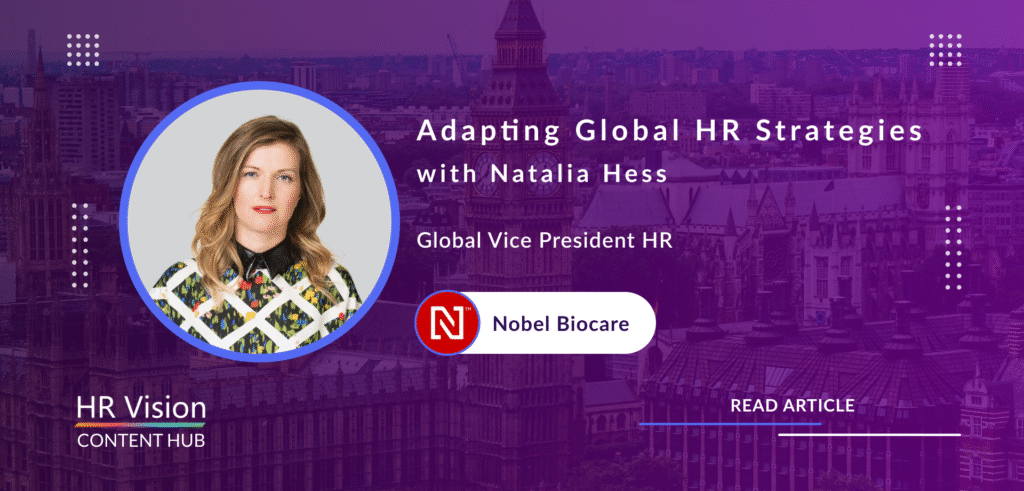
- You’ve worked in dynamic environments across multiple regions. How do you adapt HR strategies to suit different cultural and business landscapes?
Indeed, the paradox of global processes vs local practices keeps HR professionals constantly on their toes. Lean too far in either direction, and you risk missing what truly differentiates your organisaiton – or alienating local talent.
To me, the key lies in clearly defining non-negotiables: global code of conduct, core organizational values, and cultural behaviours. These provide a shared foundation. But beyond that, local practices must be respected, because local knowledge is a real competitive advantage. I’ll share a quick example: we were hiring for a major manufacturing facility, and our centralized recruitment approach wasn’t delivering results. One of the local experts told me, “You need to know when the bus stops at the plant gate for the morning shift, and you’ll never learn that sitting in a shared service center 1,000 miles away”. That kind of insight can’t be standardized, but it can be empowered.
- As a partner with senior leaders in navigating complex business challenges, what’s the most crucial factor in building strong HR-business leadership partnerships?
The most critical factor is clarity – starting with a deep understanding of your mandate. What is your role? What are the expectations? Without that foundation, it’s easy to misalign.
From there, truly grasping the complexity of the business challenge is essential. That goes beyond surface-level understanding – it means asking the right questions, listening actively, and translating business needs into people strategies that drive impact.
- In times of rapid staffing or workforce reductions, how do you maintain employee morale and engagement while meeting business needs?
Both rapid growth and workforce reductions can place enormous pressure on an organization – but in different ways.
During rapid scaling, it’s essential to establish a few clear, simple metrics and communicate them consistently. Keeping everyone aligned on progress, challenges, and opportunities helps sustain morale and a sense of purpose amid the pace.
In times of workforce reduction, the focus shifts. Communication becomes even more important – and more delicate. It’s not just about explaining What is happening, but why – and doing so with honesty, empathy, and heart.
Many companies go through these transitions. Very few navigate them well. Those who do put people at the center, no matter the business need.
- You’ve been recognized for developing organizational structures that support change. What are some best practices for ensuring these structures remain agile and effective?
One simple best practice is to organize and place together cross – functional teams around specific projects or task force rather than traditional functional silos. This allows teams to collaborate dynamically, share knowledge across disciplines, and course correct quickly in case of changing priorities. Over time, team members often come to appreciate the flexibility and growth opportunities that come from rotating roles and engaging in fluid resource planning.
A more strategic approach is to proactively anticipate industry trends and begin developing in-house expertise ahead of time. For example, in healthcare, the rise of digitization means that innovation is no longer limited to clinical or medical advances – it increasingly involves breakthroughs in software, data analytics, and AI. Organisations that identify and integrate future talent early can build capabilities gradually and reduce resistance when those skills become mission-critical. This foresight ensures the organization is not only responsive, but also resilient in the face of change.
- How do you see HR technology evolving in the next few years, and how should HR professionals prepare to leverage these advancements?
HR Technology has delivered tremendous value over the past two decades. Platforms like Workday, SuccessFactors, and many others have streamlined HR processes, improved outcomes, reduced complexity, and increased transparency.
Looking at this progress, I’m genuinely excited about what’s coming next. The rise of AI tools – like ChatGPT, DeepSeek, and others – is already reshaping how work gets dones. Rest assured, at least half of your team is already experimenting with these tools. My advice? Be an early adopter. Focus on yourself, stay curious, experiment often, and position yourself ahead of the curve to fully leverage what is next.
- From your global experience, how do you navigate and overcome the unique challenges that arise when leading culturally diverse teams?
Be culturally diverse yourself. I’ve lived in four different countries – and I don’t think this will be my last. Immersing yourself in a different culture gives you a tremendous advantage: you start to become an insider, able to truly embrace the complexity of each geography.
Despite our planets’ rich cultural fabric – with its unique traditions and common practices- I’ve found that some fundamental values are universal: respect, empathy, collaboration, and desire for professional learning and growth. When you lead with those values, noone will object to it.
- As a seasoned leader, what advice do you have for HR professionals looking to elevate their leadership capabilities in today’s changing work environment?
Time is your most valuable asset. Start by closely examining how you spend your day. Ask yourself, What value did I create today? If you can articulate that clearly and concisely – whether it’s driving transformation, developing talent, or learning something new – you’re already on the right path.
It’s easy to get caught up in the day-to-day routines, but true leadership comes from stepping back, focusing on impact, and making intentional choices about where you invest your energy.
Ready to stay ahead in the ever-changing world of HR? Join us at HR Vision, where top HR leaders gather to explore the future of work, HR trends, and the power of HR analytics and technology.


