Your company culture is what makes your workplace unique. It’s the vibe you get when you walk in the door, the way people treat each other, and the overall feeling about the work you do. Nearly all entrepreneurs (94%) and job seekers (88%) agree that a healthy work environment is key to success. Happy employees are more engaged, productive, and likely to stick around. That’s where HR comes in! HR isn’t just about paperwork. They play a big role in shaping your company culture. From hiring the right people to creating fun team events, HR helps make your workplace a place where people want to work their best.
What is Company Culture?
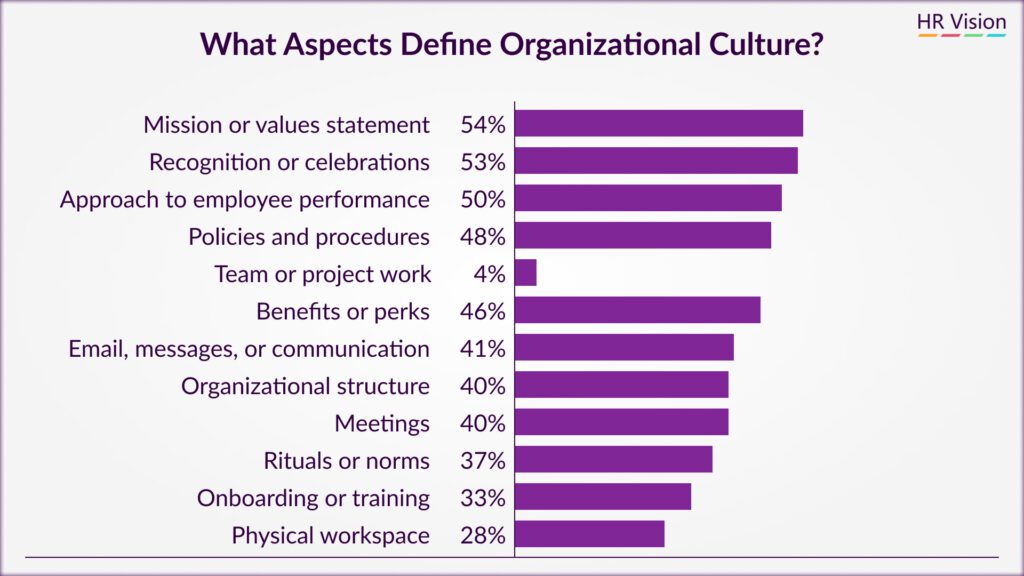
Company culture is more than just free snacks and a ping pong table (although those can be perks!). It’s the underlying personality of your organization. It encompasses a set of shared values, beliefs, attitudes, and behaviors that define how your company operates daily. It’s both the written (e.g., mission statement, core values) and unwritten rules (e.g., communication style, dress code) that guide how employees interact with each other, their work, and your customers.
Core Elements of a Strong Culture
Every strong workplace culture is built on a foundation of shared values. These are the core principles that guide decision-making, behavior, and overall company direction. Clearly defined values act as a compass, ensuring everyone is working towards the same goals and embodying the desired work ethic. HR can play a crucial role in identifying these values. Through surveys, workshops, and focus groups, HR can gather input from employees at all levels to create a set of authentic company values. Once established, HR should ensure these values are clearly articulated and communicated to all employees, from new hires to senior management.
Open and transparent communication across all levels builds trust and empowers employees to cultivate a positive culture in the workplace. When employees feel comfortable sharing ideas, voicing concerns, and asking questions, creativity flourishes and problems get solved more effectively. HR can champion open communication by implementing various strategies.
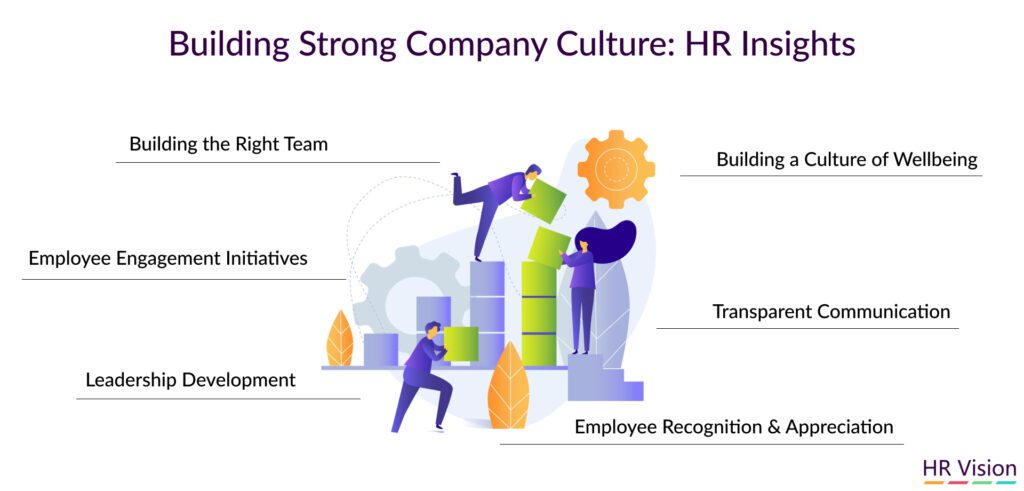
Building the Right Team: Recruitment & Onboarding
A strong company culture starts with attracting and hiring the right people. According to a recent study, a whopping 23% of prospective employees prioritize a company’s values and culture most when making a job decision. That’s a significant number! HR can ensure recruitment aligns with company culture by incorporating cultural fit assessments throughout the interview process.
Here are some specific strategies HR can use to recruit for cultural fit:
- Craft compelling job descriptions: Don’t just list responsibilities – use clear language to describe the company culture and the type of person who would thrive in that environment.
- Develop interview questions that assess cultural fit: Move beyond the typical “tell me about a time” questions. Instead, ask questions that probe a candidate’s alignment with company values. For example, “How would you handle a situation where a colleague prioritizes speed over quality?“
- Involve current employees in the interview process: Your team members understand the company culture best. Including them in the interview process allows them to assess whether a candidate would be a good fit within the team dynamic.
Hiring the right people is just the first step. Interestingly, U.S. professionals actually prioritize company culture over salary! That means a well-structured onboarding process is crucial for embedding new hires in the company culture and setting them up for success. HR can create an onboarding program that goes beyond paperwork and logistics. This could include team lunches, mentorship programs, and cultural immersion activities.
Leading by Example: Leadership Development
Leaders set the tone, make key decisions, and influence how employees interact with each other. Did you know that leaders and managers are responsible for a whopping 70% of employee motivation and satisfaction? That’s why HR plays a critical role in developing leaders who embody the desired company values.

Here’s how HR can cultivate strong leaders who champion a positive workplace culture:
- Leadership Training Programs
Develop and deliver training programs that focus on leadership styles, communication skills, and building trust with teams. These programs should emphasize the company’s core values and how leaders can translate them into everyday actions.
- Mentorship and Coaching
Pair high-potential leaders with experienced mentors who can provide guidance and share best practices. Coaching programs can also be implemented to help leaders develop specific skills and address areas for improvement.
- Performance Evaluations that Consider Culture
Integrate cultural fit into performance evaluations for leaders. This ensures leaders are not only achieving results but also fostering a positive and supportive work environment that aligns with company values.
- Leadership Recognition Programs
Recognize and reward leaders who demonstrate the company’s values in their daily interactions with teams. This reinforces the desired behaviors and encourages other leaders to follow suit.
Keeping the Spark Alive: Employee Engagement Initiatives
A strong company culture isn’t static – it needs to be nurtured and sustained over time. Fostering a sense of belonging and purpose among employees is crucial for maintaining high engagement levels. A recent study found a clear link between company culture and employee engagement. Nearly half (45%) of employees with low engagement reported a negative shift in their company’s culture, while those perceiving a positive culture shift experienced a significant boost in engagement.
So, how can HR keep employees engaged and invested in the company culture? Here are a few ideas:
- Team-Building Activities: Organize fun and engaging activities that help employees connect with colleagues outside of their immediate work teams. This can be anything from volunteering outings to team lunches or game nights.
- Professional Development Programs: Invest in your people by offering training and development opportunities that help employees grow their skills and advance their careers. This demonstrates the company’s commitment to employee growth and fosters a sense of purpose.
- Internal Innovation Incubator: Dedicate a budget and resources for employees to pursue innovative ideas within the company, even if they seem far-fetched at first.
- Employee Resource Groups (ERGs): Encourage the formation of employee resource groups based on shared interests, backgrounds, or demographics. These groups provide a safe space for employees to connect, share experiences, and contribute to the overall workplace culture.
- Gamification of Work Processes: Some tasks might be repetitive but can be made more engaging by gamifying them. Implement points, badges, and leaderboards for completing tasks or exceeding goals.
Building a Culture of Wellbeing: Work-Life Balance
While a strong company culture fosters engagement and productivity, it’s equally important to promote a healthy work-life balance for employees. Long hours and constant connectivity can lead to burnout, impacting employee well-being and overall job satisfaction. HR can champion a culture that respects personal time and encourages employees to disconnect and recharge.
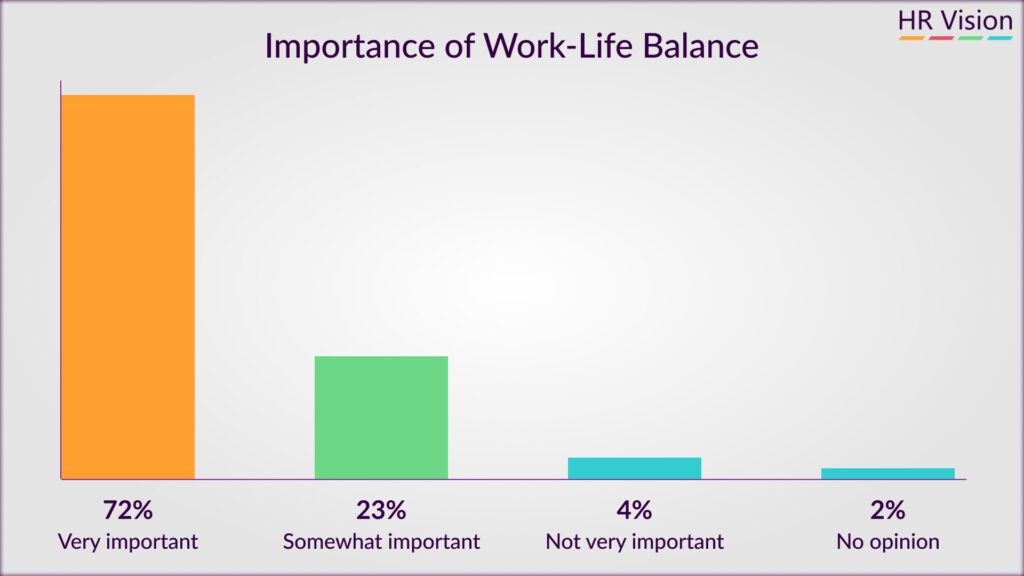
Offering flexible work arrangements is a powerful tool in shaping a positive culture in the workplace. This could include remote work options, compressed workweeks, or flexible start and end times. Shifting the focus from the number of hours worked to the quality of work produced is another significant step. HR can help empower employees to manage their workloads effectively and prioritize tasks that deliver the desired results. This approach fosters autonomy and reduces unnecessary stress associated with simply “clocking in” long hours. Trusting employees to deliver results, not just meet a pre-determined time commitment, leads to a more relaxed and productive work environment.
Finally, promoting the importance of disconnecting from work after hours is crucial. This could involve encouraging employees to turn off work notifications outside of work hours or even offering company-wide “digital detox” days where employees are free from work emails and communication.
Conclusion
Building a strong company culture isn’t a one-time thing, it’s a constant work in progress. But the payoff is huge. Happy employees are engaged employees, and engaged employees are productive employees. It’s a win-win.
HR can be the secret weapon in this battle for a thriving work environment. By focusing on core values, keeping communication flowing freely, and finding the right people who fit the vibe, they set the stage for success.
The world of work is rapidly evolving, and company culture needs to adapt to keep pace. At HR Vision we bring together the top HR leaders to discuss the best practices for navigating this transformative time.