The world of Human Resources (HR) is continually evolving, and businesses are always looking for ways to streamline their HR operations, enhance employee experiences and drive engagement. One of the most innovative technologies that have emerged in recent years is Conversational AI, which has transformed the way businesses engage with employees and candidates. In particular, ChatGPT, a technology developed by OpenAI that utilizes Natural Language Processing (NLP) and Machine Learning (ML) algorithms to generate human-like responses, is being increasingly used in the HR space.
ChatGPT is built on top of GPT-3 (Generative Pre-trained Transformer 3) language model, which is capable of generating coherent and contextually appropriate responses to natural language inputs. GPT-3 has been trained on a vast amount of data, including text from the internet, books, and other sources. As a result, it has a deep understanding of natural language and can generate responses that are often indistinguishable from those of a human.
Real-life example: Hilton Hotels & Resorts has implemented a Virtual Assistant named “Connie” to assist guests with their inquiries. The Virtual Assistant uses NLP and ChatGPT to understand guests’ requests, provide answers, and assist with reservations and room bookings.
There are several benefits of using ChatGPT in HR, including:
1. Enhanced efficiency: Chatbots and Virtual Assistants powered by ChatGPT can perform repetitive tasks, freeing up HR professionals to focus on more complex tasks. Chatbots can interact with users in natural language. They can answer frequently asked questions, provide information on HR policies and procedures, and assist in completing forms and applications. Virtual Assistants are more advanced than Chatbots and can be used for a broader range of tasks. They can assist in scheduling interviews, training sessions, and meetings, as well as provide feedback and support. ChatGPT-based Chatbots and Virtual Assistants can provide personalized feedback to employees, helping them understand their strengths and weaknesses, set goals, and develop their skills.
Real-life example: IBM is using a Chatbot named “Watson Recruitment Assistant” to improve their recruitment process. The Chatbot is powered by Watson, an AI system developed by IBM, and uses NLP and ChatGPT to answer questions, provide feedback, and assist with the scheduling of interviews.
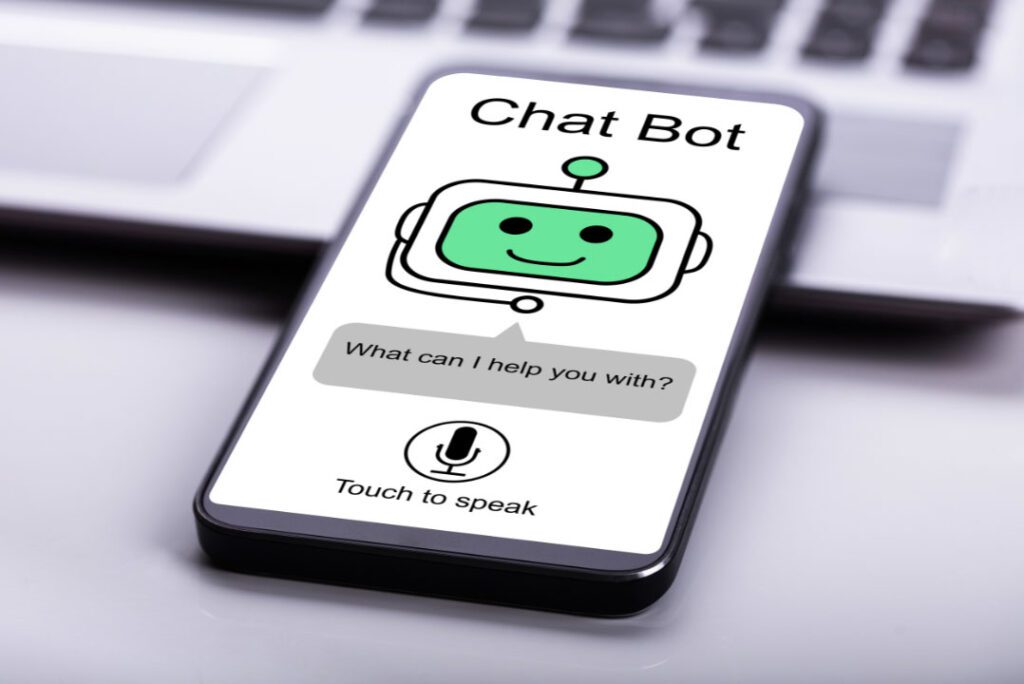
2. Improved candidate and employee experiences: GPT-3 can be used to create Chatbots and Virtual Assistants that are more engaging and human-like than traditional systems. They can use natural language to interact with employees, understand context, and generate responses that are tailored to the user’s needs. This can lead to a more personalized and effective HR experience.
Real-life example: McDonald’s is using a Chatbot named “McBot” to assist with their employee onboarding process. The Chatbot uses NLP and ChatGPT to guide new employees through the onboarding process, answer questions, and provide training materials.
3. Increased accuracy: Chatbots and Virtual Assistants powered by ChatGPT can provide precise responses and feedback. They can help to reduce errors and improve accuracy by ensuring that all employees receive the same information and follow the same procedures.
Real-life example: Unilever, one of the world’s largest consumer goods companies, has implemented a Chatbot named “U-Chat” to assist with their recruitment process. The Chatbot uses NLP and ChatGPT to provide real-time responses to candidates, answer questions, and guide them through the recruitment process.
4. Improved engagement: Employee engagement is critical to the success of any business, and ChatGPT can play a significant role in enhancing engagement. Chatbots and Virtual Assistants can be used to provide employees with instant feedback on performance, answer questions, provide training, and gather feedback. This can help employees feel more connected to their work, enhance their learning experiences, and increase their motivation.

Real-life example: Accenture is using a Virtual Assistant named “Spark” to assist with their HR operations. The Virtual Assistant uses NLP and ChatGPT to provide employees with real-time feedback, answer questions, and assist with HR-related tasks, such as leave requests and performance reviews.
However, there are also challenges associated with the use of Conversational AI in HR. One of the main ones is ensuring that the Chatbots and Virtual Assistants are designed to be ethical and unbiased. AI systems can inadvertently perpetuate biases and discrimination if they are not designed and trained appropriately. HR professionals need to ensure that their Conversational AI systems are fair, transparent, and accountable. Other challenges that businesses must be aware of include:
1. Data privacy: Chatbots and Virtual Assistants may collect personal data, and businesses must ensure that this data is collected and stored securely.
2. Cost: Developing and implementing Chatbots and Virtual Assistants can be expensive, and businesses must evaluate the costs versus benefits of using these technologies.
3. Technical limitations: ChatGPT is a relatively new technology, and businesses must be aware of its technical limitations, such as its inability to understand sarcasm or humour.
ChatGPT is a powerful technology that is transforming the HR space. The use of Conversational AI, including Chatbots and Virtual Assistants, in HR is a promising application of Artificial Intelligence, Natural Language Processing, and Machine Learning. These technologies can improve the overall efficiency of HR operations, create a more engaging and personalized employee experience, and promote inclusivity and diversity.
At the same time, Human Resources professionals must also be aware of the challenges associated with using Artificial Intelligence in HR and ensure that their systems are ethical, transparent, and accountable.
P.S. When you read this article, the next-generation GPT-4 model has already been presented to the general public. It’s significantly more powerful and multimodal, i.e., operates not only with textual, but also visual and audio information. We are highly excited about the possibilities it can bring to the world in general and HR in particular. Are you too?
If you’re looking for new ideas, fresh perspectives and insights on the future of work, then you’ll want to attend HR Vision Events.