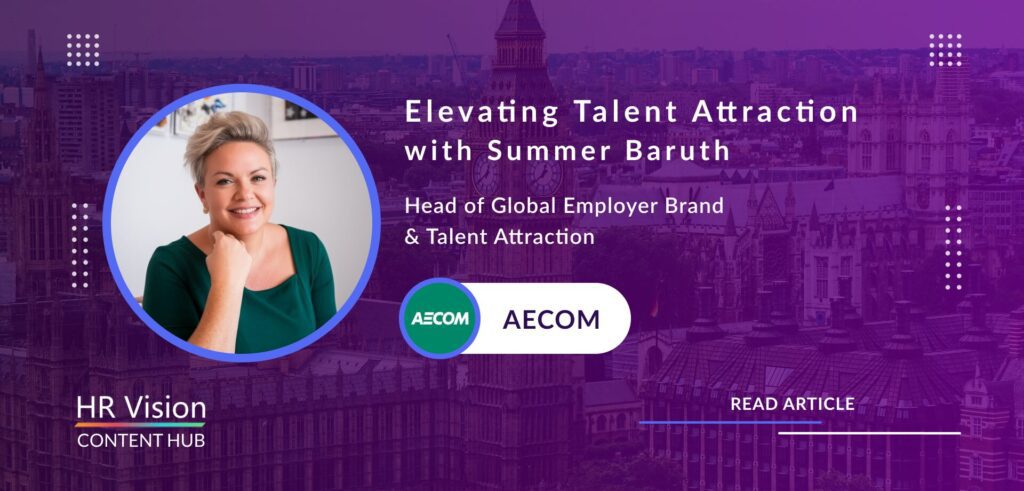
1. With your experience in Global Employer Brand & Talent Attraction at AECOM, what insights can you share on evolving talent attraction strategies?
AECOM’s global presence requires a diverse approach to talent attraction. Emphasizing our commitment to sustainability and innovation in our messaging helps attract candidates who share these values. Utilizing digital platforms and AI for personalized candidate experiences also plays a key role.
2. As a People & Culture Strategist, how can organizations create inclusive cultures for multigenerational workforces?
I advocate for flexible policies tailored to different life stages, ensuring that each age group’s unique needs are met. Emphasizing continuous learning opportunities is vital, allowing employees of all ages to stay abreast of industry changes and feel valued in their career development. Additionally, fostering cross-generational mentorship programs can enhance mutual understanding and respect among diverse age groups, bridging generational gaps. These strategies, underpinned by a culture of respect and inclusion, are key to creating a harmonious and productive multigenerational workforce.
3. How does AECOM’s mission of “changing the world” influence your employer branding approach and align with broader goals?
AECOM’s mission of delivering a better world is at the heart of our employer branding strategy. This mission shapes our brand narrative, emphasizing our dedication to impactful and sustainable projects that make a real difference globally. In our recruitment and communication efforts, we highlight how our work in infrastructure, environmental solutions, and innovative design directly contributes to building a more sustainable and resilient future. This approach not only appeals to purpose-driven talent but also underscores our commitment to ethical practices and creating lasting positive impacts. By intertwining this mission with our employer brand, we attract professionals who are passionate about making a tangible difference, thereby ensuring that our workforce is aligned with our core values and long-term objectives.
4. As an International Speaker, what global trends do you see in the future of work, and how can organizations prepare?
I see a clear trend towards an increasingly digital, flexible, and global work environment. Organizations must embrace digital transformation, integrating AI and advanced technologies, to enhance efficiency and innovation. A culture of continuous learning is essential to keep pace with rapid technological changes, ensuring employees are equipped for the evolving job market. Furthermore, the shift towards flexible work arrangements, including remote and hybrid models, responds to changing employee preferences and leads to increased productivity and a broader talent pool.
5. In cross-functional team leadership, what strategies ensure effective collaboration amid a rapidly changing business environment?
Effective cross-functional team leadership is anchored in promoting open communication and setting clear, unified goals, ensuring every team member is aligned and engaged. Fostering a culture of mutual respect is crucial, as it encourages diverse perspectives and collaboration, enhancing problem-solving and innovation. We heavily rely on digital collaboration tools to facilitate seamless interaction and project management, especially important in our global and often remote work settings. Recognizing and valuing each team member’s unique contributions further strengthens our team dynamics, making our teams not only effective but also resilient in a rapidly changing business environment.
6. With expertise in integrated marketing and brand strategy, how can HR professionals enhance employer branding to attract top talent?
Integrating and evolving your storytelling. By focusing on not just your work but the essence of who you are as a company through the voice of your people. What company values resonate with them and drive them. Your storytelling becomes rooted in authenticity, drawing from the real-life experiences of your diverse team. These personal stories deeply resonate with candidates – especially when amplified through social media. Platforms like LinkedIn and Instagram provide dynamic spaces to not only display the technical brilliance of your work but also to highlight the human element – the ways in which you are impacting lives and shaping futures.
7. As a strategic planner, how does strategic workforce planning adapt to the evolving demands of the future workplace?
At AECOM, our approach to strategic workforce planning is deeply intertwined with our core mission of delivering a better world. This mission guides every aspect of our planning, ensuring that we are not just responsive but also proactive in anticipating and shaping the future. Understanding future business needs is paramount. This foresight is not just about reacting to market trends; it’s about being a step ahead. We are committed to innovation and technical excellence, which means preparing our workforce for emerging market demands and technological advancements. By aligning our human resources with our long-term objectives, we ensure that we are ready for the challenges of tomorrow. Investing in upskilling and continuous learning is a critical part of this strategy. In our field, staying at the forefront of industry developments is essential. We encourage our employees to continually develop their skills, particularly in areas like sustainable practices and cutting-edge technologies. This not only enhances their personal growth but also ensures that our projects embody the highest standards of technical excellence.
8. In shaping the Future of Work, what role do you see emerging technologies playing in reshaping HR practices for organizational success?
Technologies like AI, machine learning, and data analytics are revolutionizing HR practices. They enable more personalized employee experiences, efficient talent management, and predictive analytics for better decision-making. From customized learning and development programs to tailored benefits packages, these technologies help in understanding individual employee needs and preferences, leading to more engaged and satisfied employees.
9. Recently, Great Britain has introduced a pilot project of a 4-day working week. What’s your opinion about it? What advantages and disadvantages do you see both for employers and employees? Would you take part in the experiment, and why?
The 4-day workweek pilot in Great Britain represents an innovative shift towards better work-life balance. The advantages are compelling, including potential increases in productivity and employee well-being, along with reduced operational costs. However, it also presents challenges such as adapting traditional business models and managing workload efficiently. At AECOM, we already embrace a ‘freedom to grow’ framework, which includes flexible work arrangements tailored to meet individual needs beyond time and place. This approach aligns well with the philosophy of a 4-day workweek. Personally, participating in such an experiment would be consistent with our progressive work culture and offer valuable insights into optimizing work-life balance.
Join us at HR Vision to embrace the future of HR and explore transformative practices for growth and innovation with top HR leaders.