Did you know that 69% of employees have admitted they would consider one job over another if it offered better benefits? This statistic from One Medical underscores a significant shift in the modern workplace. Employee benefits are no longer just a footnote in the world of Human Resources, they are a powerful magnet that attracts and retains talent.
Why Do Employee Benefits Matter?
Employee benefits are not just a supplementary feature of employment; they are a vital component that can make or break a business. They encompass a wide range of offerings such as healthcare, retirement plans, paid time off, wellness programs, and much more. These benefits enhance employees’ well-being and play a pivotal role in an organization’s success. Here’s why they matter:
- Attracting Top Talent. In today’s job market, attracting skilled and motivated individuals is paramount. A robust benefits package can be a deal-breaker for prospective employees, setting your organization apart from the rest. In fact, 75% of employees reported they’re more likely to stay with their employer because of their benefits program, according to Willis Towers Watson.
- Employee Retention. Once you’ve hired the best talent, retaining them is the next challenge. Benefits not only encourage employees to stay but also promote loyalty and commitment. Remarkably, 80% of employees would choose additional benefits over a pay raise, as highlighted by the Harvard Business Review.
- Boosting Productivity. Healthy and content employees are more productive. Benefits like wellness programs, mental health support, and work-life balance initiatives directly impact employee morale and, in turn, performance.
- Legal and Ethical Obligations. Compliance with labor laws and ethical standards requires providing certain benefits. Failure to do so can lead to legal issues and damage to your company’s reputation. Thus, benefits are not just a matter of preference but a legal and ethical obligation as well.
Current Landscape of Employee Benefits
Employee benefits have come a long way since their inception, reflecting changes in both the workplace and the expectations of the workforce. In today’s dynamic job market, the landscape of employee benefits is evolving rapidly.
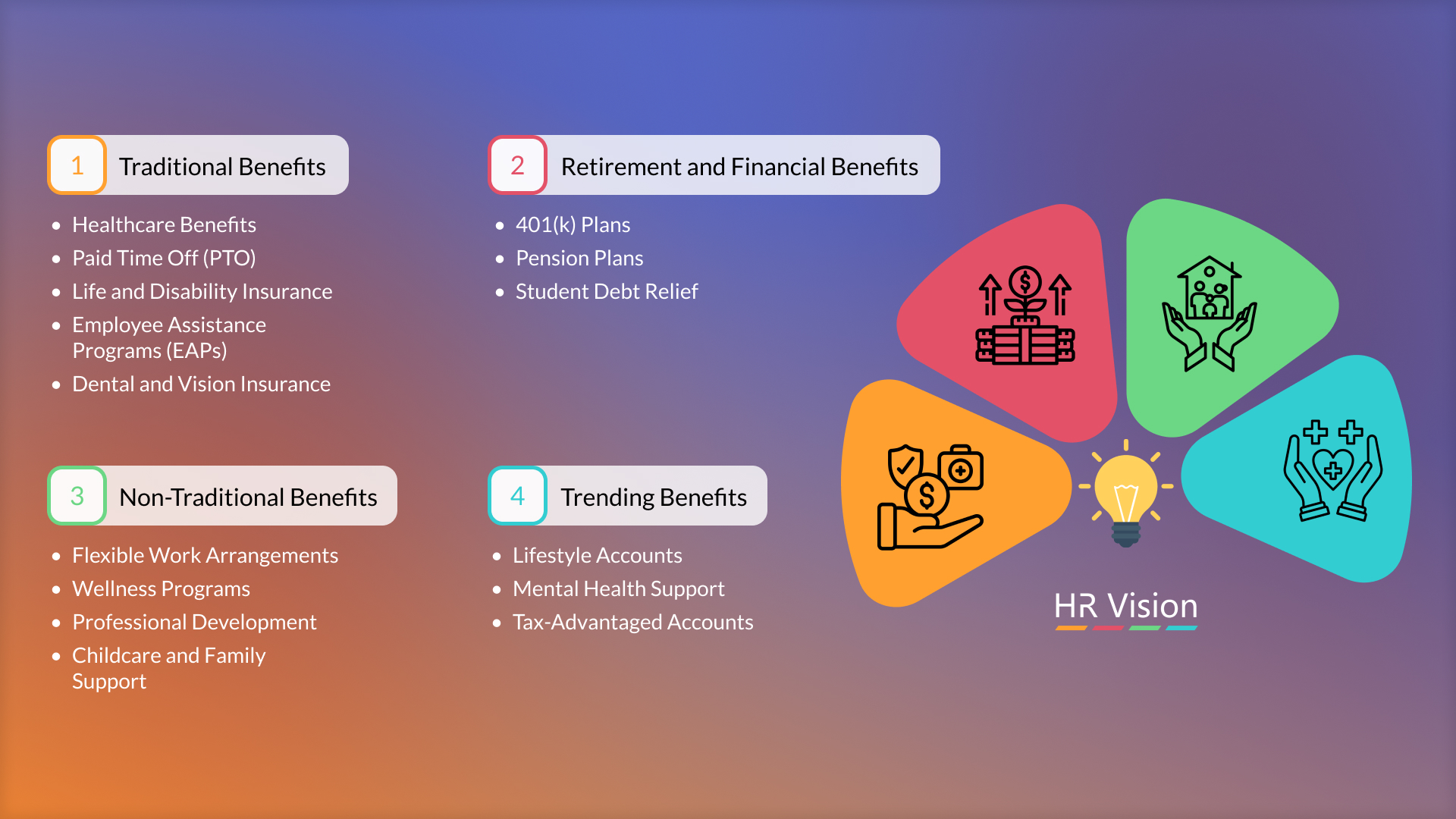
Traditional Benefits
Traditional employee benefits have long been the cornerstone of compensation packages offered by employers. These benefits are designed to provide financial security, healthcare support, and retirement planning. Here are some common traditional benefits:
- • Healthcare Benefits
- • Paid Time Off (PTO)
- • Life and Disability Insurance
- • Employee Assistance Programs (EAPs)
- • Dental and Vision Insurance
Retirement and Financial Benefits
Retirement and financial benefits are crucial for an employee’s long-term financial security:
- • 401(k) Plans. These employer-sponsored retirement plans allow employees to contribute a portion of their salary pre-tax, with potential employer matches. They offer a tax-advantaged way to save for retirement.
- • Pension Plans. While less common today, some employers still offer pension plans that guarantee retirement income based on years of service and salary history.
- • Student Debt Relief. Recognizing the significant burden of student loan debt on many employees, some progressive employers are now offering student debt relief as part of their benefits packages.
Non-Traditional Benefits
The modern workforce is diverse, and so are their needs and priorities. As a result, employers are increasingly embracing non-traditional benefits to attract and retain talent. These perks go beyond the standard offerings and cater to employees’ work-life balance, mental health, and personal growth. Here are some examples of non-traditional benefits:
- • Flexible Work Arrangements
- • Wellness Programs
- • Professional Development
- • Childcare and Family Support
Trending Benefits
The workplace benefits landscape continues to evolve, with some emerging trends:
- • Lifestyle Accounts. Lifestyle accounts allocate a portion of an employee’s compensation to cover specific expenses, such as child care, transportation, or education. These accounts offer flexibility and tax advantages.
- • Mental Health Support. The awareness of mental health in the workplace has grown significantly. Employers are increasingly offering mental health resources, counseling services, and stress management programs.
- • Tax-Advantaged Accounts. Health Savings Accounts (HSAs) and Flexible Spending Accounts (FSAs) have gained popularity due to their tax advantages.
Key Employee Benefits
Key employee benefits play a pivotal role in shaping an organization’s talent strategy. From financial stability to work-life balance, these benefits can greatly influence an employee’s decision to join, stay, or leave a company.
Salary and Base Compensation
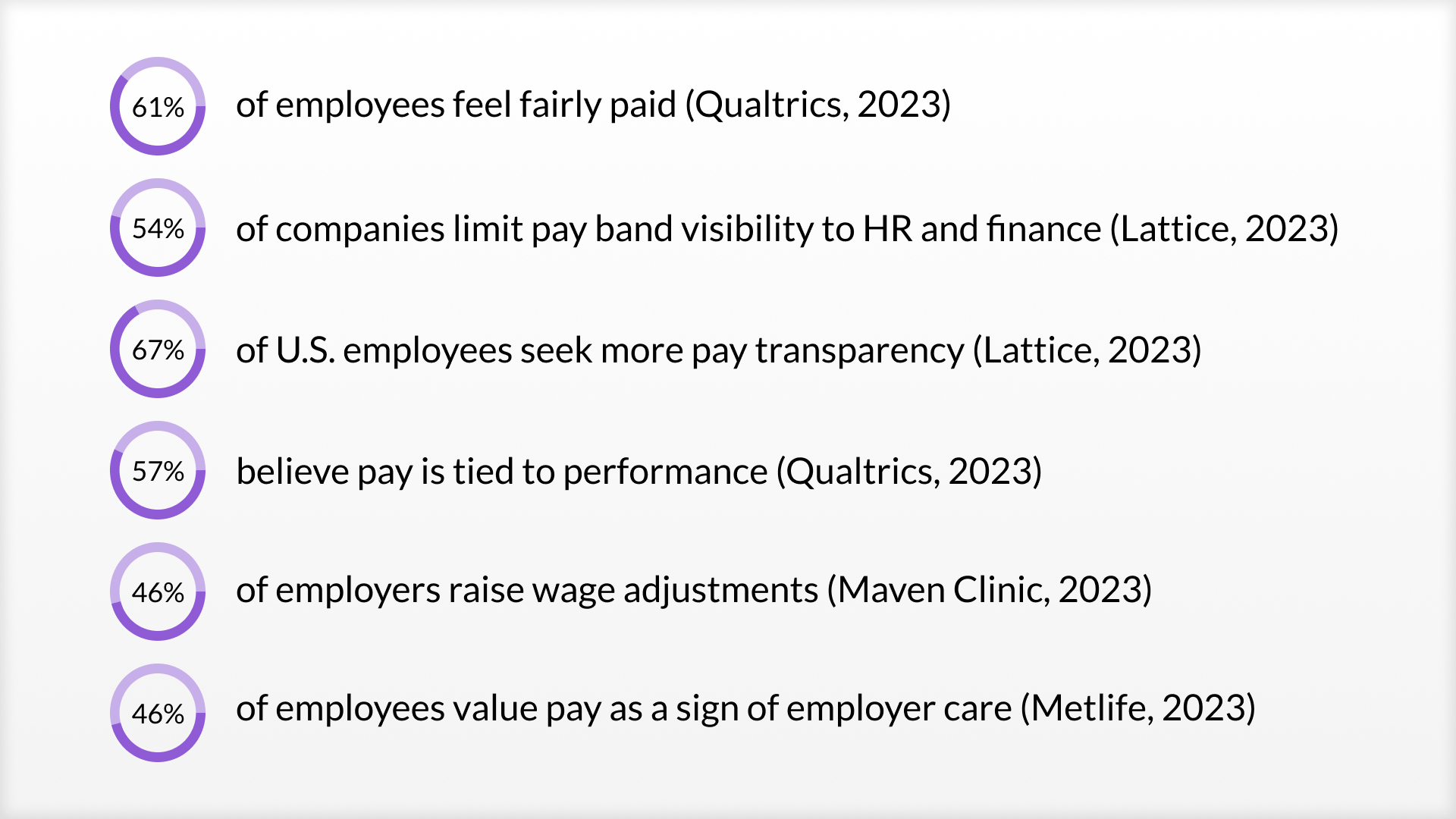
Salary is often the first thing that comes to mind when people think about compensation. It serves as the foundation upon which all other benefits are built. Offering competitive salaries aligned with industry standards is essential for attracting top talent. Transparent salary structures and regular performance-based reviews can boost employee motivation and job satisfaction.
Healthcare and Wellness Benefits
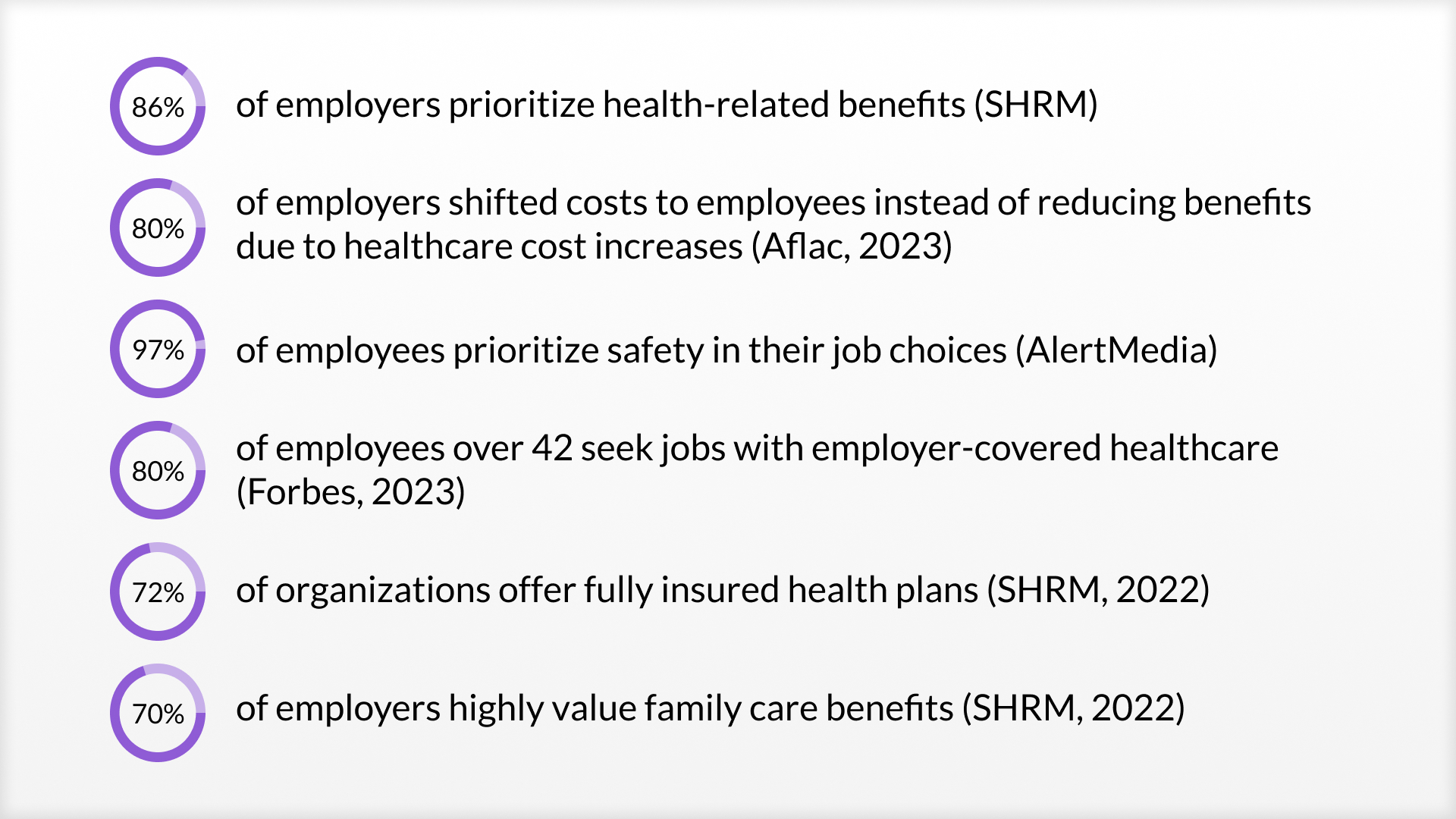
Healthcare and wellness benefits are crucial for employees’ physical and mental well-being. Comprehensive health insurance plans, dental and vision coverage, and access to mental health resources are highly valued by employees. Organizations that invest in employee wellness programs, such as gym memberships, stress management workshops, and nutrition counseling, promote a healthier and more productive workforce.
Paid Time Off
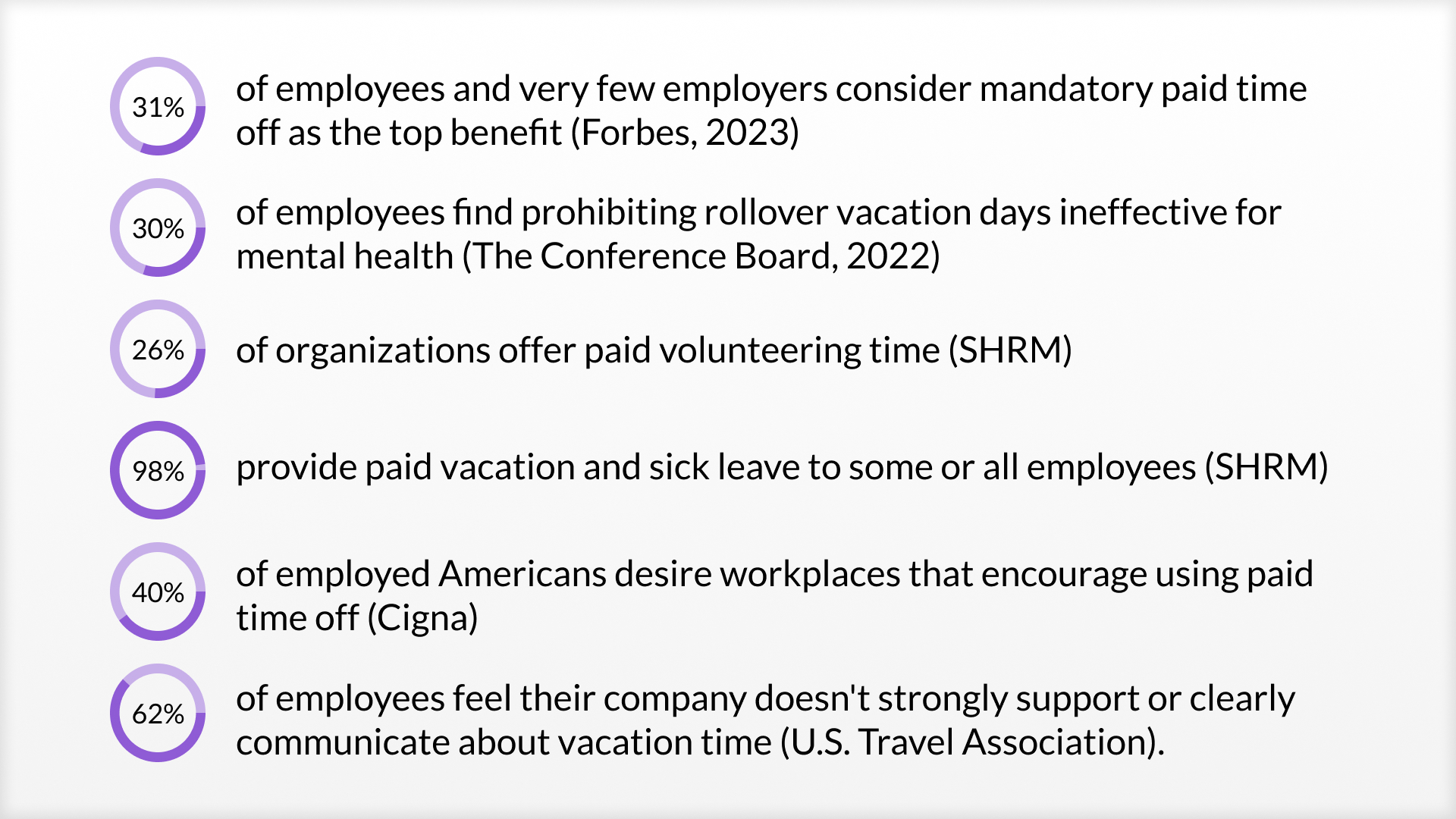
Paid Time Off (PTO) policies are essential for achieving work-life balance. Generous vacation, sick leave, and holiday policies enable employees to recharge, reduce burnout, and maintain a healthy work-life equilibrium. Organizations should also consider offering paid parental leave, bereavement leave, and flexible scheduling to accommodate diverse employee needs.
Flexible Working
The COVID-19 pandemic accelerated the adoption of flexible working arrangements. Remote work, flexible hours, and hybrid work models have become increasingly popular. Offering these options allows employees to tailor their work environment to their preferences and responsibilities, resulting in higher job satisfaction and productivity.
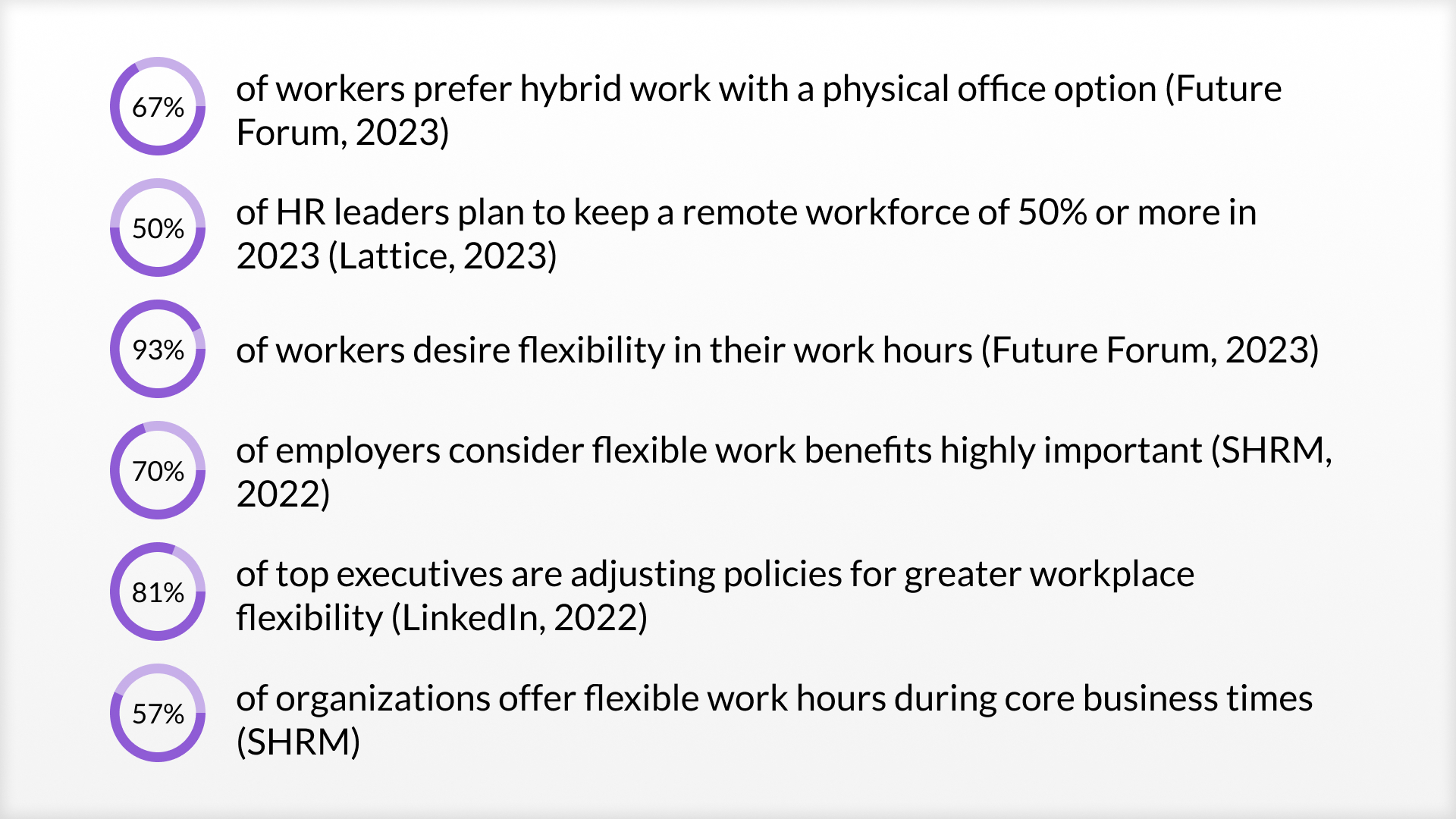
Employee Perks / Lifestyle Benefits
Employee perks go beyond traditional compensation and can greatly influence job satisfaction. These perks include commuter benefits, childcare support, on-site amenities (like cafeterias and fitness centers), and even pet-friendly policies. Such benefits create a positive workplace culture and enhance the overall employee experience.
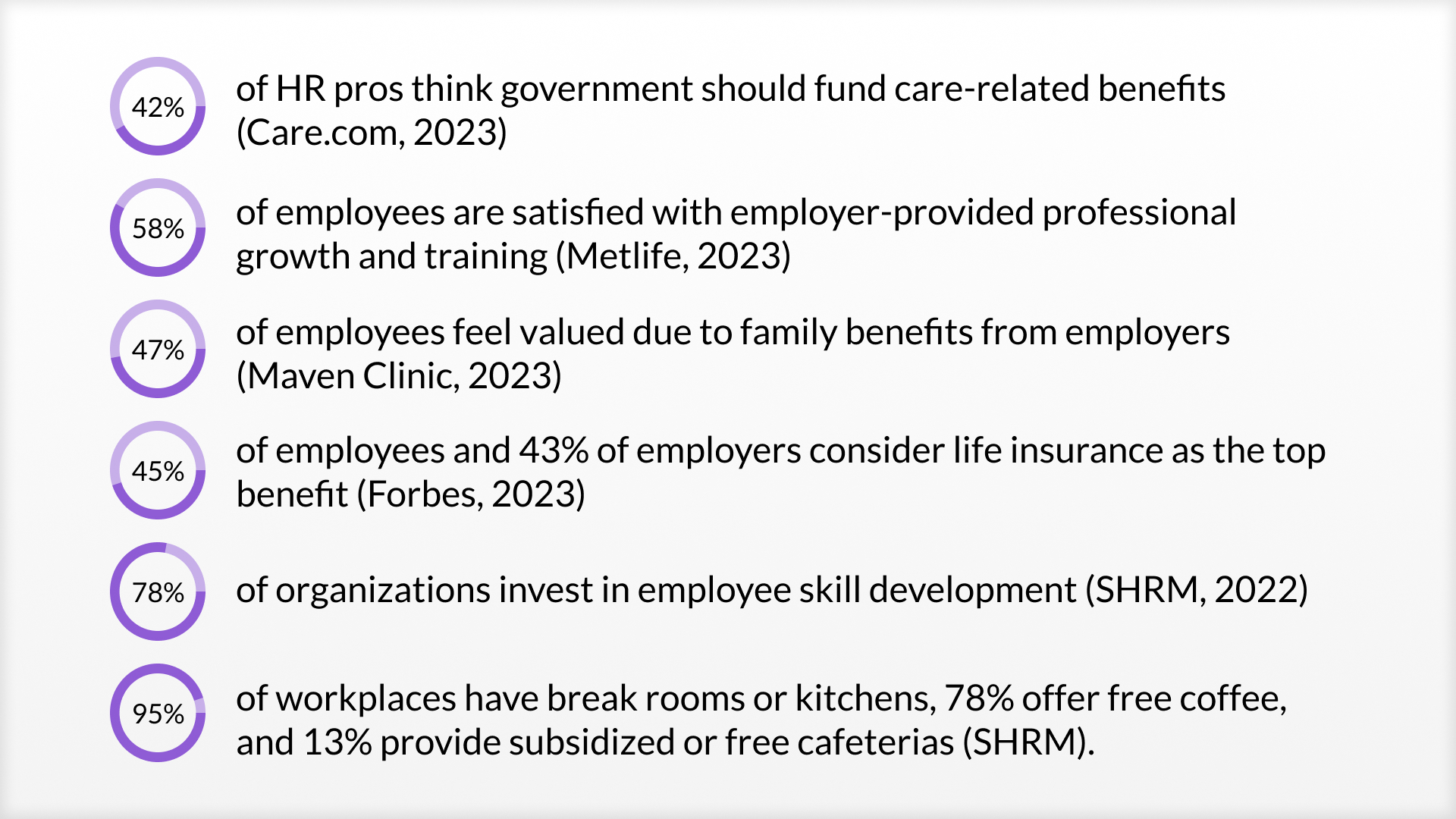
In the ever-evolving landscape of employee benefits, one thing remains certain: the well-being and satisfaction of your workforce directly impact the success of your organization. As we look ahead, remember that the future of worker benefits is not just about perks and compensation. It’s about creating an environment where employees feel valued, supported, and empowered to bring their best selves to work.
In the words of renowned management guru Peter Drucker, “The best way to predict the future is to create it.” By staying informed, proactive, and compassionate in our approach to employee benefits, we have the power to shape a brighter and more inclusive future for our organizations and the people who drive their success.
And speaking of staying informed and enhancing your HR knowledge, we have an exciting opportunity for you! Join us at HR Vision, where we’re bringing together the top HR leaders to discuss the best HR practices for navigating this transformative time.