59% of organizations track employee relations matters, underscoring the critical role that employee relations play in the organizational landscape. When organizations prioritize building positive relationships with their workforce, they unlock a myriad of benefits, including enhanced employee morale, increased job satisfaction, and improved overall performance. Beyond these immediate advantages, robust and positive employee relations contribute to long-term success by fostering loyalty, reducing turnover rates, and creating a workplace culture that attracts top talent.
Fostering strong employee relations involves a multifaceted approach, encompassing various key elements. These elements form the foundation for cultivating a positive workplace environment, ensuring effective communication, and resolving conflicts in a constructive manner.
What Is Employee Relations?
The definition of employee relations goes beyond mere procedural guidelines and encompasses a holistic approach, focusing on creating a positive, collaborative, and mutually beneficial environment within the workplace. Employee Relations is what facilitates a harmonious and productive coexistence between employers and their workforce. This includes fostering open communication channels, promoting trust, and addressing any issues that may arise between employees and management.
The ultimate goal of positive employee relations is to create a workplace where employees feel valued, heard, and motivated, contributing to their overall job satisfaction and the organization’s success. The scope of employee relations ranges from day-to-day interactions to more complex matters such as conflict resolution, performance management, and the overall well-being of the workforce.
HR professionals, including the employee relations manager, serve as facilitators, mediators, and advocates for both employees and the organization. Their responsibilities include developing and implementing policies that promote fair treatment, providing resources for conflict resolution, and acting as a bridge between employees and management.
Common Challenges in Employee Relations
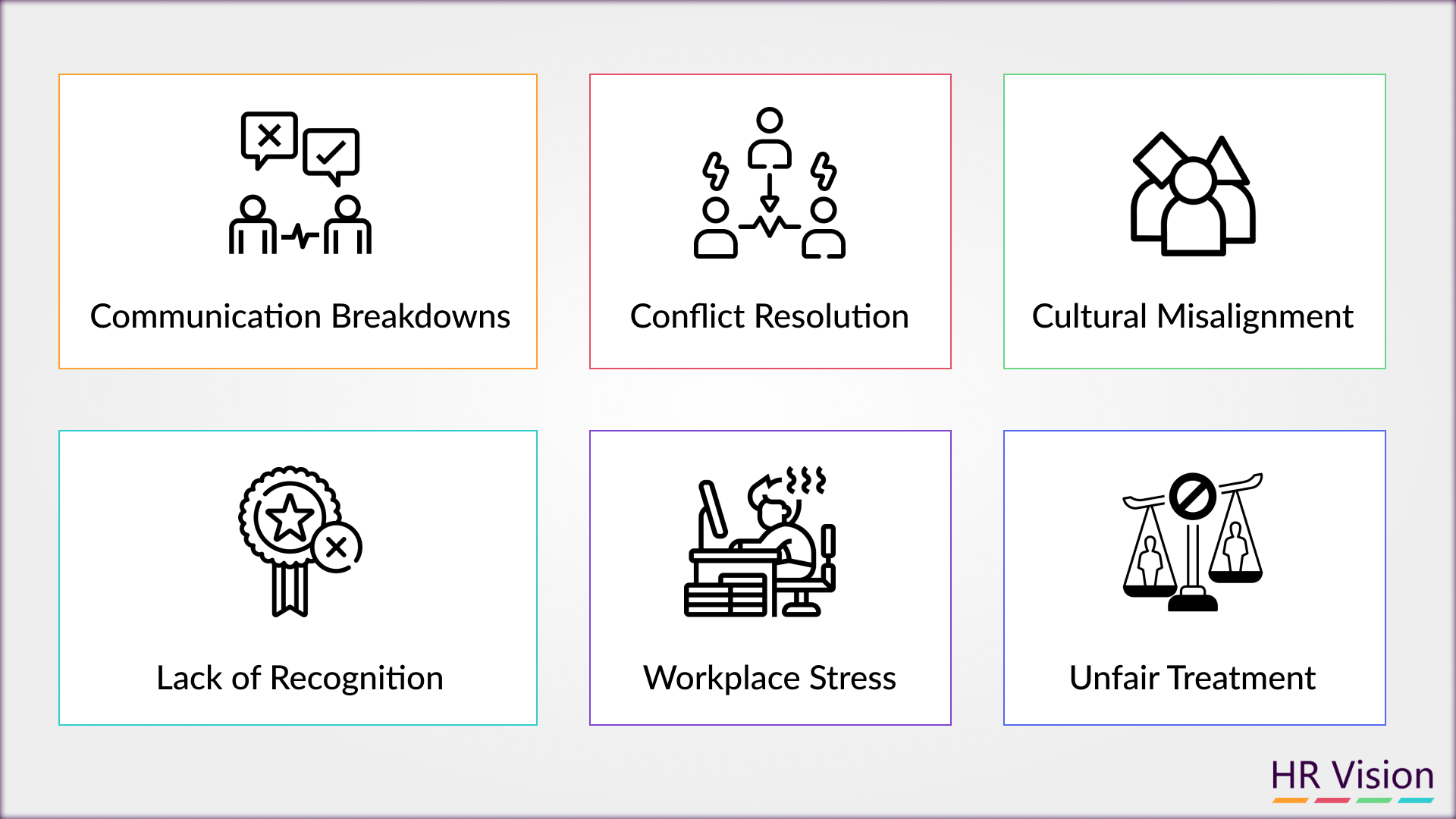
Despite its significance, employee relations are not without challenges. Recognizing and addressing these challenges is essential for cultivating a harmonious work environment. Some common challenges in employee relations include:
Building Trust and Communication
Building trust and effective communication are foundational elements in fostering strong employee relations. A workplace culture rooted in trust and open communication contributes to a positive environment, enhances collaboration, and reinforces the overall well-being of the workforce. When employees trust their leaders and colleagues, it creates a sense of security, loyalty, and a willingness to contribute wholeheartedly to the organization.
Open and honest communication is the lifeblood of a thriving workplace, where employees feel empowered and engaged. This communication style transcends the mere exchange of information; it embodies a commitment to transparency and authenticity within the organizational fabric. Leaders who practice open communication create an environment where trust can flourish, as employees perceive an earnest effort to keep them informed about the company’s direction, challenges, and successes. This transparency builds a shared understanding of organizational goals and cultivates a sense of unity among team members. Moreover, open communication encourages dialogue, inviting employees to express their thoughts, voice concerns, and contribute ideas without fear.
Creating a Positive Work Environment
The work environment significantly influences the quality of employee relations within an organization. A positive work environment contributes to higher levels of job satisfaction, employee engagement, and overall well-being. Conversely, a negative or toxic work environment can lead to stress, dissatisfaction, and strained relations among team members. An employee relations manager plays a crucial role in fostering positive relationships among team members, addressing conflicts, and implementing strategies to enhance communication and collaboration.
Fostering a positive work environment requires ongoing efforts to nurture a sense of community and well-being among employees. Encouraging team-building activities and fostering social connections can break down silos, promote collaboration, and strengthen interpersonal relationships. Leadership plays a pivotal role in setting the tone for a positive workplace culture. Leaders should exemplify the values of respect, integrity, and inclusivity, serving as role models for the entire organization. Moreover, regular communication about organizational goals, changes, and successes contributes to transparency, keeping employees informed and engaged. Flexibility in work arrangements, such as remote work options and flexible schedules, demonstrates a commitment to work-life balance. Additionally, effective performance management ensures that employees receive feedback, recognition, and development opportunities, further enhancing the overall work environment.
Conflict Resolution and Management
In any dynamic workplace, conflicts are inevitable due to diverse personalities, varying work styles, and differences in perspectives. Recognizing the inevitability of conflicts is the first step toward fostering a proactive and resilient approach to conflict resolution. Instead of viewing conflicts solely as disruptive, organizations can treat them as opportunities for growth, innovation, and improved understanding among team members. Acknowledging and addressing conflicts in a timely and constructive manner is essential to preventing the escalation of issues and maintaining strong and positive employee relations.
Constructive Approaches to Conflict Resolution
Resolving conflicts in the workplace requires a strategic and empathetic approach. Firstly, establishing clear communication channels is essential. Encouraging open dialogue between conflicting parties enables them to express their concerns, understand each other’s perspectives, and work toward mutually agreeable solutions. Mediation, facilitated by HR professionals or trained mediators, can provide a structured process for resolving disputes impartially. Additionally, implementing conflict resolution training for employees and managers equips them with the skills needed to navigate disagreements effectively. Creating a culture that values feedback and continuous improvement fosters an environment where conflicts can be addressed promptly, preventing escalation. Effectively managing conflicts contributes to a healthier work environment and strengthens employee relations.
Moreover, incorporating positive employee feedback into the conflict resolution process can contribute to its success. Recognizing and acknowledging individuals for their contributions and efforts helps build a positive and collaborative atmosphere. This positive reinforcement can motivate employees to approach conflicts with a constructive mindset, facilitating smoother resolution processes. In essence, weaving positive employee feedback into conflict resolution strategies not only addresses immediate issues but also cultivates a work environment that encourages collaboration and growth.
The Role of Leadership in Employee Relations
Leaders set the tone for the work environment through their actions, decisions, and communication styles. A positive and inclusive company culture is often a reflection of strong and empathetic leadership. Leaders who prioritize transparency, fairness, and open communication contribute to a workplace where employees feel valued, supported, and motivated.
Investing in leadership training programs is a key strategy for developing the skills necessary to foster positive employee relations. These programs should focus on communication, conflict resolution, emotional intelligence, and team building. By providing leaders with the tools to navigate complex interpersonal dynamics and promote a collaborative environment, organizations can empower them to create a workplace culture that values and prioritizes positive employee relations. Leadership training not only enhances individual skills but also contributes to the overall effectiveness of organizational leadership, positively impacting employee morale and engagement. It is through continuous development that leaders can effectively navigate the challenges of employee relations and contribute to a thriving workplace culture.
Conclusion
As organizations navigate an ever-evolving business landscape, prioritizing positive employee feedback and relations is not just a recommendation but a strategic imperative. The role of the employee relations manager becomes crucial in fostering strong connections within the workforce. Strong employee relations contribute to a positive workplace culture, fostering an environment where employees are engaged, motivated, and committed to the organization’s success.
Organizations that prioritize employee relations create a ripple effect, influencing recruitment, retention, and overall organizational performance. In an era where talent is a critical competitive advantage, fostering strong employee relations is not just a human resources initiative but a strategic business imperative that leads to sustainable success.
Explore the future of work and strengthen employee relations with top HR leaders at HR Vision. Join us for discussions on the latest trends in HR, talent and performance management, and leadership.