Imagine your company constantly coming up with fresh ideas to improve, like faster ways to work or even entirely new products. That’s the power of workplace innovation. In today’s competitive business world, it’s crucial to keep things fresh. But how do you get those ideas flowing? The answer: leadership. Great leaders create a work environment where everyone feels comfortable sharing ideas and trying new things. This is what drives true innovation and keeps companies ahead of the curve.
Innovation distinguishes between a leader and a follower. — Steve Jobs
Key Leadership Skills for Driving Innovation
While not everyone is a natural-born leader (only 10% according to studies! Another 20% show some qualities of basic managerial talent that can be cultivated into high-quality leadership.), the good news is that strong leadership skills can be cultivated. Research shows companies prioritize four key areas to empower leaders to drive innovation, each playing a vital role in fostering a creative and successful environment.
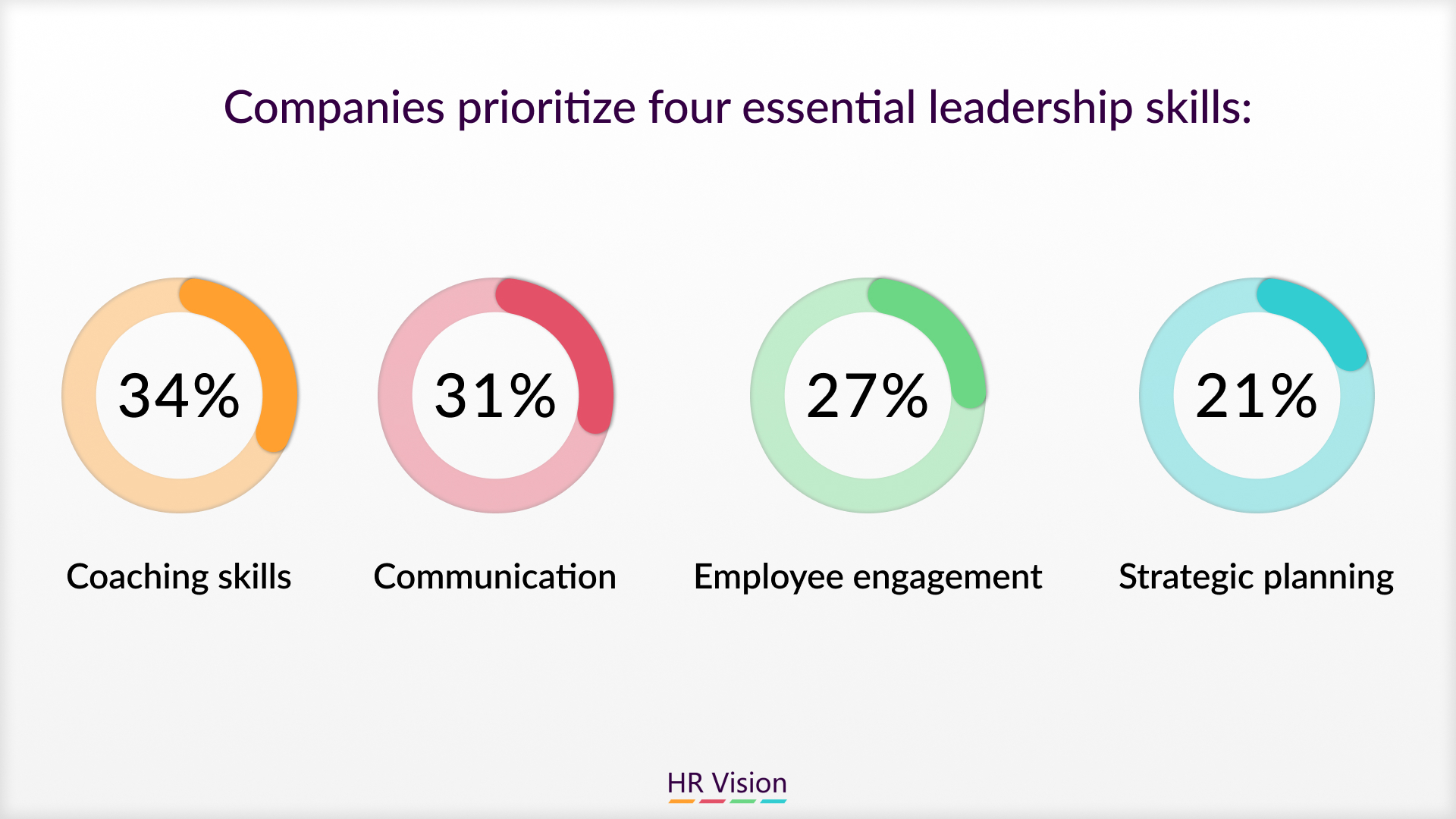
Coaching Skills (34%)
Great leaders go beyond simply giving orders. They act as coaches, guiding and encouraging employees to develop their ideas. This includes providing constructive feedback that helps employees refine their approaches, celebrating successes to reinforce positive behaviors, and offering support to navigate challenges. By fostering a growth mindset, coaching leaders empower their teams to take ownership, experiment confidently, and continuously improve.
Communication (31%)
Clear and open communication is the foundation of any successful team, and even more critical for fostering innovation. Leaders who effectively communicate the company’s vision, the value of innovation in achieving strategic goals, and the importance of employee contributions can inspire teams and keep everyone aligned. This includes actively listening to employee ideas, creating a safe space for open discussion, and providing regular updates on the progress of innovation initiatives.
Employee Engagement (27%)
Innovation thrives in an environment where employees feel valued, motivated, and empowered to contribute their unique perspectives. Leaders who actively engage their teams by soliciting ideas, recognizing and rewarding creative thinking, and creating a sense of ownership over innovation projects can foster a culture where innovation flourishes. This can involve creating cross-functional teams to leverage diverse perspectives, providing opportunities for professional development to enhance problem-solving skills, and celebrating successes publicly to boost morale and encourage further creative endeavors.
Strategic Planning (21%)
Innovation doesn’t happen in a vacuum. Leaders need strong strategic planning skills to identify areas for improvement within the organization, set clear goals for innovation initiatives that align with the company’s vision, and allocate resources effectively. This involves conducting market research to understand customer needs and industry trends, analyzing data to pinpoint areas ripe for improvement, and establishing clear metrics to track the progress and success of innovation efforts.
Leadership Impact on Company Culture
Great leaders understand that innovation thrives in a supportive and dynamic company culture. Here’s how leadership directly impacts the environment that fosters creative ideas and collaboration:
- Building a Culture of Open Communication and Collaboration
Imagine a workplace where everyone feels comfortable sharing ideas, regardless of department or position. This is the power of open communication and collaboration, key ingredients for a culture of innovation. Leaders can cultivate this environment by:
- Facilitating Brainstorming Sessions: Encourage regular brainstorming sessions where diverse teams come together to generate ideas.
- Promoting Cross-Functional Teams: Break down siloed work structures by forming cross-functional teams comprised of employees from different departments.
- Actively Listening to Employee Suggestions: Leaders who truly listen to employee ideas send a powerful message: your voice matters.
The payoff for building this type of culture is significant. Research shows that when companies increase their talented managers and double their employee engagement rate, they see a whopping 147% higher earnings per share.
2) Diversity and Inclusion
Innovation thrives on a diversity of thought. Leaders who foster a truly inclusive workplace, where all voices are valued and respected, unlock the full potential of their workforce. Here’s how:
- Promoting Unconscious Bias Training: Leader-driven unconscious bias training helps employees recognize and address these biases, ensuring a fair playing field for all ideas.
- Creating Inclusive Workspaces: This could include providing flexible work arrangements, promoting diverse role models, and actively seeking out diverse candidates during recruitment.
By embracing diversity and inclusion, leaders tap into a vast well of creativity and innovation. A recent study found that 69% of employees say they’d work harder if they felt their efforts were recognized. Imagine the collective power unleashed by a truly inclusive environment where everyone feels valued for their unique contributions.
3) Recognition and Reward Systems
Fostering a culture of innovation requires acknowledging and appreciating the creative efforts of employees. Leaders can implement innovative reward systems that go beyond traditional bonuses. This could include public recognition, additional paid time off for successful projects, or opportunities to lead future initiatives. Sharing success stories across the organization motivates and inspires others. Publicly acknowledge achievements, highlight the impact of innovative projects, and celebrate the teams that made them happen.
Investing in employee growth through professional development courses, workshops on creative problem-solving, or participation in industry conferences can spark new ideas and send a clear message that innovation is valued. By implementing these strategies, leaders can create an environment where employees feel empowered to contribute their creative ideas.
Studies show that leaders who provide quality coaching to their managers are 1.5 times less likely to see them leave for other opportunities. Investing in employee development not only fosters innovation but also increases employee retention.
Leadership Challenges in Fostering Innovation
The road to fostering a culture of innovation isn’t always smooth. Even the most well-intentioned leaders can face hurdles along the way. Here are some of the most common challenges leaders encounter.
One significant obstacle is resistance to change. Employees may be comfortable with established routines and hesitant to embrace new ideas or processes. Leaders need to address these anxieties head-on by clearly communicating the benefits of innovation, providing data-driven evidence of its success in similar organizations, and offering training and support to ease the transition.
Another hurdle can be a lack of resources and time. Innovation initiatives often require dedicated time and financial investment. Leaders need to be strategic in securing resources, streamlining existing processes to free up time, and demonstrating to senior management the potential return on investment (ROI) that innovation can bring.
Finally, a fear of failure can stifle creative thinking. Employees may be hesitant to take risks for fear of negative repercussions if their ideas don’t pan out. Leaders need to cultivate a safe space for experimentation, where calculated risks are encouraged and mistakes are seen as learning opportunities. By implementing a “fail fast, learn faster” mentality and celebrating “learning moments” from unsuccessful ventures, leaders can create an environment where creativity and innovation can flourish.
These challenges directly align with some of the top leadership challenges identified for business owners in general. Studies show that 30% of leaders struggle with managing team performance, which can directly hinder innovation if teams aren’t functioning optimally. Additionally, 25% of leaders grapple with confidence and delegation, making it difficult to empower employees and create a culture of ownership over innovative ideas.
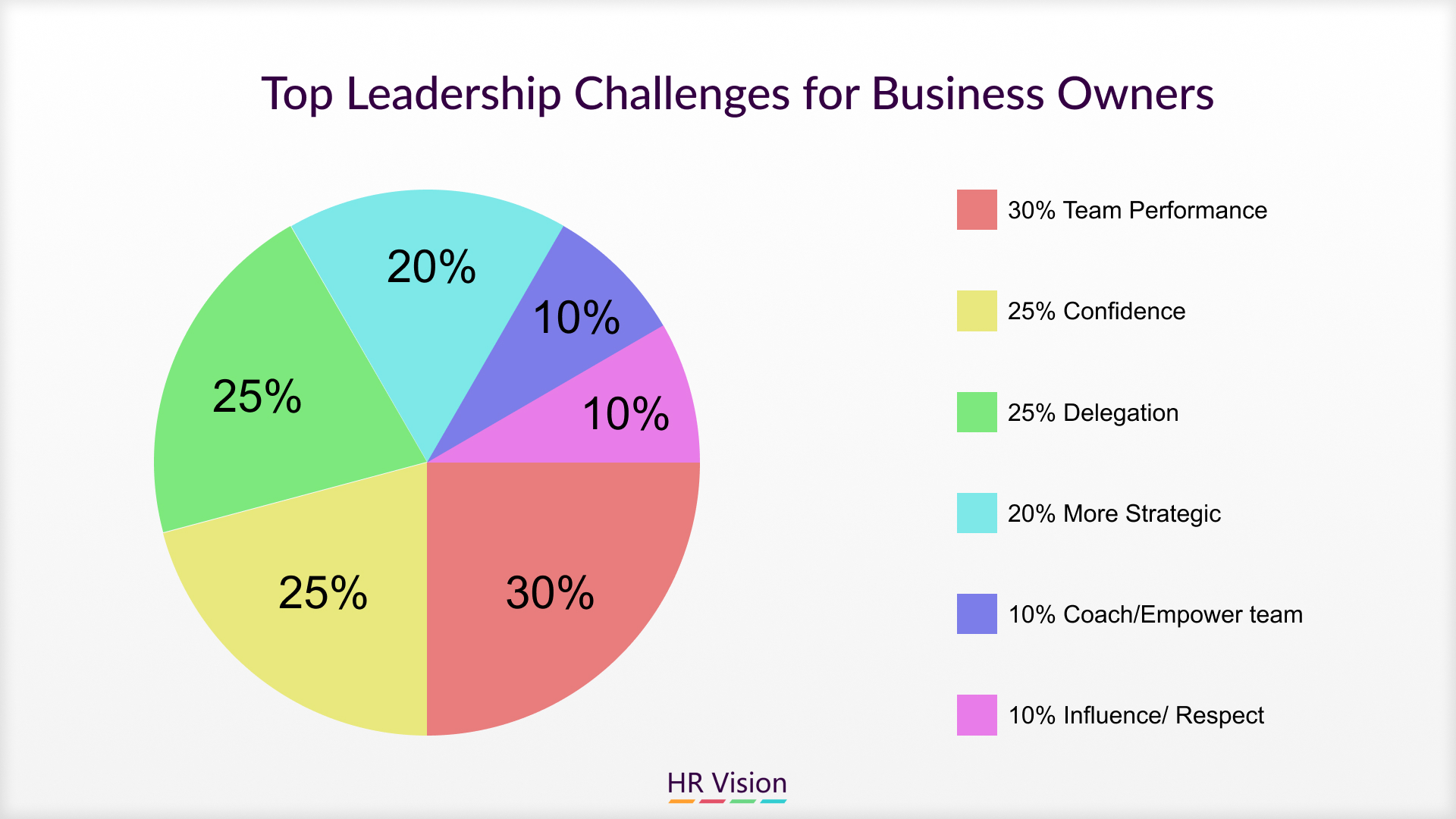
Furthermore, a quarter of leaders lack strategic thinking skills, which are crucial for identifying areas ripe for innovation and aligning innovation initiatives with the company’s overall vision. Finally, only 10% of leaders excel at coaching and empowering their teams, a critical skill for fostering a growth mindset and encouraging employees to take ownership of their creative contributions. When leaders struggle with these core leadership skills, it can create a significant barrier to fostering a culture of innovation.
Conclusion
Great leaders are the spark that ignites a culture of innovation. They create a workplace where fresh ideas are welcomed, collaboration thrives, and calculated risks are encouraged. This isn’t just good for the bottom line – it boosts employee engagement and satisfaction.
So, how can HR help? Leadership training focused on communication, coaching, and strategic planning equips leaders to drive innovation. Promoting diversity and inclusion ensures a richer pool of ideas. Finally, recognizing and rewarding innovative efforts reinforces the value of creative thinking.
Want to delve deeper into fostering a culture of innovation and explore the latest HR practices for navigating the transforming world of work? Join us at HR Vision!