


Have you ever thought about how your workplace is like a little world of its own? You’ve got people hustling, tasks flying around, and many vibes. Now, let’s zoom in on a game-changer in this lively scene – recognition.
What is Employee Recognition in the Workplace?
So, what’s this recognition thing? It’s not just a casual “good job.” It’s like giving a virtual fist bump for someone’s hard work—be it a shout-out in a meeting, a simple “thanks,” or even a surprise bonus. Recognition at work can come in different ways— words of praise, written commendations, or concrete rewards like promotions, bonuses, or awards. Essentially, it’s like a symbolic currency that reinforces good behavior, creates a sense of belonging, and boosts employee morale.
What Happens When Employee Recognition Is Lacking?
Let’s talk about the scenario when recognition takes a back seat. When employees aren’t recognized for their hard work, a feeling of disconnection can spread in the workplace culture. Instead of being a lively place of collaboration and innovation, the environment can turn into one of indifference and disappointment.
Firstly, morale takes a hit. No acknowledgment, no words of appreciation. Not getting recognized at work can make employees feel disconnected and demotivated. When their hard work goes unnoticed, the enthusiasm to excel and give their best starts to fade. This often leads to lower job satisfaction and increased stress. If dedication remains unacknowledged, it can create an undercurrent of dissatisfaction in the team, impacting morale and hindering productivity. This, in turn, can affect the development of a positive workplace culture.
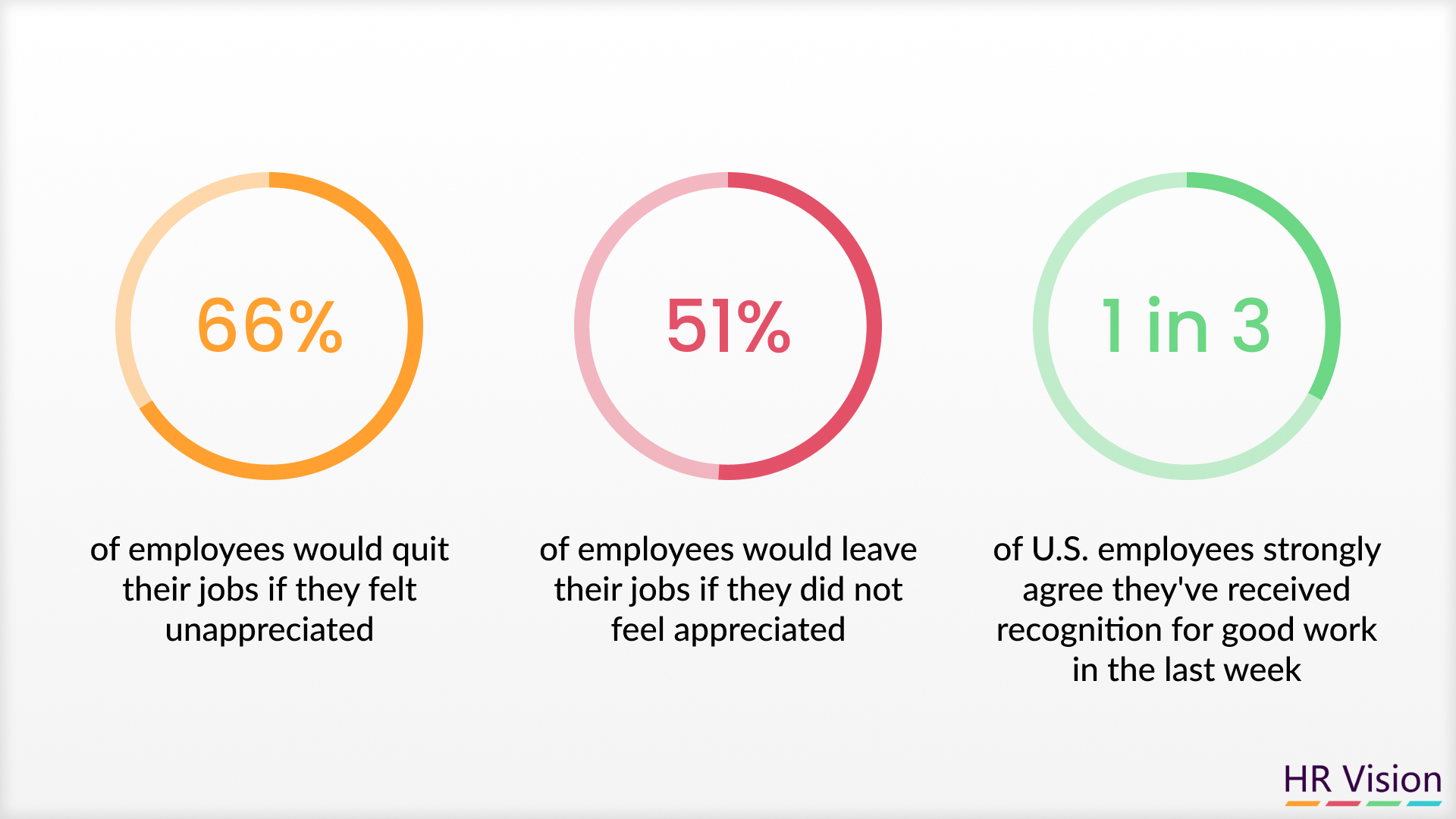
Engagement also takes a hit when recognition is in short supply. Without the positive reinforcement that comes with acknowledgment, employees might start feeling like their contributions are overlooked. This can lead to a decline in their motivation and a sense of detachment from their work. Instead of actively participating and contributing, they might find themselves merely going through the motions, waiting for the clock to strike the end of the day. Implementing regular employee appreciation initiatives can significantly boost morale and foster a more positive work environment.Additionally, the absence of employee recognition can become a ticking time bomb for talent retention. When employees don’t feel valued for their efforts, they might start exploring other opportunities where their contributions are more appreciated. It’s not just a matter of job satisfaction – it becomes a fundamental question of whether their skills and hard work are truly recognized and rewarded.
The Psychological Impact of Recognition
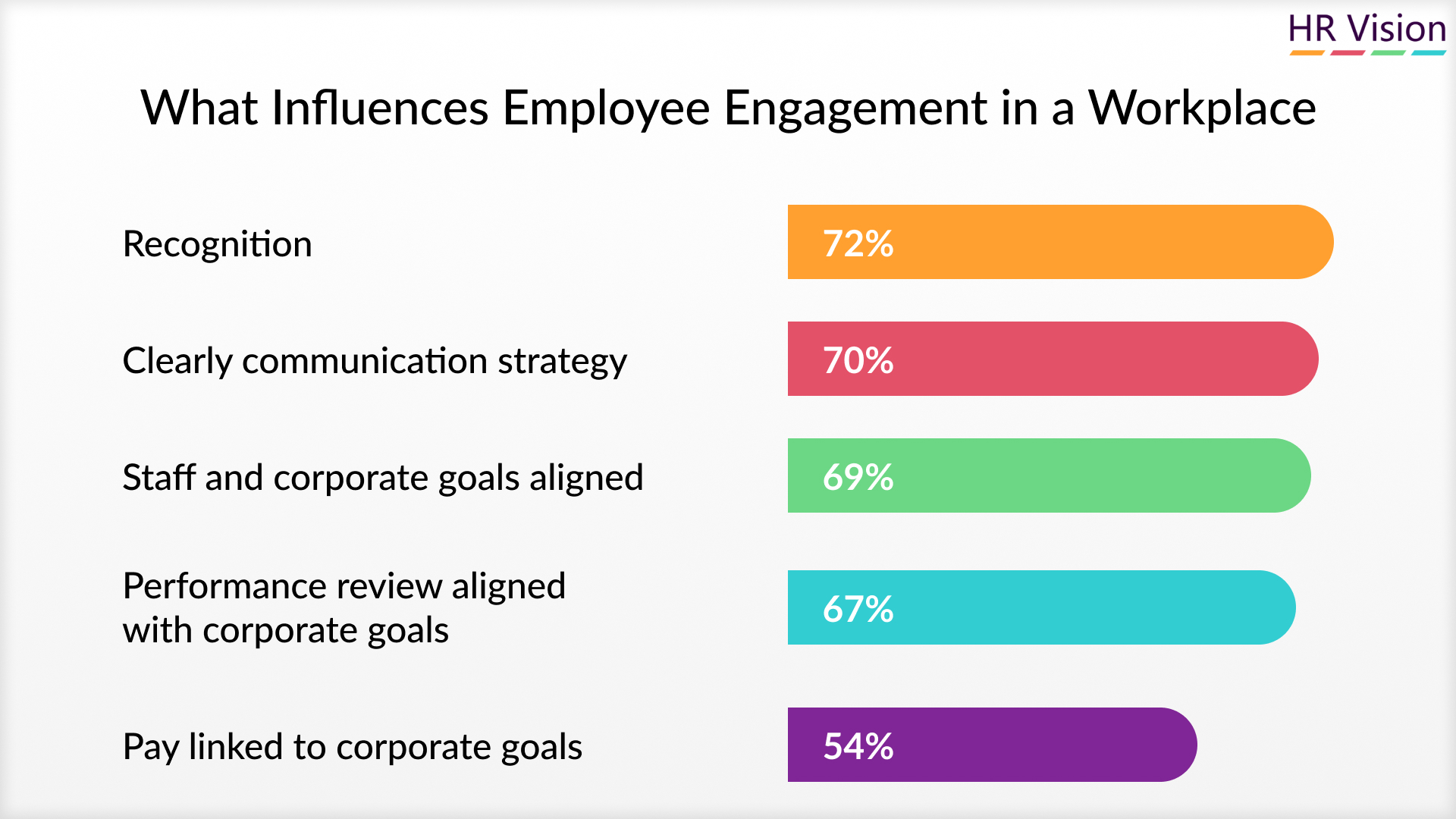
Recognition is a powerful motivator that fuels individuals to give their best. When employees receive acknowledgment for their hard work, it triggers a sense of achievement and validation. 72% of employees believe that performance recognition significantly boosts engagement. This highlights how acknowledgment plays a vital role in motivating and mobilizing the workforce, leading to increased dedication and productivity. This positive reinforcement is a motivational tool, encouraging them to go above and beyond in their tasks.
Here’s where it gets interesting: the link between recognition and job satisfaction.
Recent research reveals that 82% of respondents consider recognition to be an important component of their happiness at work. This statistic emphasizes the strong link between being recognized for your contributions and the overall job satisfaction that employees experience. When employees feel seen and valued, job satisfaction skyrockets. It’s not rocket science – a happy and fulfilled employee is more likely to stick around, bring their A-game, and contribute positively to the workplace dynamics. Employee recognition, in this context, acts as a key player in the satisfaction game, influencing how individuals perceive their roles and the overall work experience.
Moreover, recognition has a lasting impact on employee engagement. Employees are 2.7 times more likely to be highly engaged if they believe they will be recognised for their contribution. When individuals feel that their efforts are acknowledged, they become more invested in their work. The ripple effect? Increased engagement across the board. Recognized employees are actively participating, collaborating, and bringing fresh ideas to the table.
Creating a Culture of Appreciation
Organisations that make employee recognition a priority are more likely to keep their talent, leading to a stable and motivated workforce. Recognition is the cornerstone of creating a culture of appreciation. When acknowledgment becomes a regular part of the workplace routine, it transforms into a shared value. It’s no longer just about individual achievements; it becomes a collective effort to celebrate each other’s successes. The numbers tell a powerful story about how recognition can shape organisational loyalty. 79% of workers say that getting more recognition rewards would make them more loyal to their employer. This shift creates a positive work environment where employee appreciation is the norm, fostering collaboration, trust, and a sense of community among team members
Enhancing Employee Productivity and Performance
Let’s add some numbers to the recognition equation. Studies show that happy workers are a whopping 13% more productive than their less satisfied counterparts. Recognized individuals tend to find more meaning and fulfilment in their work, making their job satisfaction levels soar. In essence, employee recognition becomes a key contributor to the overall happiness and contentment employees derive from their professional lives. When employees feel recognized for their contributions, it creates a positive emotional connection to their work, fostering a sense of fulfilment and purpose. This emotional investment in their tasks and responsibilities translates into increased job satisfaction, as individuals perceive their efforts as valuable and meaningful.
Recognizing employees goes beyond just acknowledging their efforts. An impressive 92% of workers are more likely to repeat a praised action, showing how acknowledgment has a lasting impact on behaviour and performance.
What Happens When Organizations Invest in Recognition?
According to the Society for Human Resource Management (SHRM) and Globoforce, of the organisations that spend 1% or more of payroll on recognition, a staggering 85% notice an increase in employee engagement. It’s a testament to the tangible impact of recognizing and appreciating employees – a small investment that yields significant returns in terms of a more engaged and motivated workforce. Employee recognition becomes a driving force behind an improved work ethic and dedication.
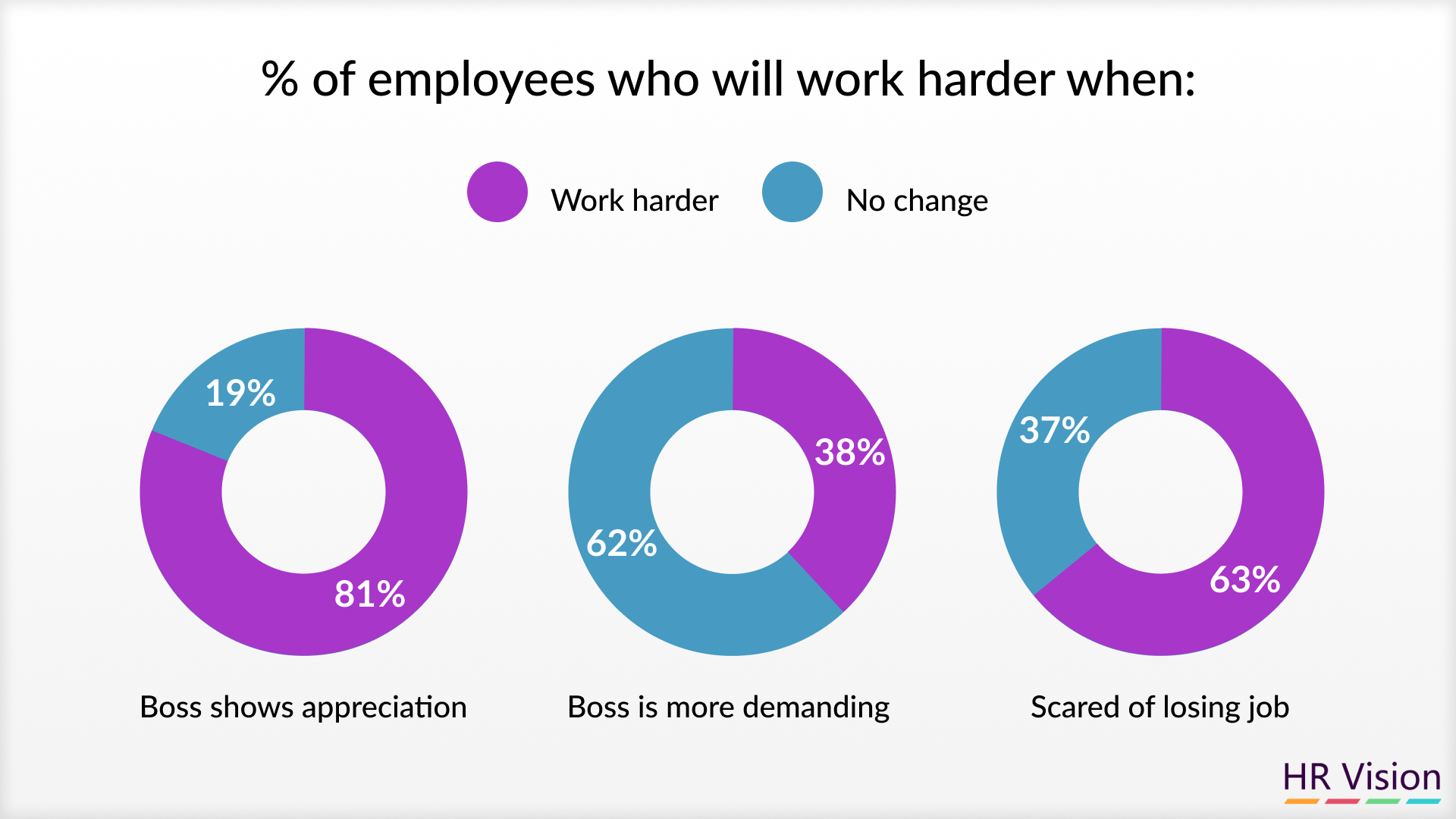
Moreover, a notable 81% of employees are willing to work harder when they feel appreciated. This highlights the direct connection between feeling valued and an employee’s dedication to putting in extra effort. Recognizing and valuing contributions becomes a crucial strategy for organisations aiming to inspire heightened commitment and performance.
What Is the Impact of Employee Recognition on the Profitability?
There’s a solid link between employee recognition, engagement, and the financial health of an organization. Companies with high employee engagement are reported to have 21% higher profitability, according to Gallup. Engaged employees are more likely to invest discretionary effort, leading to improved productivity and efficiency.
Recognition programs are key to retaining top talent and cutting down on the hefty expenses linked to employee turnover. Effective recognition efforts that boost employee engagement contribute to higher retention rates. A culture of recognition can translate into substantial cost savings. For a company with around 10,000 staff members, fostering a culture of recognition can save up to $16.1 million each year in turnover costs. This includes expenses related to recruiting, onboarding, and training new employees. Recognition, therefore, emerges not only as a morale booster but also as a strategic move to mitigate the financial impact of turnover.
Recognition creates a positive workplace culture that prioritizes teamwork and collaboration. When teams feel acknowledged for their joint efforts, they are more likely to work together effectively, fostering increased innovation and problem-solving. In the face of a rapidly changing business landscape, the capacity to nurture a collaborative culture becomes a strategic advantage for organizations. The resulting innovation and efficiency directly enhance an organization’s competitive edge, influencing its long-term profitability. Furthermore, improving recognition by just 15% can lead to a significant increase in a company’s margins – up to 2%. This highlights the tangible financial impact of recognizing and appreciating employees in the overall success of an organization.
Implementing Effective Employee Recognition Programs
Society for Human Resource Management (SHRM) found that employee recognition programs were more common in the United States than in other regions. For instance, in North America, 89% of organizations had an employee recognition program, compared to 68% in Asia and 65% in Europe. While prevalence is high, the effectiveness of these programs remains a crucial aspect, as highlighted by the Gallup study indicating that only 33% of U.S. workers feel engaged at work.
Employee recognition programs are structured initiatives designed to systematically acknowledge and reward employees for their contributions and achievements. These programs play an important role in fostering a culture of appreciation within an organization. 1. Transparent Recognition Guidelines
For a recognition program to work well, its guidelines must be clear and transparent. Employees need a straightforward understanding of the criteria for recognition to ensure a fair and inclusive process. Clearly outlining expectations and benchmarks serves as a roadmap, helping employees know the specific contributions and behaviors that are valued and rewarded within the organization.
2. Personalized Approaches
Recognizing the diverse workforce, with various roles and individual preferences, is crucial. Using a variety of recognition methods allows organizations to customize acknowledgment to different personalities and work styles. Personalized approaches, like public praise, written notes, or symbolic gestures, contribute to a culture where every employee feels seen and appreciated. For example, in Latin American cultures, employee recognition may be more informal and personal, with coworkers and managers expressing gratitude or offering small gifts or gestures.
3. Real-time Acknowledgment
The timing of recognition is crucial for its effectiveness. Acknowledging employees in real-time ensures prompt praise, reinforcing positive behavior or accomplishments. Regular recognition, whether weekly, monthly, or tied to specific projects, contributes to an ongoing appreciation culture rather than a sporadic one.
Employee Recognition Examples:
– Set up a monthly “Spotlight Awards” ceremony to celebrate outstanding contributions, offering immediate acknowledgment and building a culture of real-time recognition.
– Create a “Kudos Board” where employees can publicly recognize colleagues for exceptional teamwork, innovative ideas, or going above and beyond in their roles.
– Launch a “High-Five” program allowing team members to recognize each other for collaboration, creativity, or support, promoting a sense of camaraderie.
Conclusion
Employee recognition has a transformative impact on workplace dynamics in various ways. It deeply influences morale, job satisfaction, and engagement, while also playing a crucial role in boosting productivity, performance, and organizational profitability. The shift toward a recognition-centric culture is not just about feeling good; it’s a practical and cost-effective strategy. Organizations actively fostering cultures of employee appreciation not only retain top talent but also attract it, becoming beacons in competitive talent markets.
Ready to stay ahead in the ever-changing world of HR? Join us at HR Vision, where top HR leaders gather to explore the future of work, HR trends, and the power of HR analytics and technology.


