The modern workplace is in a constant state of flux. New technologies emerge, industries evolve, and the skills needed for success are constantly changing. In this dynamic environment, upskilling – the process of acquiring new or advanced skills relevant to one’s current role – has become a critical strategy for both employees and companies Organizations can cultivate a future-proof workforce, while employees can enhance their careers and unlock new opportunities. This creates a win-win scenario where individual growth fuels company success.
Benefits for Employees: Power Up Your Workforce
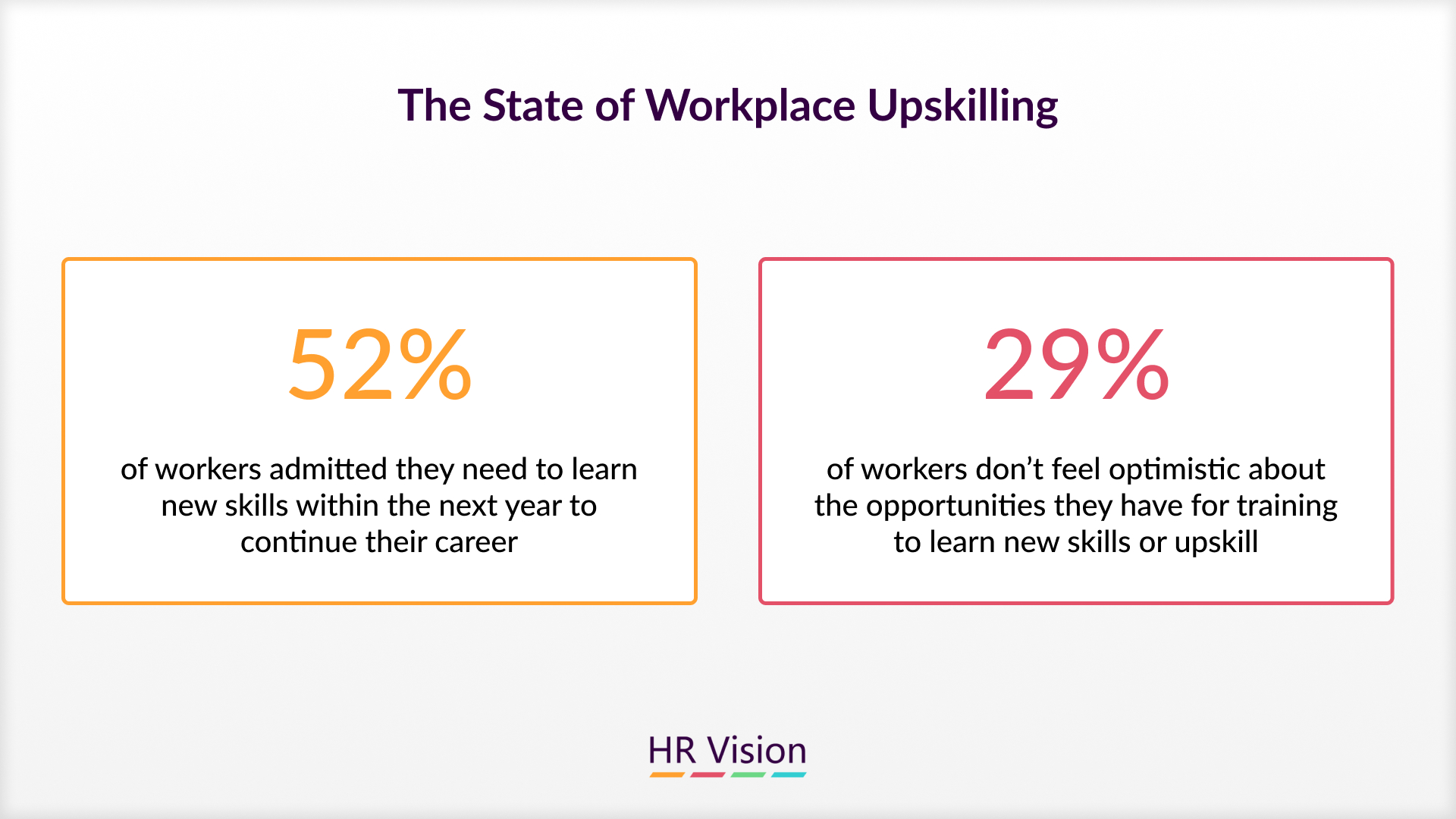
Employees crave opportunities to grow and develop their skill sets. A whopping 52% of American workers surveyed in 2021 reported participating in upskilling programs within the year, highlighting a strong desire for career development. Companies are responding to this demand, with a U.S. study showing that 84% of employees in large companies receive formal training, and a staggering 96% report receiving some form of training. But why is upskilling and reskilling such a win for employees? Let’s explore the key benefits:
- Boosting Job Satisfaction and Career Growth
- Sharpening Your Skillset, Earning More
- Feeling Empowered and Making a Bigger Impact
- Adapting to Change and Future-Proofing Your Career
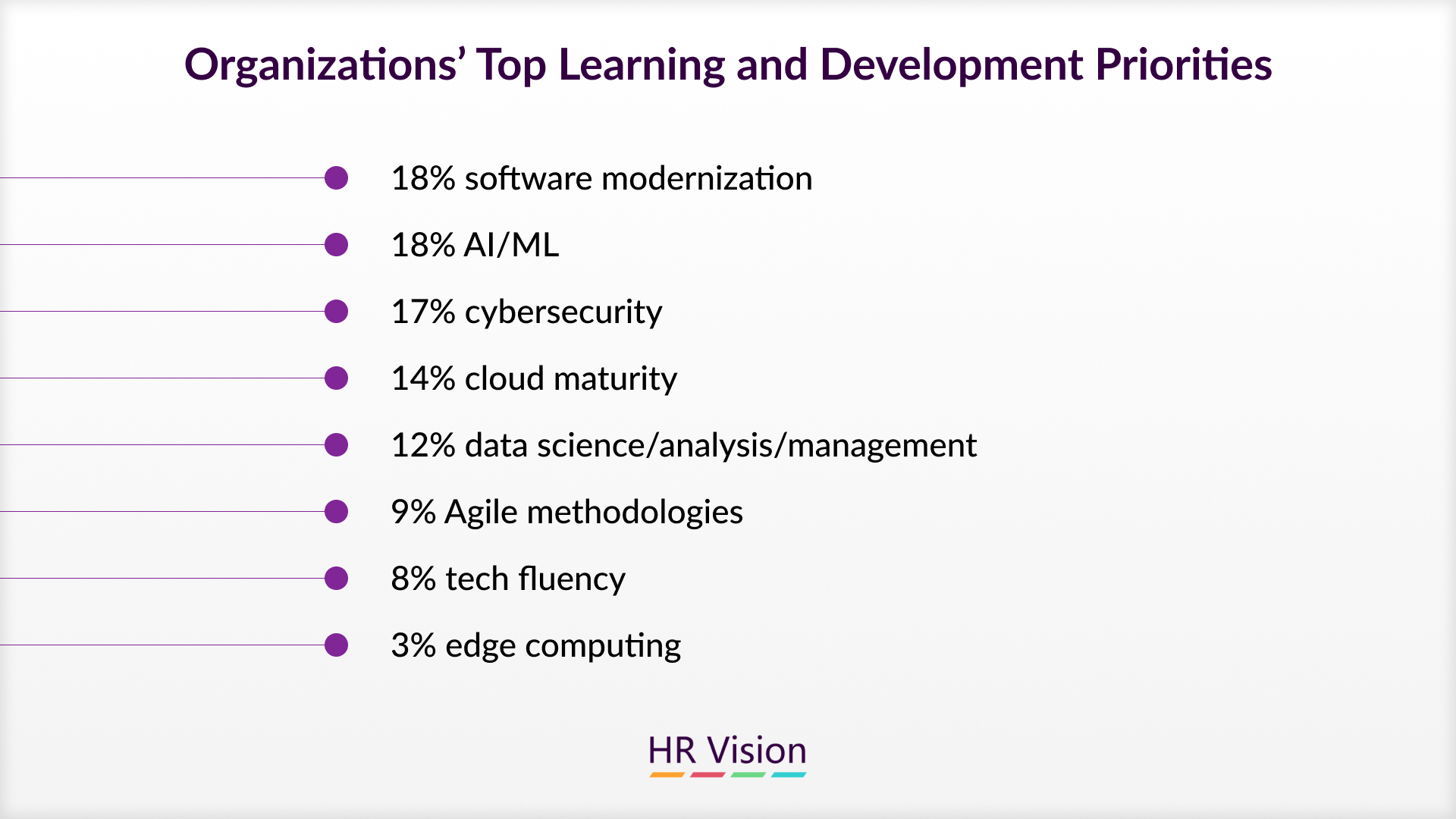
Examples of in-demand skills employees can gain through upskilling programs include, as identified by tech executives for 2023 priorities:
What Are the Benefits for Companies?
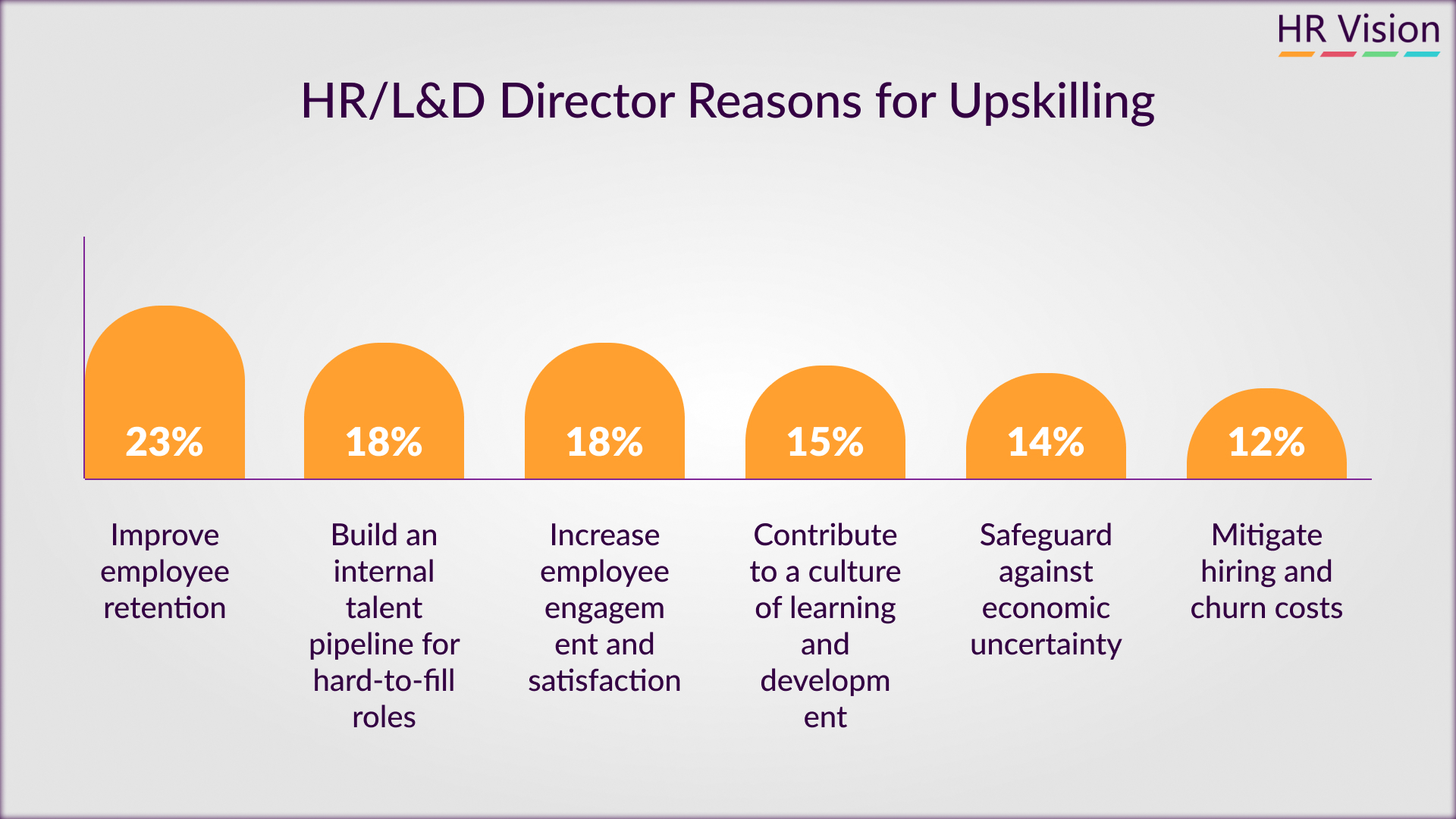
Investing in upskilling and reskilling isn’t just about employee satisfaction; it’s a strategic move that drives significant business benefits. Here’s how upskilling your workforce translates to company growth:
- Enhanced Retention: In today’s competitive talent market, employee retention is crucial. By providing upskilling opportunities, companies demonstrate their commitment to employee growth, fostering loyalty, and reducing turnover. A study by LinkedIn revealed that 39% of U.S. employees consider “potential for future growth” the most important factor for job satisfaction. Upskilling programs, including management training programs, address this need directly, boosting employee retention.
- Increased Productivity and Efficiency: A well-trained and upskilled workforce is a more productive one. Employees with the right skillset can complete tasks faster, with fewer errors, ultimately leading to increased efficiency and improved company output.
- Innovation Powerhouse: Upskilling fosters a culture of continuous learning and exploration. Employees with diverse skills can approach challenges from new angles, leading to innovative solutions and improved problem-solving capabilities within teams.
- Adaptability in a Changing Landscape: The business landscape is constantly evolving. Upskilled employees are better equipped to adapt to new technologies and industry demands, ensuring the company remains competitive and relevant.
- Bridging the Skill Gap: Many companies face skill gaps within their workforce. Upskilling programs can address these gaps by equipping existing employees with new skills, reducing reliance on costly external recruitment and delays in filling critical positions.
How to Implement an Upskilling Training Program
Having established the mutual benefits of upskilling for both employees and companies, let’s shift gears and explore how to implement a successful upskilling program within your organization.
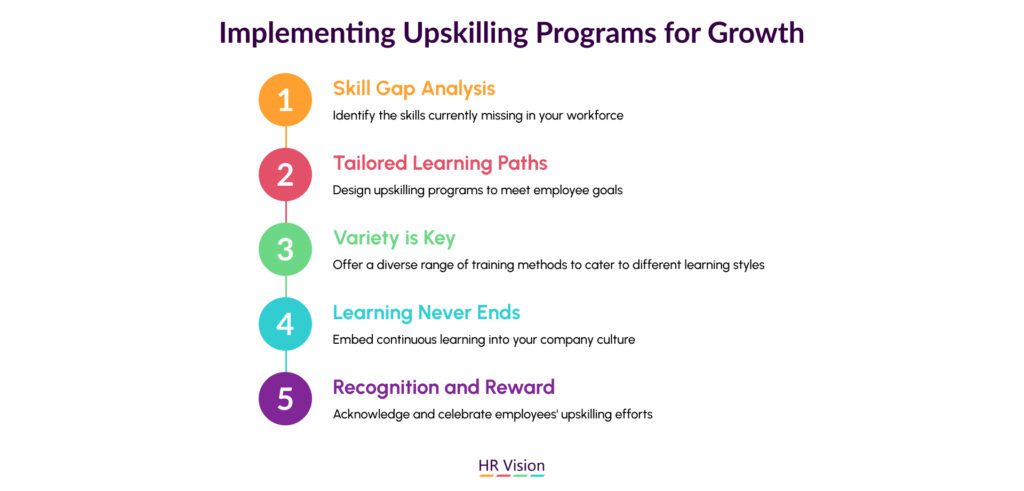
1. Targeted Skill Gap Analysis
Don’t embark on upskilling initiatives blindly. Begin with a thorough assessment of your current workforce capabilities. Conduct employee evaluations through surveys, skills assessments, or performance reviews. Complement this with industry trend analysis to identify the specific skills most crucial for your company’s future success. This targeted approach ensures your upskilling and management training programs address the most pressing skill gaps and directly contribute to achieving your strategic business objectives.
2. Personalized Learning Journeys
A cookie-cutter upskilling program won’t resonate with a diverse workforce. Instead, design personalized learning journeys that cater to individual needs and career aspirations. Encourage employees to take ownership of their upskilling by involving them in goal setting and program selection. Consider offering career development discussions to understand individual aspirations and tailor upskilling opportunities to bridge skill gaps while aligning with desired career paths.
3. Multifaceted Learning Delivery
Accommodate different learning styles and preferences by offering a variety of training methods. This could include instructor-led workshops for those who thrive in interactive environments, online courses for self-paced learning, or even peer-to-peer mentoring and management training programs that foster knowledge sharing and collaboration. Explore microlearning opportunities through bite-sized learning modules or short video tutorials that can be easily integrated into busy schedules.
4. Building a Learning Ecosystem
Upskilling shouldn’t be a one-off event. Cultivate a culture of continuous learning within your organization. Encourage knowledge sharing through internal learning communities or online forums where employees can exchange ideas and support each other’s growth. Consider establishing brown bag lunch sessions or internal knowledge-sharing presentations where employees can showcase newly acquired skills and inspire colleagues. Provide ongoing support for skill development beyond formal training programs. Offer employees dedicated time for learning, access to industry publications and resources, or subscriptions to relevant online learning platforms.
5. Recognition and Reinforcement
Acknowledge and celebrate employees’ upskilling efforts. This reinforces the value your company places on continuous learning and motivates employees to stay engaged in the process. Public recognition through company-wide announcements or internal newsletters can be a simple yet effective way to acknowledge achievements. Consider performance-based incentives or bonuses tied to completing upskilling programs.
PepsiCo — Upskilling Success Story
PepsiCo offers a comprehensive suite of digital upskilling programs designed to prepare its workforce for the future and equip them with the skills needed to advance their careers.
Key Programs
1. Digital Academy: Offers a multi-level curriculum with:
- Content for technical roles (advanced learning)
- Courses for non-technical roles (basic digital tools)
- Programs for those learning the fundamentals
- On-demand courses (free for professional development)
- Pathways to certifications (e.g., Cloud Azure, Data Scientist)
2. myeducation: Launched in 2022, this program provides US-based employees with free access to:
- Over 100 diploma, certificate, and degree options in various fields
- Programs in high-demand skills like data analytics, trades, and supply chain
- High school completion and English language learning
- Commercial driver’s licenses (CDLs)
Positive Outcomes
- Over 11,000 employees participated in the Digital Academy within the first year.
- More than 15,000 US employees created a myeducation profile, with over 1,600 enrolling.
- 600 certifications earned in areas like Cloud Azure, Data Scientist, and Data Analytics.
- 346 employees completed credentials through myeducation (high school diplomas, CDLs, bachelor’s degrees).
- Attrition is 18% lower for myeducation participants compared to non-participants.
- myeducation participants are 1.7 times more likely to experience a job level or role change.
- 311 program participants changed roles in 2022, with 125 promotions and 13 placements in priority jobs.
Key Takeaways from PepsiCo’s Success
- Focus on Employee Needs: Tailoring upskilling training programs to address specific skill gaps and career aspirations is crucial.
- Accessibility and Transparency: Providing easy access to learning opportunities and clear pathways for career advancement is essential.
- Integration with Business Goals: Upskilling initiatives should be aligned with company-wide strategic objectives.
- Focus on ROI: Tracking program outcomes and demonstrating the return on investment in upskilling strengthens the case for continued support.
- Future-Proofed Talent Pipeline: By investing in upskilling, PepsiCo cultivates a future-ready workforce equipped to drive sustainable growth for the company.
Source: Case Study: UpSkilling for Career Mobility at PepsiCo
Conclusion
Upskilling offers significant shared benefits. Employees gain valuable new skills, enhancing their marketability and propelling career advancement within the company. Companies bridge critical skill gaps, boost employee retention, cultivate a culture of innovation, and drive business growth through a more adaptable and future-proof workforce.
HR professionals hold a unique position to champion upskilling initiatives. You can become a driving force for positive change by conducting thorough skills gap analyses, developing comprehensive upskilling strategies that cater to diverse learning styles, and investing in a variety of training programs. Furthermore, fostering a culture of continuous learning through knowledge sharing and celebrating upskilling achievements is crucial. Finally, aligning upskilling initiatives with business goals ensures a measurable impact on the company’s bottom line.
Ready to take your upskilling strategy to the next level? Join HR Vision, the premier conference for HR leaders seeking to navigate the future of work.