Imagine you’re applying for a job and the application is hard to understand or takes too long to fill out. You might get frustrated and give up. That’s why it’s important for companies to make their job applications easy and simple. Studies have shown that candidates are 38% more likely to accept a job offer if they are satisfied with the application process.
The Importance of a Well-Designed Job Application Process
The job application process is often the first direct interaction a candidate has with an organization. As such, it plays a critical role in shaping the perception of the company’s brand. A poorly designed application process—one that is overly complex, lacks clarity, or fails to communicate effectively—can reflect negatively on the organization.
A user-friendly application process is essential for maintaining and enhancing the employer’s reputation. When candidates find the application process intuitive and straightforward, it sends a strong message about the company’s commitment to providing a positive experience for all stakeholders, including potential employees. This can boost the company’s image as an employer of choice, attracting more qualified candidates and improving overall recruitment outcomes.
The application process is a crucial touchpoint in the candidate journey, significantly shaping their first impression of the organization. A well-designed process can enhance candidate engagement and satisfaction, while a poorly designed one can lead to disengagement and negative perceptions.
Common Mistakes in Job Applications and How to Avoid Them
1. Overly Lengthy and Complex Applications
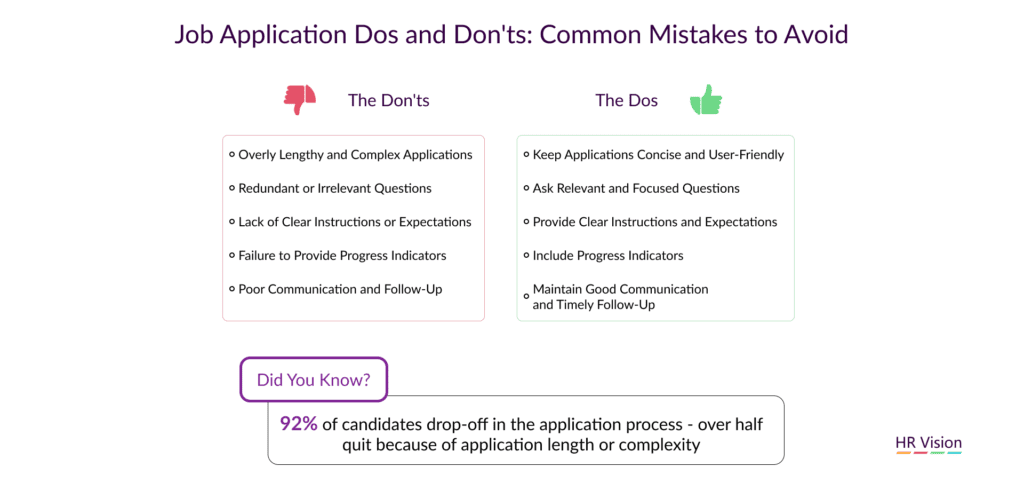
An astounding 92% of candidates who click “Apply” fail to finish the entire job application process, leading to a significant drop-off rate. This statistic underscores a critical issue in the recruitment process: overly lengthy and complex applications. When candidates are met with a cumbersome, time-consuming process, their initial enthusiasm for the role quickly wanes, causing them to abandon the application altogether. This not only reduces the pool of potential hires but also reflects poorly on the organization’s efficiency and respect for candidate time.
To address this problem, HR professionals must streamline the application process, focusing on collecting only the most essential information at the initial stage. Reducing the number of steps and the time required to complete the application can significantly lower the drop-off rate. The application should be designed to be intuitive and user-friendly, ensuring that candidates can easily navigate it without encountering unnecessary hurdles.

2. Use of Language in Job Descriptions
The language used in job descriptions can significantly impact candidate engagement and application completion rates. While the tone of the job description might seem like a minor detail, it has a substantial effect on how candidates perceive the role and the company. Research indicates that 75% of candidates respond positively to job descriptions that use generic, straightforward language, as opposed to those that are overly casual or excessively formal.
A job description that is too formal may come across as rigid or intimidating, potentially deterring candidates who might otherwise be a good fit. On the other hand, overly casual language might make the company appear unprofessional or make the role seem less serious, which can also lead to a drop-off in applications.
To appeal to a broad range of candidates, HR professionals should aim to use clear, concise, and neutral language in job descriptions. The tone should be professional yet approachable, striking a balance that resonates with a wide audience. The focus should be on clarity and ensuring that the description accurately reflects the role and the company culture without alienating potential applicants.
3. Redundant or Irrelevant Questions
Another common mistake in the job application process is the inclusion of redundant or irrelevant questions. When candidates are asked to provide unnecessary information, it can lead to frustration and disengagement. This not only prolongs the time it takes to complete the application but also creates a negative experience that can cause candidates to abandon the process altogether. For example, asking for detailed information about prior employment that is not directly related to the position at hand, or requesting personal details that are irrelevant at the application stage, can come across as intrusive or a waste of time.
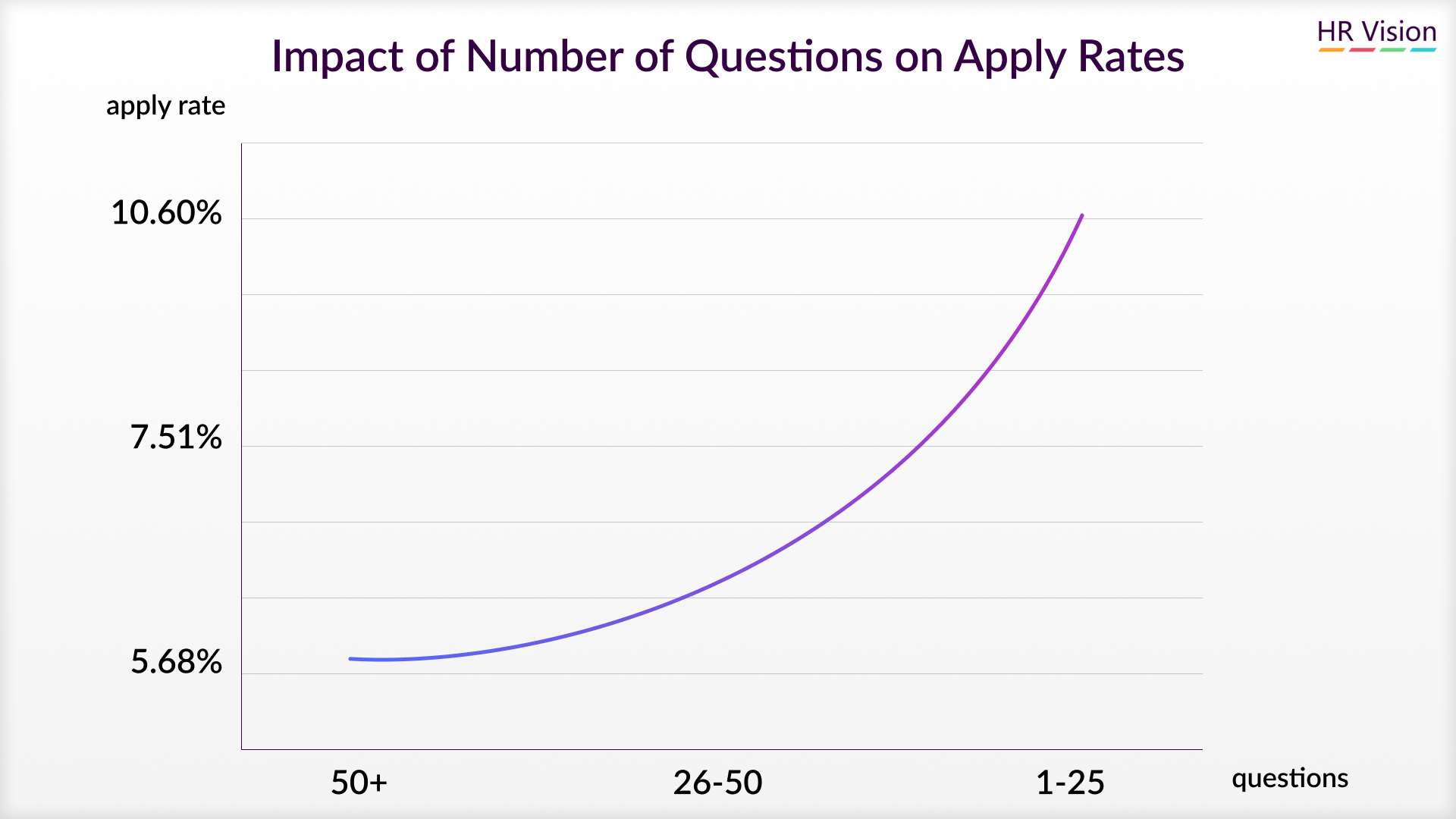
To avoid this pitfall, HR professionals should regularly review and refine the questions included in the application form to ensure they are relevant and necessary. Every question should serve a clear purpose in evaluating the candidate’s qualifications for the specific role. If a question does not directly contribute to assessing the candidate’s fit for the position, it should be removed.
4. Lack of Clear Instructions or Expectations
One of the most significant challenges candidates face during the job application process is a lack of clear instructions or expectations. When instructions are ambiguous or incomplete, candidates are more likely to make errors or leave sections of the application incomplete, leading to potentially disqualifying mistakes. This issue not only frustrates candidates but also results in HR receiving applications that are difficult to assess, causing delays in the hiring process and potentially leading to the rejection of otherwise qualified candidates.
Ambiguity in the application process can also contribute to candidate anxiety, as they may feel uncertain about whether they are meeting the application requirements. This uncertainty can lead to a poor perception of the company, as candidates may view the organization as disorganized or unprofessional.
To mitigate this issue, HR professionals should ensure that all instructions and expectations in the job application process are clear, concise, and easy to follow. Providing detailed explanations and examples where necessary can help candidates understand exactly what is required of them, reducing the likelihood of mistakes. Clear communication at this stage sets a positive tone and helps candidates feel confident that they are completing the application correctly.
5. Failure to Provide Progress Indicators
A significant oversight in many job application processes is the failure to provide progress indicators. When candidates are unsure of how much longer the application process will take, they may become frustrated or anxious, leading to a higher likelihood of abandonment. The absence of clear progress indicators can make the application process feel overwhelming, especially when it’s lengthy or involves multiple steps. Candidates might start the process with enthusiasm but lose motivation as the application drags on without any sense of how close they are to completion.
This uncertainty is compounded by the fact that 55% of job seekers report that they are rarely or never kept informed about their application status after submitting it. This lack of communication further diminishes the candidate experience and can tarnish the employer’s reputation.
To enhance the candidate experience and reduce drop-off rates, HR professionals should incorporate progress indicators throughout the application process. These can take the form of progress bars, clear section dividers, or even step-by-step guides that let candidates know exactly where they are in the process and how much is left to complete. Providing this transparency helps manage candidate expectations and keeps them engaged until the application is fully submitted.
6. Poor Communication and Follow-Up
One of the most common and detrimental mistakes in the job application process is poor communication and follow-up. When candidates do not receive timely feedback or updates about their application status, they often feel neglected and undervalued. This can lead to increased drop-off rates and decreased candidate satisfaction. In fact, 63% of job seekers report being unhappy with post-application communication, highlighting a significant area for improvement.
Poor communication can create a negative impression of the organization, making it appear disorganized or indifferent to candidates’ efforts. It can also result in top talent withdrawing their interest or accepting other offers due to the lack of clarity and engagement from the employer.
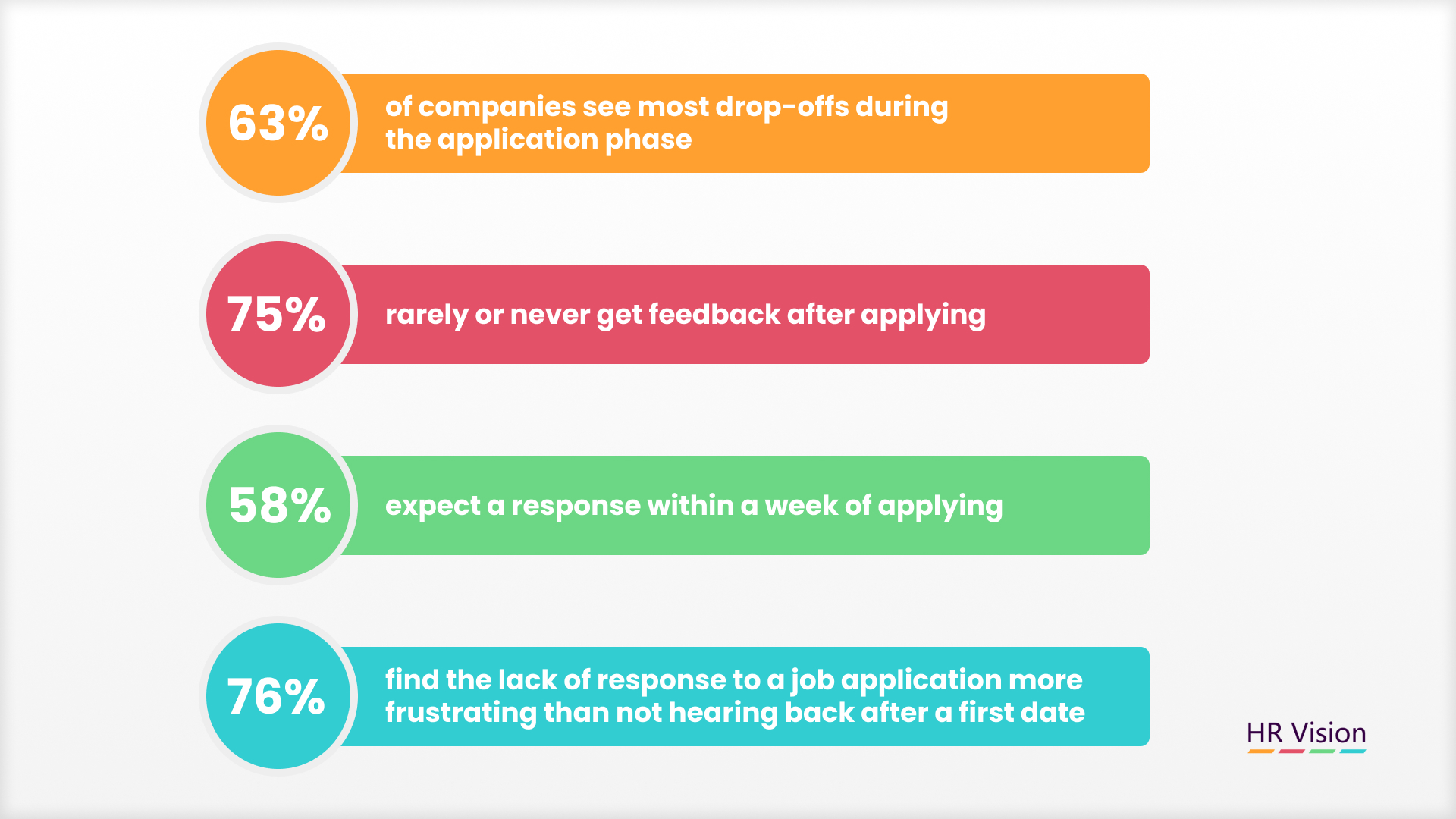
To address this issue, HR professionals should implement a robust communication strategy that ensures candidates receive timely updates throughout the application process. Automated responses can confirm receipt of applications and outline the next steps, while regular updates keep candidates informed about their status and any changes to the timeline.
Conclusion
In managing job applications, HR professionals must navigate a delicate balance between efficiency and candidate experience. Key considerations include avoiding overly lengthy and complex applications that can lead to high drop-off rates, ensuring that all questions are relevant and necessary to prevent frustration, and providing clear instructions to guide candidates smoothly through the process. Additionally, incorporating progress indicators helps manage candidates’ expectations and keeps them engaged, while maintaining strong communication and follow-up practices fosters a positive impression and reduces the risk of losing top talent due to uncertainty.