- With over 25 years of experience working across large organizations and startups, what would you say are the essential qualities that make a high-performance team?
- • Shared goals and a focus on results.
- • Trust and belonging.
- • Generous candour and easy disagreement.
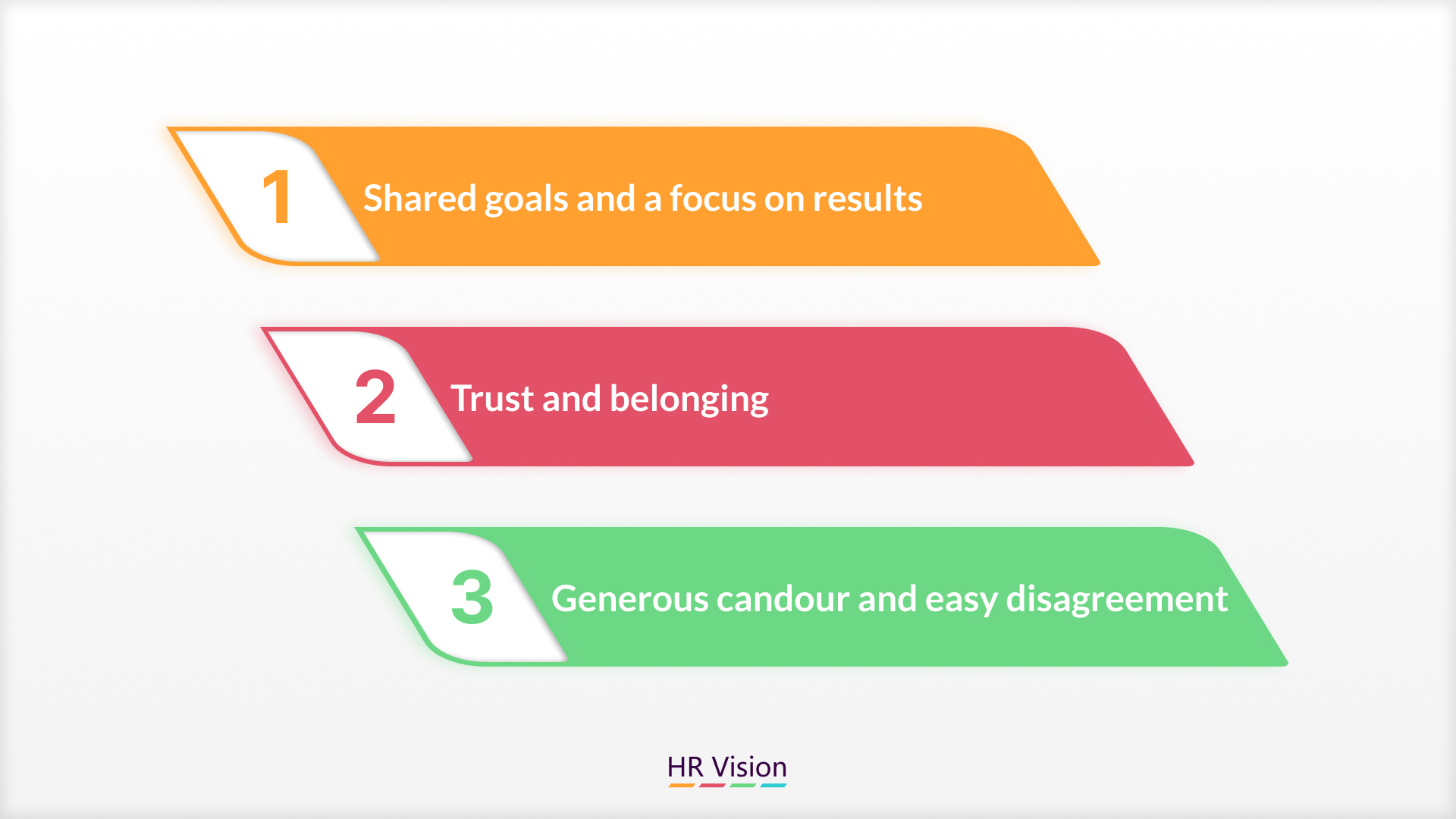
The first provides meaning and momentum. The second creates the conditions for broad accountability and mutual ownership. But it’s the third factor where growth and performance truly lie. It is the grit that creates the pearl and requires a blend of personal assurance, humility, curiosity and courage. And it has a ‘multiplier’ effect raising the performance of everyone, together.
- Having worked in high-profile companies like Cadbury Schweppes, Sainsbury’s, and Bupa, how have you seen leadership needs evolve over the years?
At a macro level, we’re now living and working in the VUCA age characterised by continuous technological disruption, complex socio-economic, political, and environmental dynamics, and a deficit in trust.
Changes in the scale, complexity, and speed of business challenges, and societal shifts in expectations of the workplace have created a marked shift from traditional command-and-control leadership to one that is more agile, democratic, and empowering. We see that it calls on a mindset shift that we call ‘Connective Intelligence’, as much as IQ and EQ. Connective Intelligence is the ability to bring together disparate perspectives and people, and do so in a way that causes true connection and collaboration.
- Your work spans both the public and private sectors. How do leadership and culture challenges differ between these environments, and what can they learn from each other?
I’d say there is more that unites than divides them – but a surprising lack of appreciation of this. Business tends towards a clearer focus on organisational goals. The public sector tends towards seeing organisational goals within the bigger picture. In both, the leadership challenges are about embracing change continuously, opening up opportunities, managing risk, busting silos, creating energy, and being accountable.
- You specialize in creating transformational change programs. What factors are most critical in ensuring a change program has a lasting impact rather than just being a temporary fix?
Having a clear vision, rationale and goal is the starting point. Understanding ‘Why’ change is happening is a fundamental human need, and factor one. You won’t always know exactly ‘What’ or ‘How’ at the outset. But you should always know ‘Why’.
The second factor is Involvement – it’s about setting leaders up to own the change and take it into their teams, engaging and communicating with everyone involved. Change can be exciting, empowering, and renewing. It can also be daunting, confusing, and exhausting. The more you are involved in shaping it, the more that gap closes.
This also connects to factor three, Grounding. This is where theory turns into actual ideas and action. Change is about taking practical steps, and working out what to stop, start or double down on.
Factor four is Follow-up. Creating space to track progress, make adjustments, and go again. This includes celebrating wins – big and small – and having transparency about what is still to be done. It’s about reinforcing, embedding, and continuing the change.
- How does applied psychology inform your approach to helping leaders navigate challenges and change?
An understanding of individual and organisational psychology underpins everything we do. Growth Mindset sits at the heart but we also tap into excellent tools and frameworks to manage resistance, foster motivation, and support resilience to create a more positive, adaptive, and productive environment. For example, people often resist change because it threatens their sense of autonomy and freedom. It can bring fear and uncertainty, which can lead to anxiety, stress, and disengagement. And not all employees will respond to change in the same way. Leaders need to build their emotional intelligence and create a Growth Mindset culture. This can be as simple as using cognitive reframing techniques to help people see the potential benefits rather than overly focusing on the negatives.
- For leaders aiming to foster a culture of innovation, what are some practical steps they can take to inspire creativity within their teams?
Growth Mindset is also a key factor for innovation. Examples include encouraging experimentation and freedom to ‘play’ within safe boundaries, looking for incremental vs transformational improvement, and being curious. Leaders need to make space and time and ask questions rather than give answers. That’s not always their starting point and they may need to be patient to allow creativity the room to grow.
Ready to stay ahead in the ever-changing world of HR? Join us at HR Vision, where top HR leaders gather to explore the future of work, HR trends, and the power of HR analytics and technology.