
Employee retention stands at the forefront of organizational success, serving as a pivotal factor in maintaining a stable, motivated, and skilled workforce. In today’s dynamic business landscape, where the competition for top talent is fierce, retaining skilled employees has become a critical aspect of sustaining growth and fostering a positive company culture.
What Is the Meaning of Employee Retention?
Employee retention is a crucial aspect of organizational success, encompassing the strategies and efforts employed by a company to retain its workforce over a specified period. In essence, it refers to the ability of an organization to keep its employees engaged, satisfied, and committed to their roles, thereby reducing turnover rates. A high turnover rate can be detrimental to a company’s productivity, morale, and overall performance.
Several factors contribute to the significance of employee retention. First and foremost is the substantial investment companies make in recruiting, training, and integrating new employees into their culture and processes. When employees leave prematurely, these investments are lost, and the organization must start anew, incurring additional costs.
Moreover, a high turnover rate can adversely impact team dynamics and disrupt workflow. Frequent departures may lead to a lack of continuity, decreased morale among remaining employees, and a potential decline in overall team performance. This can create a cycle of turnover as existing staff may become disheartened and consider seeking opportunities elsewhere. Implementing effective workforce retention strategies is essential to break this cycle, ensuring a stable and motivated team. Organizations must proactively address the root causes of turnover, offering tailored incentives, professional development opportunities, and a supportive work environment to foster employee satisfaction and commitment.
What Are the Employee Retention Benefits?
Organizations that prioritize and invest in retaining their employees stand to gain numerous benefits, contributing to long-term success and growth. Employee retention benefits are the cornerstone of organizational prosperity.
One of the primary employee retention benefits is the establishment of a stable and experienced workforce. When a company succeeds in retaining its talent, it secures a repository of invaluable institutional knowledge, providing a robust foundation for sustained growth and operational excellence. Moreover, the ripple effect of employee retention benefits extends to the company’s reputation, both internally and externally. Internally, a workplace culture characterized by loyalty and trust emerges, contributing to a positive and harmonious environment. Externally, the organization gains a reputation as an employer of choice, attracting top-tier talent in the talent acquisition landscape.
The Current Challenges Organizations Face in Retaining Talent
Despite recognizing the importance of employee retention, organizations grapple with a myriad of challenges in retaining their valuable human capital. High turnover rates can disrupt workflow, hinder innovation, and incur substantial recruitment and training expenses. Factors such as a competitive job market, evolving employee expectations, and the impact of external economic forces present formidable obstacles for businesses striving to retain their best talents. Addressing these challenges requires a departure from conventional retention strategies towards innovative approaches that resonate with the changing dynamics of the modern workforce.
Traditional approaches, while still relevant, may fall short in meeting the diverse needs and expectations of today’s workforce. The advent of technology, the rise of remote work, and a growing emphasis on work-life integration necessitate a fresh perspective on how organizations engage and retain their employees. In this dynamic landscape, workforce retention emerges as a key concern, prompting businesses to explore innovative strategies that go beyond conventional practices to ensure employee satisfaction, loyalty, and long-term commitment.
Why People Resign from Their Jobs
Understanding the factors that lead employees to resign is essential in devising effective retention strategies. While motivations for leaving a job can vary, certain common themes emerge across industries and organizational structures. Examining these reasons provides valuable insights into areas where innovative approaches can be most impactful. A recent study by FlexJobs sheds light on the motivations behind employees’ discontent, revealing that a significant portion of the workforce is dissatisfied with their current employment situations. The survey, encompassing 2,202 workers, highlights the following top five reasons pushing employees to consider leaving their jobs:
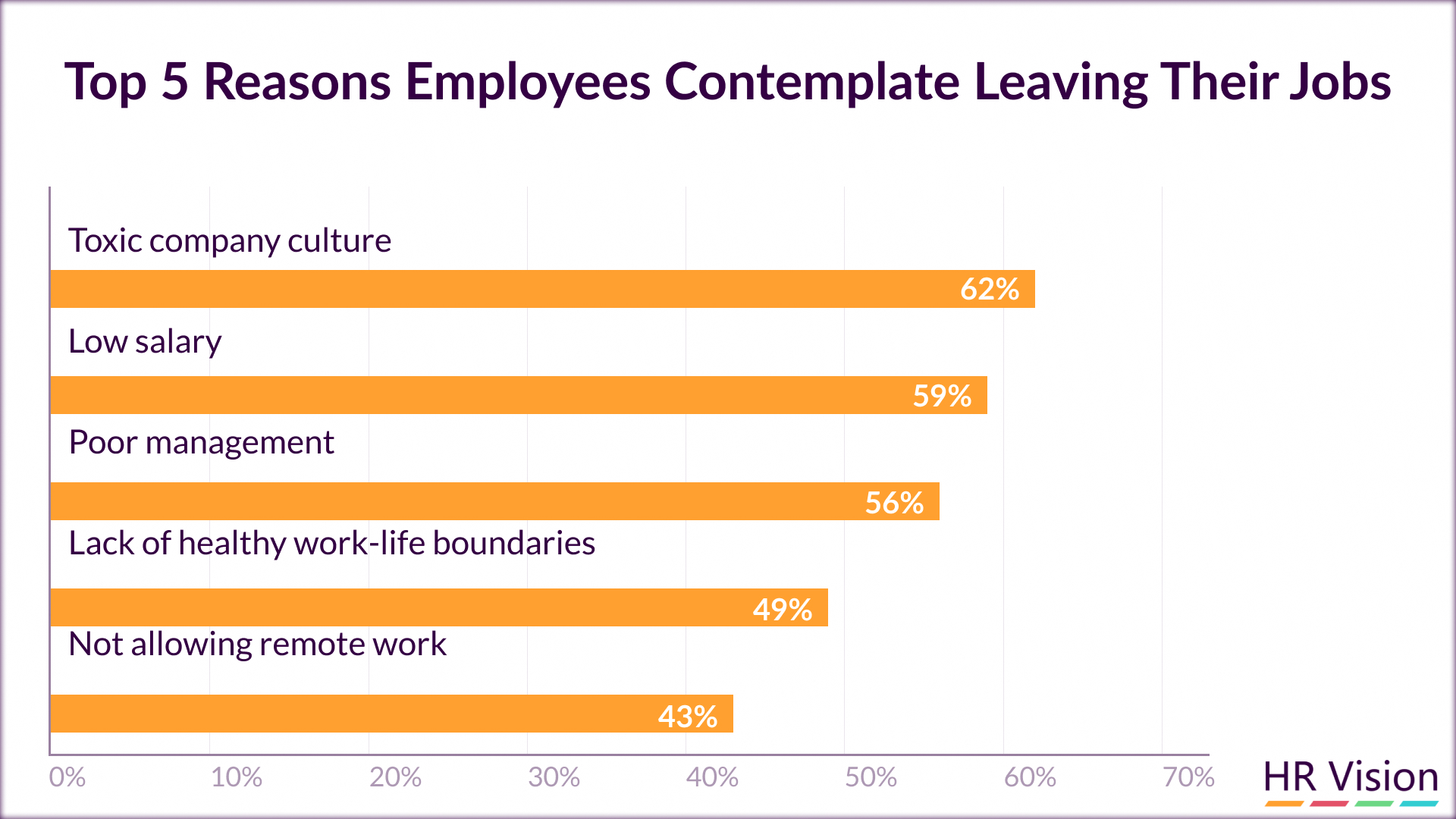
A toxic company culture, characterized by negative interpersonal dynamics or unsupportive environments, can erode employee morale and motivation. Likewise, the demand for remote work options reflects the growing need for flexibility in the modern work environment. As organizations grapple with these pressing concerns, innovative approaches to employee retention become imperative to foster a workplace that aligns with the evolving expectations and preferences of today’s workforce.
Flexibility in Work Arrangements
In response to the evolving dynamics of the contemporary workforce, embracing flexibility in work arrangements has emerged as a key strategy for fostering employee retention. This approach acknowledges the diverse needs and preferences of employees, offering them a sense of autonomy and control over their work environment.
The advent of advanced communication technologies has made remote work a feasible and attractive option for many professionals. Significantly, a recent survey revealed that a staggering 98% of workers expressed the desire to work remotely, at least part of the time. Providing employees with the flexibility to work remotely, either on a full-time or hybrid basis, acknowledges the importance of work-life integration. This not only enhances employee satisfaction but also serves as a powerful tool for attracting and retaining top talent, especially for those who prioritize a more balanced approach to work.
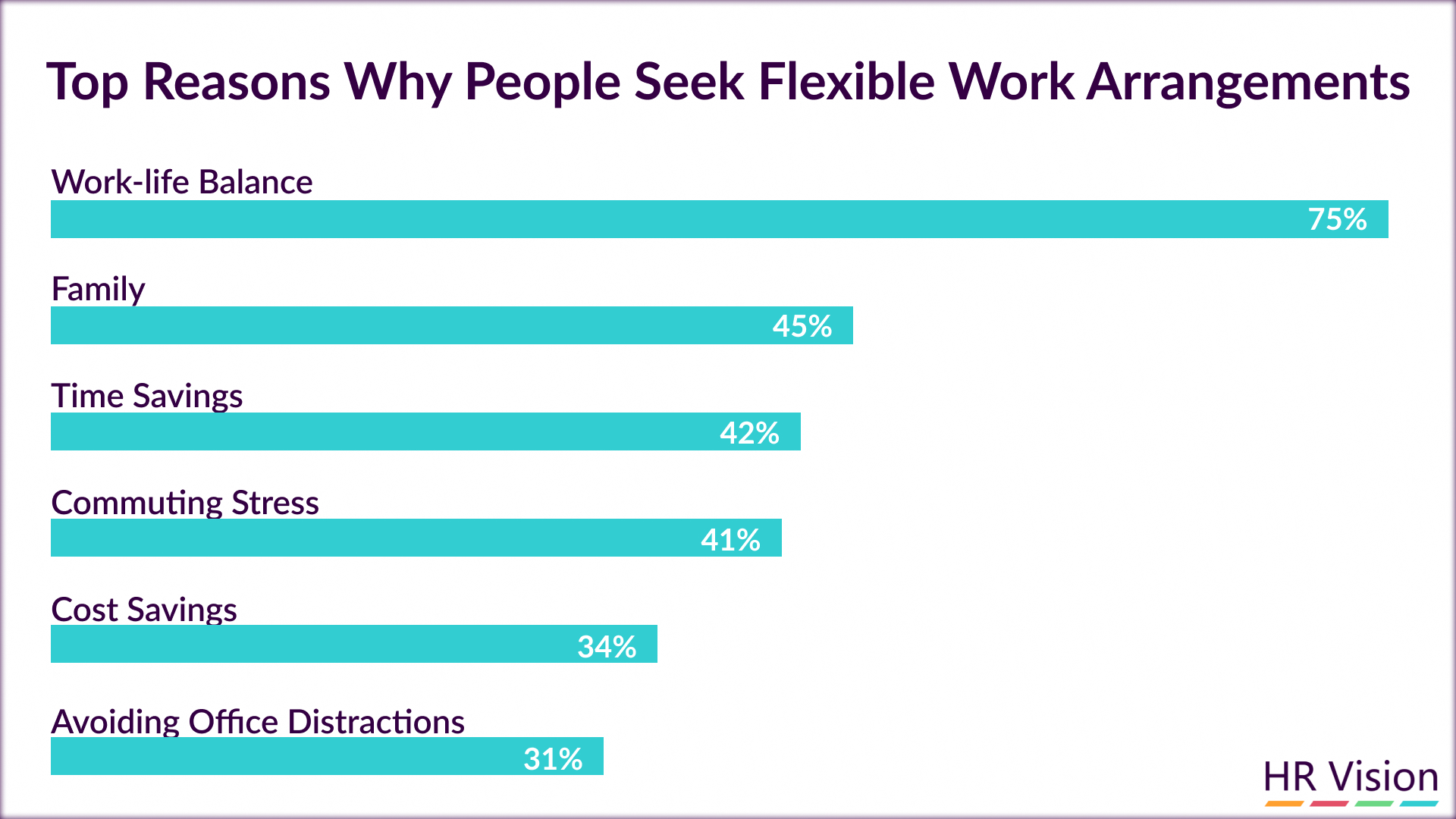
The increasing demand for flexible work options reflects a fundamental shift in the way individuals perceive and prioritize their professional lives. One primary motivator for seeking flexibility is the desire for improved work-life balance. As employees grapple with hectic schedules, long commutes, and the integration of personal responsibilities, the ability to adapt work hours or location becomes essential for maintaining overall well-being. Additionally, the modern workforce places a premium on autonomy and control over their time, seeking to align professional commitments with personal preferences
Employee Wellness Programs
Recognizing the holistic well-being of employees as a cornerstone of retention, innovative organizations are increasingly investing in comprehensive employee wellness programs. These initiatives go beyond traditional health benefits, addressing both mental and physical aspects to create a supportive and thriving work environment.
- Mental Health Initiatives
In acknowledgment of the profound impact of mental health on overall job satisfaction and performance, forward-thinking companies are implementing targeted mental health initiatives. This includes providing access to counseling services, organizing stress management workshops, and promoting a culture that destigmatizes mental health challenges. By fostering an open and supportive atmosphere, organizations not only address the unique needs of their employees but also contribute to a positive and compassionate workplace culture that enhances retention.
- Physical Well-being Programs
Employee wellness extends to physical health, and organizations are increasingly implementing programs that promote a healthy lifestyle. These may include fitness challenges, onsite or virtual exercise classes, and wellness seminars. By encouraging regular physical activity and healthy habits, employers not only contribute to the overall well-being of their workforce but also mitigate the risk of burnout and absenteeism. This proactive approach to physical health underscores a commitment to the long-term vitality of employees and, consequently, the organization.
Personalized Career Development Plans
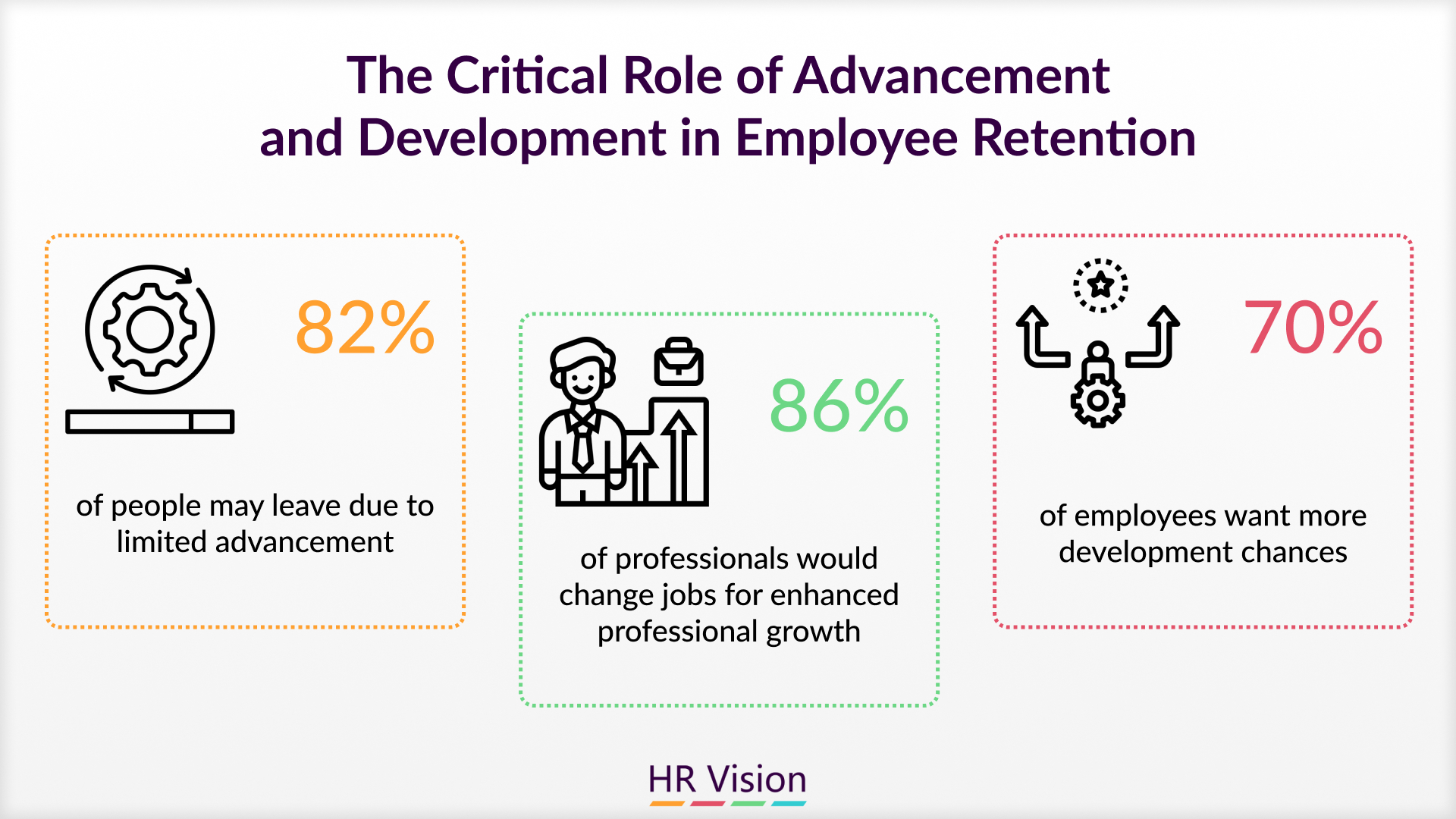
Recognizing the symbiotic relationship between employee growth and organizational success, progressive companies are shifting towards personalized career development plans as a cornerstone of their retention strategy. This approach acknowledges the diverse aspirations and skills of employees, fostering a sense of individualized investment in their professional journey.
Organizations are embracing continuous learning models that align with individual career paths, ensuring that employees stay abreast of industry trends and emerging technologies. This not only enhances the skill set of the workforce but also communicates a commitment to employee growth and adaptability. Offering personalized development opportunities not only boosts job satisfaction but also creates a pathway for career progression within the organization, reducing the likelihood of employees seeking external opportunities for skill advancement.
Beyond traditional training programs, the implementation of individual career coaching is gaining prominence. This involves one-on-one sessions with experienced career coaches who work collaboratively with employees to identify goals, strengths, and areas for improvement. The personalized nature of this coaching enables employees to navigate their career trajectories with greater clarity and purpose.
Recognition and Rewards
While traditional monetary incentives remain relevant, non-monetary recognition programs are gaining prominence as powerful tools for employee retention. These programs focus on acknowledging achievements and contributions through means other than financial rewards. This might include public recognition in team meetings, personalized thank-you notes, or shout-outs on internal communication platforms. Strong employee recognition programs go beyond boosting morale; they also have a tangible impact on retention. Research indicates that organizations with robust recognition initiatives experience a remarkable 31% reduction in turnover rates.
Recognizing that a one-size-fits-all approach to recognition may not resonate with all employees, organizations are tailoring their appreciation initiatives to suit individual preferences. This could involve personalized gifts, flexible time-off arrangements, or opportunities for professional development based on an employee’s unique interests and goals. Customized appreciation initiatives demonstrate a genuine understanding of each employee’s contribution, reinforcing a sense of value and belonging within the organization. In the realm of workforce retention strategies, these personalized approaches play a crucial role, fostering a positive work environment and enhancing the likelihood of retaining valuable talent over the long term.
Inclusive Company Culture
Inclusive cultures are built on diversity, and organizations are proactively implementing programs to ensure diverse representation across all levels. Initiatives such as diverse hiring practices, unbiased recruitment processes, and training programs on cultural competence contribute to building a workforce that reflects a variety of backgrounds, experiences, and perspectives. Beyond recruitment, organizations are also fostering inclusive environments that celebrate diversity and actively work against discrimination, creating a sense of belonging among employees. Workforce retention is a key aspect of these efforts, as an inclusive company culture proves to be a powerful retention tool, fostering a sense of belonging and ensuring that every employee feels heard and respected.
Competitive Wage
A staggering 56% of workers highlight their salary as a top factor prompting them to start exploring alternative job opportunities. This statistic underscores the critical role compensation plays in the overall job satisfaction and retention of employees. Organizations recognizing this aspect are reevaluating their salary structures to ensure they are competitive in the market, aligning with the expectations of their workforce.
Notably, 41% of employees express a willingness to consider job offers from different companies if presented with a modest 5% increase in their salary. This statistic emphasizes the fluid nature of employee loyalty, indicating that even a relatively small adjustment in compensation can significantly influence an employee’s decision to explore alternative employment options. Forward-thinking organizations are leveraging this insight to tailor their compensation strategies, ensuring that they not only attract but also retain their valuable talent pool.
Technology Integration for Engagement
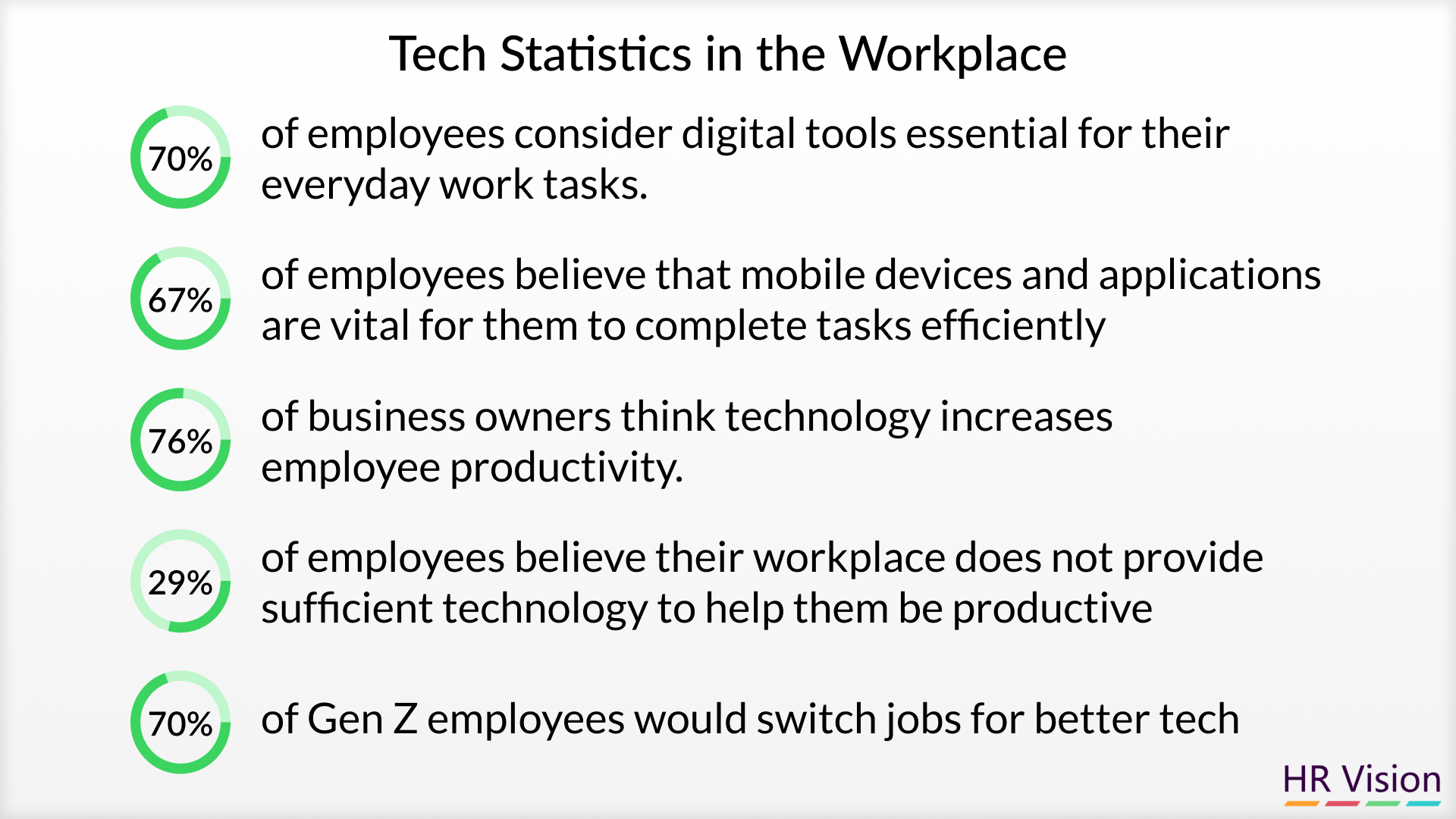
In the era of digital transformation, organizations are leveraging technology not only to streamline processes but also to enhance employee engagement and, consequently, retention. Innovative employee retention strategies in this realm encompass the integration of purpose-built platforms and communication tools that foster a dynamic and connected work environment.
The integration of technology for engagement spans various facets, from communication tools facilitating real-time feedback to sophisticated employee engagement platforms. These platforms serve as central hubs for collaboration, recognition, and knowledge-sharing, providing employees with seamless access to resources and opportunities for connection.
Positive Onboarding
A robust onboarding program significantly influences employee tenure, as evidenced by the statistics revealing that a good onboarding program leads to an impressive 69% of employees staying with the company for at least three years.
Glassdoor’s insights shed light on the substantial role positive onboarding plays in overall retention, indicating that a favorable onboarding and training experience can elevate retention rates by as much as 82%. This statistic underscores the ripple effect of a well-designed onboarding experience, extending far beyond the initial stages of an employee’s tenure to profoundly shape their long-term commitment to the organization.
However, the reality is that a mere 12% of workers feel their companies have done a commendable job with onboarding. This stark contrast between the potential impact of positive onboarding and the current sentiment among employees highlights a significant opportunity for organizations to reassess and innovate their onboarding processes.
Conclusion
It becomes evident that investing in a motivated and engaged workforce is not just a business strategy; it’s a fundamental imperative for sustainable success. Beyond reducing turnover costs, a motivated workforce contributes to a positive workplace culture, innovation, and heightened productivity. Organizations that prioritize employee retention through innovative approaches are not only future-proofing their talent pool but are also cultivating environments where employees thrive, ensuring sustained growth and competitiveness in the dynamic business landscape.
Ready to revolutionize your employee retention strategies? Dive into the innovative world of HR practices at HR Vision. Join us for a transformative discussion on the latest trends in talent management, leadership, and HR technology.