
On average, 4 million Americans quit their jobs each month in 2022, marking a significant shift in workforce behavior. For HR professionals, comprehending the underlying drivers and patterns of employee job changes is a must in the realm of talent management. Understanding why people change jobs provides invaluable insights that enable HR practitioners to preemptively address challenges, tailor effective talent retention strategies, and cultivate an environment conducive to employee satisfaction, and loyalty.
Top Reasons Why Employees Leave
To boost employee retention strategies, it’s important to understand why people look for new opportunities. Employ’s 2022 survey, based on insights from over 1,200 HR decision-makers and recruiters, reveals the top 8 reasons employees leave their current positions:
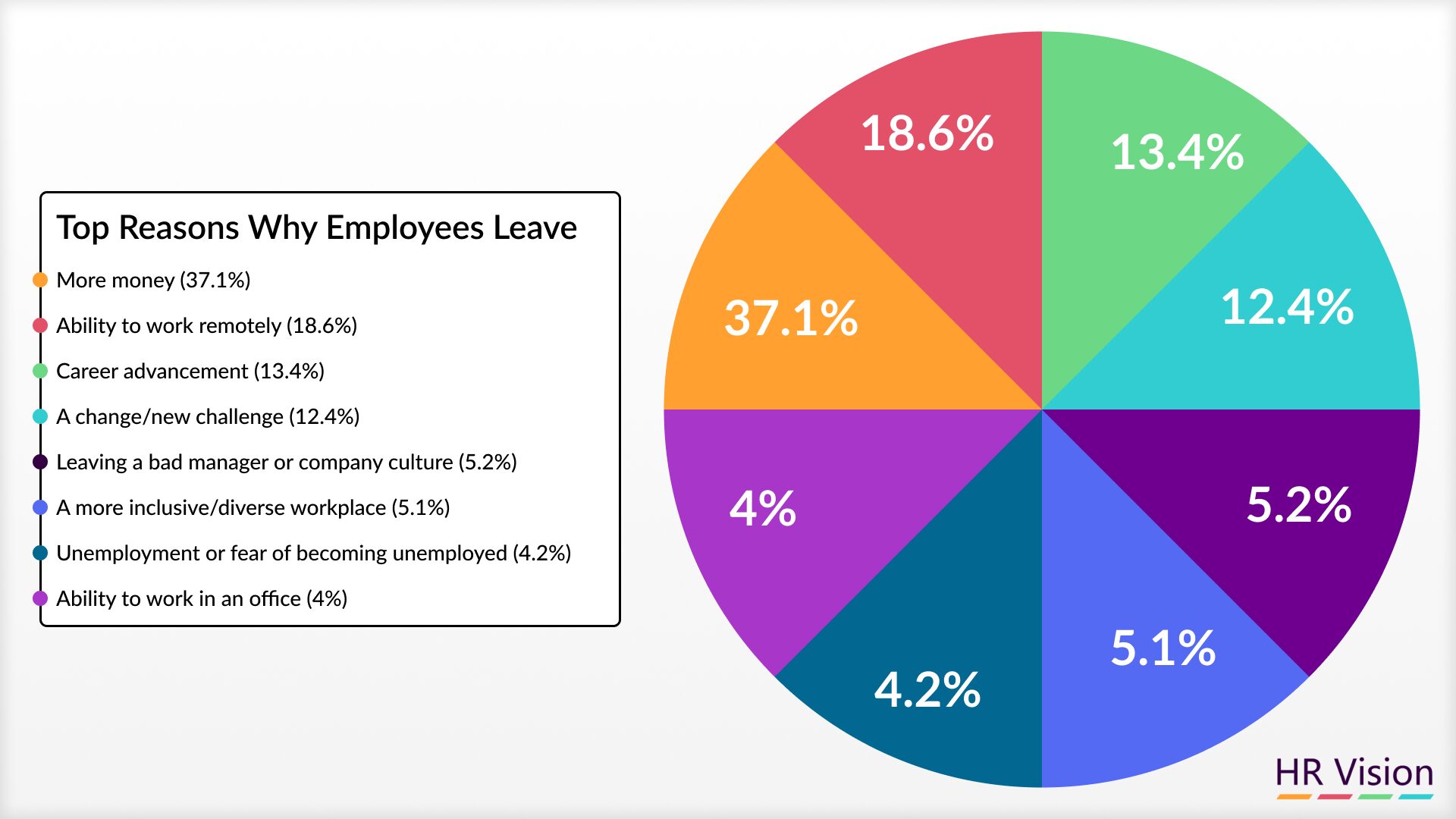
This data reveals that competitive compensation remains a significant driver for employees considering job changes, highlighting the importance of fair and rewarding pay structures. Staying agile and knowledgeable about compensation-based developments is imperative to remain competitive and prosperous in 2024.
Meanwhile, the flexibility to work remotely continues to emerge as one of the most important factors in employees’ decision-making processes, reflecting the increasing emphasis on work-life balance and autonomy.
Opportunities for professional growth and new experiences remain fundamental to employee satisfaction and retention, emphasizing the importance of fostering a dynamic and stimulating work environment. Providing growth opportunities and new experiences can significantly contribute to enhancing employee motivation. While remote work options gain popularity, some employees may still prefer or require office-based work arrangements, emphasizing the need for flexibility and accommodation in workplace policies. Understanding and responding to these dynamics are critical steps in enhancing talent retention strategies and driving organizational success in the evolving work landscape.
The Length and Evolution of Careers
In contemplating the trajectory of a person’s career, it becomes evident that the length and nature of this journey vary significantly based on the industry. Nevertheless, a statistic serves as a universal constant – throughout a lifetime, individuals invest approximately 90,000 hours in their professional pursuits. While staggering in its own right, this statistic gains even more weight when considering that work constitutes around 13 years and two months of most people’s lives.
Embarking on a typical 50-year employment journey, individuals dedicate almost a quarter of a century to the workforce. This substantial investment in time highlights the pivotal role that work plays in shaping an individual’s life. Recognizing the magnitude of this commitment is essential for HR professionals seeking to create an environment that not only nurtures career growth but also prioritizes the well-being and job satisfaction of employees.
In the evolving landscape of modern careers, job changes have become an intrinsic part of the professional narrative. On average, individuals navigate through approximately 12 jobs during their lives, signifying a shift away from the notion of a lifelong commitment to a single profession. Moreover, recent trends indicate a growing inclination toward career changes, with 32% of individuals aged 25 to 44 contemplating a shift in their professional trajectory within the last year. This fluidity is further emphasized by the fact that 29% of individuals have completely changed fields since starting their first job after college.
As HR professionals aim to understand the dynamics of employee job changes and employee motivation, these statistics provide a foundational understanding of the temporal and occupational aspects of the modern career.
Why Do People Change Jobs?
1. A Salary Increase
Competitive compensation remains a significant factor for employees seeking new jobs. Among those who have considered changing their jobs or have already done so, 39% did it for a raise in pay. To stay competitive and successful in 2024, it’s crucial to stay updated on compensation trends. A substantial salary increase serves not only as recognition of an individual’s skills and contributions but also as a tangible indicator of their market value.
Employees are naturally inclined to seek financial rewards commensurate with their expertise, and when such opportunities arise elsewhere, it becomes a compelling reason to consider a change. HR professionals must stay attuned to industry salary trends and regularly review compensation structures to ensure that their organization remains competitive, reducing the likelihood of talented individuals seeking higher remuneration elsewhere.
2. Wanting More Work Flexibility
The demand for work flexibility is a prevalent trend in the modern professional landscape. According to Prudential, 1 in 3 people expresses a preference against working in a company that requires them to be on-site every day. Additionally, a study shows that 18% of all workers and 34% of remote workers in the United States actively seek job opportunities that allow them to work remotely.
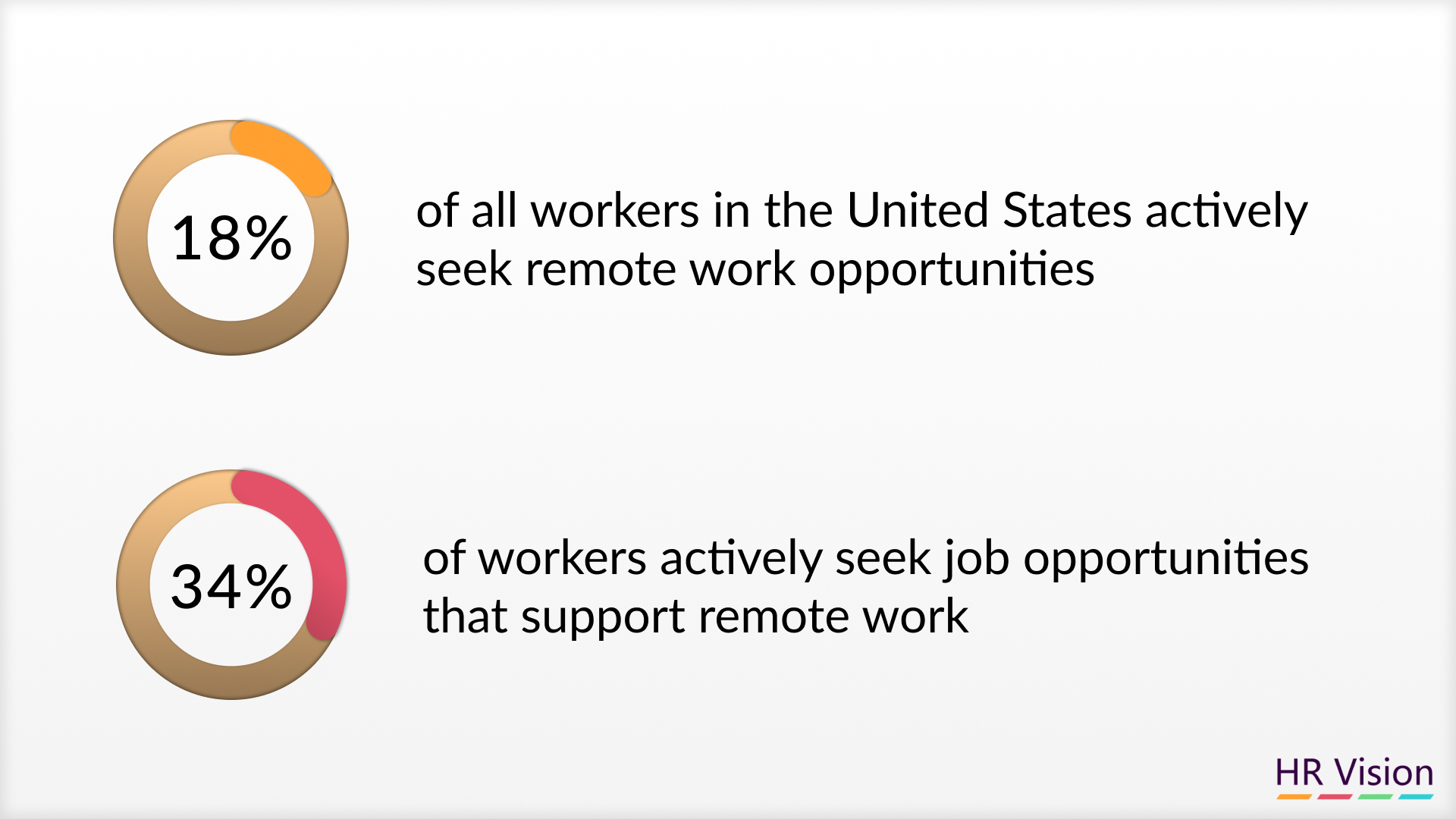
The pursuit of work-life harmony has gained prominence, and employees increasingly value the flexibility to choose their work environment and schedule. Those who desire a departure from traditional office setups may consider job changes that offer remote work options, flexible hours, or compressed workweeks. Organizations that respond to these evolving preferences by implementing flexible work policies not only enhance employee satisfaction but also showcase a commitment to supporting the diverse lifestyles of their workforce.
3. Being Satisfied at Work
In 2022, job satisfaction in the United States hit a record high of 62.3%, the best since the survey started in 1987. This positive trend reflects a combination of factors that contribute to employees’ contentment in their roles.
Job satisfaction involves how happy people are with their jobs, considering things like their roles, responsibilities, and the overall work environment, which are crucial aspects of effective recruitment and retention strategies. If people feel their jobs lack growth opportunities or alignment with their goals, they might think about changing jobs. To keep employees satisfied, HR professionals can create a positive workplace culture, offer chances for skill development, and make sure there are open lines of communication. Regular performance evaluations, mentorship programs, and having supportive leaders all help employees feel fulfilled. This reduces the chances of them looking for new jobs because they’re unhappy with their current ones.
4. Wanting a Better Work-Life Balance
In recent surveys, it has been found that 71% of workers express dissatisfaction with the interference of work in their personal lives, highlighting a growing concern regarding the delicate balance between professional and personal commitments. Furthermore, a staggering 79% report experiencing varying degrees of burnout, underscoring the urgent need for organizations to address the well-being of their employees.
In the quest for a more holistic and fulfilling life, employees are increasingly prioritizing a harmonious balance between their work and personal spheres. Those who perceive an imbalance may actively seek job opportunities that promise a better alignment with their desired work-life equilibrium. This trend emphasizes the evolving expectations of the workforce and the importance of fostering a workplace culture that supports the well-being of its members, ultimately contributing to effective retention strategies.
Recruitment and Retention Strategies
Understanding employee job changes involves integrating strategic recruitment and retention efforts. To build a strong and lasting team, organizations need to attract talent effectively and create an environment that encourages employees to stay for the long haul.
Recruitment Strategies
Holistic Employer Branding: Showcase more than just job roles. Highlight your company culture, values, and success stories to attract candidates who resonate with your organization’s identity.
Strategic Talent Pipelines: Establish ongoing relationships with potential hires through networking events, internships, and collaborations with educational institutions, ensuring a ready pool of qualified candidates.
Inclusive Recruitment Practices: Embrace diversity and inclusivity in your hiring process. Creating an environment where individuals from various backgrounds feel valued broadens your talent pool and enhances your reputation as an employer of choice.
Retention Strategies
- Employee Development Programs: Invest in continuous learning opportunities to not only enhance employee skills but also communicate a commitment to their professional growth. Training, workshops, and mentorship programs contribute to increased job satisfaction and loyalty.
- Flexible Work Arrangements: Offer flexibility in work arrangements, such as remote options or flexible schedules, to support work-life balance. This not only enhances employee well-being but also contributes to higher job satisfaction and retention rates.
- Recognition and Appreciation: Regularly acknowledge and appreciate employee contributions through formal recognition programs, verbal appreciation, or tangible rewards. Recognizing efforts reinforces a positive workplace culture and boosts employee motivation.
Conclusion
The average professional invests a substantial portion of their life in the workforce, navigating through different jobs and seeking fulfillment in various aspects of their professional journey. HR professionals can implement talent retention strategies that address the motivations behind job changes, such as salary considerations, work flexibility, job satisfaction, and work-life balance.
As the workforce continues to evolve, the ability to anticipate and respond to the factors driving job changes becomes not only a strategic advantage but also a fundamental component of retention strategies to drive organizational success and employee satisfaction
Ready to transform your HR practices and excel in talent management to retain top talent? Join us at HR Vision, where top HR leaders gather to explore the future of work, HR trends, and the power of HR analytics and technology.