

In today’s world, businesses are increasingly expected to operate responsibly across environmental, social, and economic spheres. This concept, known as sustainable business practices, encompasses a wide range of actions that minimize a company’s negative impact on the environment, contribute positively to society, and ensure financial viability for the long term. Sustainability is no longer a fringe concern.
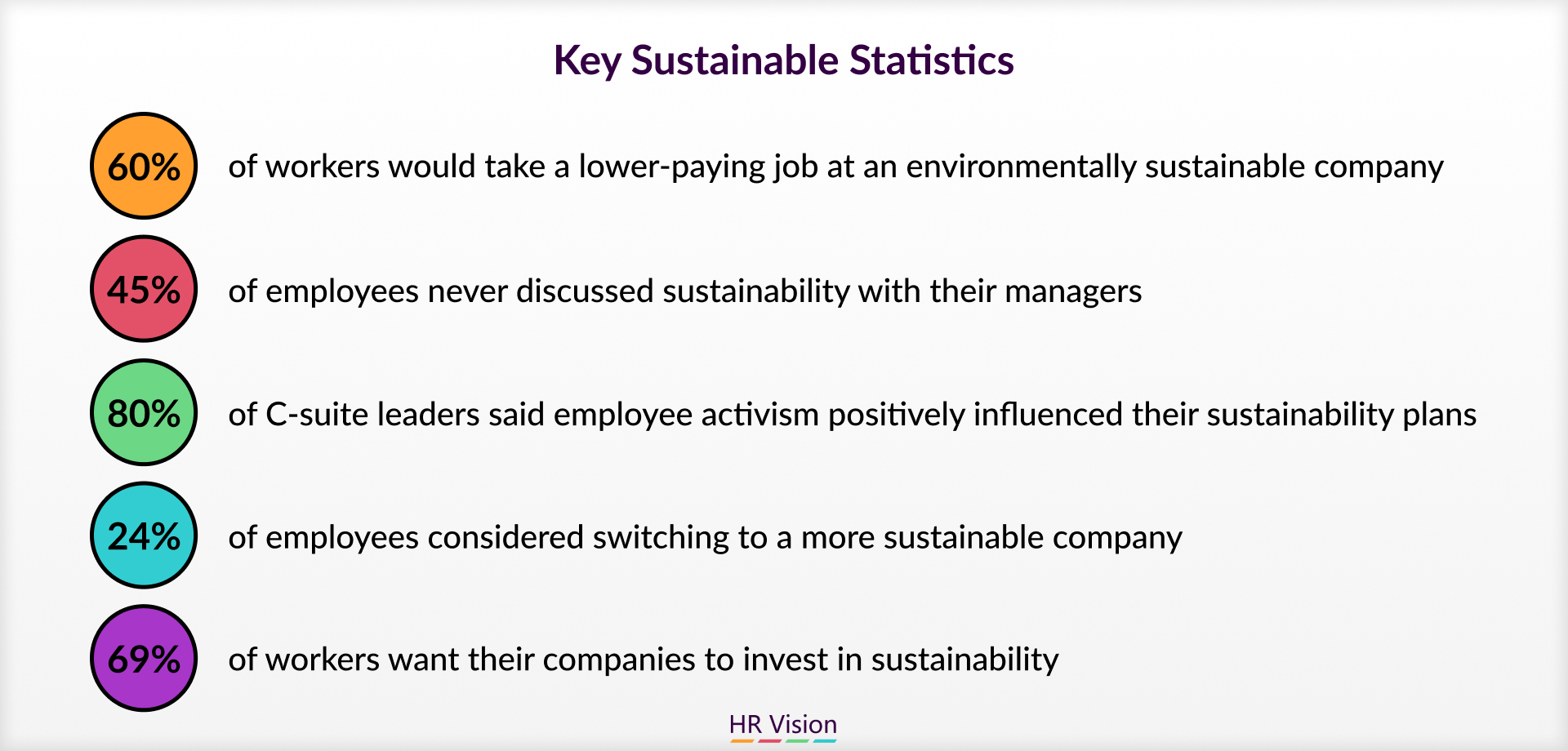
Consumers are making purchasing decisions based on a company’s environmental and social practices. Investors are seeking out businesses that demonstrate strong ESG (environmental, social, and governance) performance. As the statistics highlight, nearly two-thirds of workers (67%) expect their employers to consider sustainability when selecting vendors, indicating a growing internal demand for responsible business practices.
Why Is Sustainability Important in Business?
While environmental and social responsibility are core aspects of sustainability, it’s important to recognize the significant business benefits associated with these practices.
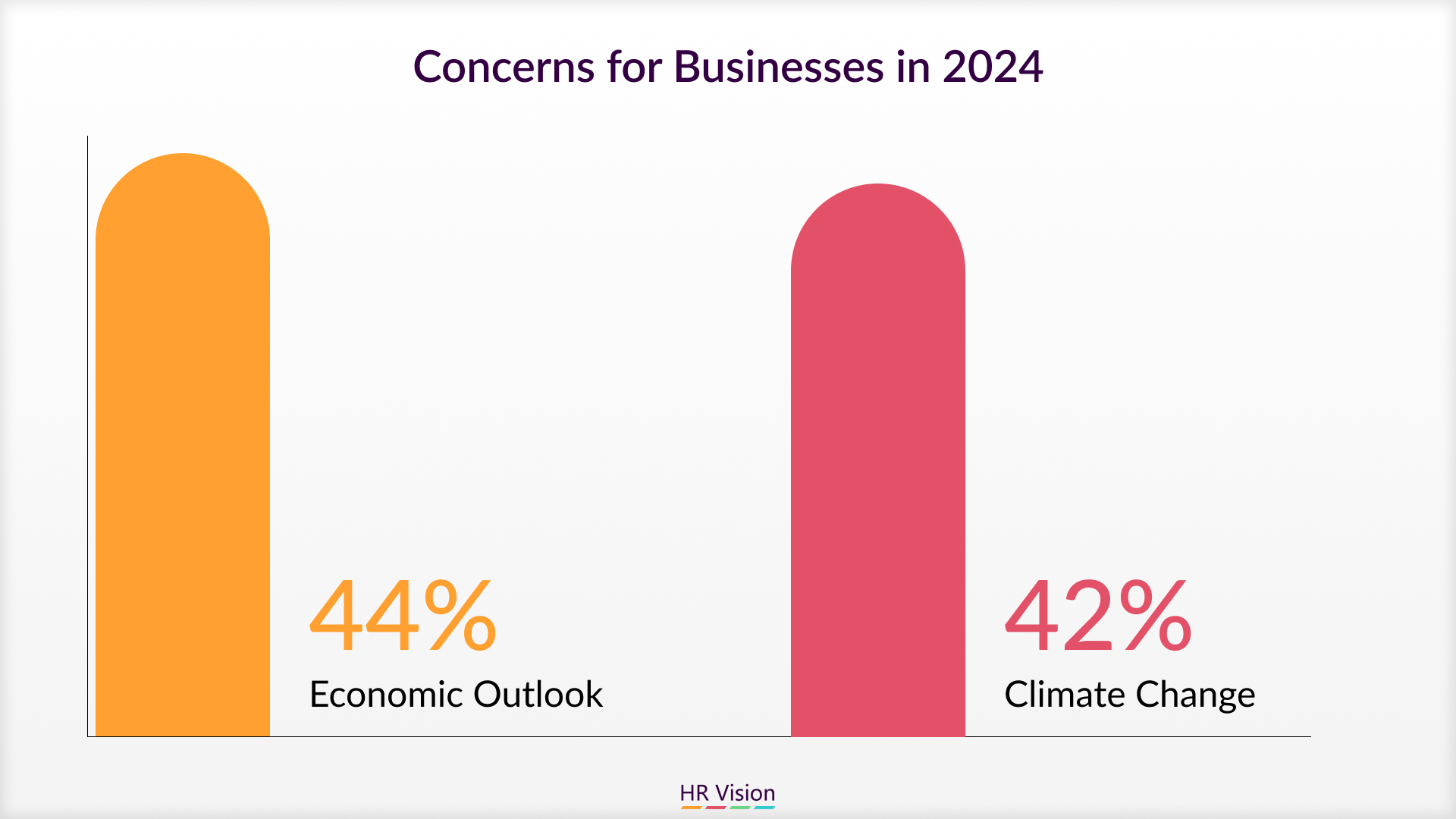
- Future-proofing Operations: The reality of climate change is forcing businesses to adapt. Nearly two-thirds (61%) of business leaders anticipate a significant impact of climate change on their operations within the next three years. Sustainability practices can help businesses mitigate risks, improve resource efficiency, and prepare for a changing world.
- Enhanced Financial Performance: The link between sustainability and financial success is becoming increasingly evident. According to a 2022 survey, 45% of CEOs believe ESG programs contribute to improved financial performance, up from 37% in the previous year. Furthermore, a McKinsey study found that companies integrating ESG considerations into their growth strategies were twice as likely to achieve a 10% revenue increase. These findings suggest that sustainable practices can contribute to a company’s bottom line.
- Attract and Retain Top Talent: Today’s workforce prioritizes working for companies that align with their values. As we saw earlier, 70% of workers are more likely to accept a job at a sustainable organization. By fostering a culture of sustainability, HR can attract and retain top talent who are passionate about making a positive impact.
Investing in sustainability is no longer a choice, but a strategic necessity for businesses that want to thrive in the years to come.
HR Practices for Sustainability
Building a Sustainable Workforce
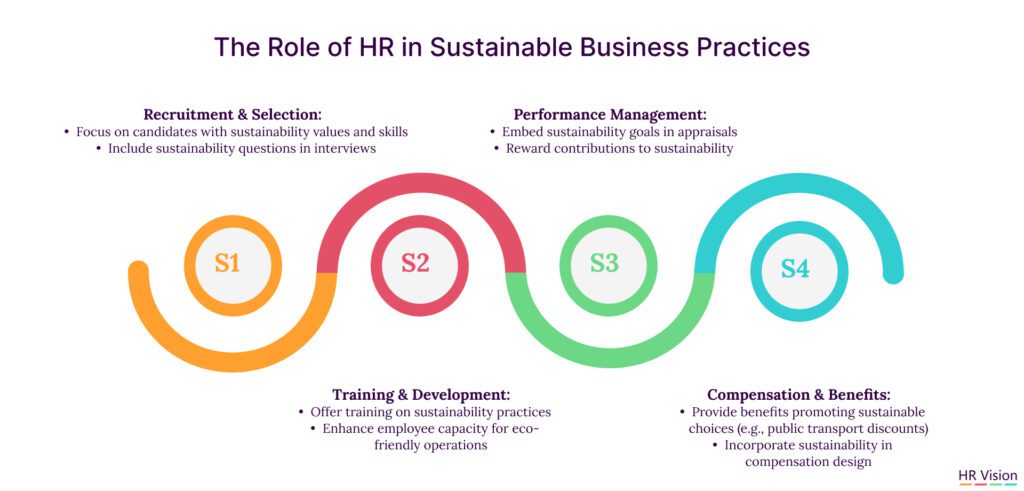
The foundation for a sustainable organization starts with its people. Attracting candidates who share the company’s commitment to sustainability is crucial for building a sustainable workforce.
Job postings and recruitment materials should showcase the company’s sustainability initiatives and achievements. This attracts talent who prioritizes these values. Integrate sustainability skills and experience into job descriptions and candidate assessments. This ensures you’re recruiting individuals who can contribute to the company’s sustainability goals. For example, the role might require knowledge of sustainable supply chain management or experience with energy-efficient building practices.
During the interview process, incorporate questions that assess a candidate’s understanding of sustainability and their alignment with the company’s values. Ask about their previous experience with sustainability initiatives, their personal commitment to environmental and social responsibility, and how they see themselves contributing to the company’s sustainability goals. Remember, 70% of workers are more likely to accept a job at a sustainable organization, even with a lower salary. Highlighting your sustainability efforts during interviews can be a powerful tool.
Empowering Employees for Sustainability
Attracting the right talent is just the first step. HR can further empower employees to contribute to the company’s sustainability goals through effective training and development programs:
Develop and deliver training programs that educate employees about the company’s sustainability goals, provide practical skills for eco-friendly operations, and empower them to make responsible decisions in their daily work. These programs can cover areas like energy conservation, waste reduction, sustainable commuting, and responsible sourcing practices.
Invest in training that equips employees with the skills and knowledge needed to contribute to specific sustainability initiatives. For example, this could involve training on green building practices for facilities management teams or training on sustainable sourcing practices for procurement personnel.
Create a culture of continuous learning by offering ongoing resources and opportunities for employees to stay up-to-date on sustainability best practices. This could include webinars, online courses, knowledge-sharing platforms, and access to sustainability experts.
Aligning Performance with Sustainability Goals
Effective performance management is crucial for integrating sustainability into everyday operations.
Embed sustainability objectives into performance appraisals for all relevant employees. This could involve setting targets for reduced energy consumption, waste minimization, or increased use of sustainable materials. By linking individual goals to the company’s broader sustainability strategy, HR can ensure that everyone is working towards the same objectives.
Recognize and reward employees who demonstrate a commitment to sustainability. This could include public recognition, bonus structures with sustainability metrics, or participation opportunities in sustainability-focused projects. Interestingly, a recent study found that a significant 37% of companies have tied the compensation of senior leaders to their performance in achieving environmental sustainability goals. This highlights the growing trend of integrating sustainability into performance management at all levels.
Aligning Rewards with Values
Compensation and benefits can also be powerful tools for promoting sustainable behavior among employees. Design and offer benefits that incentivize employees to make eco-friendly choices. This could include
- Public transport discounts or subsidies for bicycle commuting.
- On-site charging stations for electric vehicles.
- Partnerships with carpooling apps to encourage ride-sharing.
- Discounts on eco-friendly products and services.
Offering these benefits, HR demonstrates the company’s commitment to sustainability and empowers employees to contribute to a greener future, aligning with the 78% of individuals who value environmental sustainability.
While still evolving, some companies are exploring ways to integrate sustainability factors into compensation packages. This could involve bonus structures tied to achieving specific sustainability goals, or higher salaries for positions critical to sustainability initiatives.
Conclusion
The winds of change are undeniable. Consumers are demanding responsible practices, investors are seeking environmentally and socially conscious companies, and the very fabric of our world demands a sustainable approach. In this evolving landscape, the role of HR transcends traditional talent management.
A strong sustainability profile can be a game-changer in today’s talent market. It attracts and retains top talent who prioritize working for environmentally and socially responsible companies, enhancing employer branding and fostering a competitive edge. Moreover, sustainable practices often lead to cost savings in the long run, improving the organization’s bottom line. Beyond these tangible benefits, a culture of sustainability fosters innovation, efficiency, and most importantly, employee engagement.
Ready to take the next -step in building a sustainable future through HR practices? Join us at HR Vision for two days of thought-provoking discussions with top HR leaders.


