

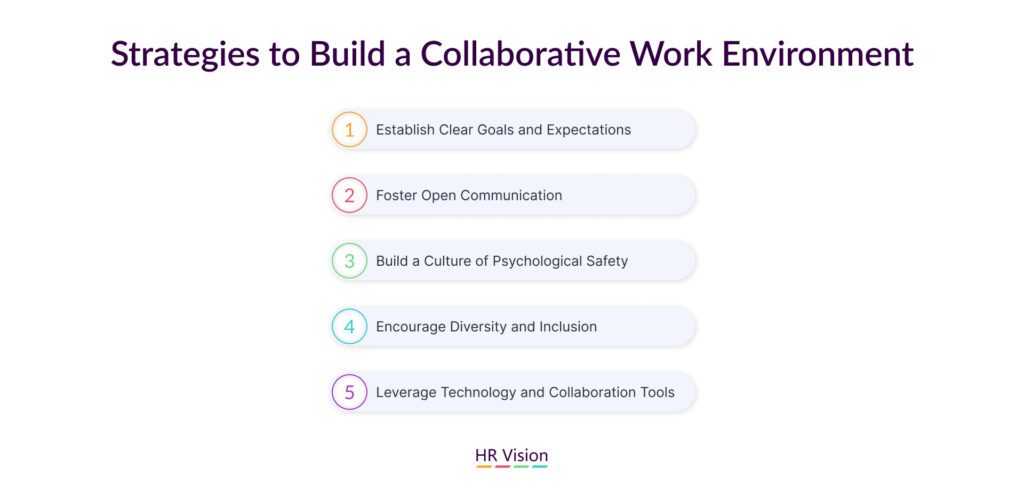
Creating a collaborative work environment is more important than ever. In this environment, employees work together to achieve common goals, sharing their skills, ideas, and expertise. It’s about encouraging teamwork and helping everyone contribute to the organization’s success.
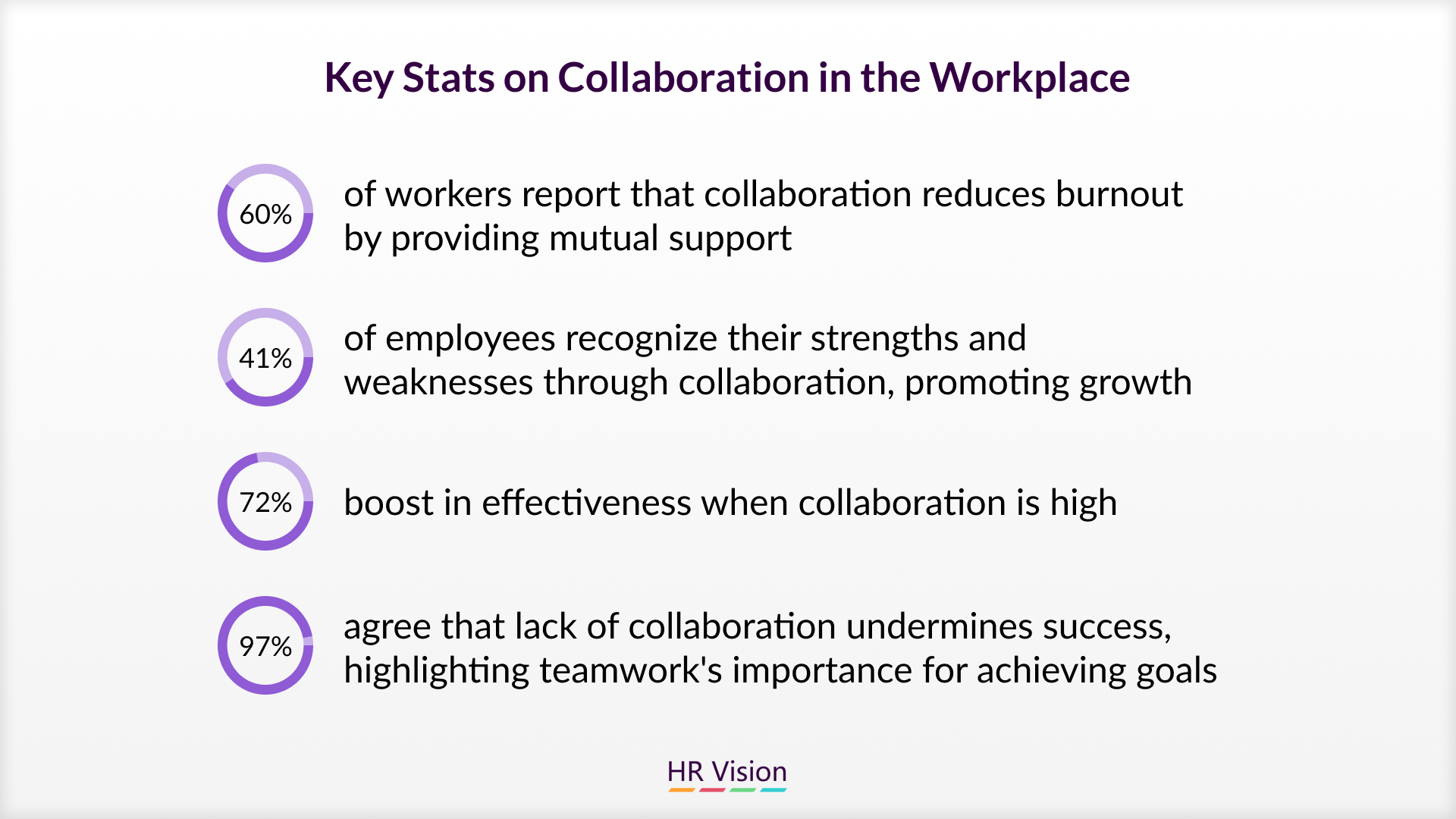
Collaboration is crucial for modern businesses. As companies face new challenges, from technological changes to global competition, effective collaboration can make a big difference. Research shows that office workers spend, on average, 42% of their time collaborating with others, which shows just how important collaboration is to getting work done.
Understand the Current Collaboration Landscape
Before implementing strategies to improve collaboration, it’s important to first understand the current state of collaboration within your organization. Knowing where you stand helps identify areas that need improvement and ensures that your efforts are focused in the right direction.
Start by evaluating how well your teams are currently working together. This can be done by observing team dynamics, checking how information flows between departments, and identifying any barriers to effective collaboration. Pay attention to whether employees feel supported in sharing ideas, if communication is clear, and if teams are achieving their goals together.
Tools and Techniques to Identify Gaps
To get a clearer picture, use tools like surveys and feedback loops. For example, employee surveys can help gather insights about how people feel about collaboration within the company—whether they feel it’s easy or difficult to work together. Feedback loops, such as regular one-on-one meetings or team discussions, allow you to gather real-time input from employees and address any concerns as they arise.
You can also look at collaboration tools being used in the organization (like email, messaging apps, or project management software) to see if they are helping or hindering teamwork. Identifying any gaps or inefficiencies in these tools can help you choose the best solutions to improve collaboration.
- Establish Clear Goals and Expectations
One of the foundations of a collaborative work environment is having clear goals and expectations. When everyone understands what they are working towards and how their efforts contribute to the bigger picture, teamwork becomes more effective and focused.
Clear objectives provide direction and purpose for teams. When employees know the organization’s goals and how their work supports them, it fosters alignment and teamwork.
Clearly defining roles and responsibilities is essential for minimizing confusion and overlap. When everyone knows their role in a project, they can focus on their specific tasks and avoid stepping on each other’s toes. This clarity also reduces the chances of important tasks being missed or duplicated. Assigning roles based on individual strengths ensures that everyone contributes effectively to the team’s success.
Encourage open communication when defining roles so team members understand how their work fits into the overall project. This transparency helps build trust and accountability within the team.
Use SMART Goals to Align Individual Contributions
SMART goals—Specific, Measurable, Achievable, Relevant, and Time-bound—are an excellent way to align individual contributions with organizational objectives.
- • Specific: Clearly define what needs to be achieved.
- • Measurable: Set criteria to track progress and success.
- • Achievable: Ensure the goal is realistic based on available resources.
- • Relevant: Align the goal with broader organizational priorities.
- • Time-bound: Set deadlines to keep teams focused and on track.
For example, instead of a vague goal like “Improve team communication,” a SMART goal would be: “Implement a new team communication platform by the end of Q2 and train all team members to use it effectively.” This approach makes goals actionable and ensures that every team member understands their role in achieving them.
- Foster Open Communication
Open communication is the backbone of a collaborative work environment. When employees feel comfortable sharing ideas, providing feedback, and asking questions, it builds trust and strengthens teamwork. Encouraging transparent communication ensures that everyone is on the same page and working towards common goals.
Promote regular check-ins, whether through team meetings or one-on-one conversations, to give employees opportunities to voice concerns and share updates. Recognizing and appreciating contributions also fosters trust and motivates employees to engage more openly.
Active listening is a vital skill for fostering open communication. It involves giving full attention to the speaker, asking clarifying questions, and summarizing their points to ensure understanding. This practice shows respect for others’ opinions and helps avoid misunderstandings.
To make discussions more inclusive:
- • Encourage quieter team members to share their perspectives.
- • Use “round-robin” discussions in meetings to give everyone a chance to speak.
- • Avoid interrupting or dismissing ideas, even if they differ from the majority view.
Inclusive communication ensures that diverse ideas and perspectives are heard, leading to more innovative and well-rounded solutions.
- Build a Culture of Psychological Safety
Psychological safety is a key ingredient for fostering collaboration. It refers to an environment where employees feel safe to speak up, share ideas, and take risks without fear of criticism or punishment. In a psychologically safe workplace, people are more likely to contribute, innovate, and support one another, which are essential for effective teamwork.
When employees feel psychologically safe, they are more likely to engage in open and honest communication. They are also more willing to experiment with new ideas, admit mistakes, and learn from failures. This creates an environment where creativity and problem-solving can thrive.
Creating psychological safety starts with leadership. Managers and team leaders must model supportive behaviors, such as actively listening to employees, showing empathy, and valuing diverse perspectives.
To encourage risk-taking and idea-sharing:
- • Celebrate Effort Over Perfection: Focus on recognizing the effort behind ideas and contributions, even if they don’t lead to immediate success.
- • Reframe Failures as Learning Opportunities: When things don’t go as planned, discuss what went wrong constructively and highlight lessons learned.
- • Acknowledge All Contributions: Show appreciation for employees who share their thoughts, even if those ideas are not used.
- • Set Norms for Respectful Dialogue: Establish team norms that encourage constructive feedback and discourage negative criticism or personal attacks.
A culture of psychological safety not only strengthens collaboration but also boosts employee morale, engagement, and retention. It allows teams to tackle challenges creatively, embrace diverse ideas, and work together more effectively.
- Encourage Diversity and Inclusion
Diversity and inclusion are essential for building a collaborative work environment that thrives on creativity and innovation. When teams are made up of individuals with different backgrounds, perspectives, and experiences, they bring a broader range of ideas and solutions to the table. However, simply having a diverse team is not enough—organizations must also ensure that every team member feels valued and included.
Diverse teams are better equipped to approach challenges from multiple angles, leading to more creative and effective solutions. Research shows that organizations with greater diversity often outperform their peers, as they benefit from unique viewpoints and experiences. Diversity helps teams avoid groupthink and encourages fresh ideas, which are critical for innovation and problem-solving.
For example, a team with members from different cultural backgrounds might approach a marketing campaign with varied insights into how it will resonate with global audiences. These differing perspectives can help create more inclusive and successful outcomes.
- Leverage Technology and Collaboration Tools
Collaborative tools like Slack, Microsoft Teams, and Zoom can make communication more seamless, especially in hybrid or remote work environments. These platforms allow teams to share updates in real-time, host virtual meetings, and organize projects more efficiently.
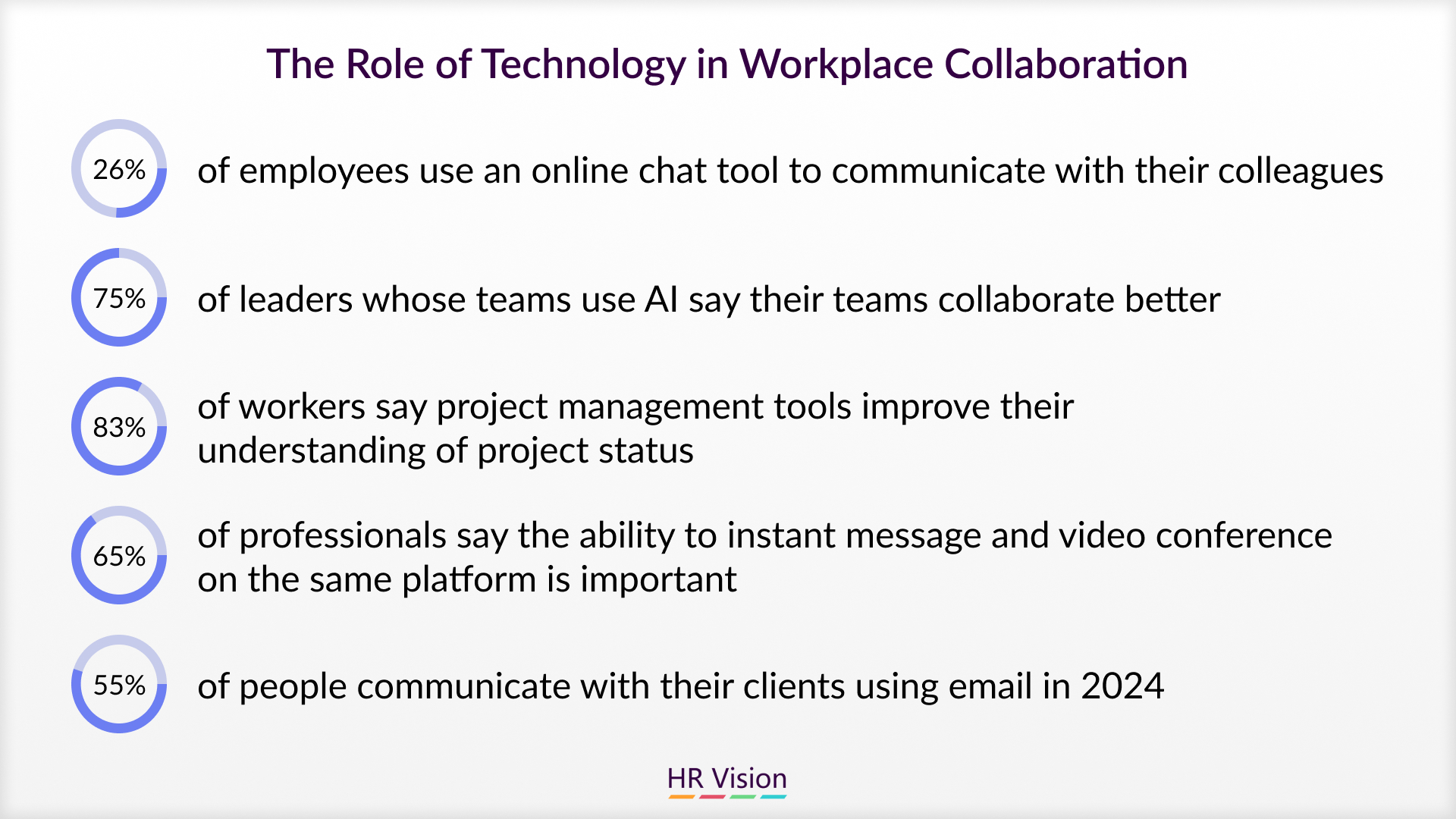
There is a wide range of tools available to help teams collaborate efficiently:
- • Project Management Software: Platforms like Asana, Trello, and Monday.com allow teams to organize tasks, track progress, and manage deadlines in one centralized location. These tools provide transparency, so everyone knows who is responsible for what.
- • Cloud-Based Platforms: Services like Google Workspace and Microsoft 365 enable teams to create, edit, and share documents in real-time, regardless of their physical location.
- • Communication Tools: Apps like Slack and Microsoft Teams facilitate instant messaging, video conferencing, and file sharing, making it easy for teams to stay connected.
- • Specialized Collaboration Tools: Tools like Miro and Figma are designed for brainstorming and creative work, enabling teams to collaborate visually in real time.
Choosing the right tools depends on the organization’s needs, but they should be user-friendly, scalable, and capable of integrating with existing systems
Conclusion
Building a collaborative work environment is key to long-term organizational success. This article highlighted essential strategies: assessing the current collaboration landscape, setting clear goals, fostering open communication, creating psychological safety, promoting diversity and inclusion, and leveraging technology.
A collaborative environment boosts innovation, employee satisfaction, and productivity. When teams work well together, they can creatively solve problems and achieve great results.
Leaders and HR professionals should take action now by implementing these strategies. Prioritizing collaboration will help create a thriving workplace and drive sustainable growth.
Ready to stay ahead in the ever-changing world of HR? Join us at HR Vision, where top HR leaders gather to explore the future of work, HR trends, and the power of HR analytics and technology.


