Understanding Employee Motivation
The Impact of Motivated Personnel on an Organization
Why Employee Motivation Matters
Team Building: Fostering Camaraderie and Engagement
Workshops: Skill Enhancement and Personal Growth
Leadership Courses: Empowering Employees for Growth
Events and Conferences: A Source of Inspiration
HR Vision Events: Navigating the Future of Work
Understanding Employee Motivation
Employee motivation is a fundamental concept in the realm of human resources and organizational management. It’s all about what makes employees eager to do their job well.
Employee motivation simply means the things that make employees want to work hard and do their best. It’s what pushes them to be enthusiastic and productive at work. Different people are motivated by different things, like personal goals, money, a sense of purpose, or being appreciated. It’s essential for managers to understand what motivates each employee because one size doesn’t fit all.
The Impact of Motivated Personnel on an Organization
When employees are motivated, it benefits the whole organization:
- More Work Gets Done. Motivated employees work harder and smarter, which means more work is completed.
- Happier Workers. Motivated employees are usually happier in their jobs, which lowers employee turnover and saves the company money on hiring and training.
- More Innovation. Motivated people often come up with new and better ways to do things, which helps the company grow.
- Better Teamwork. Motivated employees can inspire their coworkers, making the whole team work better together.
- Happy Customers. Motivated employees are more likely to provide excellent service to customers, leading to happier customers who keep coming back.
Why Employee Motivation Matters
Employee motivation is super important in today’s business world. It’s like the secret sauce that makes companies successful. When employees are motivated, they work better, come up with great ideas, and stick around. But it’s bad news for the company when they’re not motivated. They become less productive, might quit, and can make the workplace feel gloomy.
To keep employees motivated, companies use various tools and strategies. These tools include team building activities, workshops, seminars, leadership courses, conferences, and events. They’re tools that help make employees happier and better at their jobs.
- Team building makes coworkers get along better, talk more, and feel like they’re part of a team.
- Workshops and seminars provide employees with opportunities to acquire new skills, expand their knowledge, and stay updated with industry trends.
- Leadership courses equip employees with the knowledge and skills to lead teams effectively.
- Events and conferences provide a unique platform for employees to network, learn from industry experts, and gain fresh perspectives.
Team Building: Fostering Camaraderie and Engagement

Team building is the process of strengthening bonds between members of a group for the purpose of more efficiently achieving the group’s goals. It involves a wide range of activities, strategies, and interventions aimed at improving communication, trust, collaboration, and overall team dynamics. The ultimate objective of team building is to create a positive work environment where team members feel valued, motivated, and engaged in their tasks.
Team building activities can take many forms, from simple icebreakers and trust-building exercises to more elaborate off-site retreats and workshops. The choice of activities depends on the specific goals and needs of the team.
Types of Team-Building Activities
- Icebreakers and Energizers. These are short activities designed to break the ice and create a comfortable atmosphere within the team. Examples include two truths and a lie, name games, or quick physical activities to boost energy levels.
- Trust-Building Exercises. Trust is the foundation of any strong team. Trust-building activities, such as the trust fall or blindfolded partner tasks, help team members build confidence in each other.
- Problem-Solving Challenges. Activities that require teamwork and problem-solving skills, like escape room games or complex puzzles, encourage collaboration and critical thinking.
- Outdoor Adventure Activities. Activities like ropes courses, hiking, or camping can build resilience, improve communication, and promote teamwork in a fun and challenging environment.
- Workshops and Training. Professional development workshops focusing on topics like communication, conflict resolution, and leadership can provide valuable skills for team members to apply in their work.
- Team-Building Retreats. Taking the team away from the office environment for a day or more can foster deeper connections and allow for more intensive team-building exercises.
The Benefits of Team Building
Effective team building fosters improved communication, trust, motivation, conflict resolution skills, collaboration, higher employee satisfaction, and the formation of high-performing teams, benefiting both individuals and the organization.
For example, Google is renowned for its innovative workplace culture, and team building plays a pivotal role in this. They offer employees a variety of activities, from team lunches to fitness classes, to foster connections. Google’s emphasis on collaboration and creativity has been a key driver of its success.
Workshops: Skill Enhancement and Personal Growth

Workshops are educational sessions designed to facilitate active learning, skill development, and personal growth in a focused and participatory manner. Unlike traditional lectures or seminars, workshops encourage participants to engage actively through discussions, group activities, and practical exercises. They provide a structured and interactive learning environment that fosters hands-on experience, group collaboration, and self-discovery.
Topics and Subjects for Workshops
The diversity of workshop topics and subjects is vast, catering to a wide range of interests and needs. Some common workshop themes include:
- Professional Development. Workshops on leadership, time management, project management, and communication skills can enhance career prospects and job performance.
- Creativity and Innovation. These workshops stimulate creative thinking, problem-solving, and idea generation. They are valuable for professionals in creative fields and those seeking to foster innovation in their organizations.
- Wellness and Mindfulness. Workshops focusing on stress management, mindfulness, meditation, and emotional intelligence promote mental and emotional well-being.
- Financial Literacy. Financial workshops cover budgeting, investing, retirement planning, and financial independence, empowering participants to make informed financial decisions.
- Entrepreneurship. Aspiring entrepreneurs can benefit from workshops on business planning, marketing, and entrepreneurial mindset development.
- Arts and Crafts. Creative workshops like painting, pottery, and writing help individuals express themselves artistically and relieve stress.
- Language and Communication. Workshops on public speaking, writing, and language acquisition improve communication skills, essential in both personal and professional life.
The importance of workshops in skill enhancement and personal growth cannot be overstated, as they provide hands-on learning, foster collaborative learning, offer customized learning experiences, and promote personal growth and self-awareness.
Leadership Courses: Empowering Employees for Growth

Leaders are the backbone of any organization, driving innovation, motivating teams, and steering the ship toward success. To empower employees and foster growth, many organizations are turning to leadership courses and development programs.
Leadership courses play an important role in shaping the future of organizations. They are designed to equip individuals at various levels of management with the skills, knowledge, and mindset required to lead effectively. These courses cover a wide range of topics, including communication, conflict resolution, decision-making, strategic thinking, and emotional intelligence. The aim is to enhance leadership competencies and help leaders adapt to changing business environments.
The Benefits of Leadership Courses
- Skill Enhancement. Leadership courses provide participants with practical skills that can be immediately applied in their roles. These skills include effective communication, time management, and problem-solving.
- Leadership Mindset. They help individuals develop a leadership mindset, encouraging them to think strategically, inspire others, and take initiative.
- Adaptation to Change. Leadership courses prepare leaders to adapt to the ever-evolving business landscape by fostering agility and resilience.
- Team Building. They emphasize the importance of team dynamics, collaboration, and building a positive organizational culture.
Leadership Development Programs
Leadership development programs are comprehensive initiatives aimed at nurturing leadership talent within an organization. These programs often involve a combination of leadership courses, mentoring, on-the-job training, and feedback mechanisms. They are not limited to top-level executives; instead, they target leaders at all levels, from front-line supervisors to middle managers and beyond.
For instance, Apple’s internal leadership development program, known as the Apple Leadership University, has been instrumental in shaping the company’s success. Tim Cook, the CEO, is a notable example of a leader who started at Apple in a lower-level position and worked his way up through leadership development programs.
Events and Conferences: A Source of Inspiration
One of the most effective ways to gain new insights, expand your horizons, and connect with like-minded individuals is by attending events and conferences. These gatherings offer a wealth of knowledge and opportunities for networking that can be a source of inspiration and motivation in both your personal and professional life. Organizations that encourage their employees to attend conferences understand the positive impact it can have on their workforce.
The Benefits of Events and Conferences
Events and conferences are more than just gatherings of people with shared interests; they are hubs of inspiration and learning. Here’s why they matter:
- Knowledge Sharing. Conferences bring together experts, thought leaders, and innovators in various fields. Attendees have the chance to learn from these individuals through keynote speeches, workshops, and panel discussions. The exchange of knowledge and ideas can lead to valuable insights that can be applied in different aspects of life.
- Networking Opportunities. These gatherings provide a unique platform to meet people from diverse backgrounds who share similar interests or challenges. Networking can lead to collaborations, partnerships, and friendships that can be incredibly enriching.
- Fresh Perspectives. Events and conferences often challenge conventional thinking and present fresh perspectives on complex issues. They can introduce you to new ideas, technologies, and trends that you might not have encountered otherwise.
- Motivation and Inspiration. Hearing success stories and personal journeys of accomplished individuals can be highly motivating. It can reignite your passion and drive to pursue your goals, both personally and professionally.
HR Vision Events: Navigating the Future of Work
One event that will be a wellspring of inspiration for HR professionals is HR Vision Events. In a world where the nature of work is rapidly evolving, HR Vision Events aims to provide HR leaders with the knowledge and tools needed to navigate this transformative landscape.
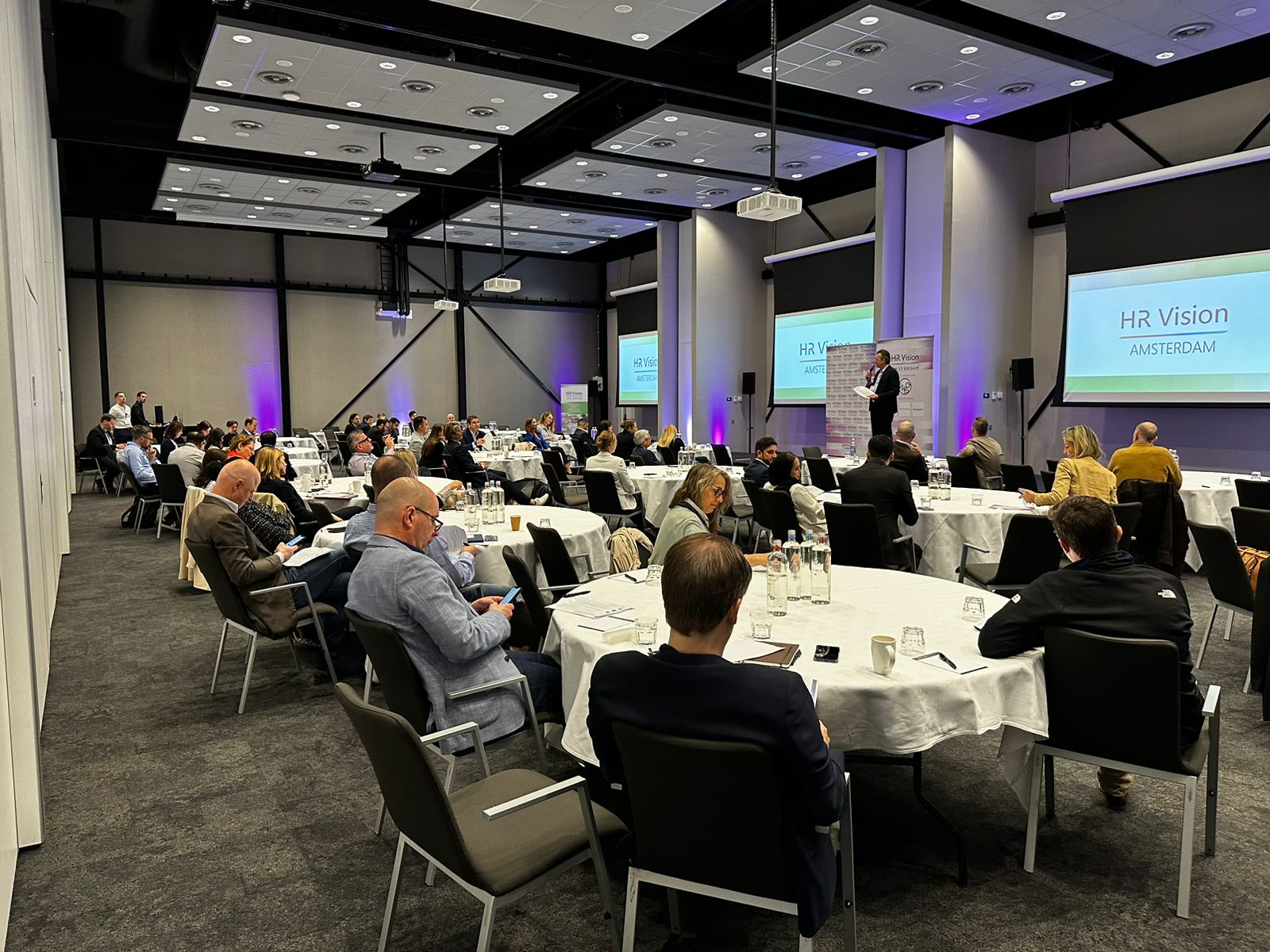
HR Vision Events brings together top HR leaders from around the world to engage in thought-provoking discussions on the future of work, making it an essential HR meeting for industry professionals. This two-day HR conference delves into various aspects of HR, including the latest trends in talent management, leadership, and HR technology. Participants at this HR conference will have the opportunity to explore how HR Tech is revolutionizing people management practices, creating a more people-centered future of work.
This HR networking event will be a source of inspiration for HR professionals looking to stay ahead in an ever-changing industry. Attendees can expect to gain valuable insights, network with industry experts, and leave with a renewed sense of purpose and direction in their HR roles. HR Vision Events truly stands out as a must-attend event for HR leaders and professionals seeking to stay at the forefront of the HR field.
It is crucial for organizations to recognize the significance of motivation and take proactive steps to implement these strategies. Investing in employee motivation is an investment in the organization’s long-term success. By fostering a motivated workforce, businesses can achieve higher productivity, lower turnover rates, and a more positive workplace culture. We strongly encourage all organizations to embrace these strategies and create an environment where motivation thrives, benefiting both employees and the company as a whole. Remember, a motivated workforce is the key to achieving greatness.