
Teambuilding, a fundamental component of organizational development, refers to the deliberate effort to enhance teamwork and collaboration within a group of individuals. It encompasses a variety of activities, strategies, and interventions designed to improve communication, foster trust, and build strong interpersonal relationships among team members.
According to recent statistics, 75% of staff members emphasize the critical importance of teamwork and collaboration to corporate success. Against the backdrop of these principles, it becomes evident that the intertwining of teambuilding and HR practices is not only significant but also indispensable.
The Foundation of Effective Team-building
What is the definition of team building? Teambuilding is the deliberate and strategic process of enhancing collaboration, communication, and cohesion among individuals within a group, with the ultimate goal of creating a unified and high-performing team.
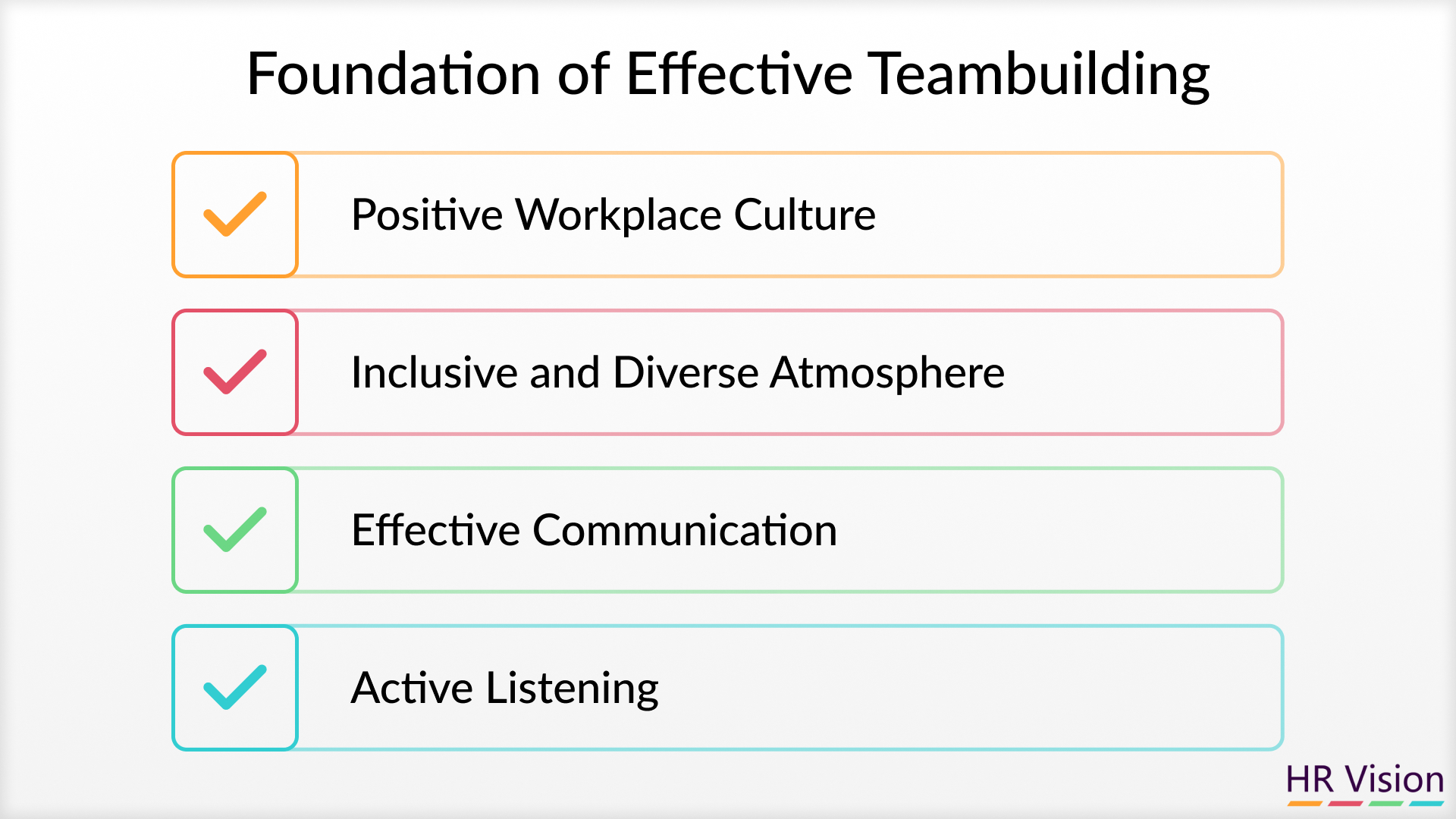
In the pursuit of effective team-building, cultivating a positive workplace culture stands as the cornerstone. A positive culture not only fosters a sense of belonging but also fuels enthusiasm and commitment among team members. A workplace culture that values collaboration, mutual respect, and shared goals not only enhances employee satisfaction but also contributes to higher levels of productivity and innovation. According to recent surveys, 33% of employees believe that cultivating a workplace environment that encourages collaboration leads to increased loyalty.
Diversity and inclusion are integral components of a thriving team. Embracing a spectrum of backgrounds, experiences, and perspectives enriches the collective knowledge and problem-solving capabilities within a team. Inclusivity ensures that each team member feels valued and has an equal opportunity to contribute, creating a dynamic environment where creativity flourishes, and innovative solutions emerge.
Effective communication is the lifeblood of successful team dynamics. It serves as the glue that binds team members together, facilitating the exchange of ideas, information, and feedback. In a team-building context, clear communication ensures that everyone is on the same page regarding goals, roles, and expectations. Moreover, organizations that actively promote collaboration and communication experience significant benefits. Research indicates that such organizations are 4.5 times less likely to lose their best employees.
While communication is pivotal, challenges may arise, such as misunderstandings, misinterpretations, or conflicts. Acknowledging and proactively addressing these challenges is essential for maintaining a healthy team environment. Implementing communication training, promoting active listening, and providing platforms for open dialogue are strategies that can mitigate communication challenges, fostering an environment where team members feel heard and understood.
Benefits of Teambuilding in HR Practices
Effective team building within HR practices yields a myriad of benefits that extend far beyond the immediate confines of team dynamics. First and foremost, investing in teambuilding initiatives leads to a considerable enhancement in employee morale and engagement. Teams that collaborate seamlessly and share a sense of camaraderie are more likely to be motivated and satisfied in their roles. As a result, a positive team environment contributes to increased job satisfaction, which, in turn, fosters employee retention and loyalty to the organization.
Furthermore, the impact of team building on productivity and efficiency is undeniable. Teams that undergo strategic team-building activities develop a heightened sense of collaboration and synergy. The combined strengths of team members are harnessed more effectively, leading to streamlined processes, improved problem-solving, and ultimately, heightened productivity. The interdependence among team members becomes a driving force for achieving collective goals, and as a result, organizations witness tangible improvements in overall operational efficiency.
The role of team building extends beyond boosting morale and productivity; it plays a crucial part in resolving conflicts and reducing stress within the workplace. By fostering strong interpersonal relationships and effective communication, team building helps prevent and manage conflicts. When challenges do arise, teams that have undergone team building are often better equipped to navigate conflicts constructively, mitigating the potential negative impact on the team and the organization. Furthermore, the bonds formed through teambuilding activities contribute to stress reduction as individuals feel supported and connected, creating a work environment that prioritizes employee well-being and mental health. In essence, the benefits of team building in HR practices extend to creating a resilient, cohesive, and harmonious workforce.
The Current State of Teambuilding in Companies
The landscape of team building in contemporary companies reflects a mixed bag of successes and challenges, as evidenced by recent statistics. While 63% of leaders reported an improvement in team communication after participating in team-building activities, a notable 31% of teams still do not invest in such initiatives. This discrepancy highlights a significant divide in the recognition of teambuilding’s impact on communication dynamics within companies.
Moreover, the frequency of team-building activities varies widely across organizations. 80% of companies do not engage in team-building exercises at least once a month. In contrast, only 20% of companies prioritize regular monthly team-building activities or more frequent sessions. This suggests that a considerable number of companies may be missing out on the potential benefits that frequent team building can bring to team cohesion and overall organizational performance.
Leadership perspectives on the impact of team building activities on team morale are somewhat positive, with 61% expressing a perceived improvement. However, a significant portion of leaders—55%—believe that investing more in team building would enhance team culture. This underscores a growing awareness among leaders about the potential of team-building to shape and strengthen the overall culture of a team.
Interestingly, team leaders show a considerable commitment to cultivating a positive team culture. A substantial 68% list “building a great team culture” as one of their top three priorities, with 27% ranking it as their number one priority. This prioritization underscores the pivotal role that team culture plays in the eyes of leadership.
The Surge in Virtual Teambuilding Activities
A recent survey conducted by Employment Hero sheds light on the sentiments of remote workers, revealing a strong consensus that team building activities can significantly improve the dynamics of remote collaboration.
As the boundaries between work and personal life blur in the virtual realm, employees are seeking ways to foster a sense of connection and camaraderie with their remote colleagues. Recognizing this need, companies are exploring innovative solutions to enhance team cohesion, and one striking trend emerges from the data: the number of companies investing in virtual team building has risen by a staggering 2,500%.This exponential increase reflects a paradigm shift in the way organizations approach employee engagement, especially in the context of remote work. It suggests a growing awareness among employers about the positive impact that virtual team building activities can have on team morale, communication, and overall job satisfaction. The rise in virtual teambuilding investments also underscores the adaptability of businesses in the face of evolving work environments.
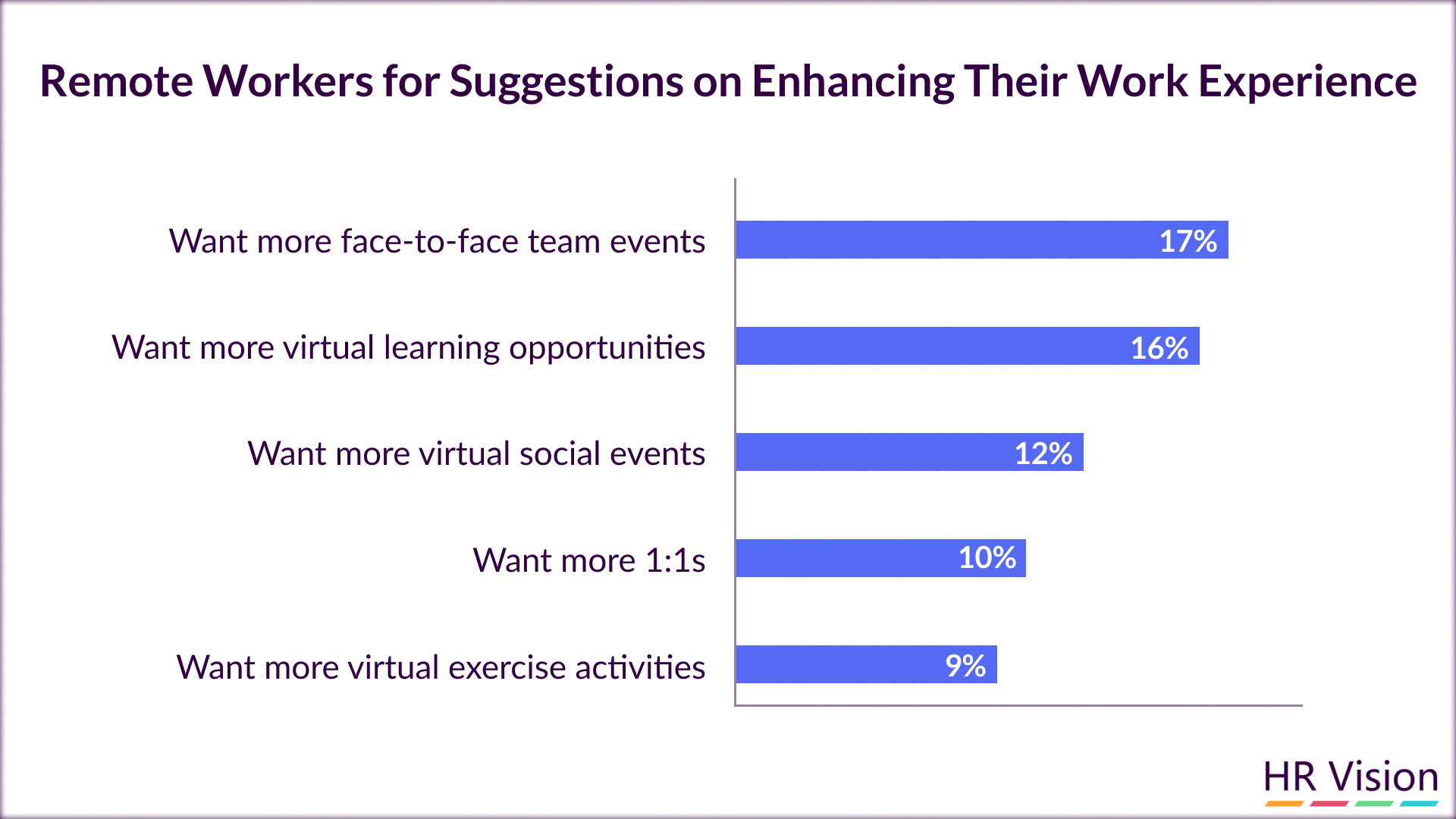
However, the reality is different. Despite the evident benefits of virtual team building, the implementation of such initiatives remains a challenge for a significant portion of remote organizations. Gitlab’s report underscores this discrepancy, revealing that only one-third of remote companies take simple team-building actions to promote a sense of community. According to Gitlab’s report, the 33% of remote organizations that do implement simple actions to promote a sense of community are taking steps in the right direction.

As the statistics unveil a stark contrast between the rising trend of virtual team-building investments and the limited adoption of simple actions by remote companies, it becomes clear that there is a broader conversation to be had about aligning intentions with actions. The challenge lies in bridging the gap between recognizing the potential benefits of team building and proactively integrating these initiatives into the remote work culture.
Conclusion
As we navigate an era marked by unprecedented challenges and opportunities, the call for organizations to prioritize and invest in team building has never been more resonant. The statistics speak volumes, with 75% of staff acknowledging the crucial role of teamwork and collaboration in corporate success. It’s essential for organizations to understand the crucial role of team building in cultivating a workforce that is both proficient and united, fostering adaptability and cohesion.Especially noteworthy is the surge in virtual team-building activities, a response to the evolving landscape of remote work. Organizations are encouraged to embrace and invest in innovative approaches to team building that transcend geographical boundaries. The surge in virtual team-building activities underscores the adaptability of these initiatives to the changing dynamics of the modern workplace. Whether in-person or virtual, team building remains a catalyst for organizational success, fostering the resilience and unity necessary to navigate the complexities of today’s business environment.
Ready to stay ahead in the ever-changing world of HR? Join us at HR Vision, where top HR leaders gather to explore the future of work, HR trends, and the power of HR analytics and technology.